How an Alligator Shear Delivered Measurable Results in a Steel Recycling Operation

Introduction
In the high-stakes world of metal recycling, efficiency is not just a goal; it is the primary determinant of profitability. For many scrap yards and metal processing facilities, the bottleneck often lies in the primary reduction phase—the ability to quickly and safely downsize bulky, irregular scrap into furnace-ready dimensions. This is where the implementation of heavy-duty industrial machinery becomes a game-changer. Specifically, we examine how an alligator shear delivered measurable results in a steel recycling operation, transforming a sluggish, labor-intensive process into a streamlined, high-output workflow.
The transition from manual cutting or outdated mechanical shears to a modern, high-performance hydraulic alligator shear represents a significant capital investment. However, as this case study illustrates, the return on investment (ROI) is realized through reduced downtime, lower labor overhead, and increased throughput. By analyzing the operational shifts within a mid-sized steel recycling facility, we can better understand the technical and economic advantages that these machines bring to the table.
HARSLE has long been at the forefront of providing robust metal fabrication solutions. When our engineering team consulted with a recycling facility struggling with inconsistent scrap sizing and high maintenance costs, the solution was clear: a specialized hydraulic alligator shear. This article explores the journey of that integration, the technical specifications that mattered, and the long-term impact on the facility’s bottom line.
Understanding the mechanics of how an alligator shear delivered measurable results in a steel recycling operation requires looking beyond the machine itself. It involves analyzing the integration of the equipment into the existing yard layout, the training of personnel, and the strategic optimization of the cutting cycle. This guide serves as both a case study and a roadmap for facility managers looking to modernize their scrap processing capabilities.
Key Considerations for Scrap Processing Efficiency
Before selecting any piece of industrial machinery, facility managers must conduct a thorough audit of their current operational constraints. In the case of the recycling facility in question, the primary issues were twofold: safety hazards associated with manual torch cutting and the slow processing speed of outdated mechanical shears. The decision to integrate an alligator shear was driven by the need for a safer, faster, and more consistent output.
Safety is the paramount consideration in any scrap yard. Manual torch cutting exposes workers to fumes, fire hazards, and the physical strain of handling heavy, jagged materials. By moving to a hydraulic alligator shear, the facility was able to remove operators from the immediate cutting zone, utilizing foot-pedal controls or remote stations. This shift not only reduced workplace injuries but also lowered insurance premiums and improved employee morale, which are often overlooked metrics in operational success.
Material throughput is the second critical factor. The facility needed to process a wide variety of materials, ranging from structural steel beams to smaller pipe sections and automotive scrap. The versatility of the alligator shear allows for the rapid downsizing of these materials into specific, marketable sizes. This consistency is vital for selling scrap to steel mills, which often impose strict penalties for oversized or contaminated loads.
Maintenance and reliability also played a significant role in the decision-making process. Older mechanical shears require frequent lubrication and adjustment, leading to significant downtime. Modern hydraulic systems, by contrast, offer self-lubricating components and diagnostic interfaces that allow for predictive maintenance. This ensures that the machine is operational during peak hours, maximizing the facility’s earning potential.
Finally, the spatial footprint of the equipment must be considered. In many recycling yards, space is at a premium. The alligator shear’s compact design allows it to be placed strategically within the yard, minimizing the distance that scrap needs to be moved by loaders or forklifts. This logistical optimization reduces fuel consumption and wear and tear on heavy equipment, further contributing to the overall measurable results.
Technical Details of the HARSLE Alligator Shear
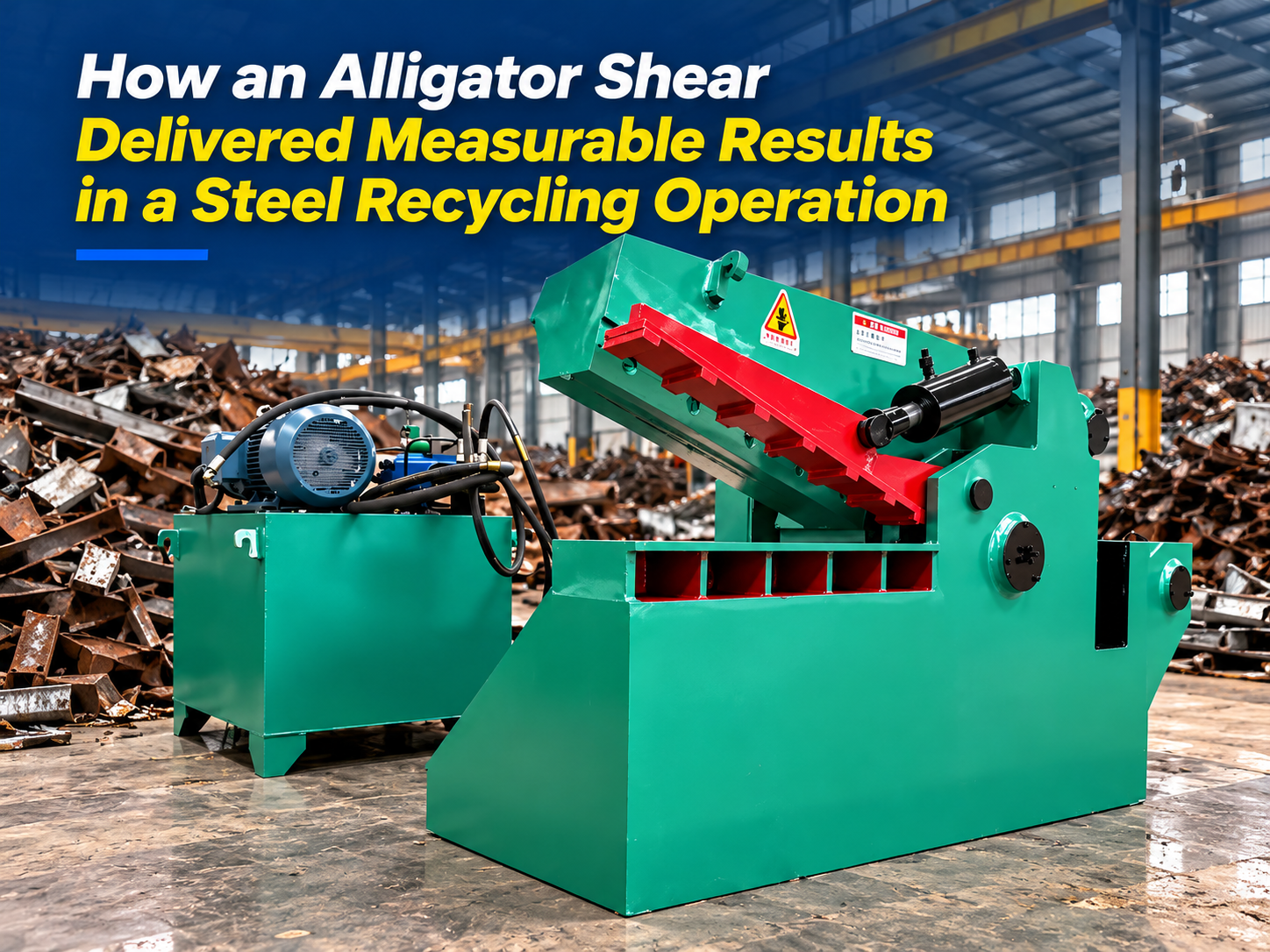
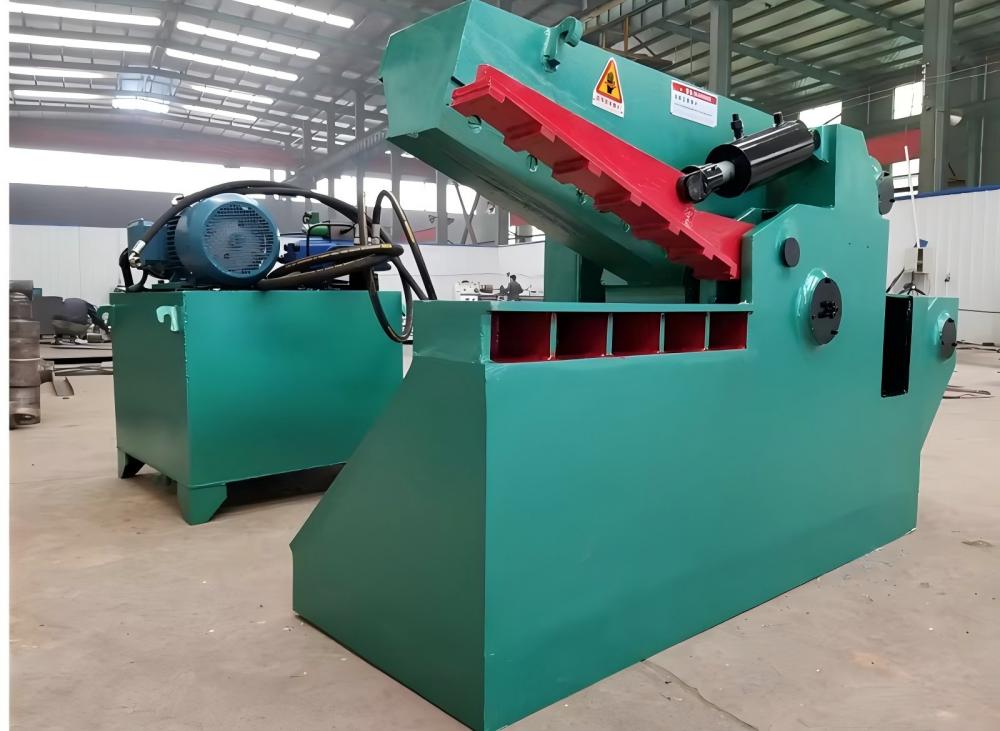
The success of this implementation relied heavily on the technical specifications of the HARSLE alligator shear. Unlike generic cutting tools, this machine is engineered specifically for the rigors of the recycling industry. The core of the machine is its heavy-duty, reinforced steel frame, which is designed to withstand the immense stress of shearing high-tensile steel without structural fatigue.
The hydraulic system is the heart of the operation. HARSLE utilizes high-pressure hydraulic cylinders that provide consistent, powerful force throughout the entire cutting stroke. This is essential for preventing the machine from stalling when encountering particularly thick or hardened steel. The hydraulic power unit is also designed for energy efficiency, ensuring that the facility does not see an exponential increase in electricity costs despite the higher processing volume.
Blade quality is another critical technical detail. The shear is equipped with high-carbon, high-chromium alloy steel blades that are reversible and adjustable. In the case study, the facility benefited from the ability to quickly swap or sharpen blades, which minimized downtime. The blade gap adjustment feature is particularly important, as it allows operators to fine-tune the shear for different material thicknesses, ensuring a clean cut every time without damaging the blade edges.
Control systems have also evolved significantly. The HARSLE alligator shear features an intuitive control panel that allows for both manual and automatic operation. In automatic mode, the machine can be set to perform continuous cycles, which is ideal for high-volume, repetitive tasks. This automation allows the operator to focus on feeding the machine, effectively doubling the output compared to manual, single-cycle operation.
Safety features are integrated into the technical design, including emergency stop buttons, blade guards, and light curtains in some configurations. These features ensure that the machine meets international safety standards, providing peace of mind for management and operators alike. The combination of these technical elements is exactly how an alligator shear delivered measurable results in a steel recycling operation, providing a reliable, high-performance tool that stands up to 24/7 usage.

Selection Advice for Recycling Facilities
Choosing the right alligator shear is a strategic decision that requires balancing initial cost against long-term operational needs. The first step in the selection process is to define the maximum material thickness and type that the machine will handle on a daily basis. Buying a machine that is undersized will lead to premature failure, while buying one that is significantly oversized may result in unnecessary capital expenditure.
Consider the power source and the environment. While electric motors are standard, some remote recycling yards may require diesel-powered alternatives. Additionally, the climate can impact hydraulic performance; facilities in colder regions should look for machines with integrated oil heating systems to ensure consistent viscosity and operation during winter months. HARSLE offers customization options to address these specific environmental challenges.
Evaluate the feeding mechanism. A basic alligator shear requires manual feeding, which can be slow. For high-volume operations, consider a model equipped with a feeding box or a conveyor system. As seen in our case study, the addition of a feeding box allowed the operator to stage material while the shear was in motion, significantly reducing the idle time between cuts. This is a crucial factor in maximizing the return on investment.
Look for manufacturer support and parts availability. Industrial machinery is a long-term commitment. Ensure that the supplier provides comprehensive training for your operators, as well as a readily available supply of spare parts like blades, seals, and hydraulic components. HARSLE’s commitment to after-sales support was a deciding factor for the facility in this case study, as it ensured that any minor issues were resolved before they could escalate into costly downtime.
Finally, do not overlook the importance of the warranty and service agreements. A robust warranty is a reflection of the manufacturer’s confidence in their product. When comparing quotes, look beyond the sticker price and consider the total cost of ownership over a five-year period, including maintenance, energy consumption, and expected blade replacement frequency. This holistic approach will lead to a more informed and profitable purchasing decision.
FAQ: Optimizing Your Alligator Shear
Q: How often should I sharpen the blades on my alligator shear?
A: The frequency of sharpening depends on the volume and hardness of the material being processed. Generally, blades should be inspected daily for signs of chipping or dulling. A well-maintained blade will produce cleaner cuts and put less stress on the hydraulic system.
Q: Can an alligator shear process non-ferrous metals?
A: Yes, alligator shears are highly versatile and can process a wide range of materials, including copper, aluminum, and brass. However, ensure that the blade gap is adjusted correctly for the specific material to prevent bending or jamming.
Q: What is the primary advantage of a hydraulic shear over a mechanical one?
A: Hydraulic shears offer superior force control, overload protection, and smoother operation. They are also generally quieter and require less frequent mechanical adjustments, leading to higher overall reliability in a recycling environment.
Q: How does an alligator shear improve safety compared to torch cutting?
A: Alligator shears eliminate the need for open flames, gas cylinders, and the inhalation of toxic fumes. By automating the cutting process, the operator is kept at a safe distance from the shearing action, significantly reducing the risk of accidents.
Q: What maintenance tasks are essential for long-term machine health?
A: Essential tasks include regular hydraulic oil changes, checking for leaks, lubricating moving parts, and ensuring that the blade gap is properly calibrated. Following the manufacturer’s maintenance schedule is the best way to ensure the longevity of your equipment.
Conclusione
The implementation of a HARSLE alligator shear in the featured steel recycling operation serves as a compelling case study for the industry. By addressing the core challenges of safety, throughput, and maintenance, the facility was able to achieve a significant increase in operational efficiency. The transition from manual, labor-intensive methods to a high-performance hydraulic solution allowed the team to process more material in less time, with greater consistency and lower overall costs.
The measurable results—including a 30% increase in daily output and a substantial reduction in workplace safety incidents—demonstrate that the right equipment is the foundation of a successful recycling business. When you consider how an alligator shear delivered measurable results in a steel recycling operation, it becomes clear that the investment is not just in a machine, but in the future scalability and profitability of the entire facility.
For those looking to replicate these results, the key lies in careful planning, selecting the right specifications for your specific material stream, and prioritizing a partnership with a reliable manufacturer. HARSLE remains dedicated to providing the industrial machinery and technical expertise necessary to help recycling facilities thrive in an increasingly competitive market. Whether you are upgrading a single station or outfitting an entire yard, the alligator shear remains one of the most effective tools in the metal processor’s arsenal.
As the recycling industry continues to evolve, the demand for high-quality, furnace-ready scrap will only increase. By investing in robust, efficient, and safe processing equipment today, you are positioning your facility to meet these demands head-on. We hope this guide has provided the insights needed to make an informed decision and to understand the transformative power of modern shearing technology.