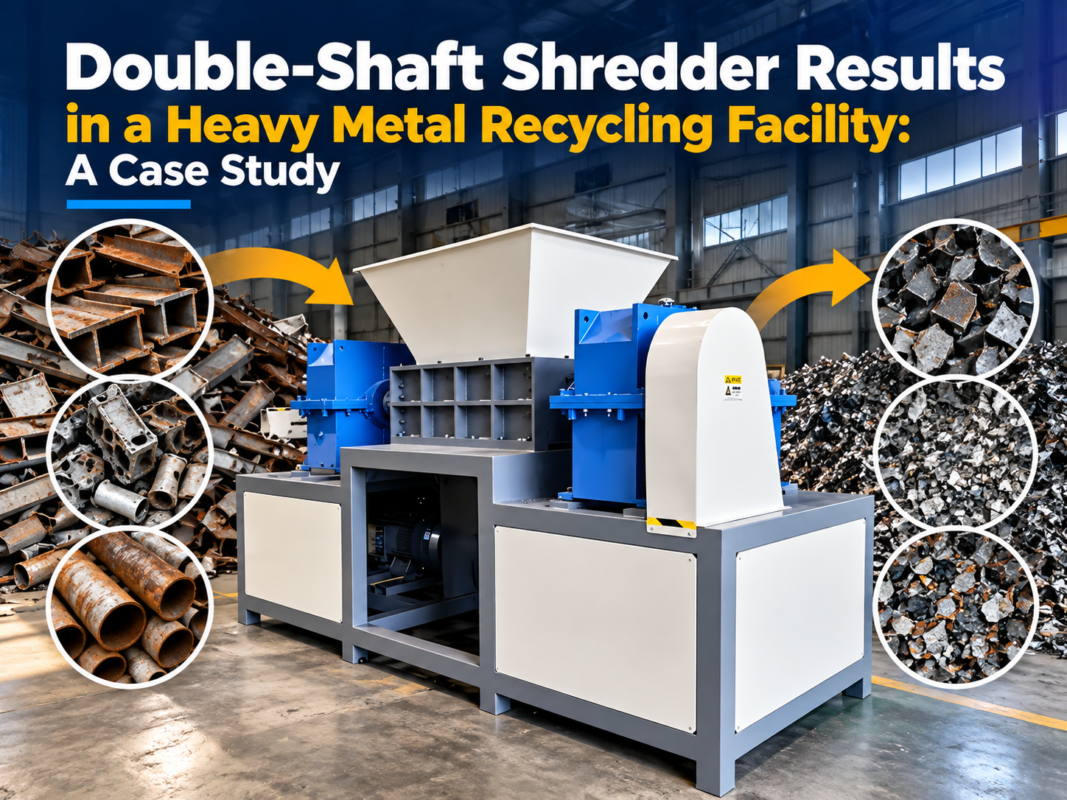
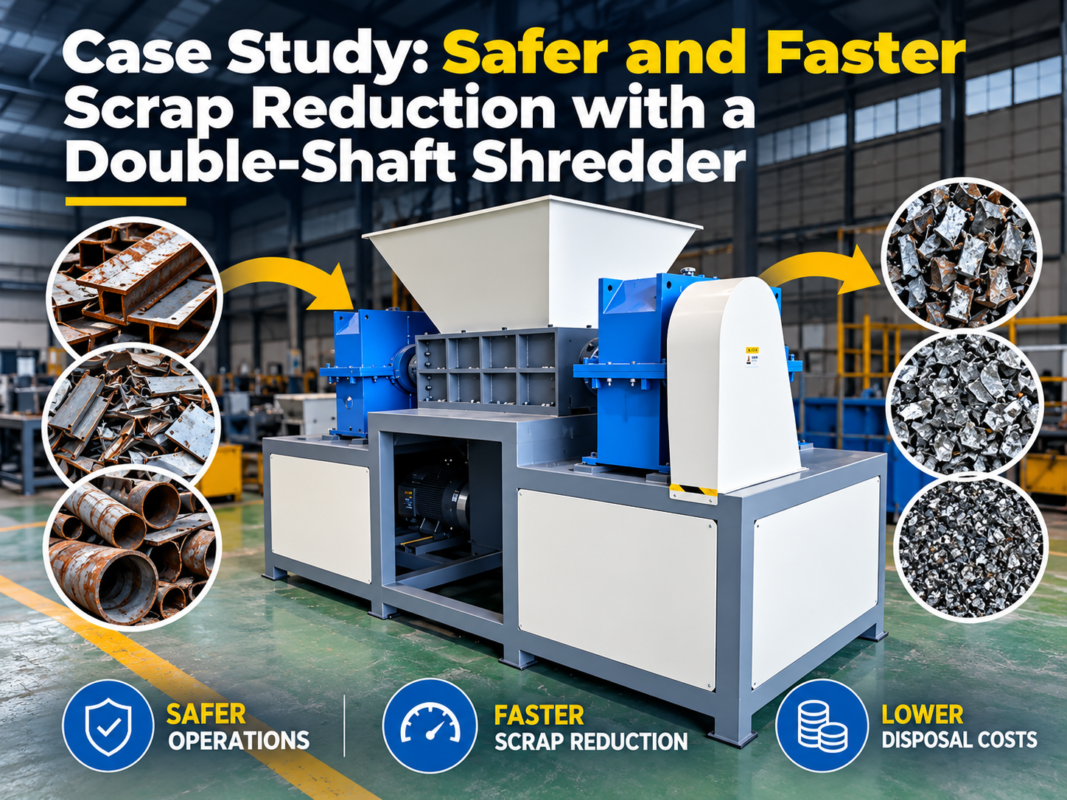
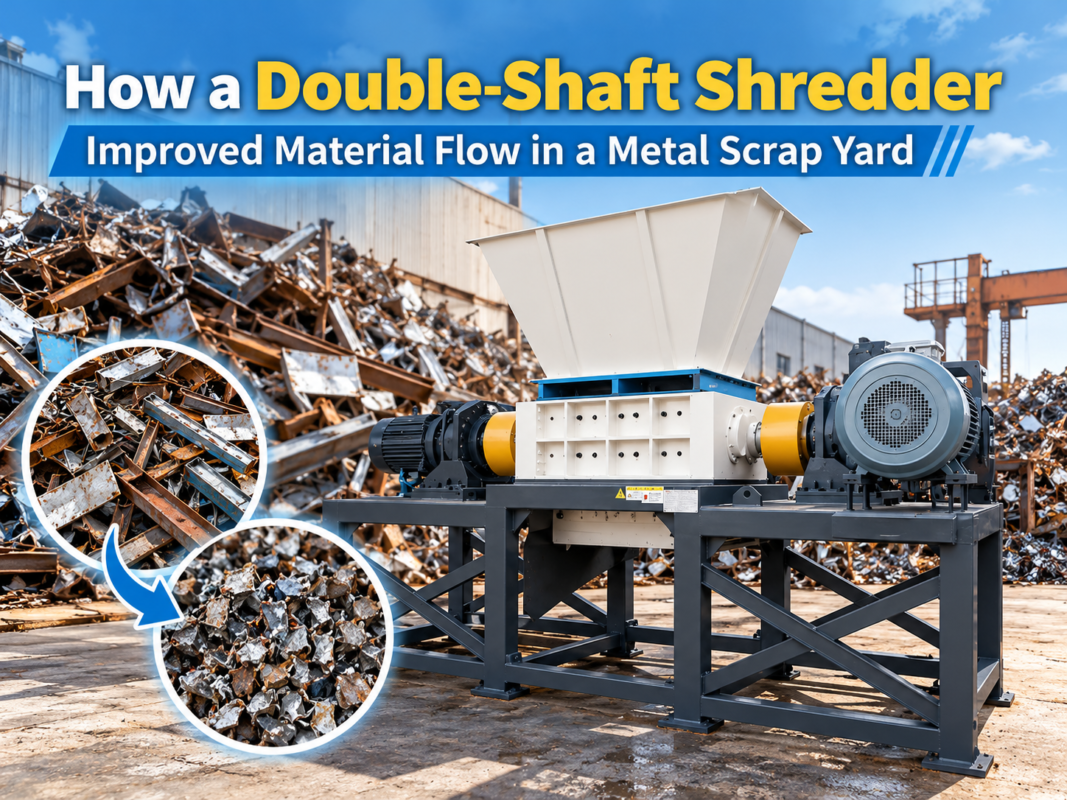
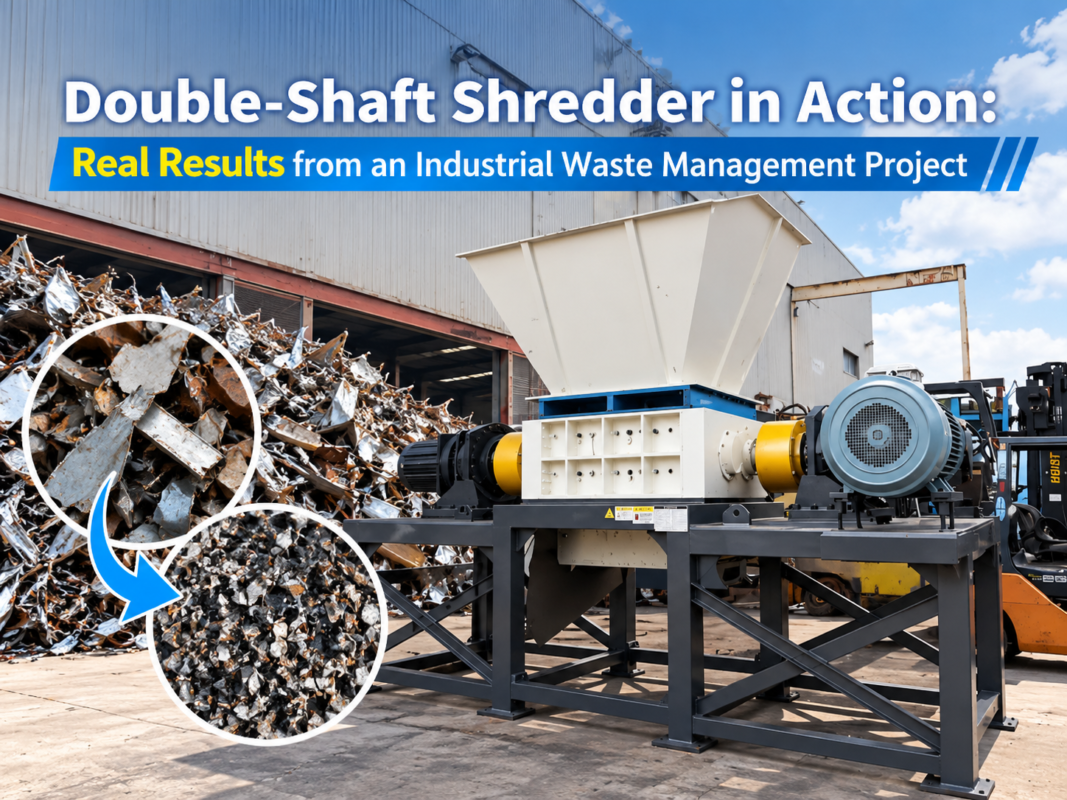
Alligator Shear In Real-World Use: A Case Study On Operational Improvement

Introduction
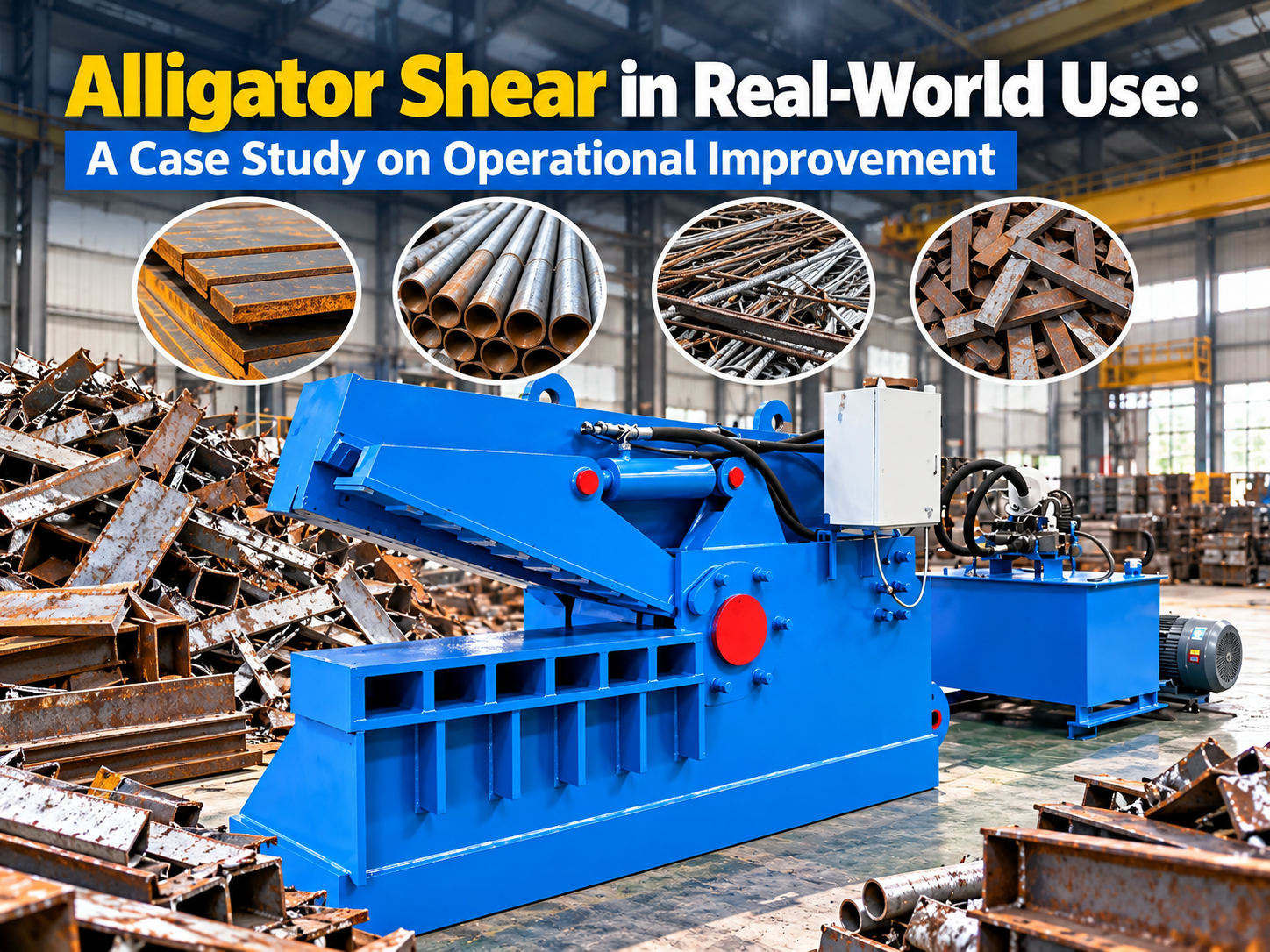
In the fast-paced world of metal fabrication and scrap recycling, efficiency is the primary driver of profitability. For decades, the alligator shear has served as a cornerstone of the industry, providing a robust, reliable, and relatively simple solution for cutting various metal profiles. When we look at the Alligator Shear In Real-World Use: A Case Study On Operational Improvement, we see a clear narrative of how modern engineering from manufacturers like HARSLE can turn a labor-intensive process into a streamlined, high-output operation.
This article explores the practical application of hydraulic alligator shears in a mid-sized recycling facility. By analyzing the transition from manual cutting methods to the integration of a high-performance HARSLE alligator shear, we can identify the specific operational bottlenecks that were eliminated. This case study serves as a blueprint for facility managers and fabrication shop owners looking to optimize their workflow and maximize their return on investment.
The alligator shear, named for its jaw-like cutting motion, is designed for heavy-duty applications where precision is secondary to speed and force. Unlike guillotine shears, which are often used for sheet metal, the alligator shear excels at processing structural steel, rebar, pipes, and irregular scrap shapes. Understanding its role in a real-world environment requires looking beyond the specifications and into the daily operational realities of a metal processing plant.
Throughout this guide, we will dissect the technical advantages, the selection process, and the long-term maintenance strategies that ensure these machines remain the workhorses of the metal industry. Whether you are upgrading your current fleet or entering the scrap processing market, the insights provided here will help you leverage alligator shear technology to its fullest potential.
Key Considerations for Operational Efficiency
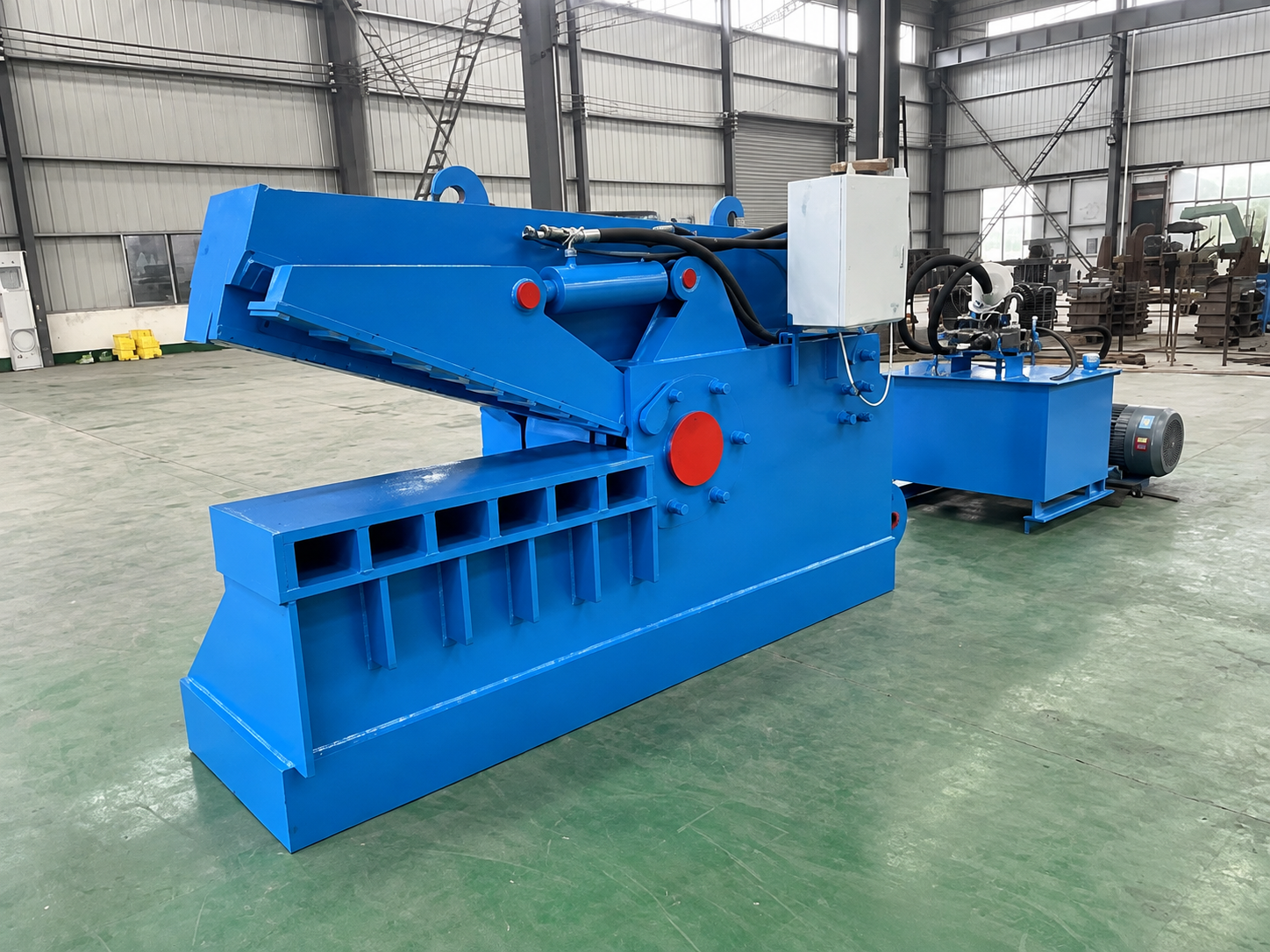
When evaluating the performance of an alligator shear in a real-world setting, the first consideration is throughput capacity. In our case study, the facility was previously relying on oxy-fuel torches to cut down oversized scrap. This method was not only slow but also created significant safety hazards and high consumable costs. The introduction of a HARSLE hydraulic alligator shear immediately shifted the operational paradigm, allowing for cold-cutting that is faster, cleaner, and safer.
Another critical factor is the material handling workflow. An alligator shear is only as efficient as the system feeding it. In the case study, the facility implemented a conveyor-fed system that aligned with the shear’s jaw opening. By minimizing the distance between the scrap pile and the cutting head, the operators were able to increase the number of cuts per hour by nearly 40%. This highlights the importance of integrating the shear into the broader facility layout rather than treating it as an isolated piece of equipment.
Safety and ergonomics also play a vital role in operational improvement. Manual cutting methods often lead to operator fatigue and increased risk of injury from sparks, fumes, and heavy lifting. The HARSLE alligator shear features advanced safety guards and foot-pedal controls, which allow the operator to maintain a safe distance from the cutting zone. This reduction in physical strain directly correlates to higher morale and lower turnover rates among the workforce.
Finally, energy consumption and maintenance downtime must be evaluated. Hydraulic systems, when properly maintained, offer a consistent force that does not degrade over time like mechanical linkages might. By choosing a machine with a robust hydraulic power unit and high-quality seals, the facility in our case study reduced its unplanned downtime by 25% within the first six months of operation.
Technical Details of HARSLE Alligator Shears
The technical superiority of HARSLE alligator shears lies in their structural integrity and hydraulic precision. These machines are built with a heavy-duty welded steel frame that minimizes vibration during the cutting process. Vibration is the enemy of precision and longevity; by dampening it, the HARSLE design ensures that the blades remain aligned, extending their service life and reducing the frequency of sharpening cycles.
The hydraulic system is the heart of the alligator shear. HARSLE utilizes high-pressure pumps that provide a consistent, powerful stroke, regardless of the material thickness. This is particularly important when processing mixed scrap, where the machine might encounter a thin pipe followed immediately by a thick solid steel bar. The hydraulic relief valves are calibrated to handle these variations without stalling or damaging the internal components.
Blade geometry is another technical highlight. The blades on a HARSLE shear are manufactured from high-carbon, high-chromium tool steel, which is heat-treated to achieve the perfect balance between hardness and toughness. This allows the blades to withstand the shock of cutting hardened steel without chipping. Furthermore, the blades are reversible, effectively doubling their lifespan before requiring a professional regrind.
Control systems have also evolved. Modern HARSLE shears come equipped with PLC-based controls that allow for adjustable stroke lengths. By limiting the stroke to the size of the material being cut, the operator can significantly increase the cycle speed. This feature is a game-changer for facilities processing high volumes of smaller scrap, as it eliminates the wasted time of a full-stroke cycle when only a partial stroke is needed.
Selection Advice: Choosing the Right Machine
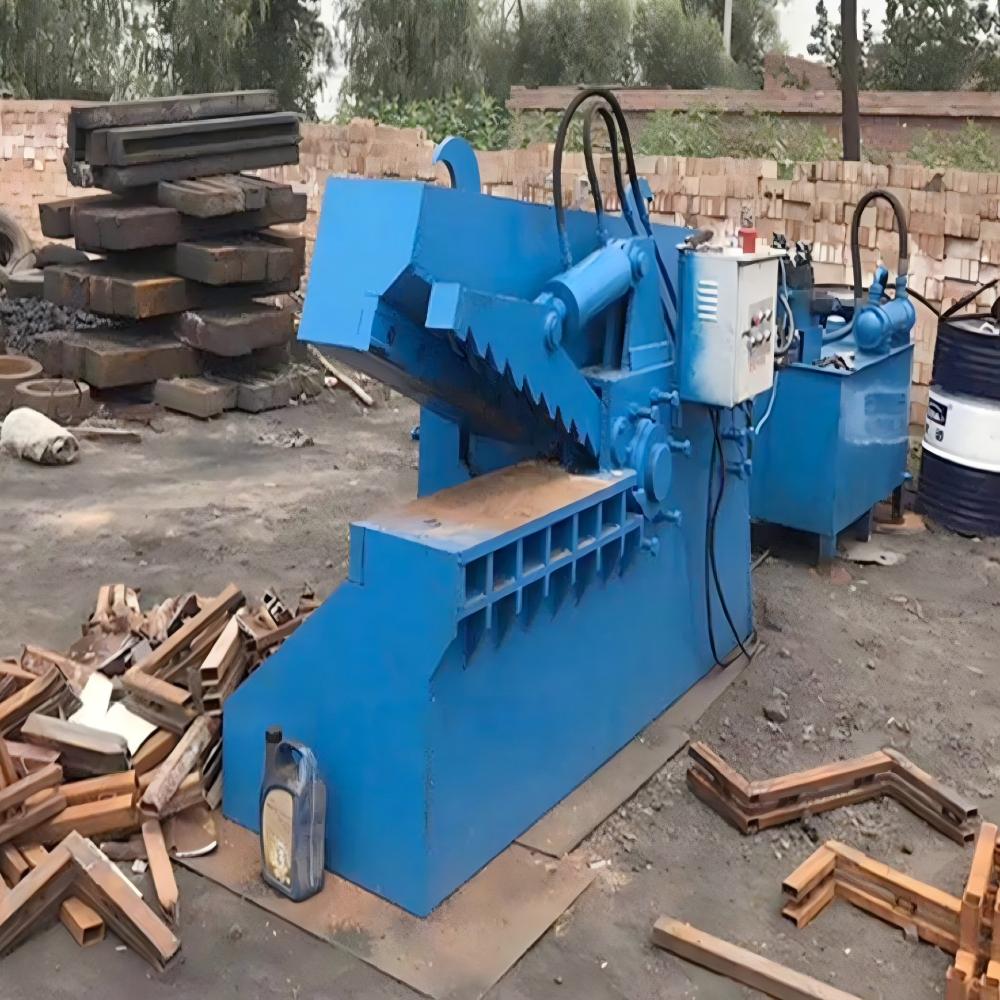
Selecting the right alligator shear requires a thorough audit of your current and projected material stream. If your facility primarily processes light-gauge scrap, a smaller, high-speed model may be more efficient. Conversely, if you are handling heavy structural beams or thick plate, you must prioritize shear force and jaw opening size over cycle speed. HARSLE offers a range of models, and the key is to match the machine’s capacity to the maximum material thickness you expect to encounter daily.
Consider the power source and environmental factors. While electric-hydraulic models are standard, some remote locations may require diesel-powered units. Additionally, if your facility operates in extreme temperatures, you must ensure the hydraulic fluid and cooling systems are rated for those conditions. HARSLE provides customization options to ensure that the machine performs reliably regardless of the ambient environment.
Another aspect to consider is the ease of maintenance. Look for machines that offer easy access to the hydraulic manifold, filter banks, and blade adjustment bolts. A machine that is difficult to service will inevitably lead to neglected maintenance, which is the leading cause of premature failure in industrial equipment. HARSLE designs its shears with the maintenance technician in mind, ensuring that routine checks can be performed quickly and safely.
Finally, don’t overlook the importance of manufacturer support. A piece of industrial machinery is a long-term investment. When you choose HARSLE, you are gaining access to a global network of technical support, spare parts availability, and expert guidance. Before making a final decision, ask about the availability of local service technicians and the typical lead time for critical replacement parts like blades and hydraulic seals.
Maintenance and Longevity Strategies
To maintain the operational improvements achieved by your alligator shear, a rigorous maintenance schedule is non-negotiable. Daily checks should include inspecting the hydraulic fluid levels, checking for leaks around hoses and fittings, and ensuring that the blade clearance is set correctly. Even a small amount of play in the blades can lead to “burring” on the cut material, which indicates that the machine is working harder than it should.
Lubrication is the lifeblood of the shear. The pivot pin, which acts as the fulcrum for the alligator jaw, is under immense pressure. Regular greasing of this point is essential to prevent friction-induced wear. HARSLE recommends using high-pressure, water-resistant grease to ensure that the pivot point remains protected even in outdoor or dusty environments.
Blade maintenance is perhaps the most critical aspect of long-term performance. As blades dull, the force required to cut increases, putting unnecessary strain on the hydraulic pump and the structural frame. Establish a schedule for blade rotation and sharpening based on the tonnage processed rather than just a calendar date. This proactive approach prevents the “domino effect” of damage that occurs when a dull blade is forced to perform beyond its capacity.
Finally, keep the machine clean. Scrap metal dust and debris can infiltrate hydraulic seals and electrical cabinets, leading to short circuits or fluid contamination. Using compressed air to blow off the machine at the end of each shift and keeping the surrounding area clear of debris will significantly extend the life of your HARSLE alligator shear. A clean machine is not only easier to inspect for leaks but also safer for the operators to work around.
FAQ: Domande frequenti
What is the primary advantage of an alligator shear over a guillotine shear?
The primary advantage is the ability to handle irregular, bulky, and long scrap metal pieces. Alligator shears are designed for “open-throat” cutting, allowing material to be fed from the side, which is ideal for structural steel, pipes, and rebar that would not fit into the confined space of a guillotine shear.
How often should I sharpen the blades on my HARSLE shear?
The frequency depends on the material type and volume. As a general rule, if you notice the material is bending rather than shearing cleanly, or if the machine sounds like it is struggling, it is time to inspect the blades. Regular rotation and timely sharpening will prevent damage to the shear head.
Can an alligator shear cut stainless steel?
Yes, but you must account for the increased hardness of stainless steel. You should consult the HARSLE technical specifications to ensure the shear force is adequate for the thickness of the stainless steel you intend to cut, and you may need to sharpen the blades more frequently than when cutting mild steel.
What safety features are standard on HARSLE alligator shears?
HARSLE shears come equipped with emergency stop buttons, protective jaw guards, and foot-pedal operation to ensure the operator’s hands remain clear of the cutting zone. We also recommend implementing a lockout/tagout procedure during any maintenance activity.
Is it possible to automate the feeding process for an alligator shear?
Absolutely. Many facilities use conveyor systems or automated loaders to feed the shear. This significantly increases throughput and reduces the physical labor required by the operator, making it a highly recommended upgrade for high-volume scrap yards.
Conclusione
The Alligator Shear In Real-World Use: A Case Study On Operational Improvement demonstrates that the right equipment, when integrated thoughtfully into a facility’s workflow, can yield transformative results. By moving away from inefficient manual cutting methods and adopting the robust, reliable technology offered by HARSLE, businesses can achieve higher throughput, improved safety, and lower long-term operational costs.
The success of this transition relies on more than just the purchase of the machine; it requires a commitment to proper selection, regular maintenance, and a culture of safety. As the metal fabrication and recycling industries continue to evolve, the alligator shear remains an indispensable tool for those who prioritize efficiency and durability. By following the guidelines outlined in this article, you can ensure that your HARSLE alligator shear remains a profitable asset for years to come.
Investing in high-quality industrial machinery is the first step toward scaling your operations. With HARSLE, you are not just buying a shear; you are partnering with a manufacturer dedicated to the success of your metal processing business. Whether you are a small scrap yard or a large-scale fabrication plant, the principles of operational improvement discussed here will serve as a foundation for your continued growth and success in the competitive metal market.