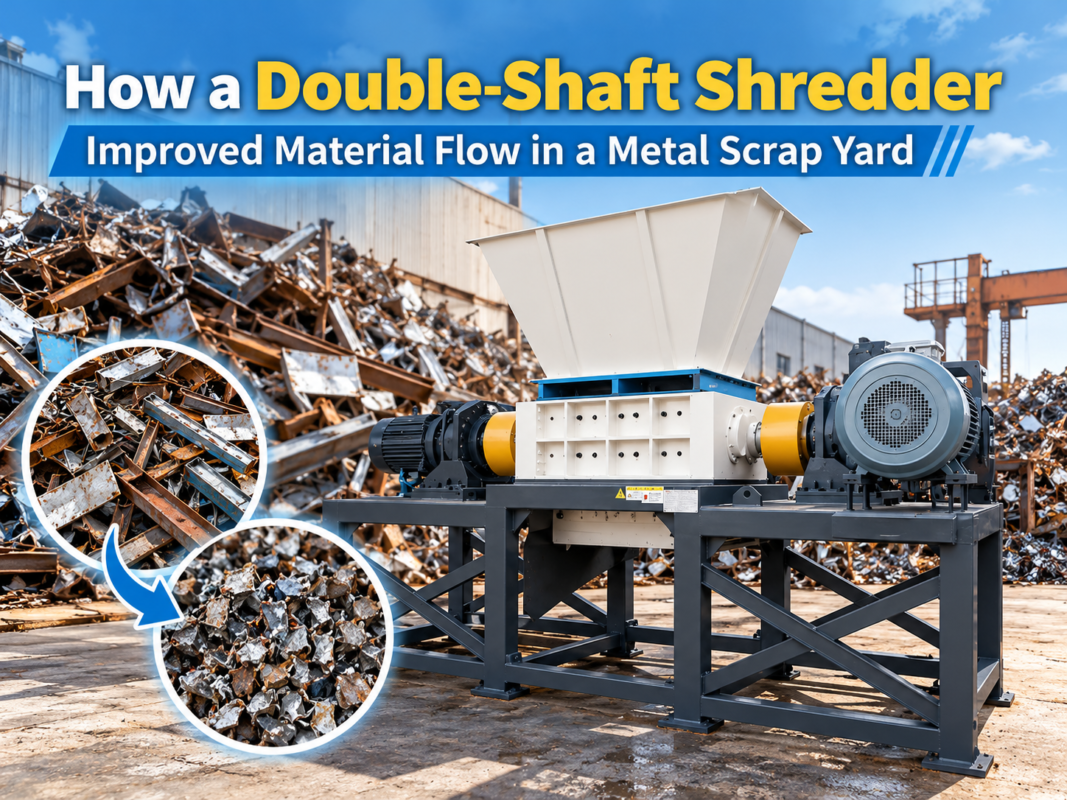
Why This Metal Recycler Upgraded to an Alligator Shear and What Happened Next

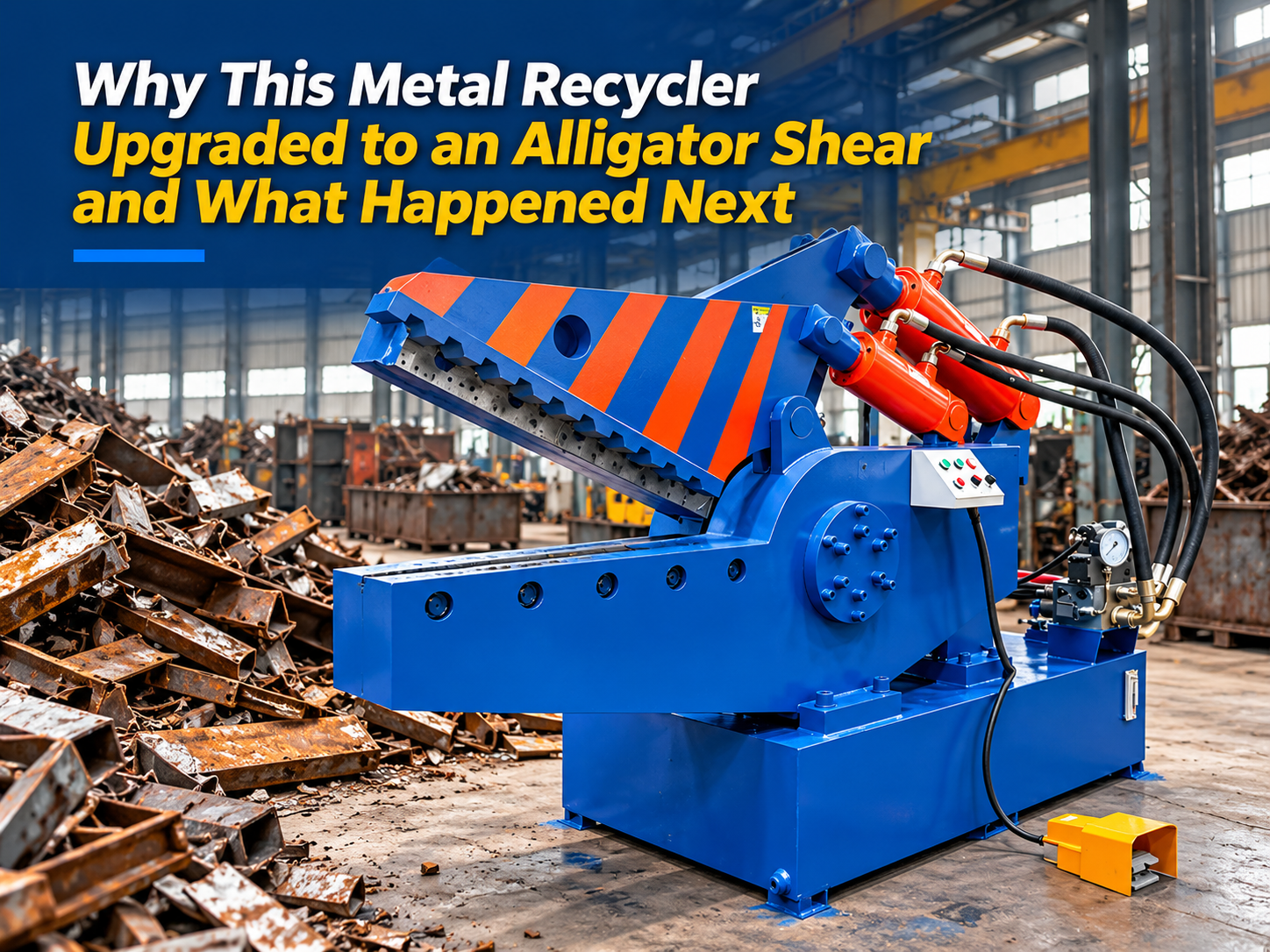
Introduction: The Bottleneck in Scrap Processing
In the fast-paced world of metal recycling, efficiency is the difference between a profitable operation and one that struggles to keep up with market demands. For many medium-to-large scale recyclers, the primary bottleneck often lies in the initial processing stage: cutting down oversized scrap metal into manageable, furnace-ready sizes. When a facility relies on manual labor or outdated, slow-cutting equipment, the throughput drops, and operational costs skyrocket. This is exactly where the story of one mid-sized recycling firm begins—a story that perfectly illustrates why this metal recycler upgraded an alligator shear and what happened next.
The facility in question was struggling with a backlog of mixed scrap, including heavy-duty steel pipes, structural beams, and automotive components. Their existing torch-cutting methods were not only slow and labor-intensive but also posed significant safety risks to their workforce. The fumes, the fire hazards, and the sheer time required to process a single ton of material were eating into their margins. They needed a solution that offered speed, precision, and durability. They turned to HARSLE for a modern hydraulic solution.
Upgrading to an industrial-grade alligator shear is a major capital investment, but for this recycler, it was a turning point. By transitioning from manual labor to a high-performance hydraulic system, they were able to automate the most grueling part of their workflow. This article explores the technical transformation, the operational shifts, and the long-term benefits that occurred after the installation of their new HARSLE alligator shear.

Key Considerations: Identifying the Need for an Upgrade
Before deciding to invest in new machinery, the management team at the recycling facility conducted a thorough audit of their current processes. They identified three critical pain points: labor costs, safety compliance, and material throughput. Each of these factors played a significant role in their decision-making process. When evaluating why this metal recycler upgraded an alligator shear and what happened next, it is essential to understand the state of their operations prior to the change.
Labor costs were the most immediate concern. Manual torch cutting requires skilled labor that is increasingly difficult to find and expensive to retain. Furthermore, the physical toll on workers meant that productivity naturally declined throughout the shift. By moving to a mechanical shear, the facility could shift their workforce toward higher-value tasks, such as sorting and grading, rather than spending hours on repetitive cutting tasks.
Safety was another driving force. Torch cutting involves open flames, pressurized gas cylinders, and toxic fumes, all of which represent significant liabilities. An alligator shear, by contrast, is a cold-cutting process. It eliminates the risk of fire and significantly reduces the exposure of workers to hazardous air quality. For the recycler, the upgrade was not just about profit; it was about creating a sustainable and safe working environment that would reduce insurance premiums and turnover rates.
Finally, the throughput issue was undeniable. The facility was losing out on high-volume contracts because they couldn’t process scrap fast enough to meet the delivery schedules of steel mills. The mills require specific dimensions for scrap to be efficiently melted. By upgrading to an alligator shear, the recycler could guarantee consistent, uniform cuts that met the strict specifications of their buyers, thereby opening up new revenue streams and higher-tier contracts.
Technical Details: The Power of HARSLE Alligator Shears
The HARSLE alligator shear is engineered for high-cycle, high-force applications. Unlike standard shears, these machines are built with a heavy-duty frame designed to withstand the immense stress of cutting through thick steel, rebar, and structural profiles. The hydraulic system is the heart of the machine, providing consistent pressure that ensures a clean cut every time, regardless of the material’s hardness or shape.
One of the standout features of the HARSLE unit is the adjustable blade gap. This allows the operator to fine-tune the machine based on the thickness and type of metal being processed. Proper blade gap adjustment is critical for preventing blade wear and ensuring that the shear doesn’t jam during operation. The integration of high-quality, wear-resistant steel blades means that the machine can operate for longer periods between maintenance intervals, which is a massive advantage for high-volume facilities.
The control interface on modern HARSLE shears is designed for ease of use. Operators can switch between manual and automatic modes, allowing for flexibility depending on the scrap size. The automatic mode is particularly useful for continuous processing, where the machine cycles at a set frequency, allowing the operator to feed material continuously without needing to trigger the shear for every single cut. This feature alone increased the facility’s output by nearly 40% within the first month of operation.
Safety features are integrated into every aspect of the design. From emergency stop buttons and light curtains to protective guards that prevent debris from flying, the HARSLE alligator shear is built to meet international safety standards. The hydraulic system also includes pressure relief valves to prevent overloading, ensuring that the machine remains protected even if an operator attempts to cut material that exceeds the shear’s rated capacity.
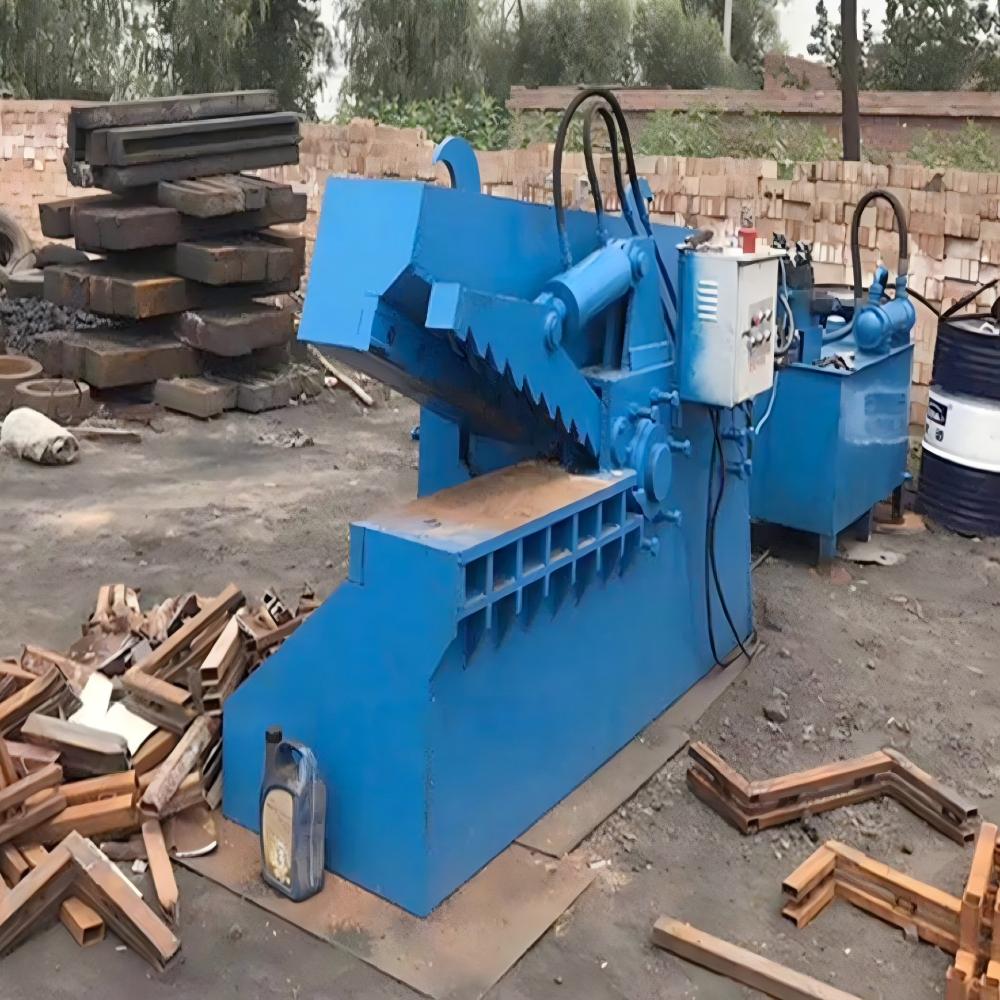
Selection Advice: Choosing the Right Shear for Your Facility
When considering an upgrade, the most common mistake recyclers make is choosing a machine based solely on price rather than capacity. To avoid this, you must first analyze the average and maximum dimensions of the scrap you process. If your facility primarily handles light-gauge sheet metal, a smaller, lower-tonnage shear might suffice. However, if you are dealing with heavy structural steel, I-beams, or thick-walled pipes, you need a machine with a higher tonnage rating and a larger jaw opening.
Another factor to consider is the power source. While most industrial shears are hydraulic, the efficiency of the hydraulic pump and the motor’s power consumption can vary significantly. HARSLE machines are known for their energy-efficient hydraulic systems, which reduce operational costs over the long term. It is also important to consider the footprint of the machine. Ensure that your floor plan allows for efficient material flow, with enough space for a loading conveyor on the feed side and a collection bin on the discharge side.
Maintenance support is equally important. When you purchase an alligator shear, you are entering a long-term relationship with the manufacturer. Look for a supplier that offers comprehensive technical support, readily available spare parts, and clear documentation. HARSLE provides detailed maintenance schedules that, if followed, can extend the life of your machine by years. Always ask about the availability of local technicians or remote support options to minimize downtime in the event of a technical issue.
Finally, consider the versatility of the machine. Some alligator shears come with additional features like adjustable hold-down clamps, which keep the material steady during the cut. This is vital for safety and for achieving a clean, square cut. If you plan to process a wide variety of materials, investing in a machine with these advanced features will pay for itself through reduced waste and higher-quality scrap output.
Operational Impact: What Happened Next?
After the installation of the HARSLE alligator shear, the transformation at the recycling facility was immediate and measurable. Within the first quarter, the facility reported a 35% increase in total processed tonnage. Because the shear could handle larger pieces of scrap, the team no longer had to spend time pre-cutting or sorting material into smaller, manageable piles. The material flow became streamlined, moving from the yard directly to the shear and then into the shipping containers.
The financial impact was equally impressive. By producing cleaner, more uniform scrap, the recycler was able to negotiate better prices with the steel mills. The mills prefer high-density, uniform scrap because it melts more efficiently in their furnaces. By providing a superior product, the recycler moved from being a general scrap supplier to a preferred vendor, securing long-term contracts that provided a stable revenue stream, even during market fluctuations.
Employee morale also saw a significant boost. The transition from the dangerous, loud, and physically exhausting torch-cutting process to operating a modern, automated shear made the workplace safer and more professional. The operators felt more empowered and were able to focus on optimizing the machine’s performance rather than just trying to survive the workday. This led to lower turnover and a more skilled workforce that was capable of maintaining the equipment properly.
Ultimately, the decision to upgrade was a strategic move that positioned the company for future growth. They were no longer limited by their processing capacity; instead, they were limited only by the amount of scrap they could source. This shift in perspective allowed the management team to focus on business development and expanding their collection network, knowing that their processing facility could handle whatever volume they brought in.
FAQ: Common Questions About Alligator Shears
1. How do I determine the right tonnage for my alligator shear?
The required tonnage depends on the maximum thickness and tensile strength of the material you intend to cut. It is always recommended to choose a machine with a capacity 20% higher than your average daily requirement to ensure the machine isn’t constantly running at its limit, which can lead to premature wear.
2. How often should the blades be sharpened or replaced?
Blade life depends on the type of metal being cut and the frequency of use. Generally, blades should be inspected weekly. If you notice burrs on the cut edge or if the machine is struggling to complete a cut, it is time to sharpen or rotate the blades. HARSLE blades are designed for multiple regrinds, providing excellent value.
3. Can an alligator shear cut stainless steel?
Yes, but stainless steel is harder than mild steel. You must ensure that the shear is rated for the specific tensile strength of the stainless steel you are processing. Using a machine that is underpowered for the material will damage the hydraulic system and the blades.
4. What kind of maintenance is required for the hydraulic system?
Regular oil changes, filter replacements, and checking for hydraulic leaks are essential. The hydraulic fluid should be kept clean and at the correct temperature to ensure the longevity of the pump and valves. Following the HARSLE maintenance manual is the best way to ensure peak performance.
5. Is it difficult to train operators on a new HARSLE shear?
HARSLE designs its machines with user-friendly controls. Most operators can be trained to use the basic functions within a few hours. Advanced features, such as automatic cycling and blade gap adjustment, can be mastered with a short period of supervised practice.
Conclusion: Investing in the Future of Recycling
The story of this metal recycler serves as a powerful case study for any business operating in the scrap industry. When they asked, “Why this metal recycler upgraded an alligator shear and what happened next?” the answer was clear: they chose to prioritize efficiency, safety, and quality. By investing in HARSLE technology, they moved beyond the limitations of manual labor and outdated methods, setting a new standard for their operations.
Upgrading to an alligator shear is not just a purchase; it is a commitment to operational excellence. Whether you are looking to increase your throughput, improve the quality of your scrap, or create a safer environment for your employees, the right machinery makes all the difference. As the recycling industry continues to evolve, those who invest in high-performance, reliable equipment will be the ones who lead the market.
If you are ready to take the next step in your facility’s growth, consider the benefits of a HARSLE alligator shear. With robust construction, advanced hydraulic systems, and a commitment to customer support, HARSLE provides the tools you need to transform your business. Don’t let outdated processes hold you back—invest in the future of your recycling operation today.