How a Gantry Shear Helped a Contractor Meet Tight Delivery Deadlines: A Case Study

Introduction: The Challenge of Modern Metal Fabrication
In the fast-paced world of industrial metal fabrication, time is the most valuable currency. For many contractors, the difference between a profitable project and a costly delay often comes down to the efficiency of their primary cutting equipment. When a major infrastructure project recently demanded an accelerated timeline, one mid-sized fabrication firm found itself at a crossroads. The existing manual cutting processes were simply too slow to keep up with the volume of structural steel required. This is a classic scenario where a gantry shear becomes the hero of the production floor.
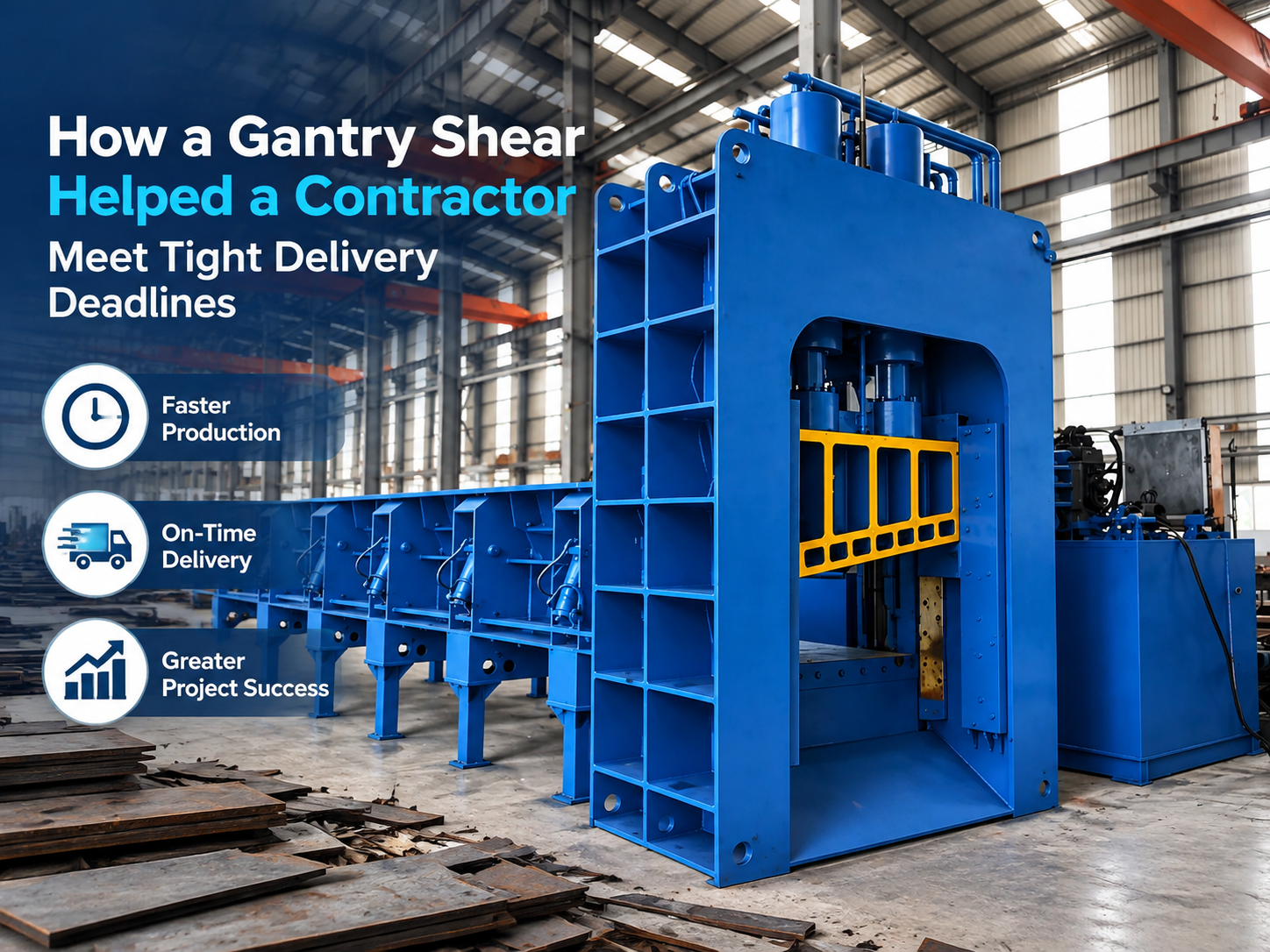
The core problem faced by the contractor was a bottleneck in the preparation phase. They were tasked with processing thousands of linear feet of heavy-gauge plate, a task that previously required multiple passes and significant manual handling. As the delivery deadline loomed, the firm realized that their legacy equipment was incapable of meeting the throughput requirements. By investing in a high-capacity gantry shear, they were able to transform their workflow, proving that how a gantry shear helped a contractor meet tight delivery deadlines is a lesson in strategic capital investment.
This article explores the technical advantages, operational shifts, and strategic benefits of implementing gantry shearing technology. We will examine how this specific piece of machinery acts as a force multiplier in high-volume environments, allowing contractors to bid on larger projects with shorter lead times. For those in the metal fabrication industry, understanding the capabilities of these machines is essential for maintaining a competitive edge in an increasingly demanding market.
Key Considerations for High-Volume Shearing
When evaluating the need for a gantry shear, contractors must first analyze their current production bottlenecks. Is the issue the speed of the cut, the material handling time, or the accuracy of the final product? In the case of the contractor mentioned, the primary issue was material handling. Moving large plates between different cutting stations consumed nearly 40% of their total production time. A gantry shear consolidates these processes, allowing for rapid, precise cuts in a single pass.
Another critical consideration is the material thickness and grade. Standard shears often struggle with high-tensile steel or thick plates, leading to blade wear and frequent downtime for maintenance. A robust gantry shear is engineered to handle these stresses, providing consistent force across the entire width of the blade. This reliability is what allows contractors to commit to aggressive delivery schedules without the fear of equipment failure mid-project.
Space optimization is also a key factor. Unlike traditional guillotine shears that might require extensive floor space for material feeding and offloading, modern gantry shears are designed with integrated material handling systems. These systems allow for a linear flow of material, reducing the footprint required for staging and increasing the overall safety of the shop floor by minimizing the need for overhead crane usage during the cutting process.
Finally, the integration of digital controls cannot be overlooked. Modern gantry shears come equipped with CNC interfaces that allow for pre-programmed cutting sequences. This reduces the margin for human error and ensures that every piece cut meets the exact specifications of the project. For a contractor under a tight deadline, the ability to load a job file and begin production immediately is a game-changer that eliminates the setup time associated with manual adjustments.
Technical Details: Why Gantry Shears Outperform
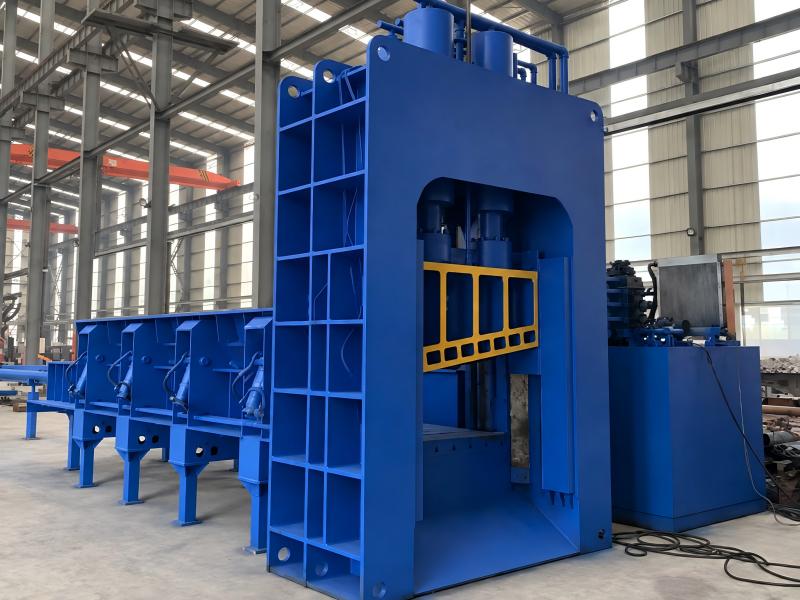
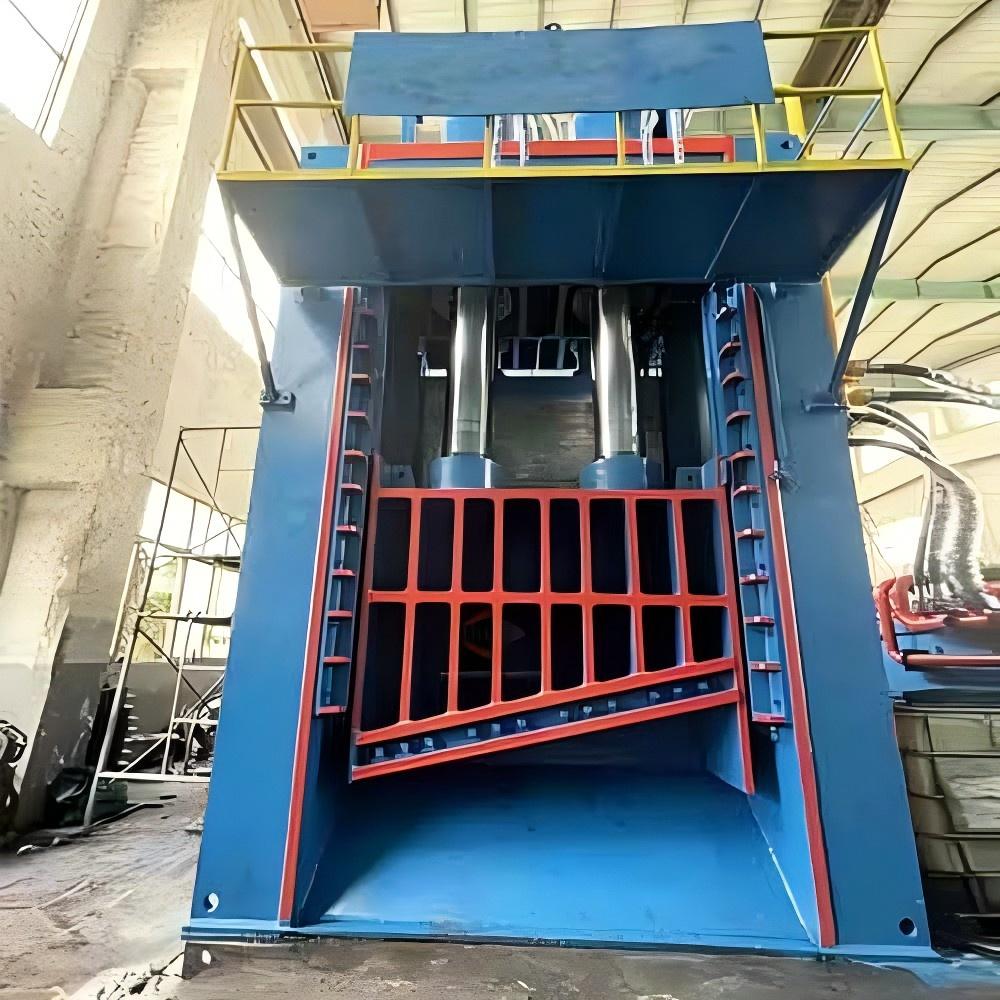
The technical superiority of a gantry shear lies in its structural rigidity and hydraulic power distribution. Unlike standard shears where the blade might flex under heavy loads, a gantry shear features a reinforced bridge structure that maintains perfect alignment throughout the cutting stroke. This rigidity is paramount when working with high-strength alloys where precision is non-negotiable. The hydraulic system is designed to provide constant pressure, ensuring a clean, burr-free cut that requires minimal secondary processing.
Blade geometry is another technical advantage. The rake angle on a gantry shear is optimized to reduce the force required to penetrate the material, which in turn extends the life of the blades and reduces the load on the hydraulic pump. This design choice is critical for contractors who need to run their machines for multiple shifts without constant maintenance interruptions. By reducing the energy required per cut, the machine operates cooler and more efficiently over long periods.
The material clamping system is perhaps the most significant technical feature for productivity. High-performance gantry shears utilize a series of independent hydraulic clamps that secure the plate firmly across its entire length before the blade makes contact. This prevents material slippage and ensures that the cut remains square, even if the plate is slightly warped or uneven. This level of control is what allows a contractor to process raw stock directly from the yard with minimal preparation.
Furthermore, the automation capabilities of these machines allow for integration with automated loading and unloading tables. When a contractor can automate the feeding process, the operator’s role shifts from manual labor to process monitoring. This transition not only increases the speed of production but also significantly improves the safety profile of the facility. By removing workers from the immediate vicinity of the cutting zone, the contractor can maintain a high-speed workflow without compromising on safety standards.
Selection Advice: Choosing the Right Equipment
Selecting the right gantry shear requires a thorough audit of your current and projected project requirements. Do not simply buy for your current needs; consider the types of projects you intend to bid on in the next three to five years. If your goal is to expand into heavier structural steel or larger plate fabrication, investing in a machine with a higher tonnage capacity now will save you from having to upgrade prematurely later.
Consider the manufacturer’s support and parts availability. A machine is only as good as the service behind it. When a contractor is under a tight deadline, a two-week wait for a replacement blade or a hydraulic seal can be catastrophic. HARSLE and other reputable manufacturers provide comprehensive support networks, ensuring that maintenance and repairs can be performed quickly. Always prioritize brands that offer local technician support and a robust inventory of spare parts.
Evaluate the software compatibility of the machine. In today’s digital fabrication environment, your shear should be able to communicate with your CAD/CAM software. The ability to import DXF or DWG files directly into the machine’s controller eliminates the need for manual programming and reduces the risk of data entry errors. This seamless integration is a key component of how a gantry shear helped a contractor meet tight delivery deadlines by streamlining the transition from design to production.
Finally, look for energy efficiency and environmental impact. Modern hydraulic systems are designed to be more energy-efficient, using variable frequency drives (VFDs) to match power consumption to the actual cutting load. This not only lowers your operating costs but also aligns your business with modern sustainability standards, which is increasingly important for winning government and large-scale commercial contracts.
FAQ: Common Questions About Gantry Shears
- What is the primary difference between a guillotine shear and a gantry shear? A gantry shear is designed for larger, heavier plates and often features a more robust, bridge-like structure that provides superior stability and precision for thick materials compared to a standard guillotine shear.
- How does a gantry shear improve production speed? It improves speed through automated material handling, faster cycle times, and the ability to process multiple pieces or larger plates in a single, continuous operation without frequent manual adjustments.
- Can a gantry shear handle different types of metal? Yes, most gantry shears are versatile and can be adjusted to cut various grades of steel, aluminum, and other alloys by modifying the blade clearance and hydraulic pressure settings.
- What maintenance is required for a gantry shear? Regular maintenance includes checking hydraulic fluid levels, inspecting blade sharpness, lubricating moving parts, and ensuring the CNC control system is updated and calibrated.
- Is it difficult to train operators on a gantry shear? While the machines are sophisticated, modern CNC interfaces are designed to be user-friendly. Most operators can become proficient with the system after a short period of intensive training.
Conclusion: Investing in Future Success
The story of how a gantry shear helped a contractor meet tight delivery deadlines is not just about a single machine; it is about the strategic decision to prioritize efficiency and reliability. By replacing outdated, manual processes with a high-performance gantry shear, the contractor was able to reduce production time, improve cut quality, and ultimately deliver their project ahead of schedule. This success story serves as a blueprint for other fabrication firms looking to scale their operations and take on more challenging projects.
In the competitive landscape of metal fabrication, the ability to deliver on time is the ultimate differentiator. As projects become more complex and timelines continue to shrink, the reliance on advanced machinery like the gantry shear will only increase. By carefully selecting the right equipment, focusing on integration, and maintaining a commitment to quality, contractors can ensure that they are not just meeting deadlines, but setting new standards for excellence in the industry.
If you are considering an upgrade to your fabrication line, remember that the initial investment in high-quality machinery is quickly offset by the gains in productivity and the reduction in operational costs. Whether you are a small shop looking to grow or a large facility aiming to optimize, the gantry shear remains one of the most effective tools for achieving consistent, high-speed results in metal processing.