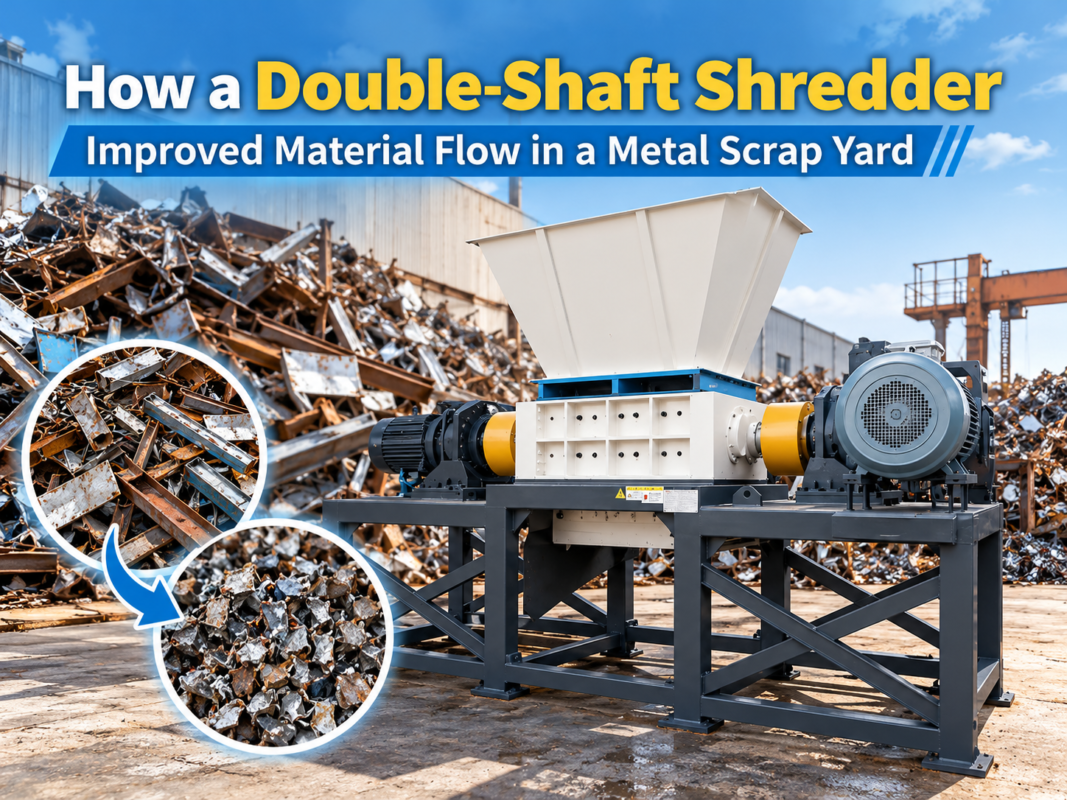
Case Study: Maximizing Throughput in a Steel Yard with a Gantry Shear Machine

Introduction: The Challenge of High-Volume Scrap Processing
In the modern metal recycling and steel yard industry, the ability to process massive volumes of scrap metal efficiently is the primary differentiator between a profitable operation and one struggling with bottlenecks. As global demand for recycled steel continues to rise, steel yards are under constant pressure to increase their throughput while maintaining strict safety and quality standards. This is where the implementation of advanced industrial machinery, specifically the gantry shear, becomes a game-changer.
This article explores a comprehensive Case Study: Maximizing Throughput In A Steel Yard A Gantry Shear Machine. By analyzing the operational shifts observed in a mid-sized steel processing facility, we demonstrate how transitioning from manual or outdated cutting methods to a high-capacity HARSLE gantry shear can fundamentally transform a business’s bottom line. We will examine the technical advantages, the strategic selection process, and the long-term operational benefits of this investment.
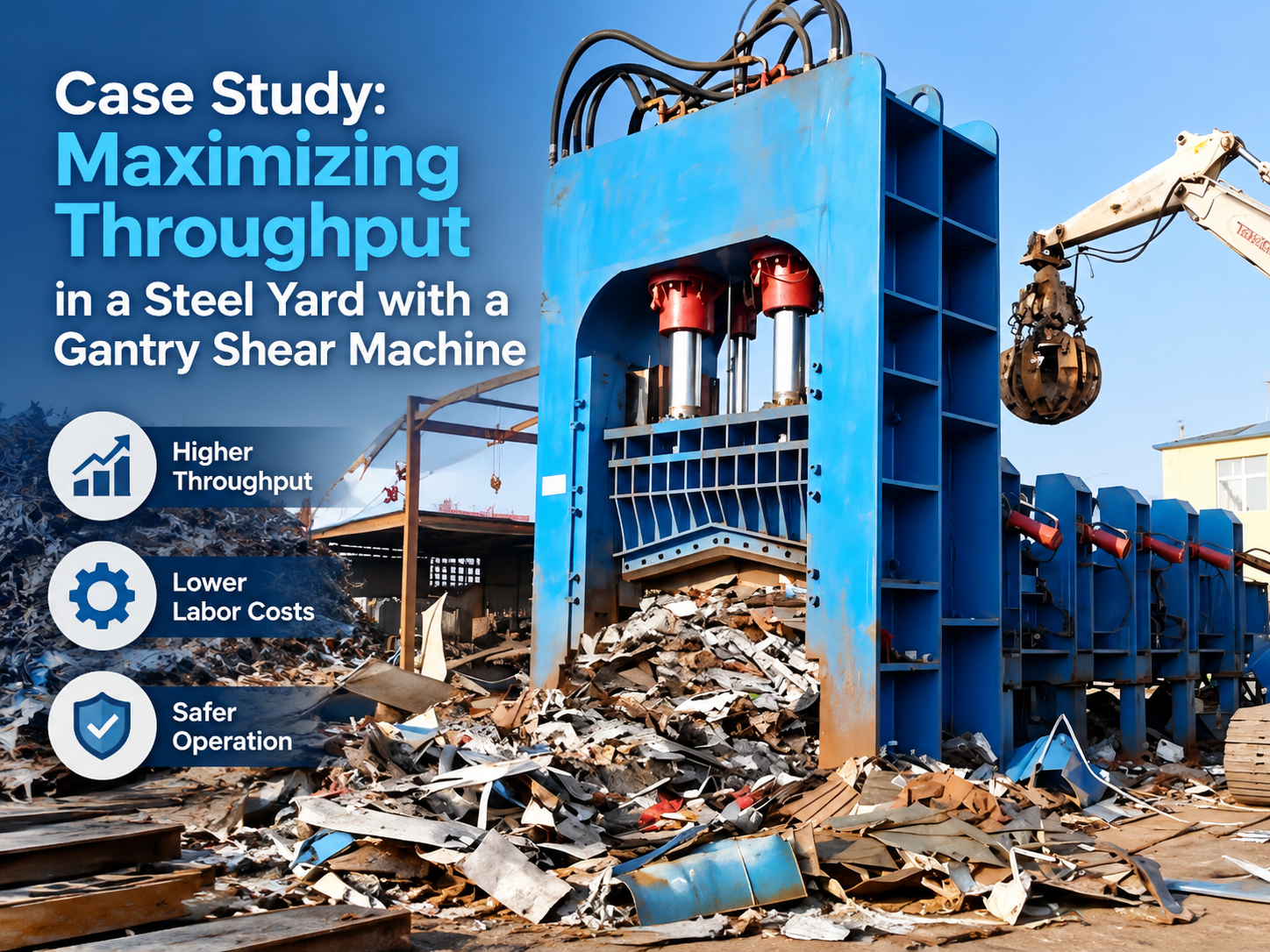
For many facility managers, the primary hurdle is the sheer variety of scrap—ranging from structural steel beams and heavy rebar to oversized industrial machinery components. Without the right equipment, these materials create massive logistical backups. A gantry shear provides the necessary force and versatility to reduce these materials into furnace-ready sizes, effectively clearing the yard and accelerating the turnover of inventory.
Through this case study, we aim to provide a roadmap for facility owners looking to modernize their operations. We will delve into the specific technical parameters that define high-throughput environments and how HARSLE’s engineering solutions address the common pain points of downtime, maintenance, and energy consumption in the scrap metal sector.
Key Considerations for Steel Yard Efficiency
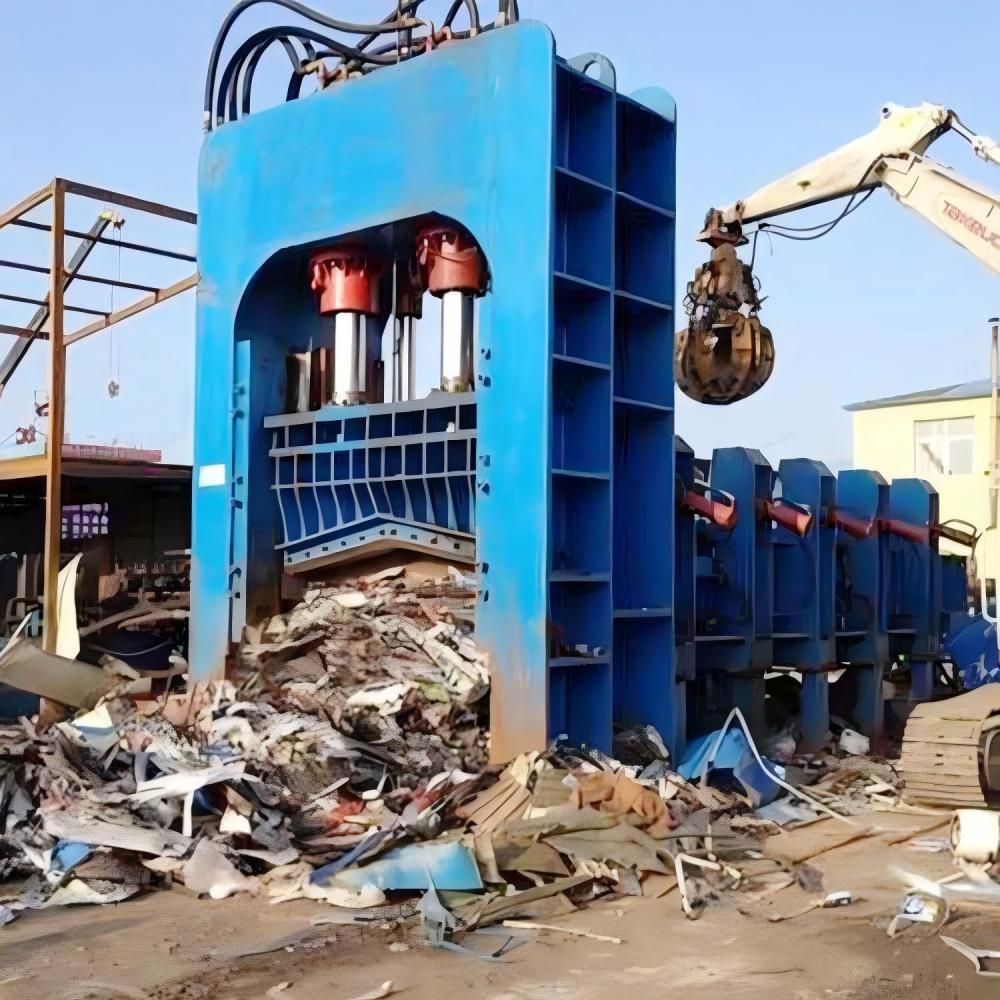
When evaluating the efficiency of a steel yard, throughput is not merely about how fast a machine cuts; it is about the entire workflow. A key consideration is the material handling cycle. If a shear is powerful but the feeding mechanism is slow, the machine remains idle, wasting valuable operational hours. Our case study highlights that the integration of a gantry shear with an efficient crane or conveyor system is essential for maximizing throughput.
Another critical factor is the consistency of the output. Steel mills have strict specifications for the size and density of scrap they accept. If a shear produces irregular pieces, the yard faces rejection fees or the need for secondary processing, both of which are costly. A high-quality gantry shear ensures uniform cutting, which directly impacts the market value of the processed scrap and reduces the time spent on quality control.
Energy efficiency and operational costs are also paramount. In a high-throughput environment, machinery runs for extended periods. Modern hydraulic systems, like those found in HARSLE equipment, are designed to optimize power consumption during the cutting stroke while minimizing energy draw during idle phases. This balance is crucial for maintaining a sustainable profit margin in a volatile commodity market.
Finally, safety and maintenance cannot be overlooked. A steel yard is a high-risk environment. Implementing a gantry shear with advanced safety features—such as light curtains, emergency stop systems, and automated lubrication—reduces the risk of workplace accidents and extends the lifespan of the machine. Reliability is the bedrock of throughput; a machine that requires frequent repairs is a liability that halts production.
Technical Details of HARSLE Gantry Shear Systems
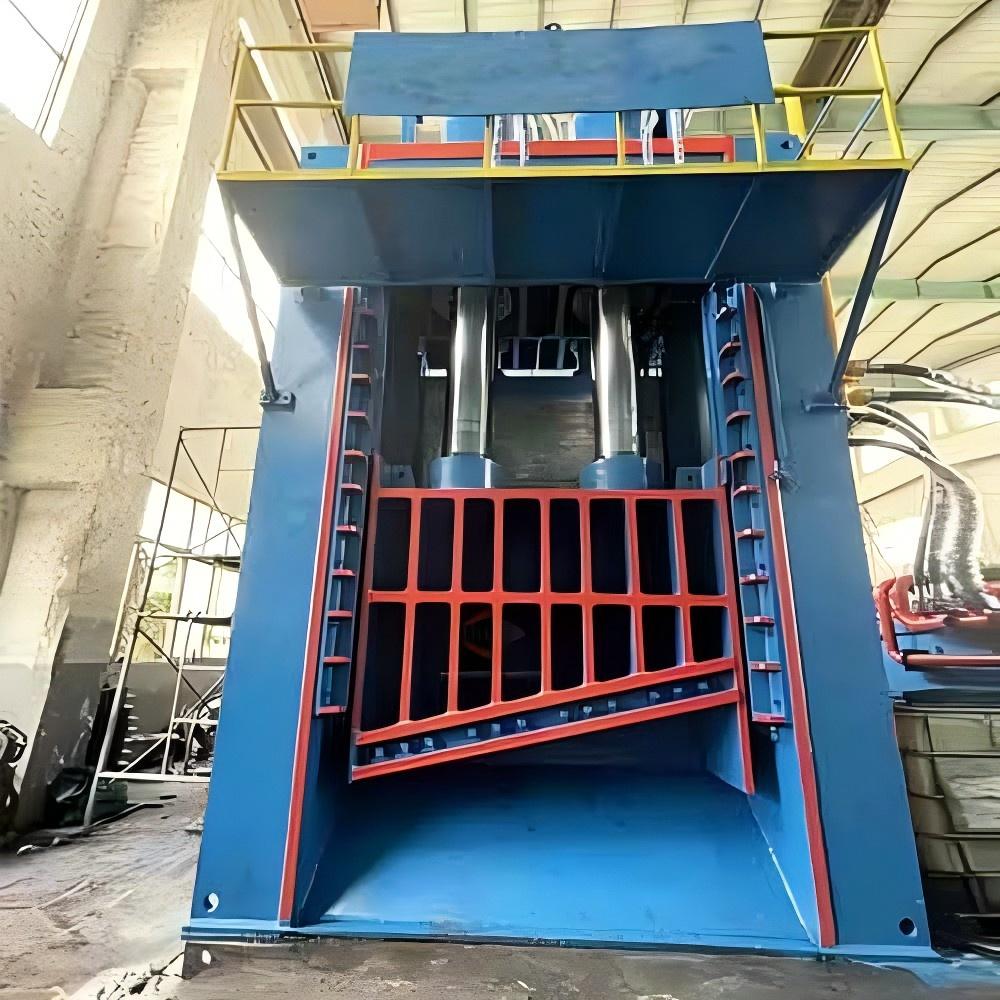
The HARSLE gantry shear is engineered for heavy-duty industrial applications where precision meets raw power. At the core of these machines is a robust hydraulic system capable of delivering immense shearing force, allowing for the clean cutting of thick steel plates, structural profiles, and mixed scrap. The structural integrity of the frame is designed to withstand the high-stress cycles inherent in continuous operation.
One of the standout technical features is the adjustable blade clearance. This allows operators to fine-tune the shear based on the thickness and hardness of the material being processed. By optimizing the clearance, the machine achieves a cleaner cut with less wear on the blades, significantly reducing the frequency of maintenance intervals. This is a critical component in the Case Study: Maximizing Throughput In A Steel Yard A Gantry Shear Machine, as it minimizes downtime for blade sharpening or replacement.
The control interface is another area where HARSLE excels. Modern gantry shears are equipped with PLC-based control systems that allow for automated cycle programming. Operators can set specific cut lengths and frequencies, ensuring that the machine operates at peak efficiency without constant manual intervention. This automation reduces human error and ensures that the output remains consistent throughout the shift.
Furthermore, the hydraulic cooling and filtration systems are designed for 24/7 operation. In high-heat environments, hydraulic fluid degradation is a common cause of machine failure. HARSLE’s integrated cooling systems maintain optimal operating temperatures, ensuring that the hydraulic pressure remains stable and the machine maintains its cutting force even during the most demanding production cycles.
Strategic Selection Advice for Metal Fabrication Equipment
Selecting the right gantry shear is a significant capital investment that requires careful analysis of your yard’s specific needs. The first step is to conduct a thorough audit of your current scrap stream. Are you processing mostly light-gauge sheet metal, or are you dealing with heavy structural steel? The shear force (measured in tons) must be matched to the thickest material you intend to process regularly to avoid overloading the system.
Consider the physical footprint of the machine. A gantry shear requires a stable, reinforced concrete foundation to handle the vibration and weight. Before purchasing, ensure that your yard layout allows for efficient material flow—the scrap should move from the storage pile to the shear and then to the loading area with minimal cross-traffic. A well-planned layout is just as important as the machine itself for maximizing throughput.
Another factor is the availability of spare parts and technical support. In the scrap industry, every hour of downtime translates to lost revenue. Choosing a manufacturer like HARSLE, which offers comprehensive after-sales support, remote diagnostics, and a readily available inventory of wear parts, provides peace of mind and ensures that your machine remains operational for years to come.
Finally, look for scalability. As your business grows, your processing needs may change. Opting for a machine that offers modular upgrades or is part of a larger, compatible product ecosystem allows you to expand your capabilities without needing to replace your entire fleet. Investing in a machine that is slightly over-specified for your current needs is often a wiser financial decision than buying a machine that will be at its limit from day one.
Domande frequenti (FAQ)
What is the primary benefit of a gantry shear over a traditional alligator shear?
A gantry shear offers significantly higher cutting force and a larger throat opening, allowing it to process much larger and thicker pieces of scrap in a single stroke. This leads to higher throughput and more consistent, furnace-ready output compared to the limited capacity of alligator shears.
How often should the blades of a gantry shear be maintained?
Maintenance frequency depends on the volume and type of material processed. However, with regular lubrication and proper blade clearance adjustments, HARSLE shears are designed to minimize downtime. We recommend a daily inspection of the blades and a scheduled maintenance check every 500 operating hours.
Can a gantry shear be integrated into an automated sorting line?
Yes, HARSLE gantry shears are designed with integration in mind. They can be synchronized with conveyor systems and automated sorting equipment to create a fully automated scrap processing line, which is the gold standard for maximizing throughput in modern steel yards.
What foundation requirements are necessary for a HARSLE gantry shear?
Due to the high shearing forces and the weight of the machine, a reinforced concrete foundation is mandatory. HARSLE provides detailed foundation drawings and specifications tailored to each model to ensure the stability and longevity of the installation.
Conclusion: Driving Future Growth
The Case Study: Maximizing Throughput In A Steel Yard A Gantry Shear Machine clearly illustrates that success in the scrap metal industry is not just about hard work; it is about smart investment. By integrating a high-performance HARSLE gantry shear, steel yards can overcome the physical limitations of manual processing, improve the quality of their output, and significantly increase their daily throughput.
As we have explored, the combination of robust hydraulic engineering, automated control systems, and strategic yard planning creates a powerful synergy that drives profitability. Whether you are looking to replace aging equipment or scale up your operations to meet new market demands, the gantry shear stands as a cornerstone of modern metal fabrication equipment.
HARSLE remains committed to providing the industrial machinery necessary to keep your business at the forefront of the recycling sector. By focusing on durability, efficiency, and technological innovation, we help our clients turn their scrap yards into high-efficiency processing hubs. If you are ready to maximize your throughput and streamline your operations, it is time to consider the impact that a professional-grade gantry shear can have on your bottom line.