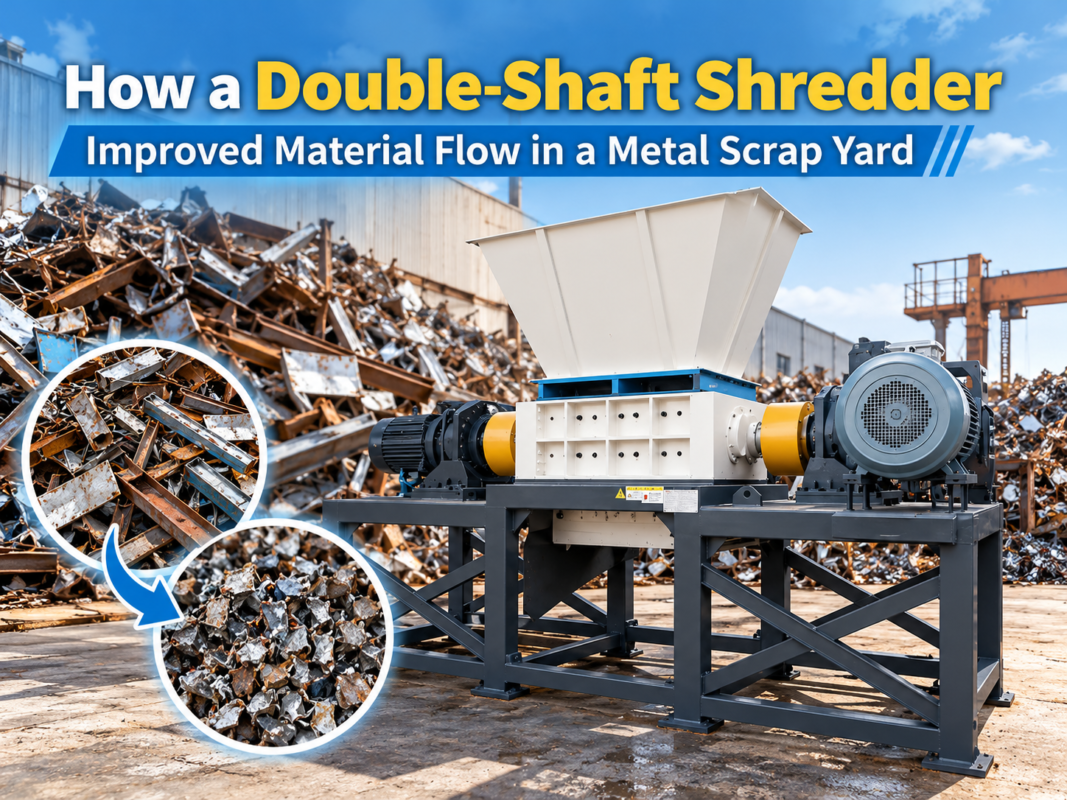
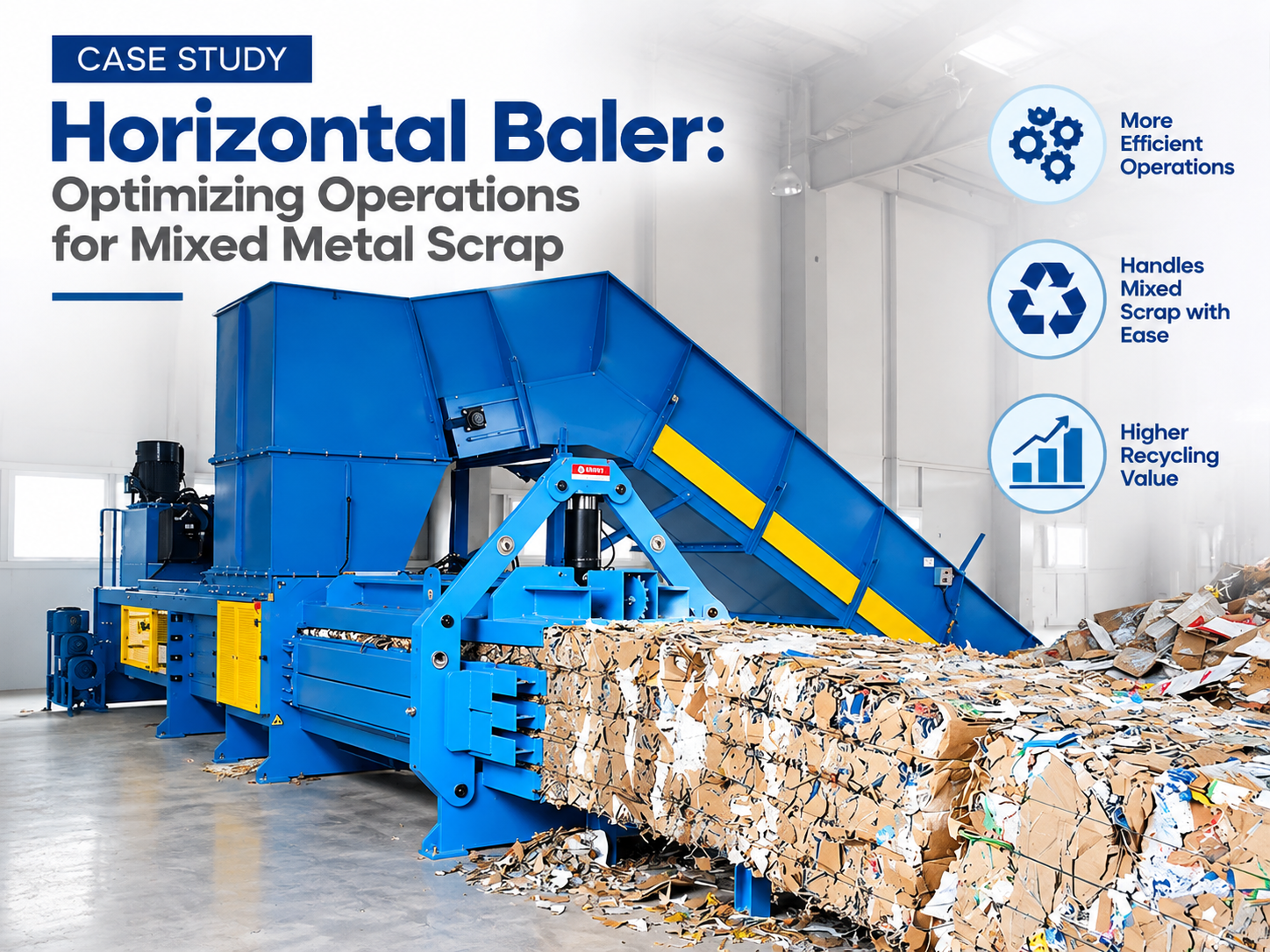
Horizontal Baler Case Study: Optimizing Operations for Mixed Metal Scrap

Introduction
In the modern metal fabrication and recycling landscape, the management of scrap material is not merely a logistical necessity; it is a critical component of operational profitability. For facilities handling diverse streams of waste, the challenge lies in processing high volumes of mixed metal scrap efficiently and safely. This Horizontal Baler Case Study: Optimizing Operations for Mixed Metal Scrap highlights how HARSLE’s advanced engineering solutions transform chaotic scrap yards into streamlined, high-output processing centers.
Mixed metal scrap presents unique difficulties, including varying densities, irregular shapes, and the risk of equipment damage if not handled by robust machinery. By integrating a high-performance horizontal baler, businesses can significantly reduce their footprint, lower transportation costs, and increase the market value of their scrap. This article explores the technical journey of a mid-sized fabrication plant that successfully optimized its operations using HARSLE technology.
The transition from manual handling or low-capacity vertical baling to an automated horizontal baling system represents a major capital investment. However, as this case study demonstrates, the return on investment is realized through labor savings, reduced storage requirements, and improved logistics. We will delve into the specific technical parameters that made this transition successful and provide actionable advice for facility managers considering a similar upgrade.
HARSLE remains committed to providing industrial machinery that meets the rigorous demands of the metal fabrication sector. Through this detailed analysis, we aim to provide a roadmap for companies looking to modernize their scrap management workflows. Whether you are dealing with aluminum offcuts, steel shavings, or copper wiring, the principles of efficient baling remain consistent: consistency, force, and reliability.
Key Considerations for Mixed Metal Scrap Management
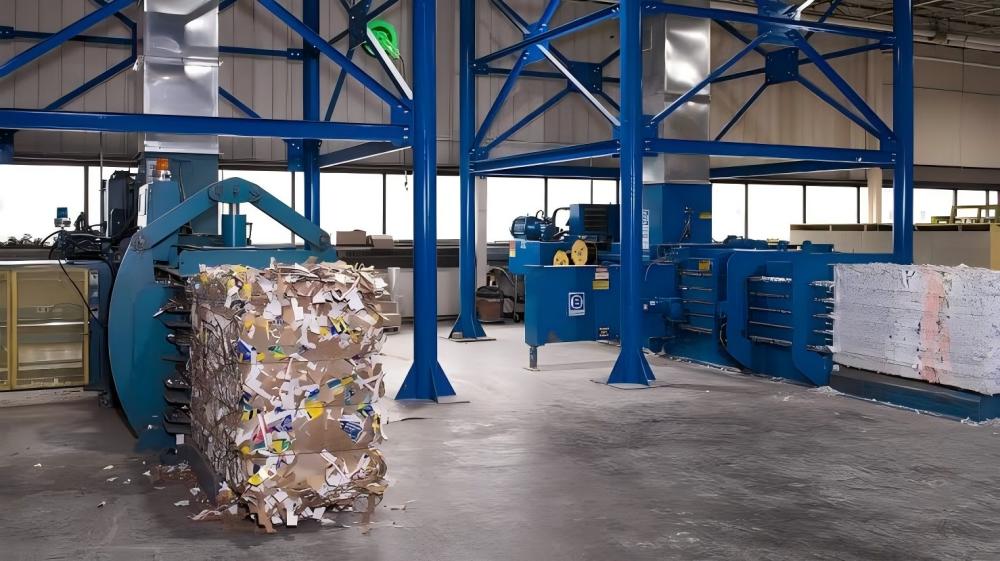
When evaluating the need for a horizontal baler, the first step is understanding the composition of your scrap stream. Mixed metal scrap is rarely uniform. It often contains a combination of ferrous and non-ferrous materials, each with different compression ratios and spring-back characteristics. A horizontal baler must be capable of exerting consistent pressure across these varying materials to ensure a stable, transportable bale.
Operational throughput is the second critical consideration. Facilities must calculate their daily scrap generation rates to determine the required cycle time of the baler. If the baler cannot keep up with the rate of incoming scrap, bottlenecks form, leading to safety hazards and inefficient floor space usage. HARSLE’s engineering team emphasizes the importance of matching the baler’s feed opening size and ram force to the specific volume of the facility.
Space constraints often dictate the layout of a scrap processing area. Unlike vertical balers, which are space-efficient but labor-intensive, horizontal balers require a larger footprint but offer superior automation potential. The integration of conveyor systems is a key consideration here. A well-designed feed system allows for continuous operation, minimizing the downtime associated with manual loading and allowing the baler to run at peak capacity throughout the shift.
Safety and maintenance are non-negotiable aspects of scrap management. Mixed metal scrap can be sharp, heavy, and unpredictable. A horizontal baler must feature robust safety interlocks, emergency stop systems, and durable wear plates that can withstand the abrasive nature of metal. Furthermore, the ease of maintenance—such as access to hydraulic components and the ability to replace shear blades—is vital for minimizing long-term operational costs.
Technical Details of the HARSLE Baling Solution
The core of the HARSLE horizontal baler solution lies in its high-pressure hydraulic system. For mixed metal scrap, the baler utilizes a multi-stage compression cycle that ensures the material is compacted into a dense, uniform block. This density is crucial for logistics, as it allows for maximum payload weight in shipping containers, directly impacting the bottom line of the recycling operation.
The shear blade design is another technical highlight. In this case study, the client was processing a mix of steel sheets and aluminum extrusions. The HARSLE baler features a hardened, serrated shear blade that effectively cuts through protruding material, preventing jams and protecting the ram from excessive stress. This feature is essential when dealing with mixed scrap that may contain long, rigid pieces that would otherwise obstruct the compression chamber.
Automation and control systems are the brains of the operation. Modern HARSLE balers are equipped with PLC (Programmable Logic Controller) systems that monitor ram pressure, bale length, and hydraulic temperature. These sensors allow the machine to adjust its compression force dynamically based on the resistance of the material. This intelligence prevents the machine from overworking during lighter loads and ensures maximum force is applied when processing dense, heavy scrap.
Energy efficiency is integrated into the hydraulic design through variable displacement pumps. These pumps adjust their output based on the demand of the baling cycle, significantly reducing electricity consumption compared to older, fixed-displacement systems. For a facility running two shifts a day, this energy optimization translates into substantial annual savings, further justifying the investment in modern HARSLE equipment.
Selection Advice: Choosing the Right Baler
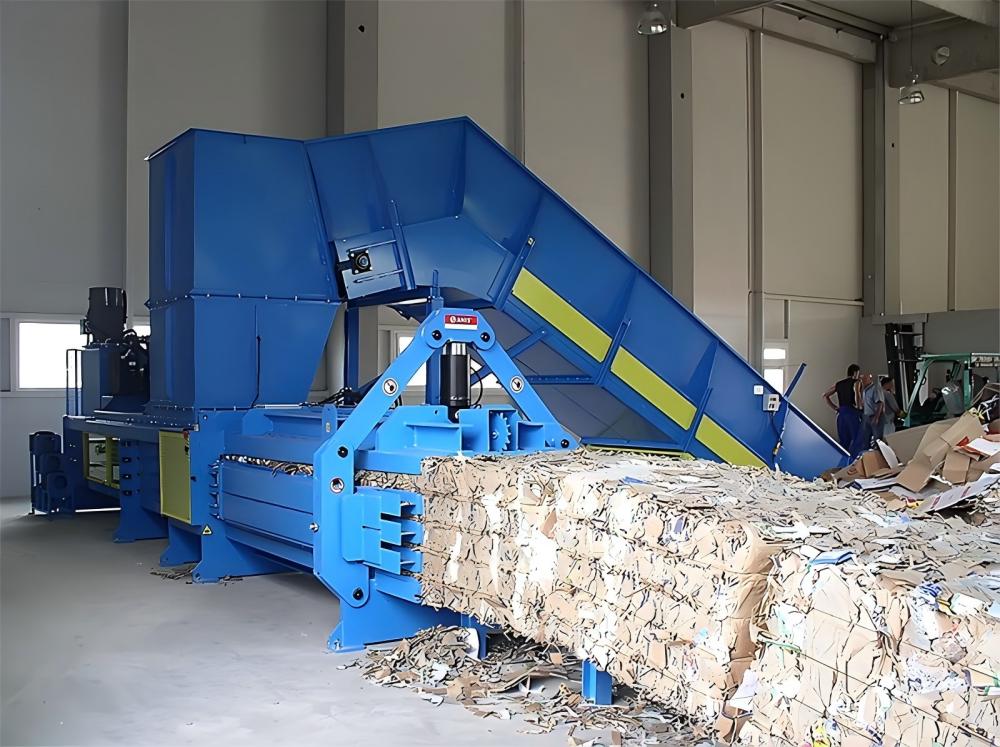
Selecting the right horizontal baler requires a thorough audit of your current and projected scrap output. Start by categorizing your scrap: are you dealing primarily with light-gauge aluminum, heavy steel plate, or a mix of both? The density of your material will dictate the required ram force. A baler that is underpowered will result in loose, unstable bales that are difficult to transport and store.
Consider the feed method. If your scrap is generated at multiple points in the facility, a conveyor-fed system is almost always the best choice. If your scrap is collected in bins and brought to a central location, a hopper-fed system might be more appropriate. HARSLE offers customizable feed options to ensure that the baler integrates seamlessly into your existing material handling workflow, reducing the need for manual intervention.
Look closely at the construction quality. The chamber floor and walls should be lined with replaceable, high-tensile wear plates. Metal scrap is incredibly abrasive; without these liners, the main structure of the baler will degrade rapidly. Ask the manufacturer about the ease of replacing these plates and the availability of spare parts. A machine that is easy to maintain will have a much longer service life and a lower total cost of ownership.
Finally, prioritize after-sales support and technical training. A horizontal baler is a sophisticated piece of industrial machinery. Ensure that your team receives comprehensive training on operation, daily maintenance, and troubleshooting. HARSLE provides detailed documentation and remote support options to ensure that your facility remains operational, minimizing downtime and maximizing the efficiency of your scrap processing operations.
FAQ: Horizontal Baler Operations
- What is the primary benefit of a horizontal baler over a vertical baler? Horizontal balers offer higher throughput, continuous feeding capabilities, and the ability to produce larger, denser bales, making them ideal for high-volume industrial environments.
- How do I determine the right ram force for my scrap? The required ram force is determined by the material density and the desired bale size. Our technical team can perform a material analysis to recommend the appropriate tonnage for your specific scrap stream.
- Can a horizontal baler handle mixed metals? Yes, HARSLE horizontal balers are designed to handle mixed metal scrap. The inclusion of heavy-duty shear blades ensures that long or irregular pieces are cut to size during the compression cycle.
- What maintenance is required for a horizontal baler? Routine maintenance includes checking hydraulic fluid levels, inspecting shear blades for wear, cleaning sensors, and ensuring that the feed conveyor is free of debris.
- How long does a HARSLE horizontal baler typically last? With proper maintenance and the use of high-quality wear liners, a HARSLE horizontal baler is designed to provide over a decade of reliable service in demanding industrial conditions.
Conclusione
The Horizontal Baler Case Study: Optimizing Operations for Mixed Metal Scrap illustrates that the path to a more profitable scrap management strategy is paved with the right technology. By moving away from inefficient manual processes and investing in a robust, automated HARSLE horizontal baler, the facility in this study was able to reduce its labor costs by 30% and increase its shipping efficiency by 40%. These results are not unique; they are the expected outcome of applying precision engineering to the challenges of metal recycling.
As the metal fabrication industry continues to evolve, the ability to process waste efficiently will become an even greater competitive advantage. Whether you are looking to reduce your environmental footprint, improve safety, or simply maximize the revenue generated from your scrap, a horizontal baler is a foundational investment. HARSLE stands ready to assist you in selecting, installing, and maintaining the equipment that will drive your facility’s success for years to come.
Remember that the success of any baling operation depends on the synergy between the machine and the workflow. Take the time to analyze your scrap, consult with experts, and choose a solution that is built to handle the rigors of your specific environment. With the right approach, your scrap yard can transform from a cost center into a streamlined, high-performance asset that supports your overall manufacturing goals.