Solving Overflowing Scrap Bins with a Horizontal Baler Installation: A Comprehensive Guide

Introduction: The Hidden Cost of Scrap Management
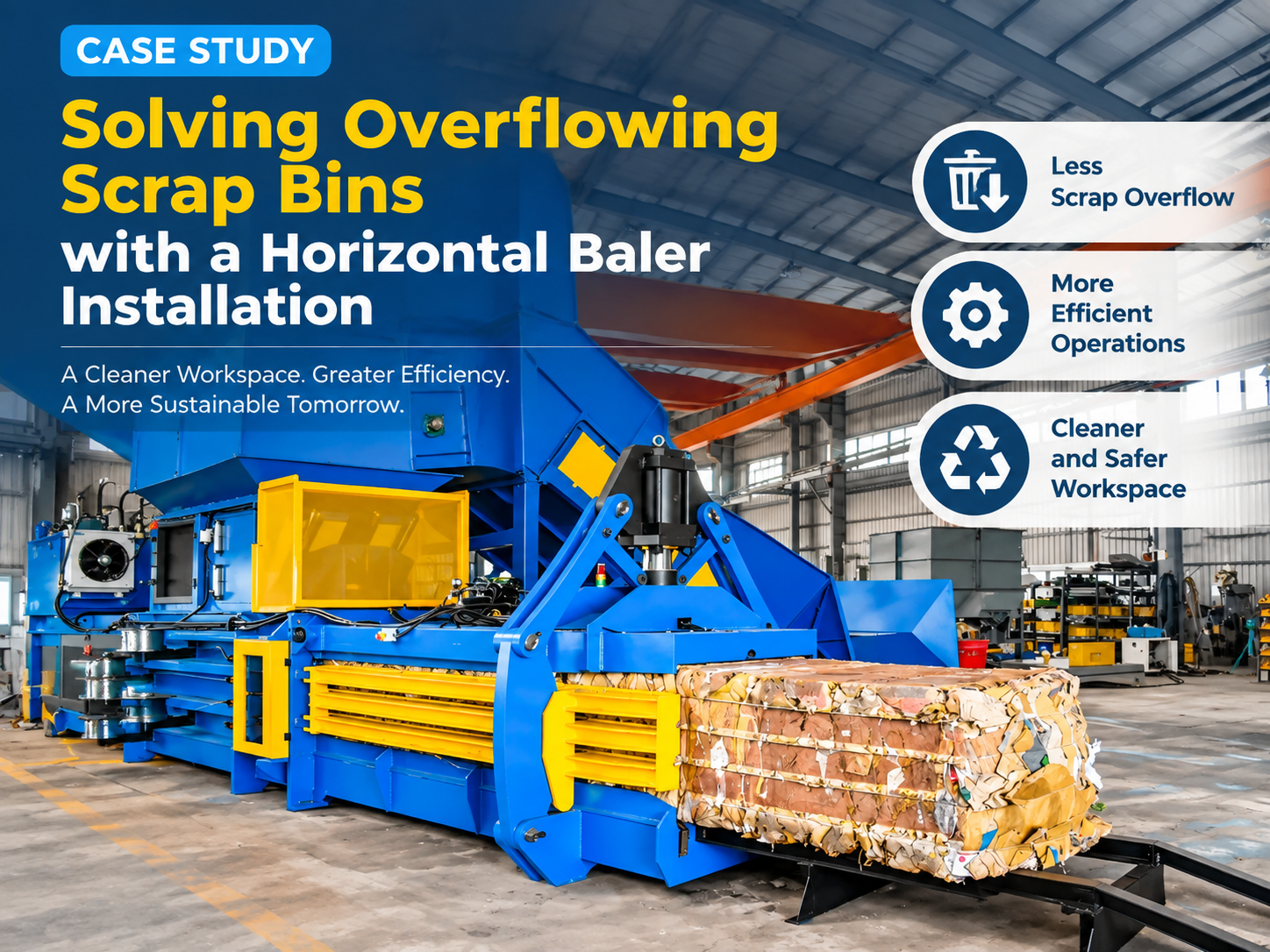
In the high-paced world of metal fabrication, efficiency is often measured by output speed, precision, and material utilization. However, one of the most overlooked bottlenecks in any production facility is the management of byproduct waste. When your shop floor is cluttered with overflowing scrap bins, it isn’t just an aesthetic issue; it is a significant operational liability. Solving overflowing scrap bins with a horizontal baler installation is a transformative strategy that turns a logistical nightmare into a streamlined, revenue-generating process.
HARSLE understands that metal fabrication equipment must work in harmony with your facility’s workflow. When scrap metal—whether it be aluminum offcuts, steel shavings, or copper wiring—accumulates faster than it can be hauled away, your team loses valuable floor space. This congestion leads to safety hazards, increased labor costs for manual handling, and a decrease in overall production throughput. By integrating a horizontal baler, you effectively compress this waste into dense, manageable bales that are easier to store, transport, and sell to recycling centers.
The process of solving overflowing scrap bins with a horizontal baler installation involves more than just purchasing a machine; it requires a strategic assessment of your waste volume and material types. A horizontal baler acts as the central hub of your waste management system, allowing for continuous feeding and automated processing. This article explores the technical, operational, and financial benefits of upgrading your facility’s scrap handling capabilities with HARSLE’s advanced industrial solutions.
As we delve into the technical specifications and selection criteria, it is important to recognize that a baler is an investment in your facility’s future. By reducing the frequency of waste pickups and maximizing the value of your scrap, you are not only cleaning up your shop floor but also improving your bottom line. Let’s explore how to transition from a chaotic, bin-heavy environment to a clean, automated baling system.
Key Considerations for Waste Management Optimization
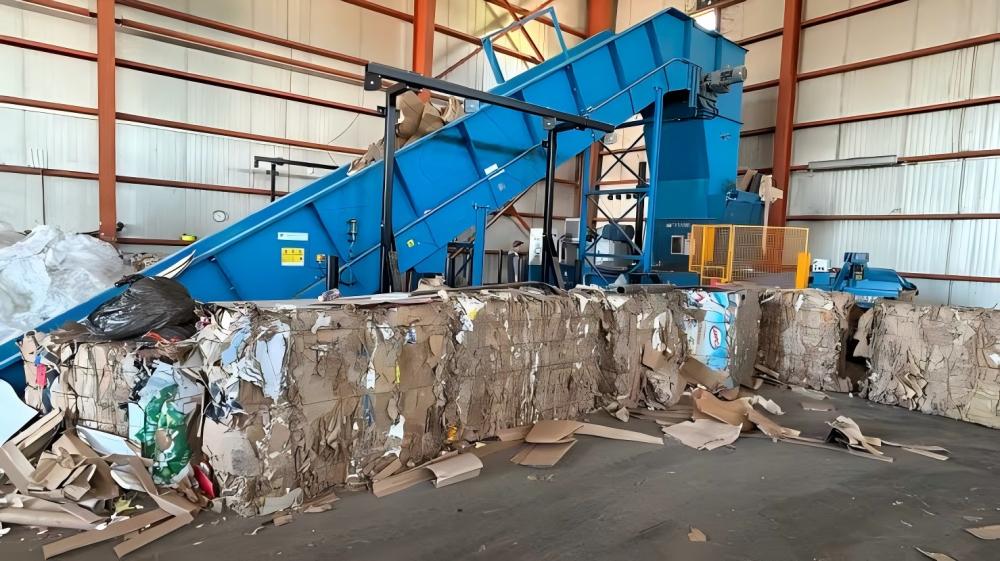
Before committing to a specific model, facility managers must evaluate their current waste generation patterns. Solving overflowing scrap bins with a horizontal baler installation starts with a waste audit. How many bins are you filling per shift? What is the average weight and density of your scrap? Are you dealing with long, stringy turnings or small, dense offcuts? These factors dictate the required force and chamber size of your baler.
Safety is a paramount consideration in any metal fabrication environment. Overflowing bins often lead to tripping hazards, sharp edges protruding into walkways, and the risk of heavy bins tipping over during manual transport. A horizontal baler centralizes the waste stream, removing the need for scattered bins throughout the production area. By consolidating waste at the source or at a designated collection point, you significantly reduce the risk of workplace accidents and improve the overall flow of traffic for forklifts and personnel.
Logistics and space utilization are equally critical. In many shops, the cost of floor space is high. If your scrap bins are taking up valuable square footage that could be used for additional press brakes or CNC machines, you are losing money every day. A horizontal baler allows you to stack dense bales vertically or move them to a dedicated outdoor storage area, freeing up your production floor for revenue-generating activities. This shift in space management is a key component of lean manufacturing principles.
Finally, consider the environmental and financial impact of your scrap. Loose scrap is bulky and expensive to transport, as you are essentially paying to ship air. Recyclers often pay a premium for high-density, uniform bales because they are easier to melt down and process. By baling your scrap, you are not only solving the problem of overflowing bins but also increasing the market value of your waste, turning a disposal cost into a potential revenue stream.
Technical Details: How Horizontal Balers Transform Scrap
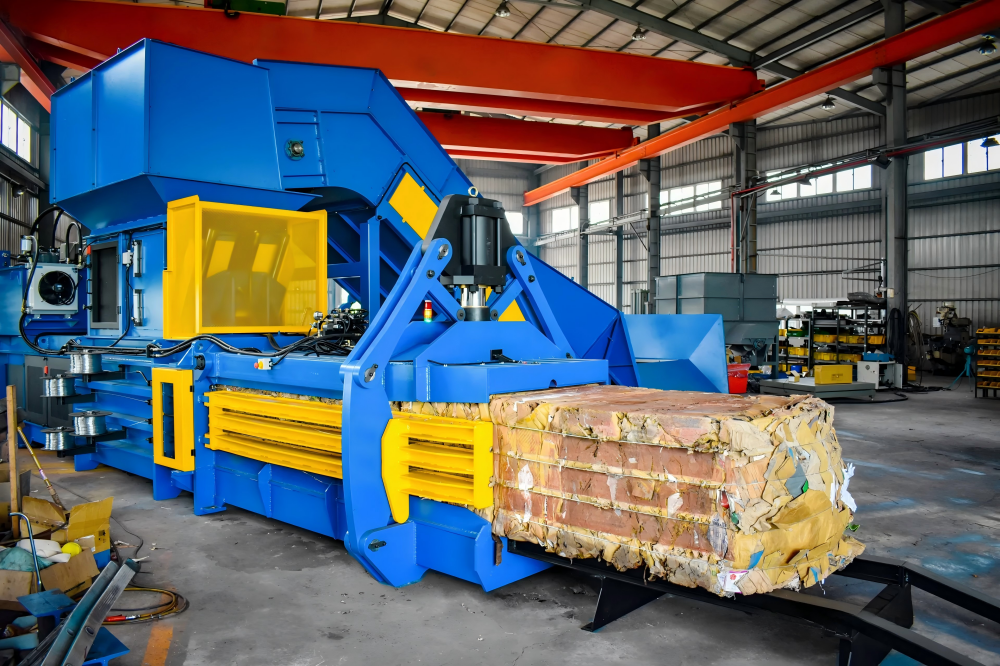
The technical superiority of a horizontal baler lies in its continuous operation and high-pressure hydraulic system. Unlike vertical balers, which require manual loading and intermittent cycles, horizontal balers are designed for high-volume throughput. They feature a large feed opening that can be integrated with conveyor belts or pneumatic scrap removal systems, allowing for a seamless transition from the production line directly into the baling chamber.
At the heart of the machine is a powerful hydraulic ram. When the chamber reaches a predetermined level of scrap, the ram cycles forward, compressing the material against a resistance gate. This process is repeated until a full-sized bale is formed. HARSLE’s horizontal balers utilize advanced PLC (Programmable Logic Controller) systems to monitor pressure and cycle times, ensuring that every bale is consistent in size and density, which is essential for meeting the requirements of metal recyclers.
Material handling is another technical advantage. Many horizontal balers come equipped with shear blades that cut through oversized scrap, preventing jams and ensuring the machine can handle a variety of metal shapes. This feature is crucial for shops that produce long, awkward offcuts that would otherwise require manual cutting before disposal. The ability to process diverse materials—from thin-gauge sheet metal to heavy-duty steel plate—makes the horizontal baler a versatile asset for any fabrication shop.
Maintenance and durability are built into the design. Because these machines operate under extreme pressure, they are constructed with reinforced steel chambers and wear-resistant liners. HARSLE emphasizes ease of maintenance, with accessible hydraulic components and intuitive diagnostic interfaces. Regular maintenance, such as checking hydraulic fluid levels and inspecting the ram face for wear, ensures that the baler remains a reliable part of your production line for years to come.
Selection Advice: Choosing the Right Baler for Your Shop
When you are in the process of solving overflowing scrap bins with a horizontal baler installation, the selection process is critical. Start by calculating your daily scrap volume in cubic meters or tons. A small job shop will have vastly different requirements than a high-volume automotive parts manufacturer. HARSLE offers a range of balers, from semi-automatic models for moderate volumes to fully automatic, high-speed systems for industrial-scale operations.
Consider the feed method. If your scrap is generated by multiple machines, a conveyor system feeding into a central horizontal baler is the most efficient setup. If your scrap is generated in one specific area, a direct-feed hopper might be sufficient. Think about the physical dimensions of your scrap. If you are dealing with long, thin strips, you need a baler with a wide feed opening to prevent bridging. If you are dealing with heavy, dense chunks, you need a machine with high compaction force to ensure the bale holds its shape.
Another factor is the bale size and weight. Check with your local metal recycler to see what bale dimensions they prefer. Many recyclers have specific requirements for bale size to fit their transport trucks or furnace charging equipment. By aligning your baler’s output with the recycler’s needs, you can often negotiate better pricing for your scrap. HARSLE’s sales engineers can assist in matching your production output with the ideal baler configuration to maximize these benefits.
Don’t forget to evaluate the power requirements and installation footprint. Horizontal balers require a stable, reinforced concrete pad to handle the weight and vibration of the machine. Ensure that your facility has the necessary electrical capacity to support the hydraulic motor. Planning the installation layout—including space for bale storage and forklift access—is just as important as choosing the machine itself. A well-planned installation will minimize downtime and maximize the efficiency of your scrap handling process.
Case Study: A Transformation in Efficiency
Consider a mid-sized metal fabrication shop that was struggling with the classic problem of overflowing scrap bins. The facility was producing three tons of steel offcuts per week. Their floor was constantly cluttered with bins, and they were paying for three separate waste pickups per week, which was eating into their profit margins. The shop floor was so congested that forklift operators were forced to take long, inefficient routes to avoid scrap piles.
After consulting with HARSLE, the shop decided to implement a horizontal baler installation. They installed a mid-range horizontal baler with an automated conveyor feed. The results were immediate. The scrap bins were removed from the production floor entirely, replaced by a single, centralized collection point. The shop floor became significantly safer, and the production team reported a 15% increase in throughput due to the improved flow of materials.
Financially, the impact was even more impressive. By compressing their scrap into uniform, high-density bales, the shop was able to reduce their waste pickups from three times per week to once every two weeks. Furthermore, the recycler offered a higher price per ton for the baled material compared to the loose scrap. The entire investment in the horizontal baler was recouped within 18 months through a combination of reduced logistics costs and increased scrap revenue.
This case study illustrates that solving overflowing scrap bins with a horizontal baler installation is not just a waste management project; it is a business optimization strategy. By treating scrap as a valuable resource rather than a nuisance, the company was able to improve its operational efficiency and bottom line simultaneously. This is the HARSLE standard for industrial excellence.
FAQ: Common Questions About Horizontal Balers
- Q: How much space does a horizontal baler require?
A: The footprint varies by model, but you must account for the machine itself, the feed system, and space for the operator and forklift access. HARSLE provides detailed layout drawings for every installation. - Q: Can a horizontal baler handle different types of metal?
A: Yes, most horizontal balers are designed to handle a variety of metals, including steel, aluminum, and copper. However, it is important to avoid mixing metals in the same bale to maintain their recycling value. - Q: How often does a horizontal baler need maintenance?
A: Routine maintenance, such as checking hydraulic fluid and cleaning the chamber, should be performed weekly. A comprehensive service check by a technician is recommended every six months to ensure long-term reliability. - Q: Is it difficult to train staff to operate a horizontal baler?
A: Modern horizontal balers are designed with user-friendly interfaces. Most operators can be trained to run the machine safely and effectively in just a few hours. - Q: How do I know if my scrap volume justifies a horizontal baler?
A: If you are spending significant time and money on frequent waste pickups and your floor space is consistently cluttered, a horizontal baler is likely a cost-effective solution. Contact HARSLE for a professional waste audit.
Conclusion: Investing in a Cleaner, More Profitable Future
Solving overflowing scrap bins with a horizontal baler installation is a definitive step toward modernizing your metal fabrication facility. By addressing the root cause of shop floor congestion, you create a safer, more efficient, and more profitable environment. HARSLE is committed to providing the high-quality industrial machinery necessary to make this transition seamless and effective.
The benefits of this investment extend far beyond simple waste management. You are optimizing your floor space, reducing labor costs, improving workplace safety, and increasing the market value of your byproduct. In an industry where margins are tight and competition is fierce, every efficiency gain counts. A horizontal baler is not just a piece of equipment; it is a strategic asset that supports your long-term growth and operational excellence.
As you evaluate your facility’s needs, remember that HARSLE is here to support you at every stage, from the initial waste audit to the final installation and operator training. Don’t let scrap management hold your production back. Take control of your shop floor, maximize your resources, and join the ranks of high-performing fabrication facilities that have successfully optimized their operations with HARSLE’s horizontal baler solutions.
For more information on our range of horizontal balers and to discuss your specific requirements, reach out to our expert team today. Let us help you turn your scrap management challenges into a competitive advantage. The future of your fabrication shop is clean, organized, and highly efficient—start your journey toward that future with a HARSLE horizontal baler installation.