Vertical Baler Case Study: Cutting Scrap Storage Costs for a Small Manufacturing Facility

Introduction
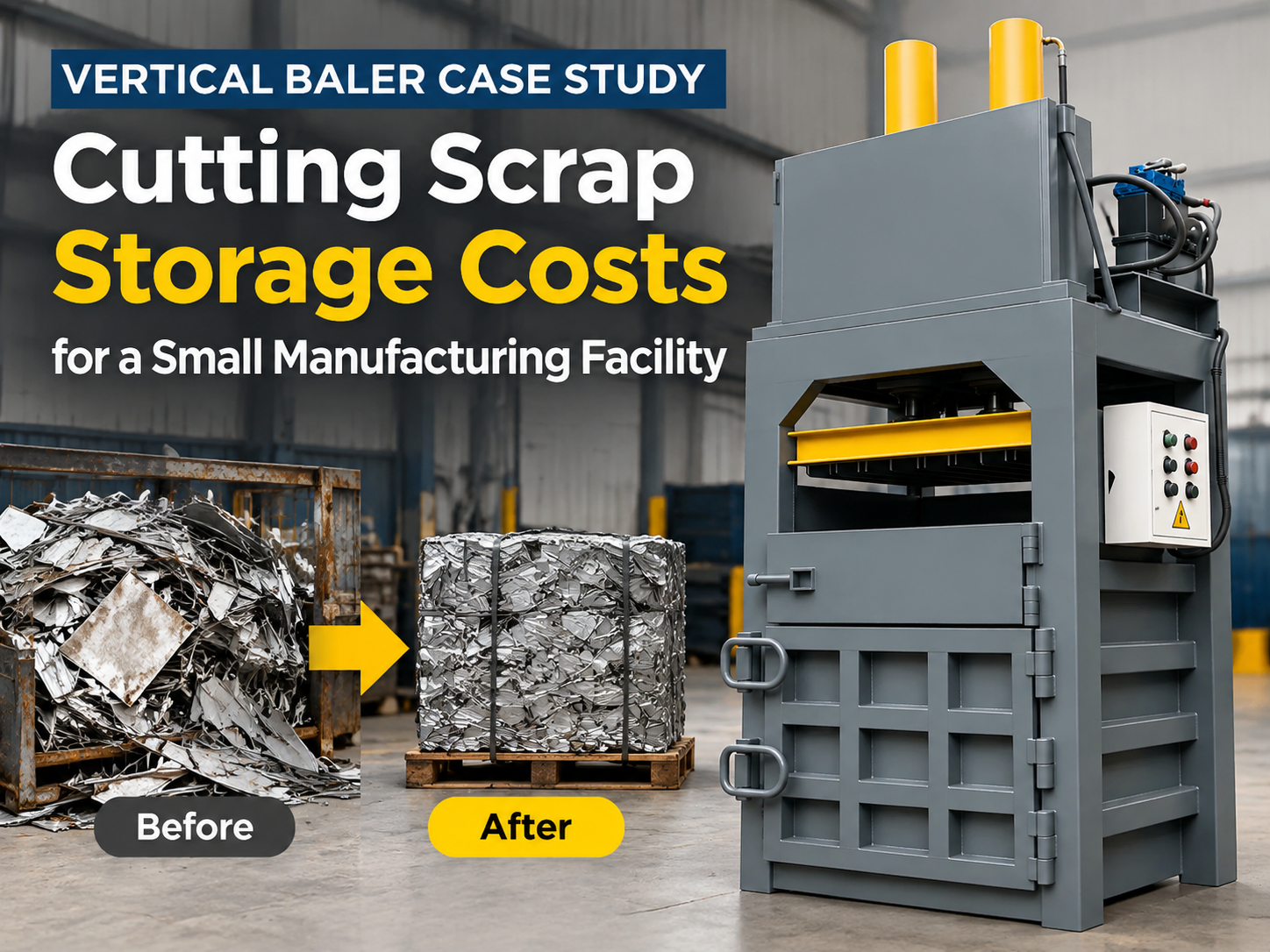
In the competitive landscape of modern metal fabrication, small-to-medium manufacturing facilities often face a silent profit killer: inefficient waste management. As production volumes increase, the accumulation of scrap metal, cardboard, and plastic packaging can quickly overwhelm limited floor space. This Vertical Baler Case Study: Cutting Scrap Storage Costs A Small Manufacturing Facility explores how a mid-sized metal components manufacturer transformed their logistics by integrating HARSLE industrial baling technology.
For many facility managers, scrap is viewed merely as a nuisance—a byproduct that must be hauled away at a cost. However, when scrap is left loose, it occupies valuable square footage, creates safety hazards, and incurs high transportation fees due to the low density of the waste. By implementing a vertical baler, manufacturers can convert this chaotic waste stream into high-density, manageable bales that are easier to store, transport, and sell to recycling centers.
This article provides an in-depth look at the operational challenges faced by a typical fabrication shop and the measurable improvements achieved through the adoption of HARSLE vertical balers. We will examine the technical specifications, the selection process, and the long-term financial impact of this investment, offering a roadmap for other facility owners looking to optimize their floor space and reduce overhead expenses.
Ultimately, the goal of this case study is to demonstrate that waste management is not just a maintenance task, but a strategic component of lean manufacturing. By reducing the footprint of scrap storage, companies can reclaim floor space for additional production machinery, thereby increasing their overall manufacturing capacity without the need for facility expansion.
Key Considerations for Small Manufacturing Facilities
When evaluating the need for a vertical baler, the first step is to conduct a comprehensive audit of your current waste management practices. Many small facilities underestimate the hidden costs associated with loose scrap. These costs include not only the physical space occupied by bins and piles but also the labor hours spent moving, sorting, and managing this waste. Furthermore, frequent pickups by waste management services—often transporting mostly air—lead to inflated logistics costs.
Safety is another critical consideration. Loose scrap metal and packaging materials are significant fire hazards and tripping risks. In a busy fabrication shop, clear aisles are essential for the safe movement of materials and personnel. By consolidating waste into dense bales, a facility can maintain a cleaner, more organized environment, which directly correlates to improved worker morale and reduced workplace accidents.
The environmental impact is also a growing concern for modern manufacturers. Many clients now require their suppliers to demonstrate sustainable practices. By baling scrap, a facility can ensure that materials are properly sorted and prepared for recycling, which increases the likelihood that the scrap will be repurposed rather than sent to a landfill. This aligns with corporate social responsibility goals and can even open doors to new business opportunities.
Finally, the financial return on investment (ROI) must be analyzed. A vertical baler is a capital expenditure, but when compared to the cumulative costs of dumpster rentals, labor for waste handling, and lost production space, the payback period is often surprisingly short. HARSLE balers are engineered to provide long-term reliability, ensuring that the initial investment continues to pay dividends for years to come.
Technical Details of HARSLE Vertical Balers
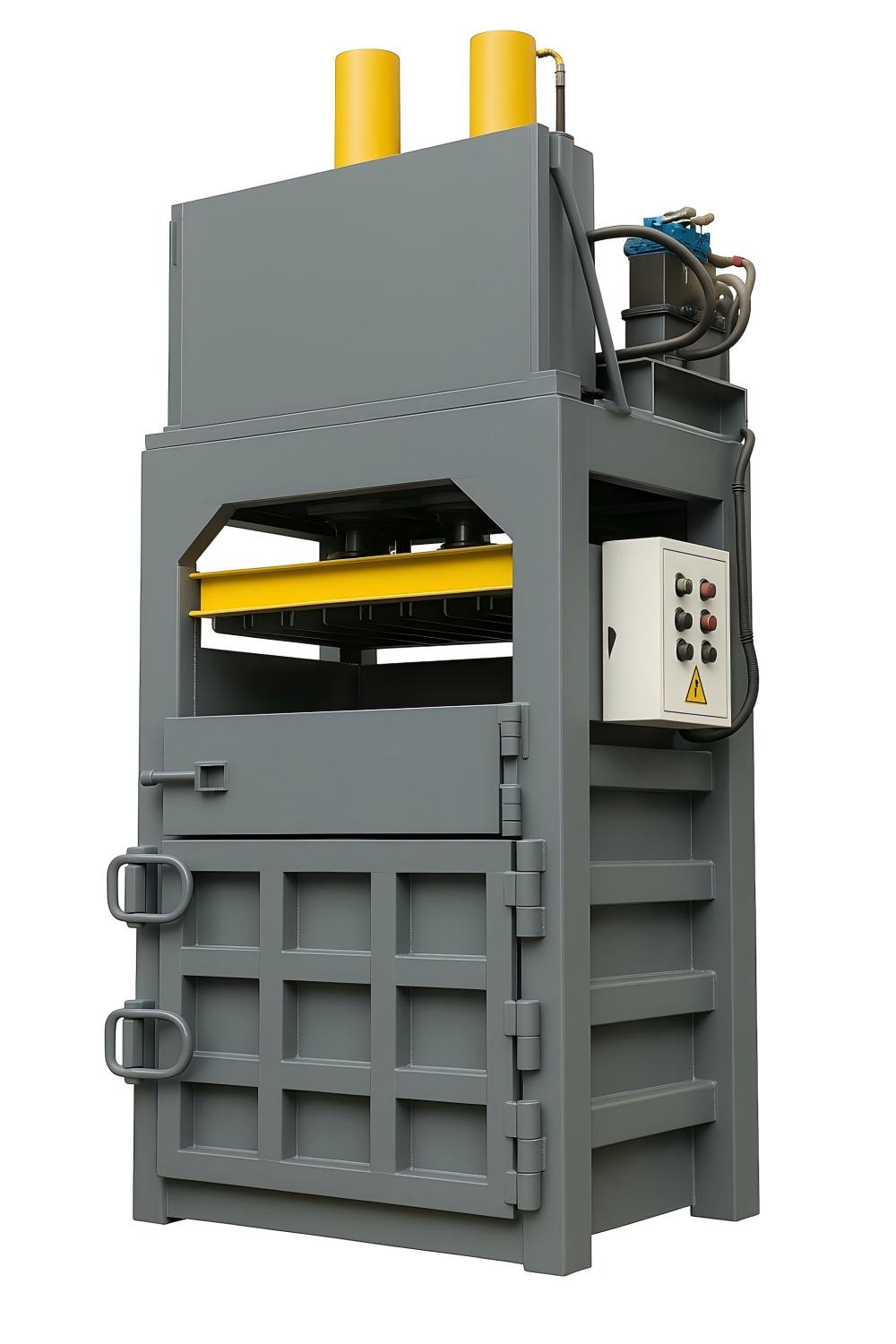
HARSLE vertical balers are engineered with precision to meet the rigorous demands of industrial environments. At the core of these machines is a high-performance hydraulic system that delivers consistent compression force. This force is critical for achieving the high-density bales required to minimize storage volume. The hydraulic cylinders are built for durability, featuring high-quality seals and robust construction to withstand continuous operation in demanding fabrication shops.
The structural integrity of the baler frame is equally important. HARSLE utilizes reinforced steel plates and heavy-duty welding to ensure that the machine can handle the immense pressure generated during the baling process without deformation. This structural rigidity is essential for maintaining the alignment of the ram, which ensures uniform compression and prevents mechanical wear over time.
Safety features are integrated into every aspect of the design. HARSLE balers include interlocked doors, emergency stop buttons, and pressure relief valves to protect operators. The control interface is designed for ease of use, allowing workers to operate the machine with minimal training. Automated features, such as bale ejection systems, further streamline the process, reducing the physical strain on employees and increasing throughput.
Maintenance is simplified through modular design. Critical components, such as the hydraulic pump and control panel, are easily accessible for inspection and servicing. HARSLE provides comprehensive documentation and technical support, ensuring that any maintenance requirements can be addressed quickly to minimize downtime. This focus on reliability and ease of maintenance is what sets HARSLE apart in the competitive market of metal fabrication equipment.
Selection Advice: Choosing the Right Baler
Selecting the right vertical baler requires a clear understanding of your facility’s specific waste stream. Not all balers are created equal; the type of material you are processing—whether it is thin-gauge aluminum, heavy steel scrap, or cardboard packaging—will dictate the required compression force and chamber size. It is essential to consult with a HARSLE representative to analyze your volume and material characteristics before making a purchase.
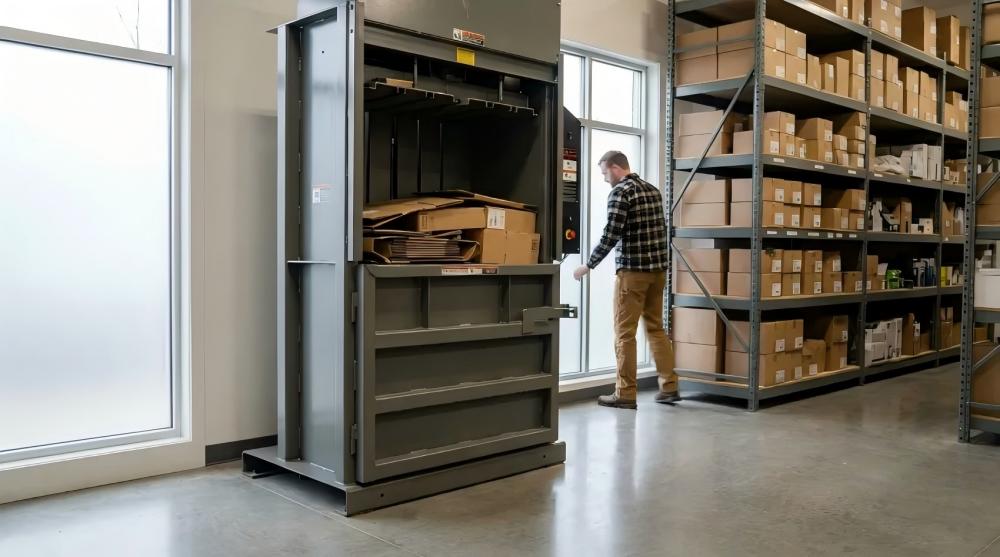
Consider the available floor space and the height clearance of your facility. Vertical balers are designed to have a small footprint, but you must ensure there is adequate space for the machine itself, as well as room for operators to load the material and for the finished bale to be removed. Additionally, consider the workflow of your facility; the baler should be positioned near the primary source of waste to minimize the distance that scrap needs to be transported.
Think about the future growth of your facility. While a smaller, entry-level baler might meet your current needs, it may become a bottleneck as your production increases. Investing in a slightly larger or more powerful model can provide the scalability needed to accommodate future growth without requiring a replacement. HARSLE offers a range of models, from compact units for small shops to heavy-duty machines for high-volume production.
Finally, evaluate the support and service network of the manufacturer. A baler is a long-term asset, and you need a partner who can provide timely spare parts, technical advice, and maintenance support. HARSLE’s commitment to customer service ensures that you are not just buying a machine, but entering into a partnership that supports your operational success over the entire lifecycle of the equipment.
FAQ: Vertical Baler Implementation
How much space does a vertical baler typically require?
A standard vertical baler usually requires a footprint of approximately 1.5 to 3 square meters. However, you must also account for the clearance needed for the door swing and the space required to maneuver a pallet jack or forklift to remove the finished bale.
What materials can be processed in a HARSLE vertical baler?
HARSLE balers are versatile and can handle a variety of materials, including cardboard, plastic film, aluminum cans, and light-gauge metal scrap. It is important to match the baler’s force capacity to the density of the material being processed.
How long does it take to train staff on a vertical baler?
Due to the intuitive design and safety interlocks, most operators can be trained to use a HARSLE vertical baler in less than an hour. We provide comprehensive manuals and safety guidelines to ensure safe operation.
Is maintenance difficult for a small facility?
No, HARSLE balers are designed for minimal maintenance. Routine tasks include checking hydraulic fluid levels, inspecting hoses, and keeping the chamber clean. We provide a maintenance schedule to help you keep the machine in peak condition.
Conclusione
The Vertical Baler Case Study: Cutting Scrap Storage Costs A Small Manufacturing Facility highlights a fundamental truth in industrial operations: efficiency is often found in the management of the “invisible” costs. By transitioning from loose scrap storage to a baled system, the facility in this study was able to reclaim 20% of its floor space, reduce waste disposal frequency by 60%, and improve overall workplace safety. These results are not unique; they are the standard outcomes for facilities that prioritize organized waste management.
HARSLE remains committed to providing the metal fabrication industry with the tools necessary to achieve these levels of efficiency. Our vertical balers are more than just machines; they are solutions designed to help small and medium-sized manufacturers compete on a global scale by optimizing their internal processes. When you choose HARSLE, you are choosing a partner dedicated to your long-term productivity and profitability.
As you look toward the future of your manufacturing facility, consider the impact that a dedicated baling solution could have on your bottom line. Whether you are struggling with limited floor space, high disposal costs, or safety concerns, a HARSLE vertical baler offers a proven path to improvement. We invite you to contact our team to discuss your specific needs and take the first step toward a more efficient, profitable, and organized manufacturing environment.
In summary, the investment in a vertical baler is an investment in the future of your business. By streamlining your waste management, you are not only cutting costs but also creating a more sustainable and professional operation. Let HARSLE help you turn your scrap into a manageable, valuable asset today.