Scrap Metal Baler Case Study: Simplifying the Handling of Heavy Industrial Scrap

Introduction
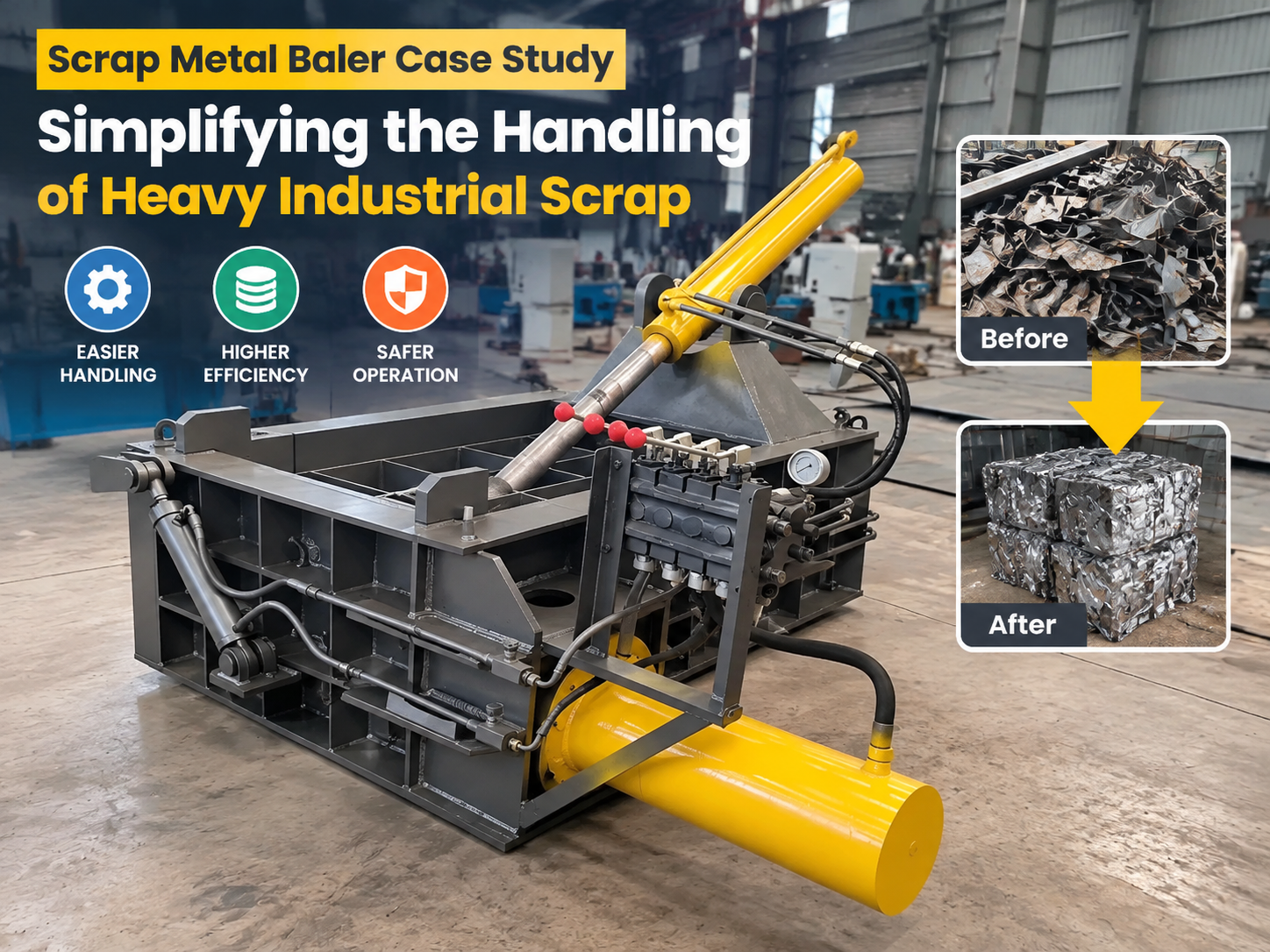
In the modern landscape of metal fabrication and industrial manufacturing, the management of waste material is not merely a logistical necessity—it is a critical component of operational profitability. As production volumes increase, the accumulation of heavy industrial scrap poses significant challenges regarding storage, transportation, and overall facility safety. This Scrap Metal Baler Case Study: Simplifying the Handling of Heavy Industrial Scrap explores how HARSLE’s advanced hydraulic solutions transform chaotic scrap piles into dense, manageable, and high-value commodities.
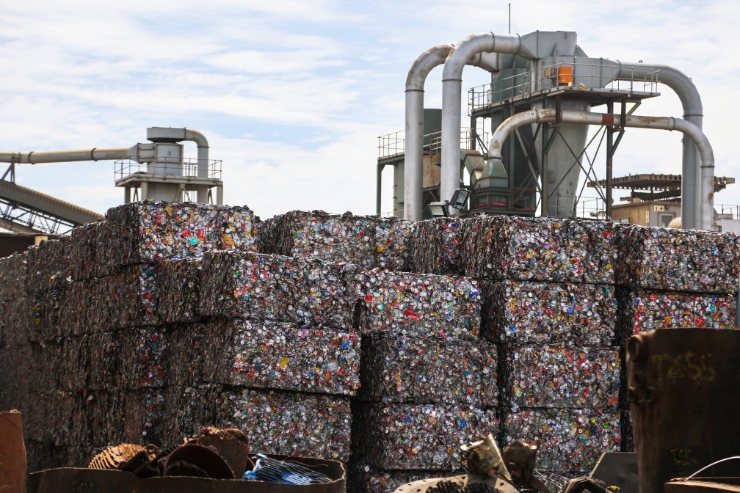
For many metalworking facilities, scrap metal is often viewed as a byproduct that occupies valuable floor space and incurs high logistics costs. However, when processed correctly using high-performance baling technology, this scrap becomes a revenue stream. By compressing loose metal into uniform, high-density bales, companies can drastically reduce the number of transport trips required, minimize storage footprints, and command better prices from recycling centers and smelters.
This article examines a real-world application where a mid-sized fabrication plant struggled with the logistical bottleneck of scrap accumulation. By integrating a HARSLE industrial scrap metal baler, the facility was able to streamline its workflow, improve safety standards, and significantly reduce its carbon footprint. We will delve into the technical specifications, the decision-making process, and the long-term operational benefits that define this successful implementation.
Understanding the transition from manual scrap handling to automated baling is essential for any plant manager looking to optimize their facility. This guide serves as a comprehensive resource for those evaluating the ROI of investing in heavy-duty recycling equipment. We will break down the specific mechanical advantages of HARSLE systems and provide actionable advice for selecting the right machinery for your unique industrial environment.
Key Considerations for Scrap Management
Before selecting a baling solution, it is vital to analyze the specific nature of the scrap being produced. Heavy industrial scrap varies significantly in terms of material type, thickness, and volume. For instance, a facility processing stainless steel offcuts requires a different compression force compared to one handling thin aluminum sheets. Understanding these variables is the first step in the Scrap Metal Baler Case Study: Simplifying the Handling of Heavy Industrial Scrap.
Space optimization is another primary consideration. In many fabrication shops, floor space is at a premium. A baler must be positioned to allow for efficient scrap flow without interfering with primary production lines. HARSLE engineers emphasize the importance of a layout that minimizes the distance between the scrap source and the baling unit. By reducing the travel time for material handling equipment like forklifts or conveyors, facilities can achieve a more fluid production cycle.
Safety remains the paramount concern in any industrial setting. Loose scrap metal is a significant hazard, leading to trip-and-fall accidents, sharp-edge injuries, and fire risks if oil-soaked materials are left in piles. Implementing a baling system centralizes the waste, keeping the shop floor clean and organized. This transition not only protects workers but also fosters a culture of efficiency and professionalism that permeates the entire production team.
Finally, the economic impact of logistics cannot be overstated. Transporting loose scrap is inefficient because you are essentially paying to ship air. By compressing the material, you maximize the payload capacity of every truckload. This reduction in logistics frequency directly translates to lower fuel costs and reduced carbon emissions, aligning your facility with modern sustainability goals while simultaneously improving your bottom line.
Technical Details of HARSLE Baling Systems
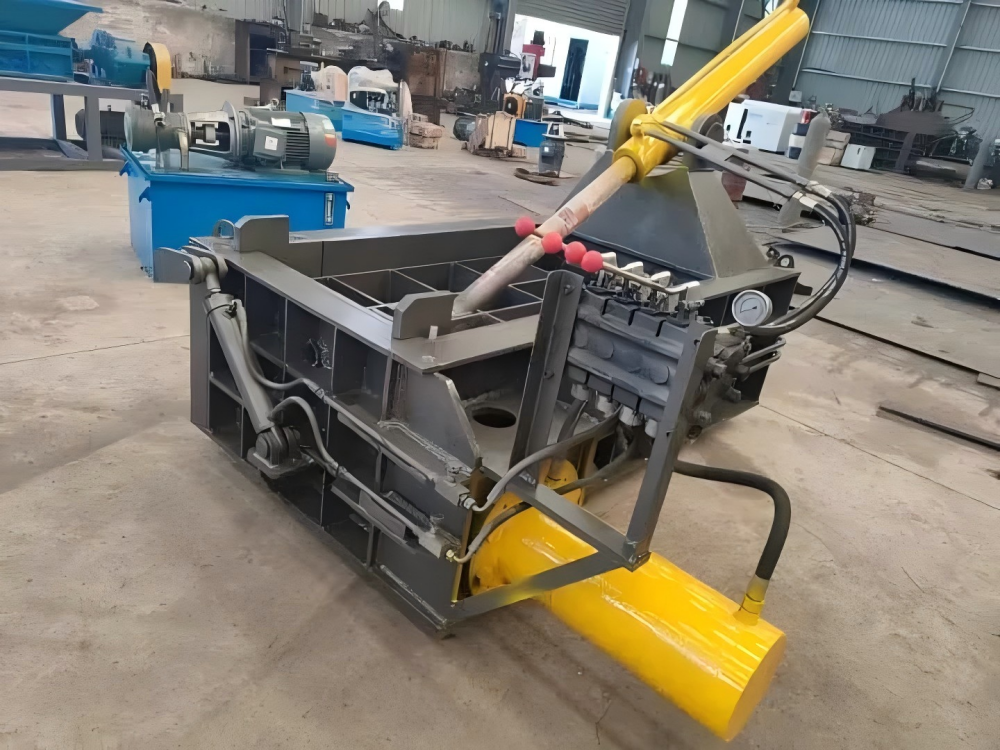
HARSLE’s scrap metal balers are engineered with robust hydraulic systems designed to withstand the rigors of continuous industrial use. The core of our technology lies in the high-pressure cylinders that deliver consistent force, ensuring that even the most resilient metals are compressed into stable, uniform bales. These machines utilize advanced PLC control systems, allowing operators to customize cycle times and pressure settings based on the specific material being processed.
The structural integrity of the baler chamber is critical. HARSLE utilizes wear-resistant steel liners that protect the main frame from the abrasive nature of metal scrap. This design choice significantly extends the lifespan of the machine, reducing the frequency of maintenance interventions. Furthermore, the integration of automated bale ejection systems ensures that the process remains hands-free, further enhancing operator safety and throughput speed.
Energy efficiency is a hallmark of HARSLE engineering. Our hydraulic power units are equipped with variable frequency drives (VFDs) that adjust motor speed based on the load requirements. This means that during idle periods or lighter compression cycles, the machine consumes significantly less power. This intelligent energy management is a key factor in the long-term cost-effectiveness of our baling solutions, providing a lower total cost of ownership compared to traditional, fixed-speed hydraulic systems.
Maintenance accessibility is another technical advantage. HARSLE designs its balers with modular components, allowing for quick inspection and replacement of hydraulic seals, valves, and sensors. By simplifying the maintenance process, we ensure that your facility experiences minimal downtime. Detailed diagnostic interfaces provide real-time feedback on system health, allowing for predictive maintenance rather than reactive repairs, which is essential for maintaining a high-output production environment.
Selection Advice for Industrial Facilities
When embarking on your own Scrap Metal Baler Case Study: Simplifying the Handling of Heavy Industrial Scrap, the first step is to conduct a thorough audit of your scrap output. Calculate the daily volume of waste in both weight and cubic meters. This data will dictate the size of the feed opening and the required compression force of the baler. Choosing a machine that is undersized will lead to bottlenecks, while an oversized machine may result in unnecessary capital expenditure.
Consider the material composition of your scrap. If you are dealing with a mix of ferrous and non-ferrous metals, ensure the baler is equipped with the appropriate shear blades. These blades are essential for cutting through oversized pieces that might otherwise jam the chamber. HARSLE offers customizable configurations, allowing you to tailor the baler to your specific material stream, whether it be copper wire, steel plate offcuts, or aluminum extrusions.
Evaluate the integration requirements with your existing infrastructure. Do you need a conveyor system to feed the baler automatically? Would a vertical or horizontal baler better suit your floor layout? Vertical balers are excellent for facilities with limited space, while horizontal balers are better suited for high-volume, continuous operations. Consulting with HARSLE’s technical team early in the process can help you design a system that integrates seamlessly with your current production flow.
Finally, look beyond the initial purchase price and consider the support network. A baler is a long-term investment. Ensure that the manufacturer provides comprehensive training for your operators, access to spare parts, and responsive technical support. HARSLE prides itself on a global service network, ensuring that no matter where your facility is located, you have the backing of experts who understand the nuances of metal fabrication equipment.
Frequently Asked Questions
How does a scrap metal baler improve profitability?
A scrap metal baler improves profitability by increasing the density of your scrap, which reduces transportation costs and allows you to sell the material at a higher price point, as smelters prefer uniform, high-density bales over loose scrap.
What is the difference between a vertical and horizontal baler?
Vertical balers are typically manual-feed and ideal for smaller volumes or limited floor space. Horizontal balers are designed for high-volume, continuous processing and can often be integrated into automated conveyor systems.
How often does a HARSLE baler require maintenance?
Maintenance frequency depends on usage volume. However, HARSLE machines are designed for durability. We recommend a monthly inspection of hydraulic levels, seals, and shear blades to ensure optimal performance and prevent unexpected downtime.
Can a scrap metal baler handle mixed materials?
Yes, but it is important to consider the material type. While a baler can compress various metals, mixing materials can sometimes lower the resale value of the scrap. It is often better to process different metals in separate batches.
What safety features are included in HARSLE balers?
HARSLE balers include emergency stop buttons, safety interlocks on access doors, and light curtains to prevent operation while the chamber is open, ensuring full compliance with international safety standards.
Conclusione
The Scrap Metal Baler Case Study: Simplifying the Handling of Heavy Industrial Scrap demonstrates that the transition to automated baling is a strategic move for any serious fabrication facility. By moving away from manual, inefficient scrap handling, companies can reclaim valuable floor space, enhance workplace safety, and turn a waste management burden into a consistent revenue stream. HARSLE remains committed to providing the high-performance, durable, and energy-efficient machinery required to meet these industrial challenges.
As you evaluate your own facility’s needs, remember that the right equipment is an investment in your company’s future. Whether you are looking to reduce your logistics footprint or simply improve the cleanliness and organization of your shop floor, a HARSLE scrap metal baler offers the reliability and precision needed to get the job done. We invite you to reach out to our technical team to discuss how we can tailor a baling solution to your specific operational requirements.
In conclusion, the integration of advanced metal fabrication equipment is not just about keeping up with production demand; it is about optimizing every aspect of the manufacturing process. From the initial scrap collection to the final bale ejection, HARSLE technology ensures that your facility operates at peak efficiency. Start your journey toward a cleaner, more profitable, and safer production environment today by choosing the industry leader in hydraulic baling solutions.