Problemi della coclea di alimentazione della pressa per mattonelle: cause e soluzioni per l'efficienza industriale

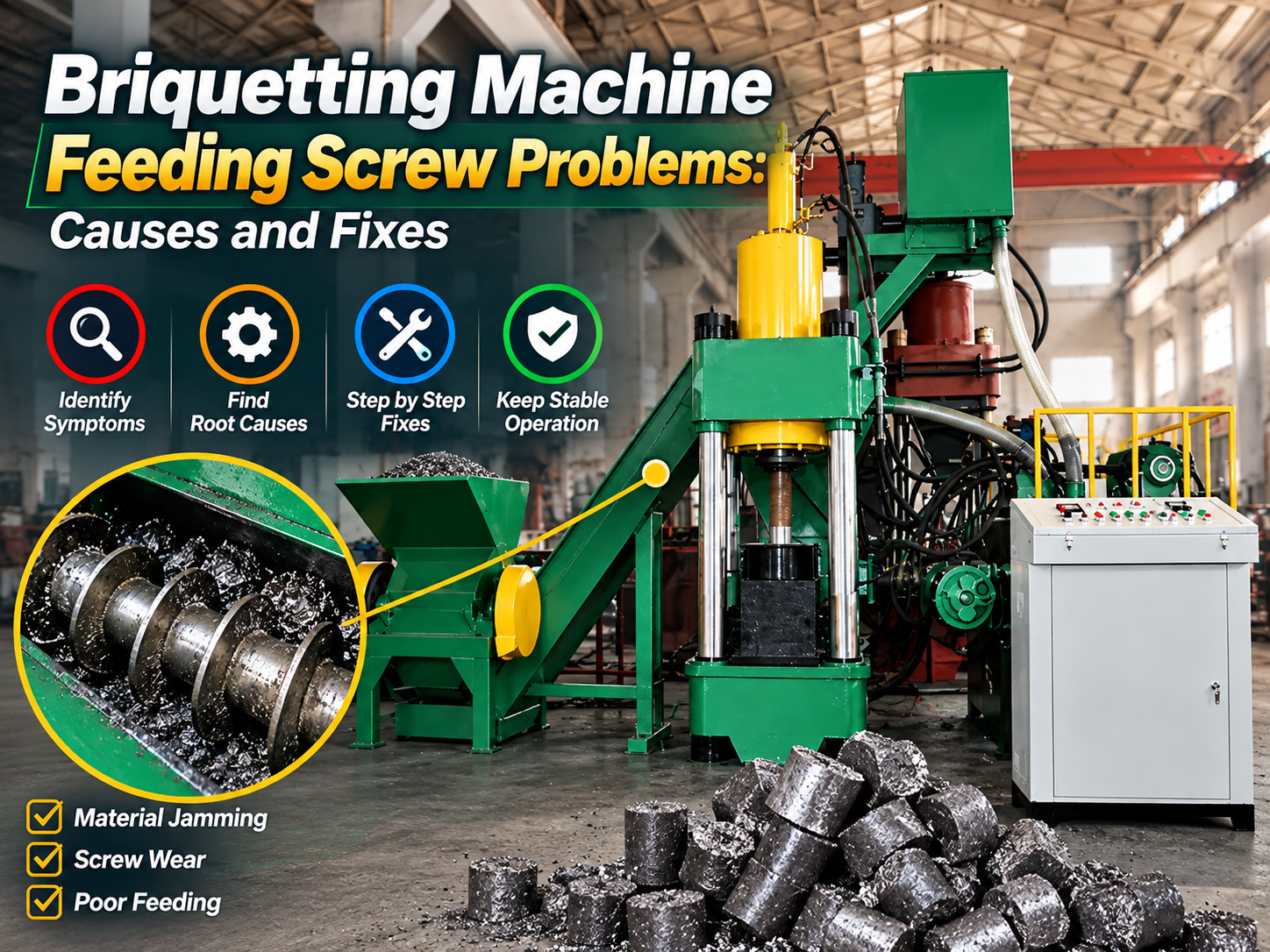
Introduction to Briquetting Machine Feeding Screw Problems: Causes and Fixes
In the high-stakes environment of metal fabrication, the efficiency of your waste management system is just as critical as the primary production line. Briquetting machines play a vital role in converting loose metal chips, swarf, and turnings into dense, manageable briquettes. At the heart of this process lies the feeding screw—a component responsible for transporting raw material into the compression chamber. When this component fails, the entire production cycle grinds to a halt.
Understanding Briquetting Machine Feeding Screw Problems: Causes and Fixes is essential for plant managers and maintenance engineers alike. A malfunctioning screw does not just cause downtime; it can lead to uneven briquette density, motor strain, and long-term damage to the hydraulic system. By identifying the root causes of these issues early, operators can implement proactive maintenance strategies that extend the lifespan of their HARSLE equipment.
This comprehensive guide explores the technical intricacies of feeding screw performance. We will delve into why these components fail, how to diagnose symptoms before they escalate, and the specific mechanical adjustments required to restore peak operational capacity. Whether you are dealing with inconsistent feed rates or catastrophic screw breakage, this article provides the technical roadmap needed to resolve these challenges effectively.
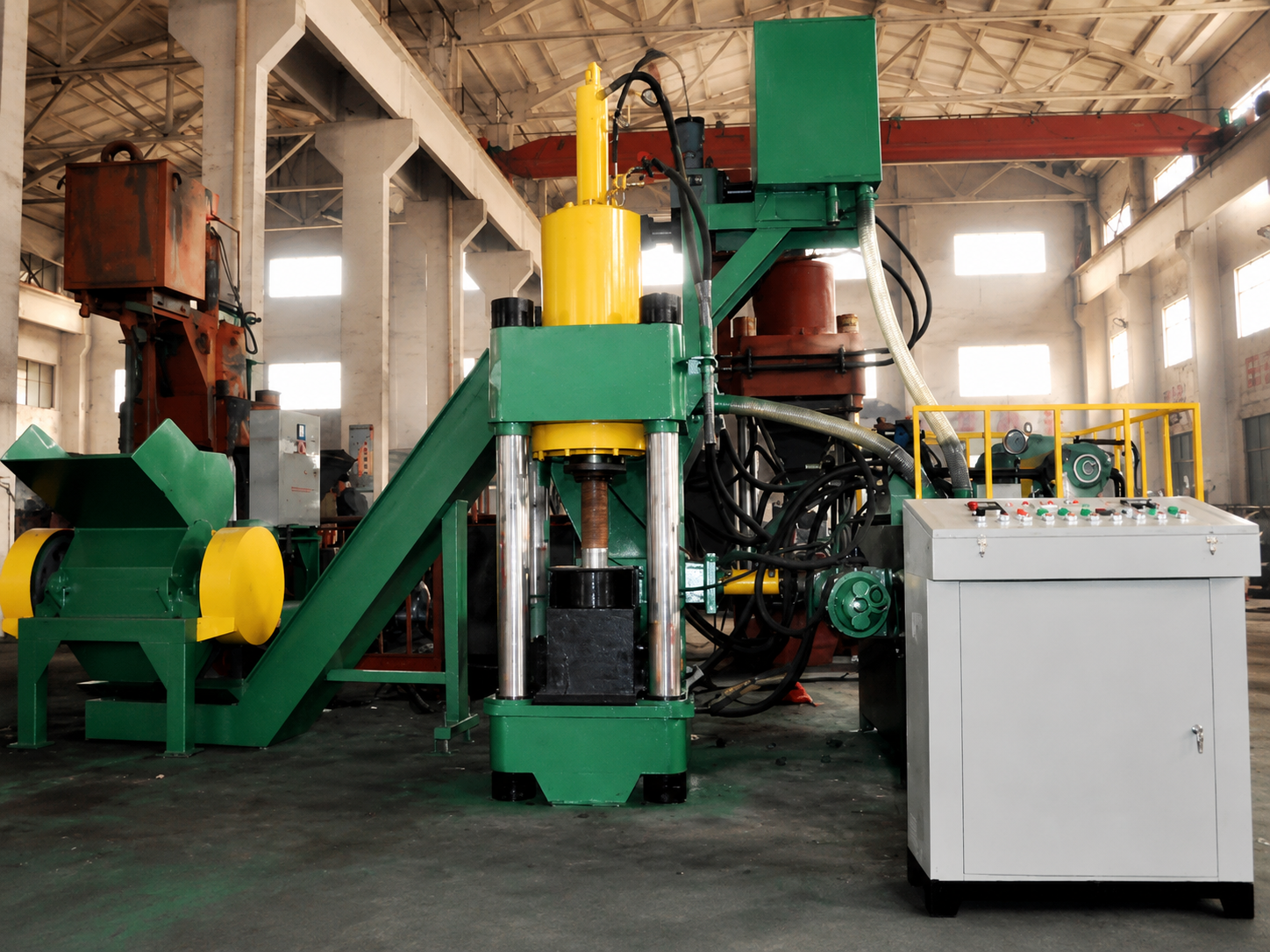
Key Considerations for Feeding Screw Performance
The feeding screw operates under extreme mechanical stress, constantly pushing abrasive metal particles into a confined space. The primary consideration for any operator is the material composition. Different metals, such as aluminum, steel, or copper, possess varying levels of hardness and friction coefficients. If the screw is not calibrated for the specific density of the material being processed, it will inevitably suffer from premature wear or jamming.
Another critical factor is the moisture content of the metal chips. Coolant-heavy swarf can create a slurry-like consistency that increases the torque required to move the material. If the feeding screw is not designed to handle high-viscosity or wet materials, the motor may experience frequent overloads. Operators must ensure that the pre-processing stage—such as chip centrifuging—is functioning correctly to prevent the feeding screw from being overwhelmed by excessive fluid.
Operational speed is also a major consideration. While it is tempting to run the feeding screw at maximum RPM to increase throughput, doing so often leads to “bridging” or material cavitation, where the screw spins without actually moving the metal forward. Finding the “sweet spot” for feed speed relative to the compression cycle is a fundamental skill for maintaining machine longevity. HARSLE equipment is designed with variable frequency drives (VFDs) to allow for this precise control, which should be utilized to match the material flow rate.
Finally, environmental factors in the fabrication shop cannot be ignored. Metal dust, ambient temperature, and vibration levels all contribute to the degradation of the screw’s drive assembly. Regular inspection of the coupling between the motor and the screw is necessary to ensure that vibrations are not causing misalignment, which is a leading cause of uneven wear patterns on the screw flights.
Technical Details: Diagnosing Common Feeding Screw Failures
When investigating Briquetting Machine Feeding Screw Problems: Causes and Fixes, the first step is a thorough visual inspection. Look for signs of uneven wear on the screw flights. If the outer diameter of the screw has been reduced, it will no longer maintain the necessary clearance with the housing, leading to material bypass and reduced pressure. This is often caused by processing highly abrasive materials without adequate surface hardening on the screw.
Another common technical issue is the accumulation of “dead zones” within the screw housing. This occurs when material becomes compacted in the corners or around the screw shaft, preventing smooth movement. This is frequently caused by a mismatch between the screw pitch and the material particle size. If the pitch is too tight, large chips will jam; if it is too loose, the material will simply rotate with the screw rather than being pushed forward.
Electrical symptoms often manifest as motor overheating or frequent tripping of the thermal overload relay. This is a clear indicator that the feeding screw is encountering excessive resistance. This resistance can be caused by a bent screw shaft, a failing bearing, or an obstruction in the compression chamber. In these cases, the fix is not simply to reset the breaker, but to perform a mechanical teardown to identify the source of the friction.
Lubrication failure is a silent killer of feeding screw assemblies. The bearings supporting the screw must be kept free of metal dust and properly greased. If the seals fail, metal fines can enter the bearing race, causing the screw to seize. Regular maintenance schedules should include checking the integrity of these seals and ensuring that the lubricant is free of contaminants that could accelerate wear.
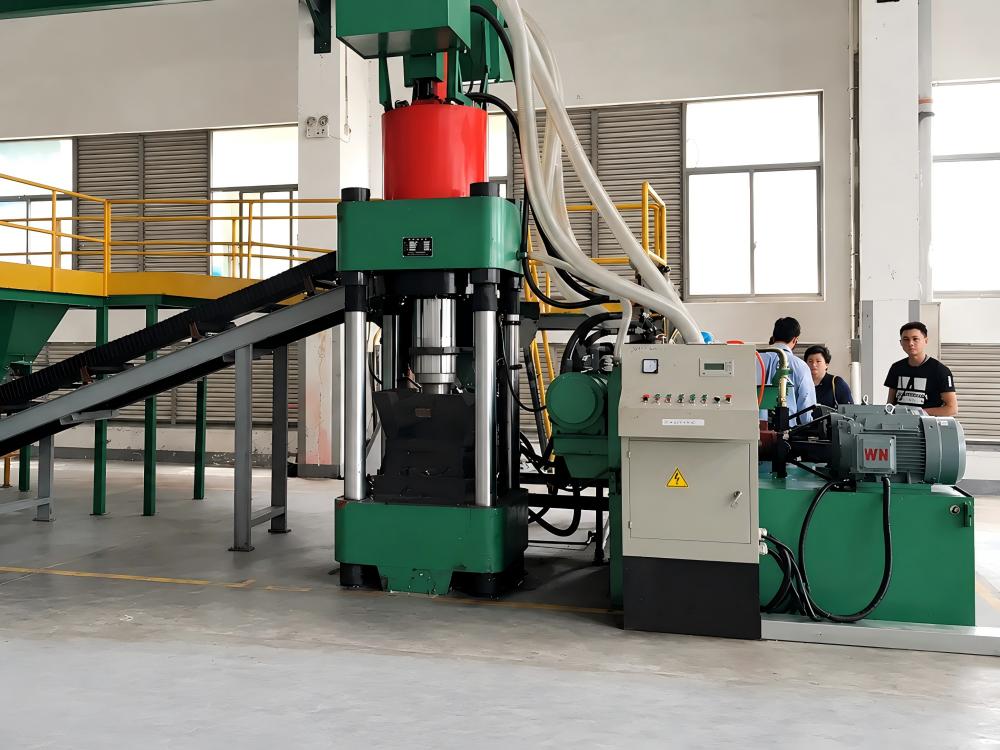
Selection Advice: Choosing the Right Screw for Your Application
Selecting the correct feeding screw for your HARSLE briquetting machine is a strategic decision that impacts your long-term ROI. The first step is to consult with the manufacturer regarding the specific material profile of your waste. For example, a screw designed for light aluminum turnings will be entirely inadequate for heavy, stringy steel chips. The geometry of the screw—specifically the flight angle and the core diameter—must be tailored to the bulk density of your input material.
Material hardness is another critical selection criterion. For abrasive materials like cast iron or hardened steel chips, consider opting for screws with specialized surface treatments such as nitriding or hard-facing with tungsten carbide. While these options carry a higher initial cost, they significantly reduce the frequency of replacement and minimize the downtime associated with Briquetting Machine Feeding Screw Problems: Causes and Fixes.
Consider the modularity of the feeding system. Some HARSLE models offer interchangeable screw segments. This is a significant advantage for facilities that process a variety of metals. Instead of replacing the entire screw assembly, operators can swap out specific segments that are prone to higher wear, thereby reducing maintenance costs and inventory requirements. Always prioritize OEM parts to ensure that the tolerances match the original machine specifications.
Finally, evaluate the drive system compatibility. A high-torque, low-speed motor is often preferable for dense materials, whereas a high-speed motor might be better for light, voluminous chips. Ensure that the feeding screw you select is compatible with your existing motor and gearbox configuration. If you are upgrading your system to handle higher volumes, it may be necessary to upgrade the drive motor simultaneously to prevent the screw from stalling under increased load.
Troubleshooting Checklist: A Step-by-Step Approach
To effectively manage Briquetting Machine Feeding Screw Problems: Causes and Fixes, follow this systematic troubleshooting checklist:
- Step 1: Check for Obstructions. Before assuming a mechanical failure, ensure that no large, non-metallic objects (like gloves, rags, or tools) have entered the hopper and jammed the screw.
- Step 2: Inspect the Drive Coupling. Check for any play or misalignment between the motor shaft and the screw shaft. Tighten all bolts and replace worn rubber dampeners.
- Step 3: Monitor Motor Amperage. Use a clamp meter to measure the current draw. If it exceeds the rated load, the screw is likely fighting against a blockage or excessive material density.
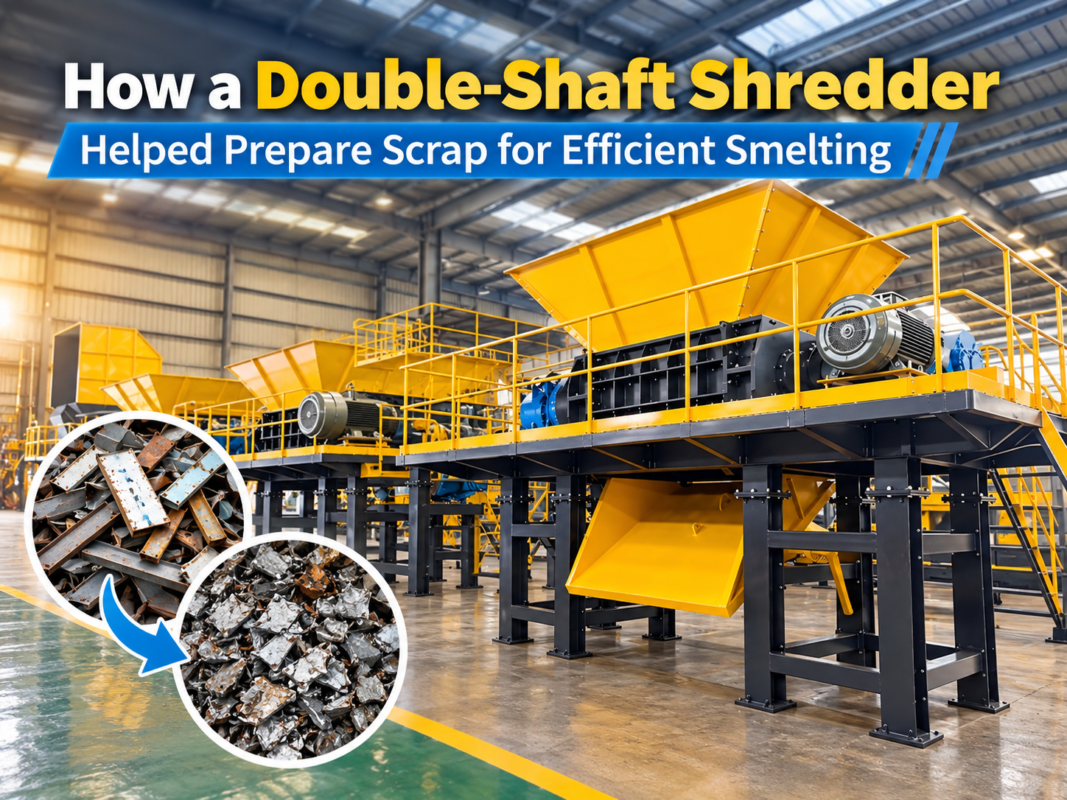
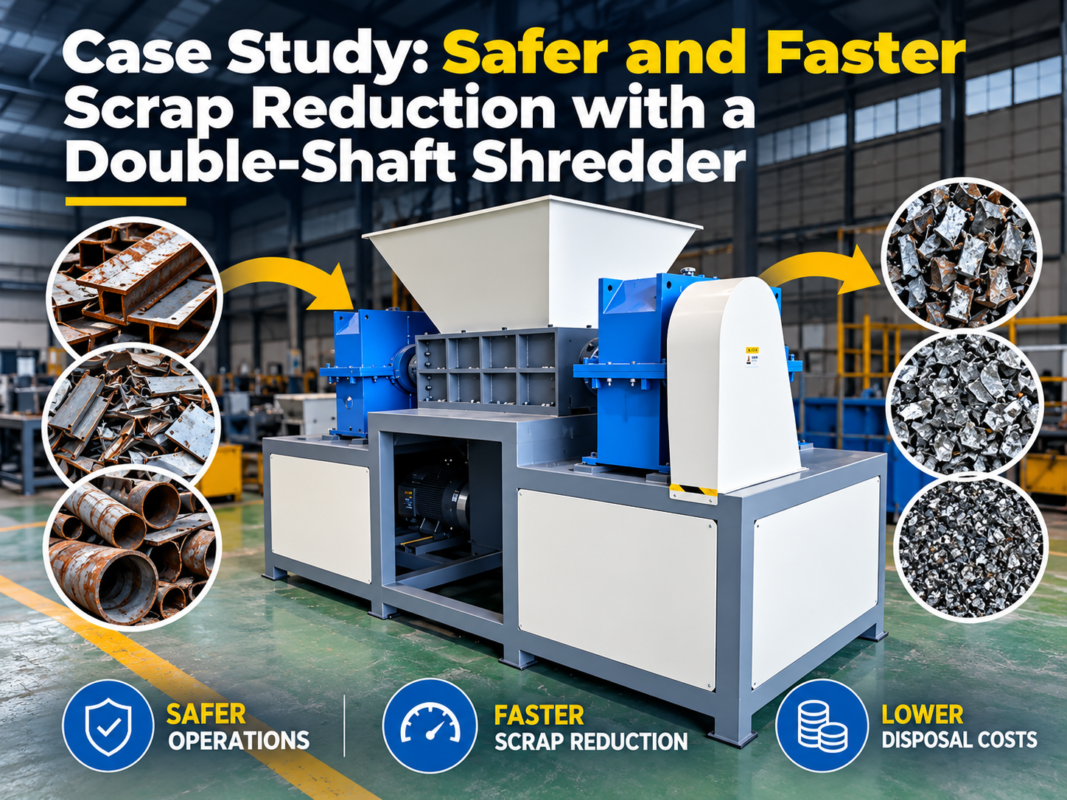
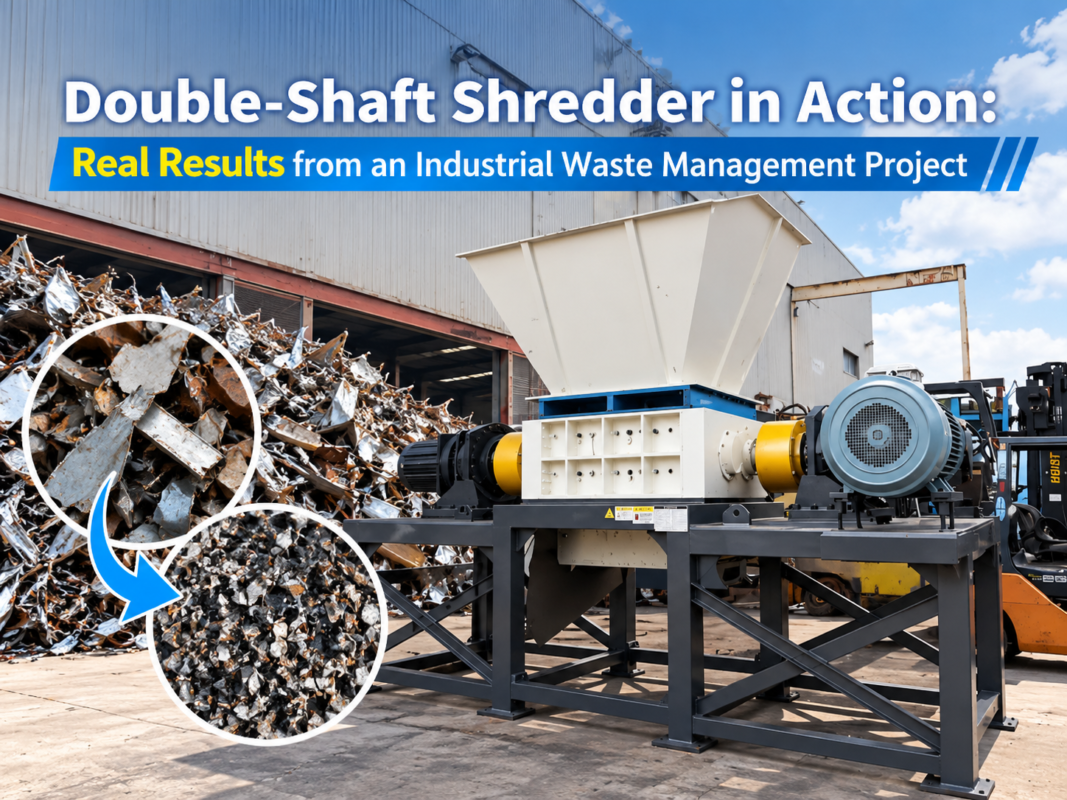
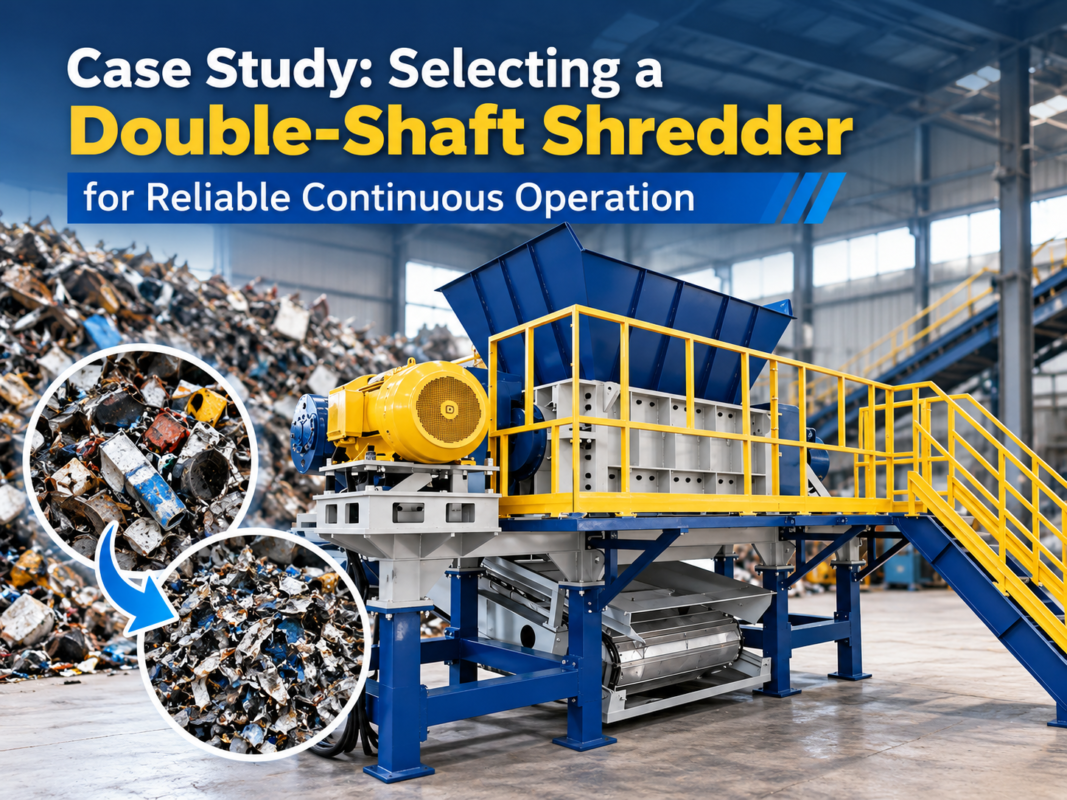
- Step 4: Evaluate Material Consistency. Ensure the chips are uniform. Use a shredder if necessary to break down long, stringy turnings that tend to wrap around the screw.
- Step 5: Check Bearing Temperature. Use an infrared thermometer to check the temperature of the screw support bearings. Excessive heat is a sign of imminent failure.
- Step 6: Verify Seal Integrity. Inspect the area where the screw enters the compression chamber. If material is leaking into the drive housing, the seals must be replaced immediately.
By following this checklist, maintenance teams can isolate the problem quickly and avoid unnecessary disassembly. Documenting these checks in a maintenance log will also help in identifying recurring issues, allowing for more targeted preventative measures in the future.
FAQ: Common Questions About Briquetting Machine Maintenance
How often should I inspect the feeding screw?
For high-volume operations, a weekly visual inspection is recommended. For lower-volume shops, a monthly inspection is sufficient. Always check the screw after processing a new type of material.
Can I repair a worn feeding screw?
In some cases, hard-facing can be applied to worn flights. However, this requires precision welding and re-balancing. Often, replacing the screw is more cost-effective in the long run to prevent vibration damage.
Why does my briquetting machine make a grinding noise?
Grinding noises usually indicate that the screw is contacting the housing due to bearing wear or a bent shaft. Stop the machine immediately to prevent permanent damage to the housing walls.
What is the best way to prevent material bridging?
Ensure the hopper is equipped with an agitator or vibration system. Additionally, maintain the correct moisture level in the chips to prevent them from clumping together.
Conclusione
Mastering Briquetting Machine Feeding Screw Problems: Causes and Fixes is a hallmark of a well-run metal fabrication facility. By understanding the mechanical, material, and operational factors that influence screw performance, you can transform your briquetting process from a potential bottleneck into a highly efficient waste-to-value system. HARSLE remains committed to providing the robust equipment and technical support necessary to keep your operations running smoothly.
Remember that the longevity of your machine is directly proportional to the quality of your maintenance program. Regular inspections, the use of high-quality OEM parts, and a proactive approach to troubleshooting will save your company thousands in lost production time. When in doubt, consult the HARSLE technical manual or reach out to our support team to ensure that your feeding screw assembly is optimized for your specific industrial needs.