Briquetting Machine Temperature Too High? Preventive Checks and Repairs

Introduction: Understanding the Overheating Challenge
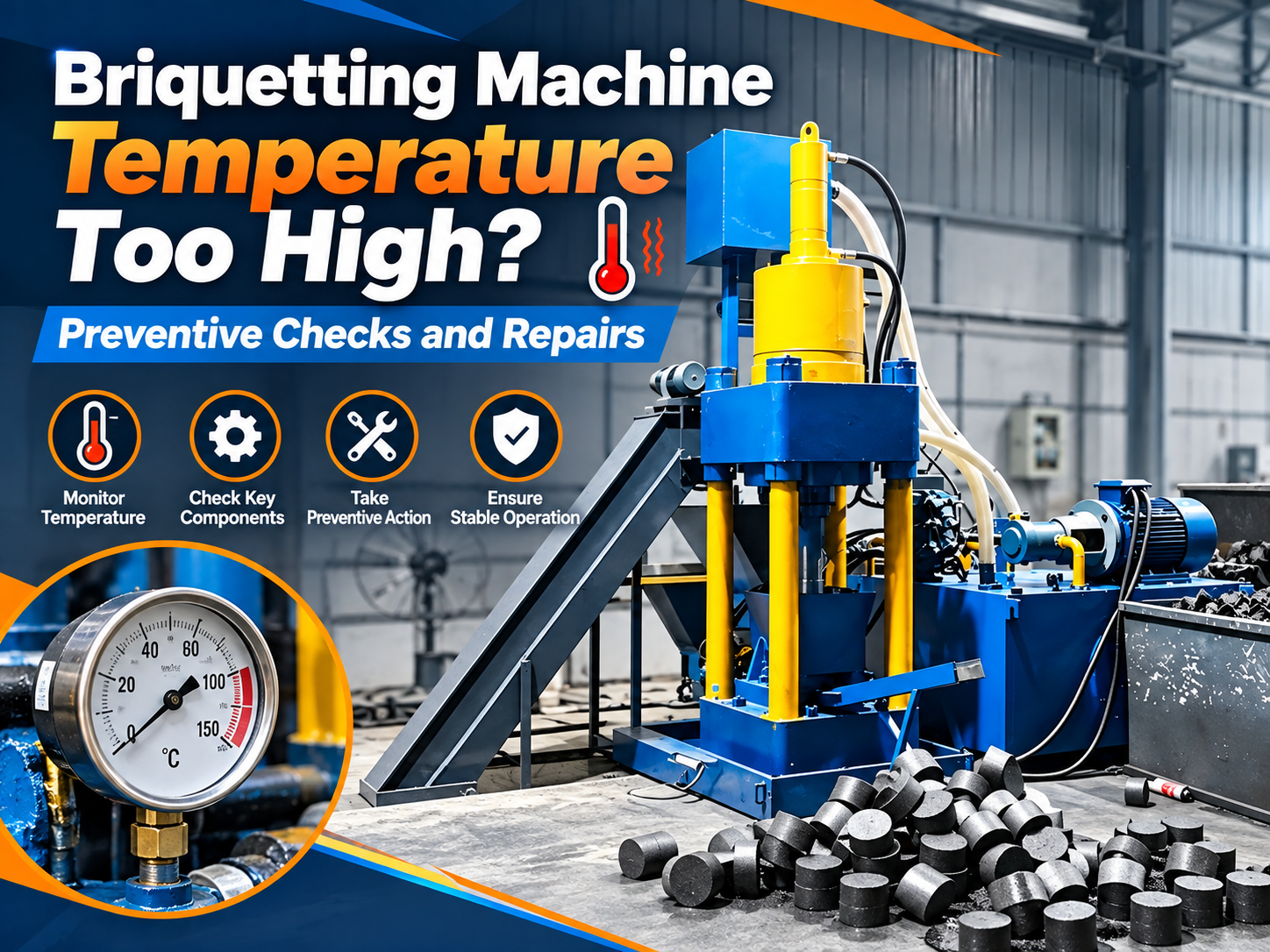
In the high-pressure world of metal fabrication, the briquetting machine serves as a critical link in the waste management and recycling chain. By compressing loose metal chips, turnings, and swarf into dense, manageable briquettes, these machines significantly reduce storage volume and increase the value of scrap metal. However, operators often face a common technical hurdle: the briquetting machine temperature too high? preventive checks and repairs are essential to maintaining operational continuity and protecting the longevity of your investment.
When a hydraulic system or the main compression chamber begins to run hot, it is rarely a singular event. Instead, it is usually a symptom of underlying mechanical stress, fluid degradation, or cooling system failure. Ignoring these temperature spikes can lead to catastrophic seal failures, pump cavitation, and permanent damage to the machine’s structural integrity. At HARSLE, we emphasize that proactive maintenance is far more cost-effective than emergency downtime.
This comprehensive guide explores the root causes of overheating in industrial briquetting presses. We will walk through the diagnostic steps required to identify thermal issues, provide actionable repair strategies, and offer preventive maintenance schedules that ensure your equipment remains within its optimal operating temperature range. Whether you are managing a large-scale recycling facility or a precision machine shop, understanding these thermal dynamics is key to maximizing your output.
Key Considerations for Thermal Management
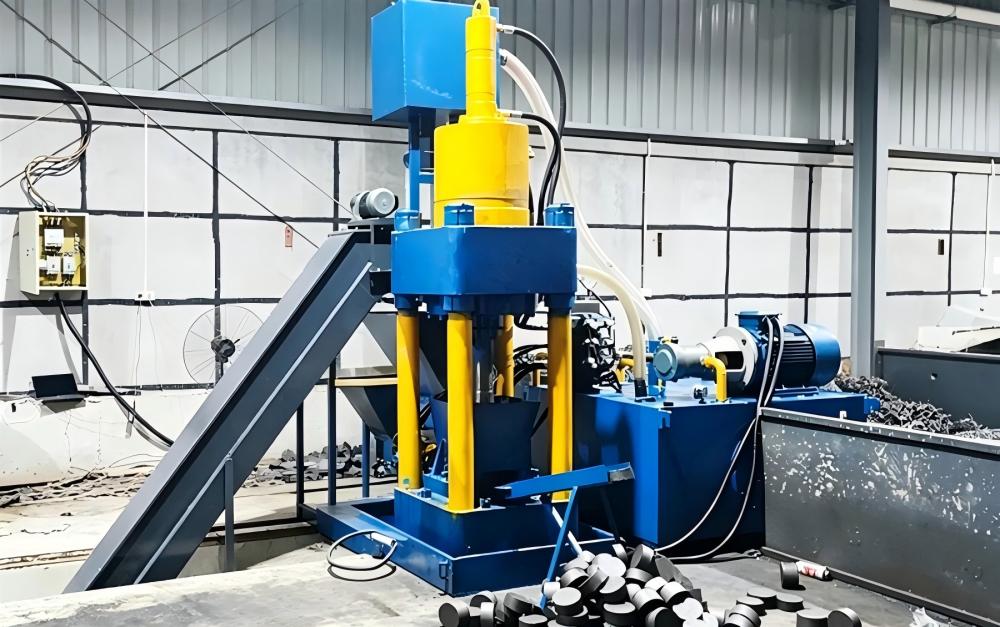
The primary driver of heat in a briquetting machine is the hydraulic system. Because these machines rely on immense pressure to compact metal, the hydraulic fluid is constantly being cycled through pumps, valves, and cylinders. If the system is not designed to dissipate this heat effectively, the fluid viscosity drops, leading to internal leakage and further heat generation. This creates a vicious cycle that can quickly push the machine beyond its thermal limits.
Environmental factors also play a significant role. Many fabrication shops are located in environments with high ambient temperatures or poor ventilation. If the briquetting machine is placed in a corner with restricted airflow, the cooling fans cannot pull in enough ambient air to cool the heat exchanger. Operators must ensure that there is at least a three-foot clearance around the machine to allow for proper air circulation and heat dissipation.
Furthermore, the duty cycle of the machine must be considered. Running a machine at maximum capacity for extended periods without rest can lead to heat accumulation. It is important to match the machine’s specifications with the actual throughput requirements of your facility. If your production volume consistently exceeds the machine’s rated capacity, the hydraulic system will inevitably struggle to maintain a stable temperature, regardless of how well it is maintained.
Finally, the quality of the hydraulic fluid itself is a major consideration. Over time, hydraulic oil breaks down, loses its lubricity, and becomes contaminated with microscopic metal particles. This degradation increases friction within the pump and valves, which directly translates to higher operating temperatures. Using high-quality, manufacturer-recommended hydraulic oil and adhering to strict oil change intervals is one of the simplest yet most effective ways to prevent overheating.
Technical Details: Troubleshooting the Heat Source
When you notice the briquetting machine temperature too high? preventive checks and repairs must begin with a systematic diagnostic approach. Start by checking the hydraulic oil level and condition. If the oil is dark, smells burnt, or contains visible debris, it must be replaced immediately. A clogged oil filter is another common culprit; as the filter becomes saturated, the pump must work harder to push fluid through the system, creating significant heat in the process.
Next, inspect the heat exchanger or oil cooler. In many industrial settings, these components become coated in dust, metal shavings, and oil mist. This layer of grime acts as an insulator, preventing the cooler from effectively transferring heat to the surrounding air. Use compressed air or a specialized cleaning solution to ensure the fins of the heat exchanger are completely clear. If the cooling fan is not spinning at the correct speed or is malfunctioning, it must be repaired or replaced immediately.
The hydraulic pump is the heart of the system and a common source of heat. If the pump is worn or if the internal clearances have increased due to age, it will experience internal leakage. This leakage generates heat without performing any useful work. You can check for pump efficiency by monitoring the cycle time of the briquetting process. If the cycle time has increased significantly, it is a strong indicator that the pump is losing efficiency and generating excess heat.
Relief valves should also be inspected. If a relief valve is set too low or is stuck in a partially open position, the hydraulic fluid will be forced through the valve continuously, which acts like a heater for the entire system. Ensure that all pressure settings are calibrated according to the HARSLE technical manual. Using a calibrated pressure gauge, verify that the system pressure does not exceed the recommended limits during the compression stroke.
Selection Advice: Choosing the Right Equipment
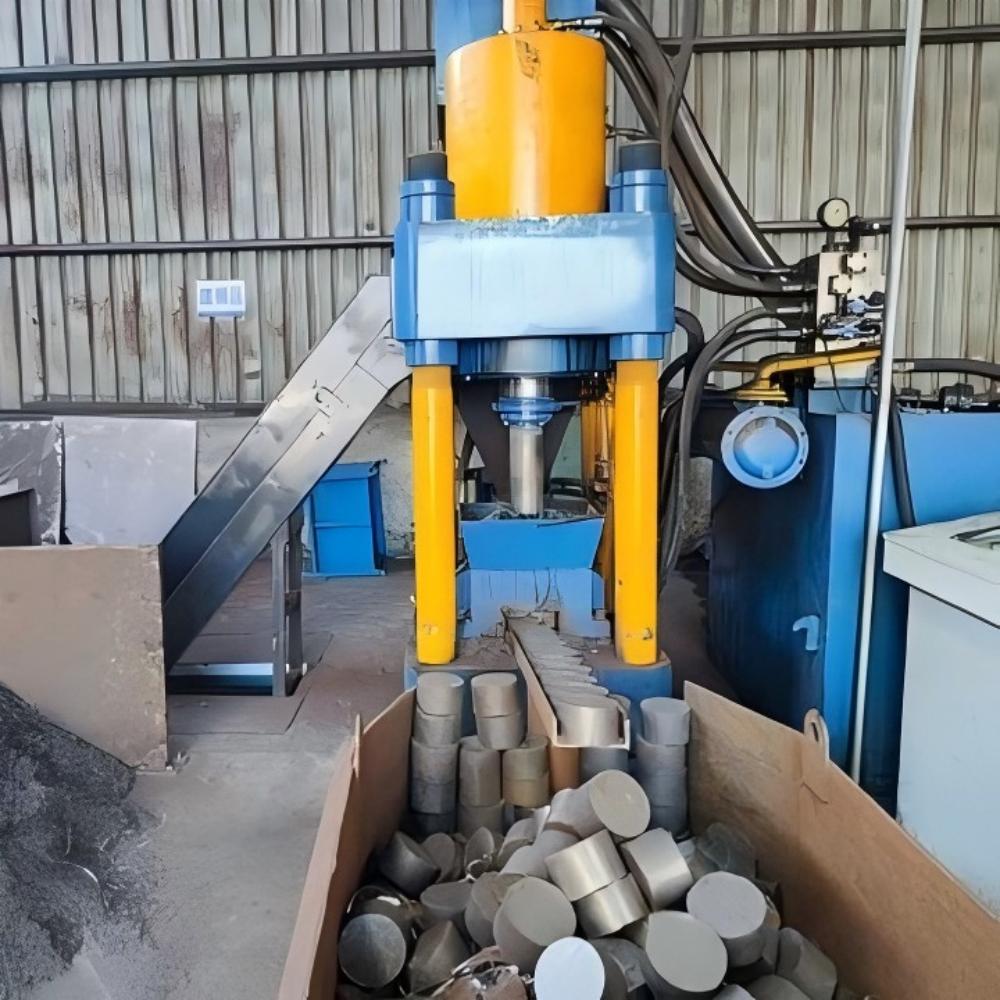
Selecting the right briquetting machine is the first step in preventing thermal issues. When purchasing equipment, consider the specific type of metal you will be processing. Aluminum, steel, and copper have different densities and require different compression forces. A machine that is undersized for the material will be forced to operate at its limit constantly, leading to premature wear and overheating. Always consult with HARSLE engineers to ensure the machine capacity aligns with your material throughput.
Look for machines that feature advanced cooling systems. Modern briquetting presses often come equipped with high-efficiency air-oil coolers or even water-cooled systems for high-volume applications. If your facility operates in a hot climate, investing in a machine with an oversized cooling system is a wise decision that will pay for itself in reduced maintenance costs and longer machine life.
Consider the automation level of the machine. Automated systems often include sensors that monitor oil temperature in real-time. These systems can automatically throttle the machine or trigger an alarm if the temperature exceeds a safe threshold, preventing damage before it occurs. Investing in a machine with integrated diagnostic software provides an extra layer of protection and simplifies the troubleshooting process for your maintenance team.
Finally, evaluate the availability of spare parts and technical support. A machine is only as good as the support behind it. HARSLE provides comprehensive documentation and a global network of technicians to assist with any technical challenges. Choosing a reputable manufacturer ensures that when you need replacement parts like seals, pumps, or heat exchangers, you receive components that meet the original design specifications, ensuring the machine continues to run cool and efficient.
Preventive Maintenance Checklist
- Daily: Check hydraulic oil levels and inspect for external leaks around hoses and fittings.
- Weekly: Clean the heat exchanger fins and ensure the cooling fan is operating correctly.
- Monthly: Inspect hydraulic oil color and viscosity; check for filter bypass indicators.
- Quarterly: Test relief valve settings and verify system pressure against the manufacturer’s manual.
- Annually: Perform a full hydraulic oil flush and replace all filters, including suction and return line filters.
FAQ: Common Questions About Briquetting Machine Heat
Q: What is the ideal operating temperature for a hydraulic briquetting machine?
A: Generally, hydraulic systems should operate between 40°C and 60°C. If the temperature consistently exceeds 70°C, it is time to investigate the cooling system and fluid condition.
Q: Can I use any hydraulic oil in my HARSLE briquetting machine?
A: No, you should always use the specific grade and viscosity of hydraulic oil recommended in your machine’s manual. Using the wrong oil can lead to poor lubrication and increased heat generation.
Q: Why does my machine overheat only during the summer?
A: High ambient temperatures reduce the efficiency of air-cooled heat exchangers. Ensure your facility has adequate ventilation and that the machine is not placed in direct sunlight or near other heat-generating equipment.
Q: How often should I replace the hydraulic oil filter?
A: Filters should be replaced according to the manufacturer’s schedule, typically every 500 to 1,000 operating hours, or sooner if the pressure differential indicator shows a blockage.
Conclusion: Sustaining Performance
Addressing the issue of a briquetting machine temperature too high? preventive checks and repairs are not just about fixing a problem; they are about optimizing your entire production line. By understanding the relationship between hydraulic pressure, fluid health, and cooling efficiency, you can prevent costly downtime and extend the life of your HARSLE equipment. Regular maintenance, combined with a proactive approach to monitoring, ensures that your briquetting press remains a reliable asset in your metal fabrication facility.
Remember that the health of your machine is a reflection of your maintenance culture. By training your operators to recognize the early signs of overheating—such as unusual noises, slower cycle times, or visible leaks—you empower your team to act before a minor issue becomes a major repair. HARSLE remains committed to providing the highest quality metal fabrication equipment and the technical support necessary to keep your operations running smoothly and efficiently for years to come.