How to Solve Briquetting Machine Motor Overload Problems: A Comprehensive Maintenance Guide

Introduction to Briquetting Machine Motor Overload
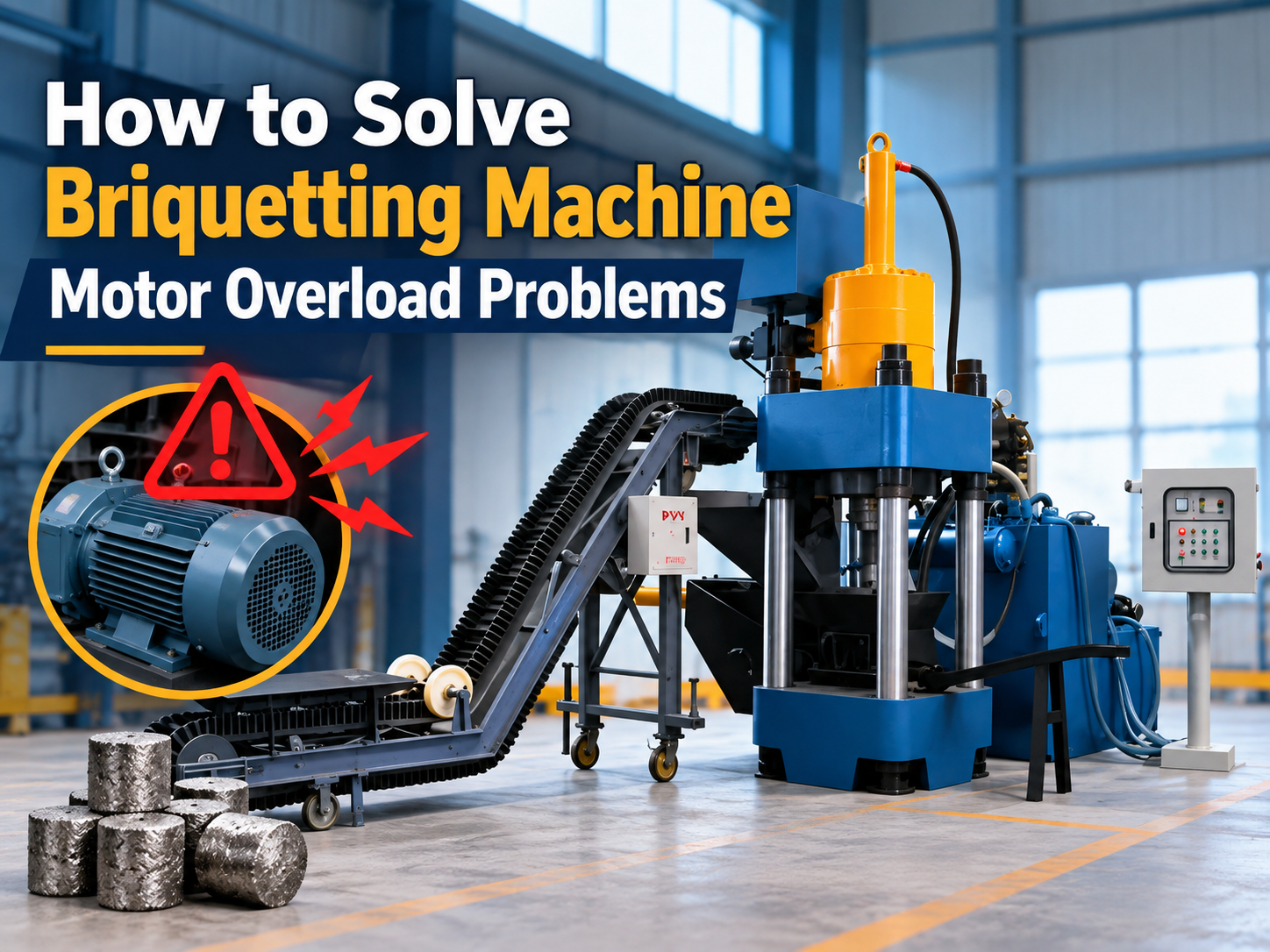
In the demanding world of metal fabrication and recycling, the briquetting machine serves as a critical asset for transforming loose metal chips, turnings, and swarf into dense, manageable briquettes. However, operators often encounter the frustrating issue of motor overload. When a motor draws more current than its rated capacity, the internal protection systems trigger a shutdown to prevent permanent damage. Understanding how to solve briquetting machine motor overload problems is essential for maintaining operational efficiency and extending the lifespan of your HARSLE equipment.
Motor overload is not merely a nuisance; it is a diagnostic signal from your machine indicating that the mechanical or electrical load exceeds the design parameters. Ignoring these warnings can lead to catastrophic motor failure, expensive downtime, and costly repairs. By systematically analyzing the root causes—ranging from material density issues to hydraulic system malfunctions—operators can implement effective solutions to keep production lines moving.
This guide provides a deep dive into the technical aspects of motor performance in briquetting systems. We will explore the common triggers for overload, the diagnostic steps required to identify the culprit, and the preventive maintenance strategies that ensure your machinery operates within safe limits. Whether you are managing a large-scale recycling facility or a specialized metal fabrication shop, these insights will help you master the complexities of your briquetting press.
Key Considerations for Identifying Overload Triggers
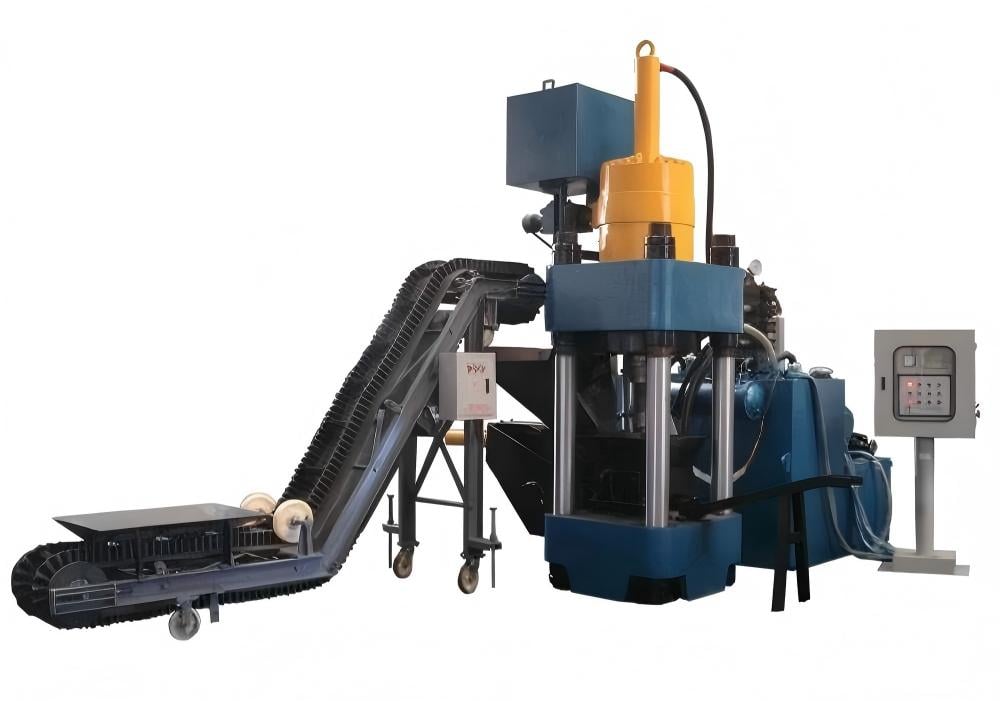
The first step to solve briquetting machine motor overload problems is to categorize the nature of the overload. Is it instantaneous, occurring the moment the machine starts, or is it a gradual buildup that happens during the compression cycle? Instantaneous overloads are typically electrical in nature, often pointing to short circuits, faulty wiring, or incorrect parameter settings in the Variable Frequency Drive (VFD).
Conversely, gradual overloads that occur during the compaction phase are usually mechanical or hydraulic. When the machine attempts to compress a volume of metal that exceeds the hydraulic pressure capacity, the motor must work harder to maintain the required force. If the material is too dense, too cold, or contains contaminants, the resistance against the ram increases significantly, forcing the motor to draw excessive current.
Environmental factors also play a significant role. High ambient temperatures can reduce the cooling efficiency of the motor, leading to thermal overload even if the mechanical load is within normal limits. Furthermore, poor power quality, such as voltage fluctuations or phase imbalances, can cause the motor to draw higher current to compensate for the lack of stable power, eventually triggering the overload protection relay.
Finally, consider the human element. Operator error, such as overfeeding the hopper or attempting to process materials that the machine is not rated for, is a frequent cause of overload. Establishing strict material handling protocols and ensuring that the feed rate is synchronized with the compression cycle is vital for preventing these issues before they manifest as electrical faults.
Technical Details: Diagnosing and Resolving Electrical and Mechanical Faults
To effectively solve briquetting machine motor overload problems, you must perform a structured diagnostic process. Start by checking the hydraulic oil temperature and viscosity. If the oil is too thick due to cold weather, the pump requires more torque to move the fluid, which directly translates to higher motor current. Ensure that your hydraulic system is equipped with an oil heater if operating in colder climates.
Next, inspect the hydraulic pump for signs of wear. A failing pump often experiences internal leakage, which reduces volumetric efficiency. To compensate for the loss of pressure, the motor must run longer or at higher speeds, leading to overheating. Use a pressure gauge to verify that the system pressure matches the manufacturer’s specifications. If the pressure relief valve is set too high, the motor will be forced to work against excessive resistance.
Examine the mechanical components of the compression chamber. Metal chips can sometimes jam the ram or build up in the die, creating friction that the motor must overcome. Regular cleaning and lubrication of the guide rails and the compression die are non-negotiable tasks. If the die is worn or damaged, the friction coefficient increases, causing the motor to struggle during the ejection and compression phases.
On the electrical side, verify the settings on your motor overload relay or VFD. Over time, these components can drift or be incorrectly adjusted. Ensure that the thermal overload relay is set to the motor’s full-load amperage (FLA) as specified on the nameplate. If the motor is drawing current consistently near the limit, consider checking the motor windings for insulation breakdown using a megohmmeter, as degraded insulation can lead to increased current draw.
Selection Advice: Matching Equipment to Your Material
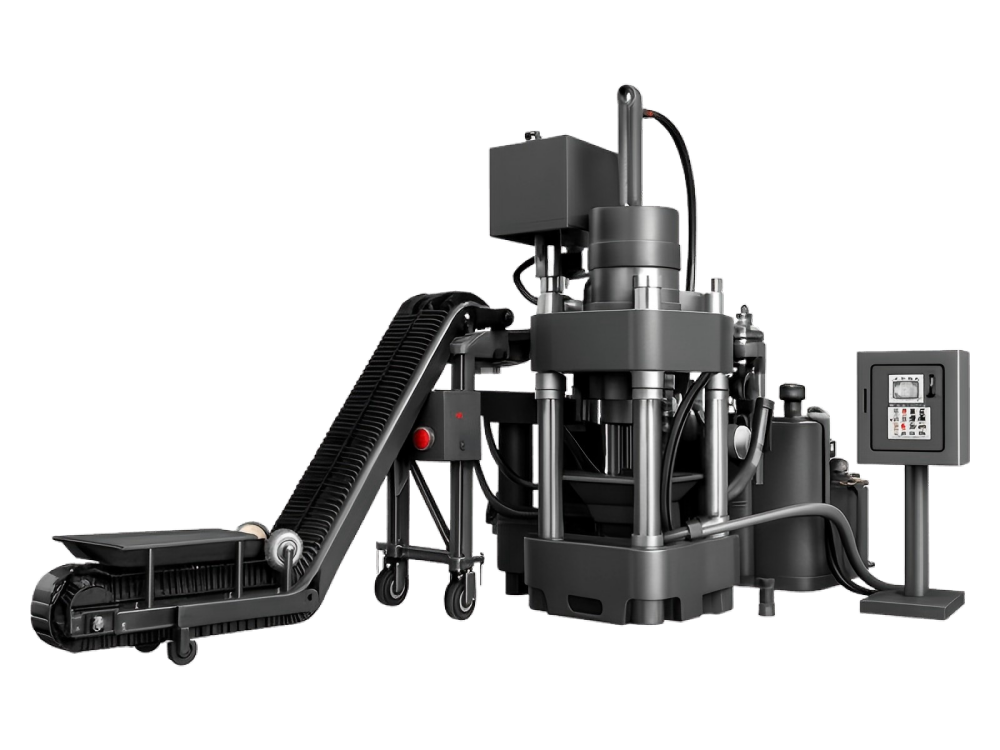
Choosing the right briquetting machine is the most effective way to prevent motor overload before it starts. Many overload issues stem from a mismatch between the machine’s capacity and the material being processed. For instance, processing high-tensile steel turnings requires significantly more force than processing aluminum chips. If your machine is undersized for the material density, it will constantly operate at the edge of its motor’s capacity.
When selecting a machine, evaluate the material throughput requirements and the physical characteristics of your scrap. HARSLE offers a range of briquetting presses with varying tonnage and motor power. Always opt for a machine that provides a 15-20% buffer above your maximum expected load. This headroom ensures that the motor operates in its most efficient range, reducing heat generation and electrical stress.
Consider the automation level of the feed system. A controlled, consistent feed rate prevents the “slugging” effect, where a large mass of material enters the compression chamber at once, causing a sudden spike in torque. Automated screw feeders or vibratory conveyors are excellent for maintaining a steady flow, which keeps the motor load stable and predictable throughout the shift.
Finally, look for machines that feature advanced diagnostic interfaces. Modern HARSLE briquetting machines come equipped with PLC systems that monitor motor current in real-time. These systems can provide early warnings before an actual trip occurs, allowing operators to adjust the feed rate or material mix. Investing in equipment with robust monitoring capabilities is a proactive step in solving briquetting machine motor overload problems.
Maintenance Best Practices for Long-Term Reliability
Preventive maintenance is the cornerstone of industrial machinery longevity. To solve briquetting machine motor overload problems, establish a rigorous maintenance schedule that includes daily, weekly, and monthly tasks. Daily checks should focus on the hydraulic oil level, the condition of the feed hopper, and the cleanliness of the cooling fans on the motor housing. Dust and debris buildup on the motor fins can severely inhibit heat dissipation.
Weekly maintenance should involve inspecting electrical connections. Loose terminals can cause high resistance, which leads to localized heating and voltage drops. Tighten all electrical connections in the control cabinet and the motor junction box. Additionally, check the hydraulic hoses for leaks or kinks that might restrict flow and increase system pressure requirements.
Monthly maintenance should include a thorough analysis of the hydraulic fluid. Contaminated oil can cause premature wear on pump components, leading to the mechanical overloads discussed earlier. Perform an oil analysis to check for metallic particles, which indicate internal wear. Replace the hydraulic filters regularly to ensure that the fluid remains clean and the system operates at peak efficiency.
Lastly, keep a detailed maintenance log. Tracking when overloads occur, the material being processed at the time, and the ambient conditions can help you identify patterns. If a specific material consistently causes issues, you may need to adjust your processing parameters or invest in a pre-shredder to reduce the material size before it enters the briquetting press. This data-driven approach is the hallmark of a professional maintenance strategy.
FAQ: Domande frequenti
Why does my briquetting machine trip the motor breaker during the compression stroke?
This is usually caused by excessive hydraulic pressure requirements. Check if the material is too dense, the die is clogged, or the pressure relief valve is set too high. It could also be a sign of a failing hydraulic pump that is struggling to reach the required pressure.
Can a faulty VFD cause motor overload?
Yes. If the VFD parameters are incorrectly configured, or if the drive is failing to provide the correct voltage-to-frequency ratio, the motor may draw excessive current. Ensure the VFD settings match the motor’s nameplate data exactly.
How often should I clean the motor cooling fins?
In a dusty metal fabrication environment, you should inspect the motor cooling fins weekly. If you notice a buildup of metal dust or oil mist, use compressed air to clean them. Proper airflow is critical to preventing thermal overload.
Is it safe to increase the setting on the thermal overload relay?
No. You should never increase the relay setting beyond the motor’s rated FLA. Doing so bypasses the safety mechanism designed to protect the motor from burning out. If the motor is tripping, it is a symptom of an underlying problem that must be fixed, not bypassed.
What role does hydraulic oil viscosity play in motor load?
Hydraulic oil that is too viscous (thick) increases the internal friction of the pump and the resistance in the hoses. This forces the motor to work harder, especially during startup. Always use the oil grade recommended by HARSLE for your specific operating temperature range.
Conclusione
Solving briquetting machine motor overload problems requires a combination of technical knowledge, proactive maintenance, and proper equipment selection. By understanding the relationship between material characteristics, hydraulic system health, and electrical parameters, you can effectively diagnose and resolve the root causes of motor trips. Remember that the goal is not just to clear the fault, but to ensure that your HARSLE briquetting machine operates within its optimal design parameters for years to come.
Regular inspections, clean operating environments, and a commitment to following manufacturer guidelines will significantly reduce the frequency of overload events. When in doubt, consult your HARSLE technical manual or contact our support team for specialized guidance. By treating your briquetting machine with the care it deserves, you ensure consistent production, higher quality output, and a safer working environment for your team. Stay vigilant, maintain your equipment, and keep your production line running at peak performance.