Case Study On Briquetting Machine Performance In A High-Volume Machining Facility

Introducción
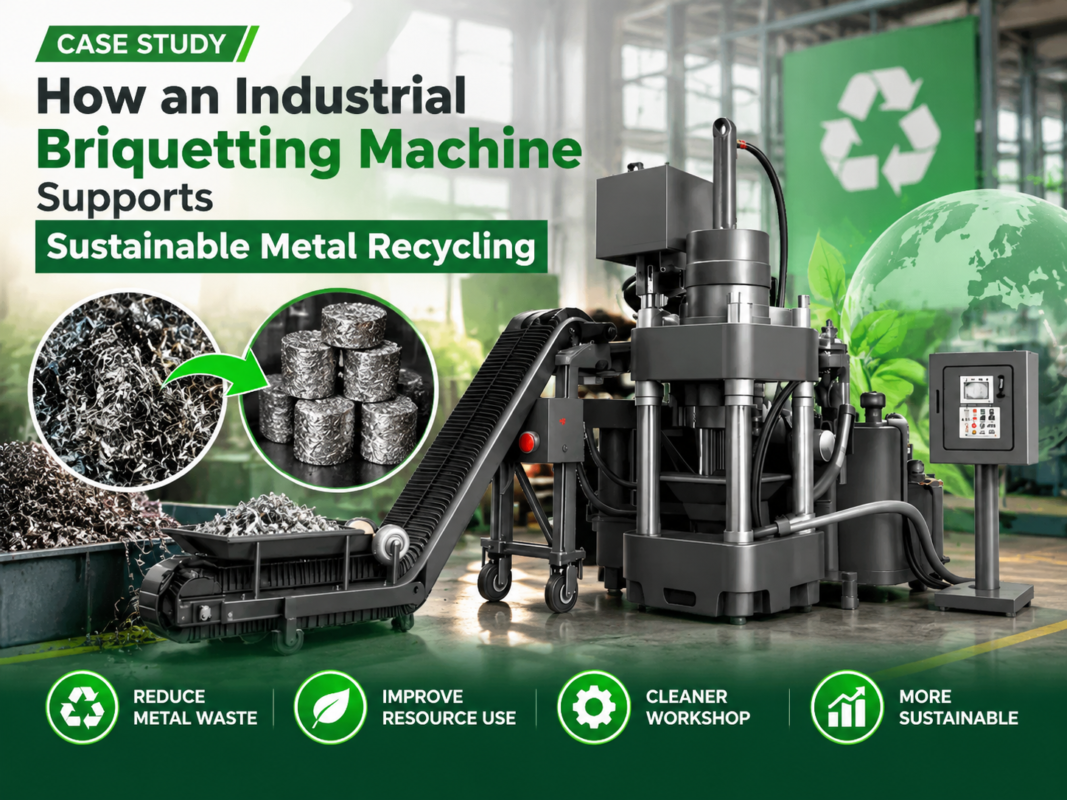
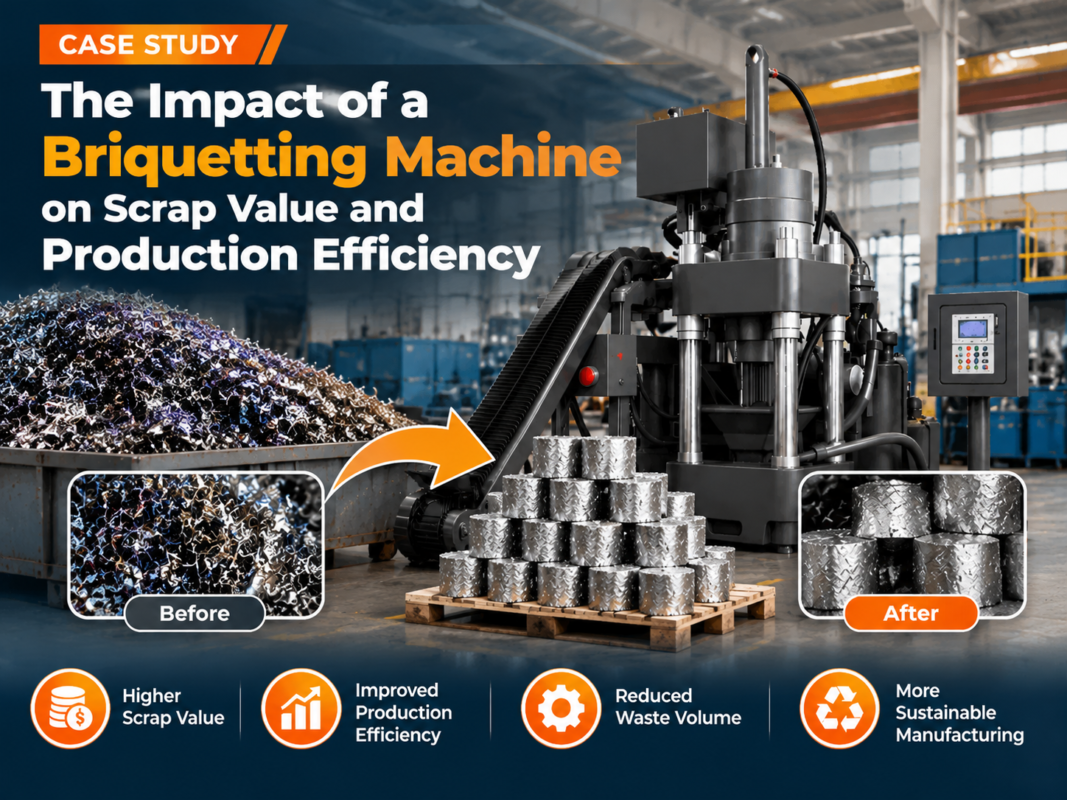
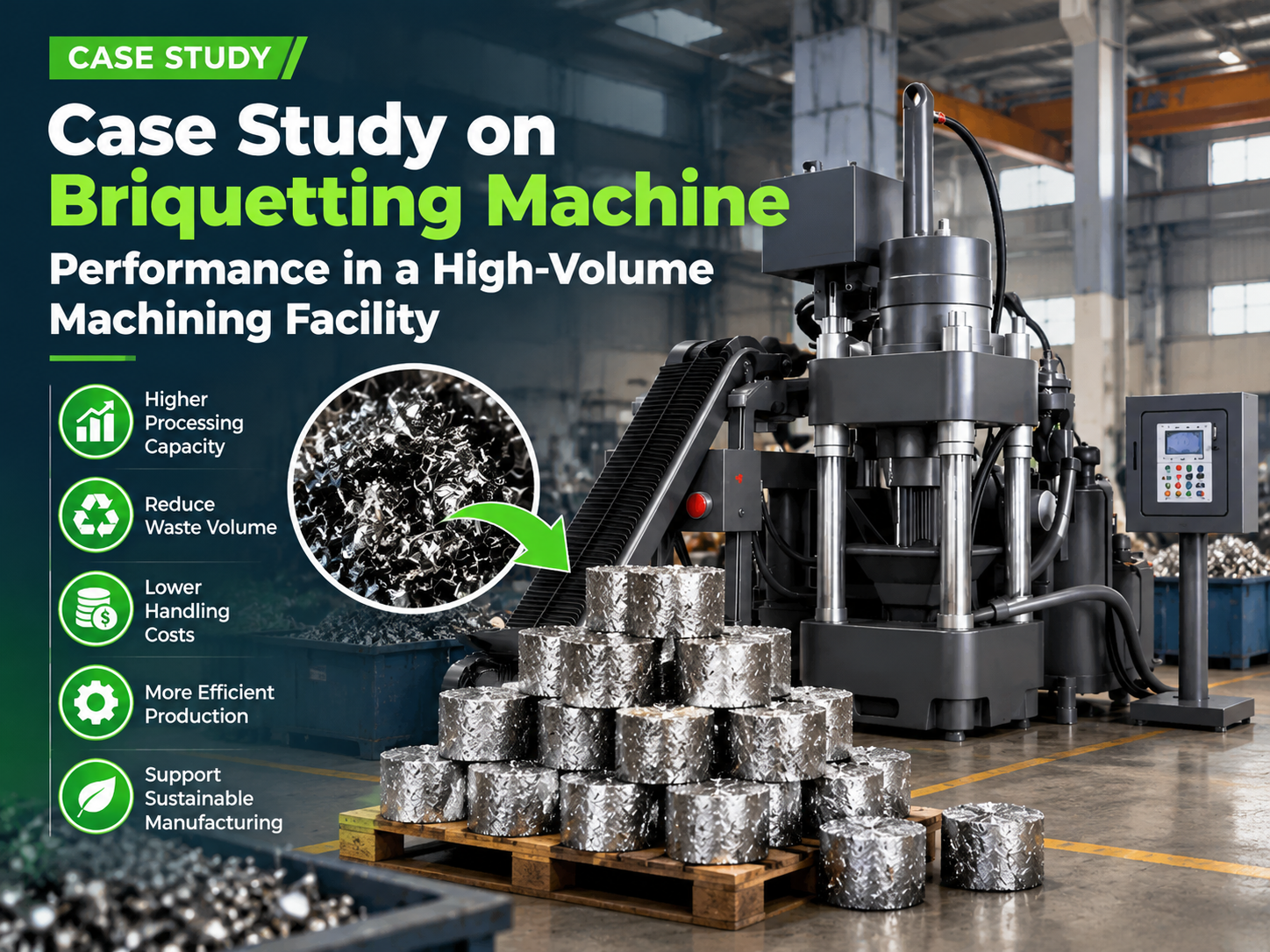
In the modern landscape of high-volume machining, the management of metal swarf and chips represents a significant operational challenge. For facilities producing tons of aluminum, steel, or copper waste daily, the traditional approach of storing loose chips is not only inefficient but also environmentally and financially detrimental. This article presents a comprehensive Case Study On Briquetting Machine Performance In A High-Volume Machining Facility, highlighting how HARSLE’s advanced hydraulic systems transform waste into valuable secondary raw materials.
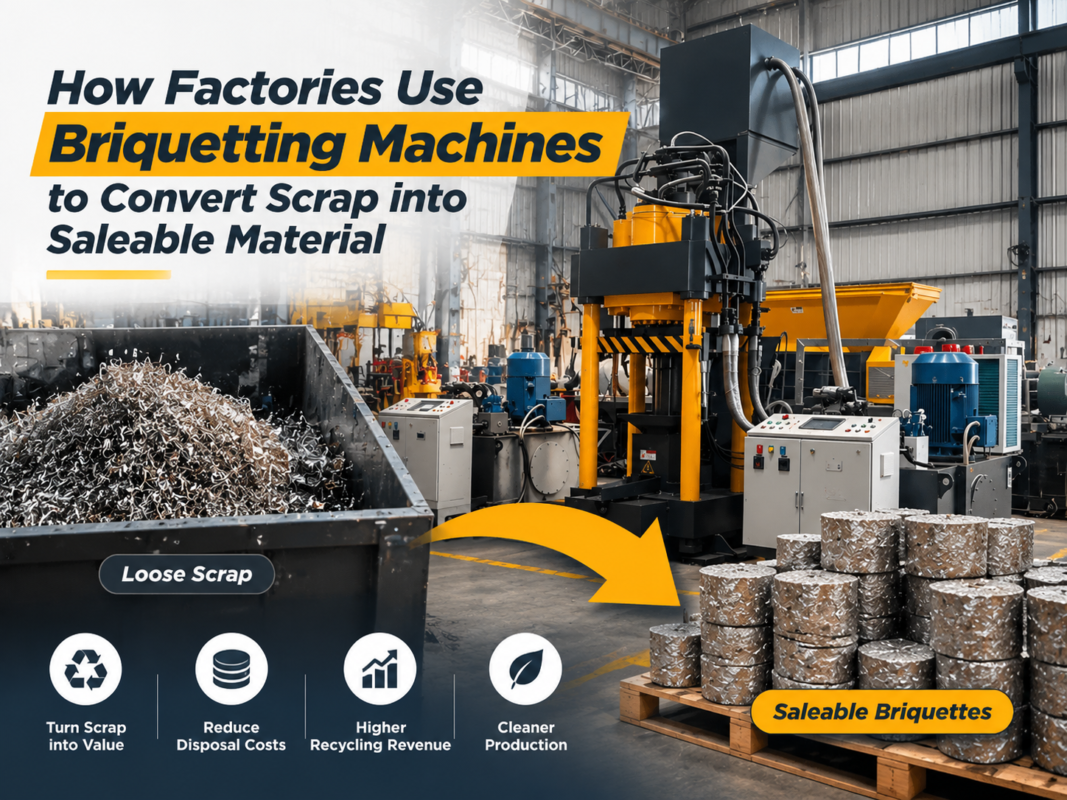
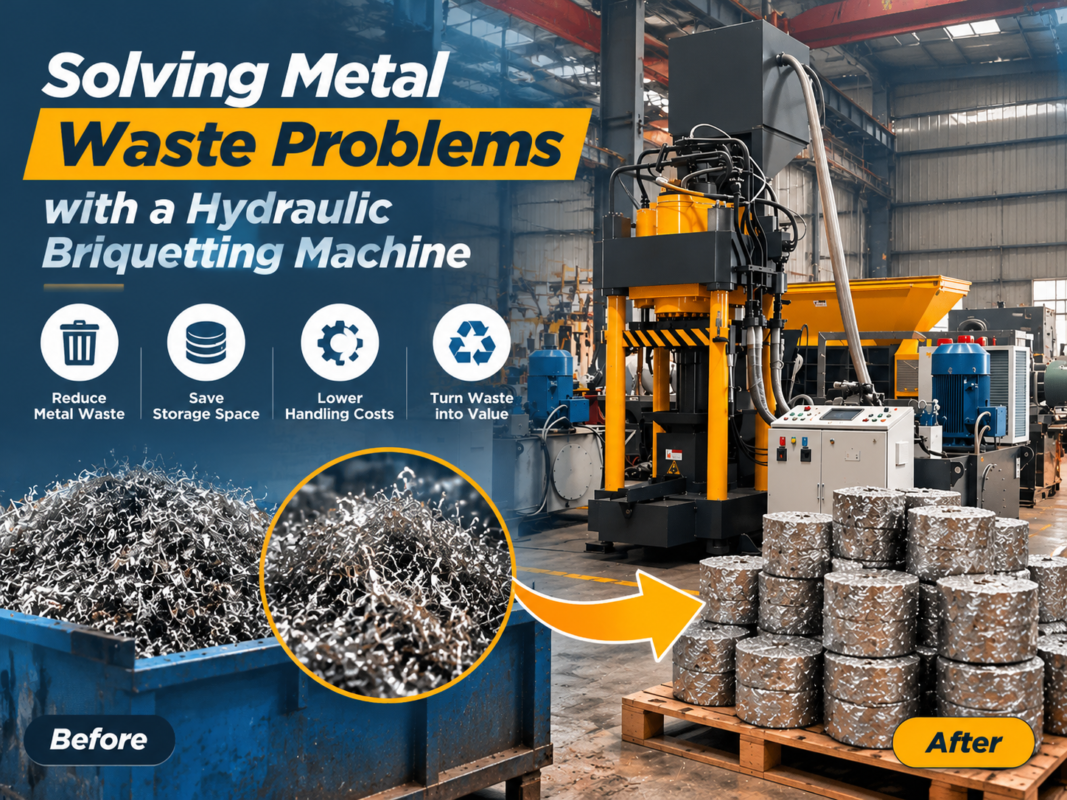
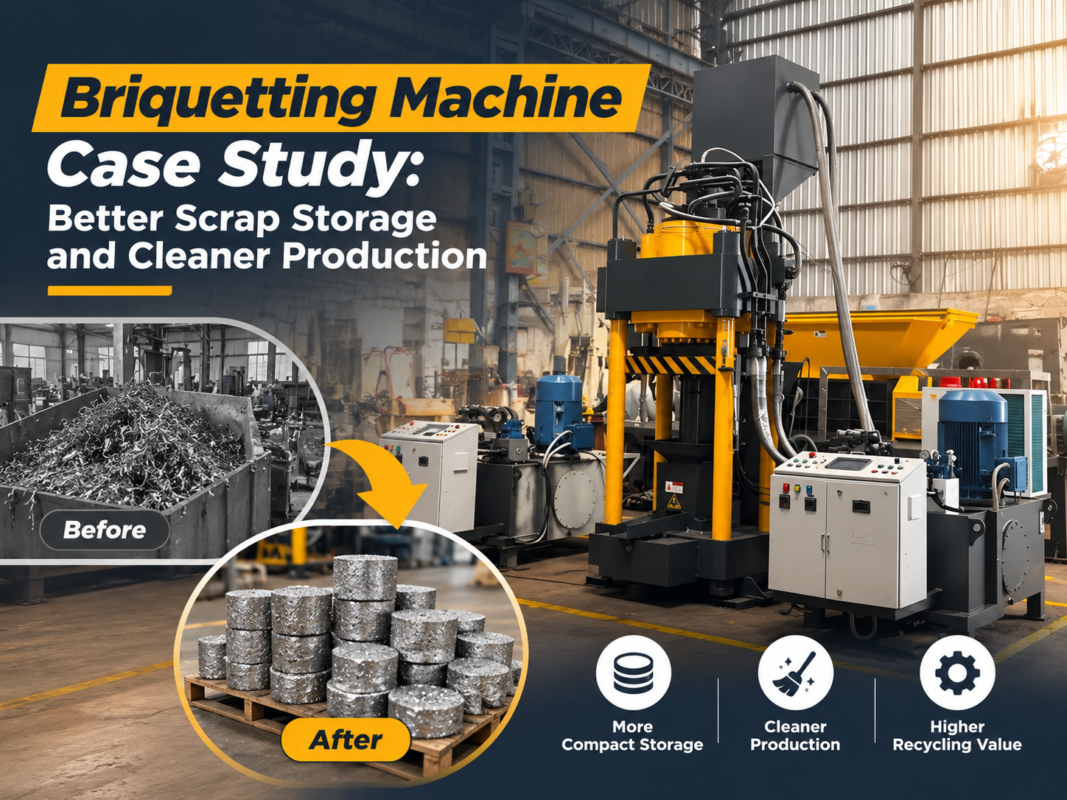
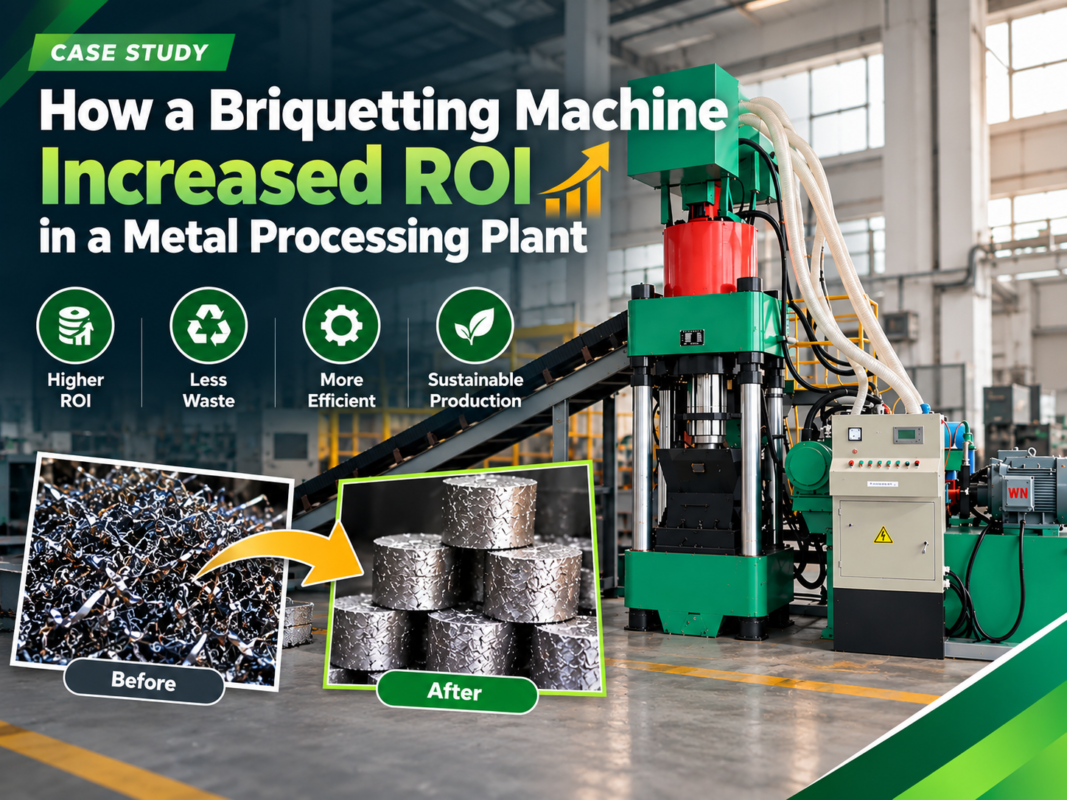
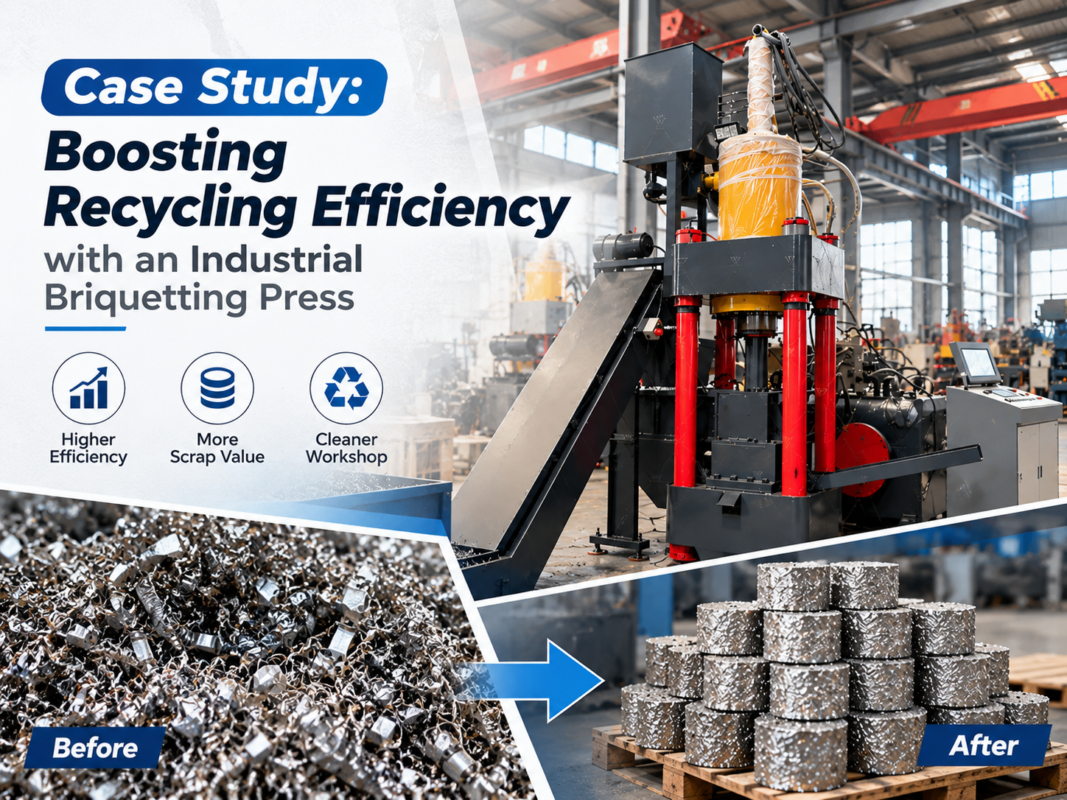
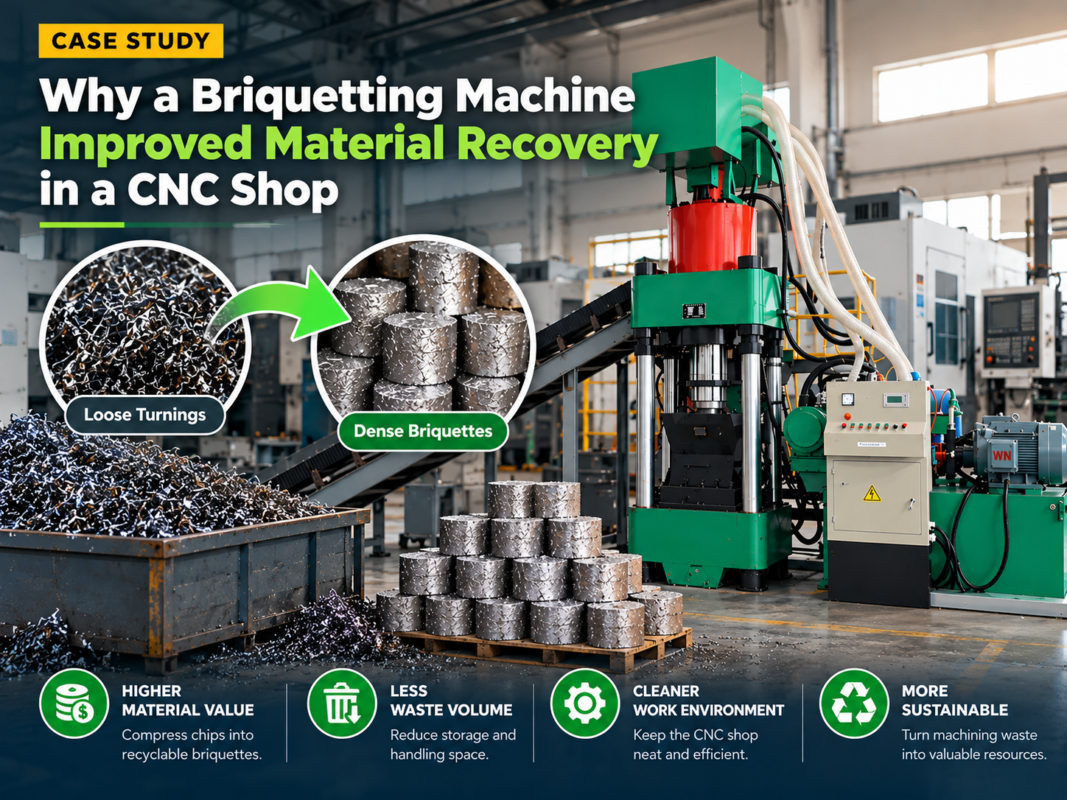
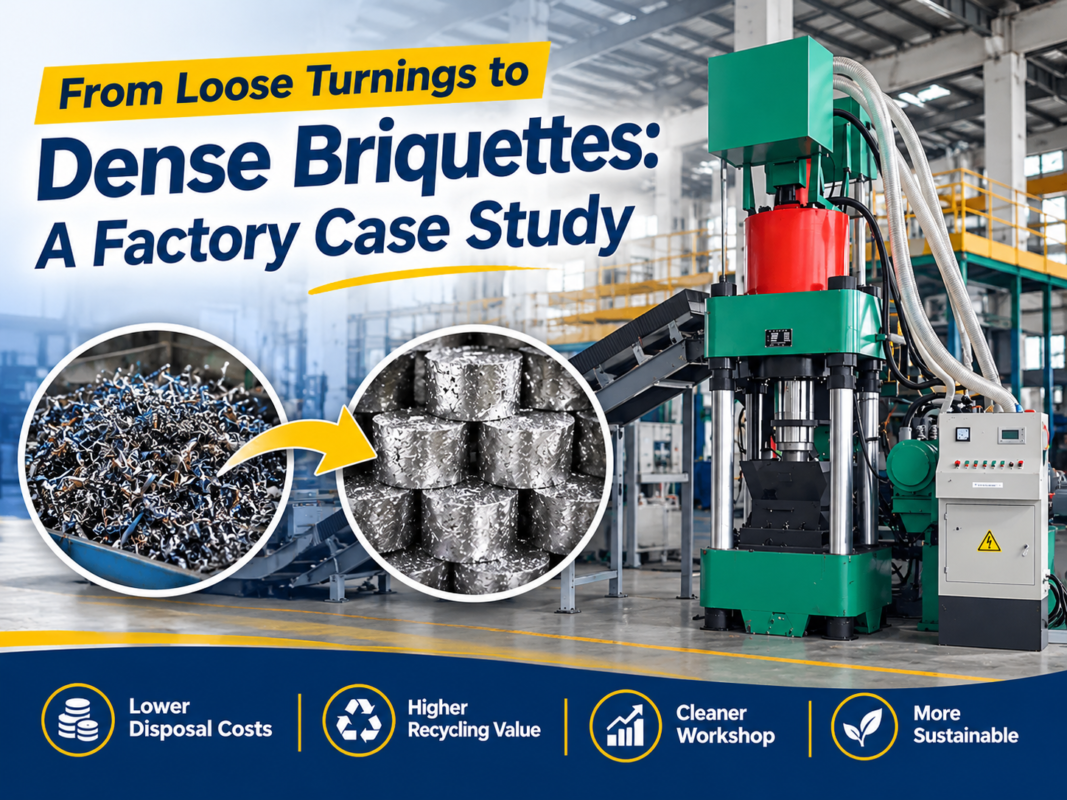
The facility in question, a Tier-1 automotive component manufacturer, faced mounting costs related to scrap storage, coolant loss, and logistical overhead. By integrating a HARSLE hydraulic metal chip briquetting machine, the facility was able to streamline its waste stream, recover expensive cutting fluids, and significantly increase the resale value of its scrap metal. This transition from loose swarf to dense, high-quality briquettes serves as a blueprint for modern industrial sustainability.
As we delve into the technical performance metrics of this installation, it becomes clear that the benefits extend far beyond simple waste reduction. The integration of automated briquetting technology allows for a closed-loop system where the byproduct of the machining process becomes a revenue stream rather than a disposal liability. This case study explores the operational shifts, technical specifications, and long-term ROI observed over an 18-month period.
Understanding the impact of these machines requires a look at the physics of material compaction. By applying high-pressure hydraulic force, the briquetting process removes up to 95% of residual coolant from the chips, which is then filtered and returned to the machine tools. This not only reduces the purchase of new coolant but also minimizes the environmental footprint of the facility, aligning with global green manufacturing standards.
Key Considerations for High-Volume Facilities
When evaluating the implementation of a briquetting system, high-volume facilities must first consider the volume and composition of their metal waste. Different metals, such as cast iron, aluminum, and brass, exhibit varying degrees of compressibility. A facility handling mixed metals requires a robust, versatile machine capable of adjusting pressure settings to ensure the structural integrity of the resulting briquette. Without proper density, briquettes may crumble during transport, leading to material loss and handling difficulties.
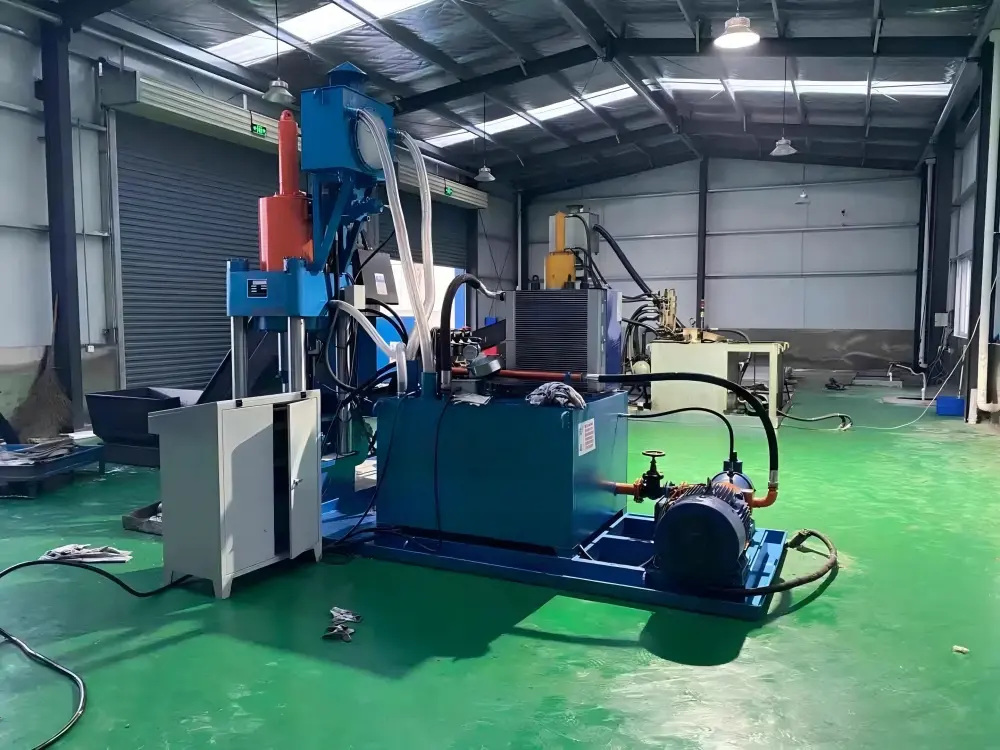
Space optimization is another critical factor. In a high-volume environment, floor space is at a premium. The HARSLE briquetting solutions are designed with a compact footprint, allowing for seamless integration into existing production lines. By placing the briquetting unit near the chip collection point, facilities can eliminate the need for large, cumbersome storage bins that occupy valuable manufacturing floor space and create safety hazards for personnel and forklift traffic.
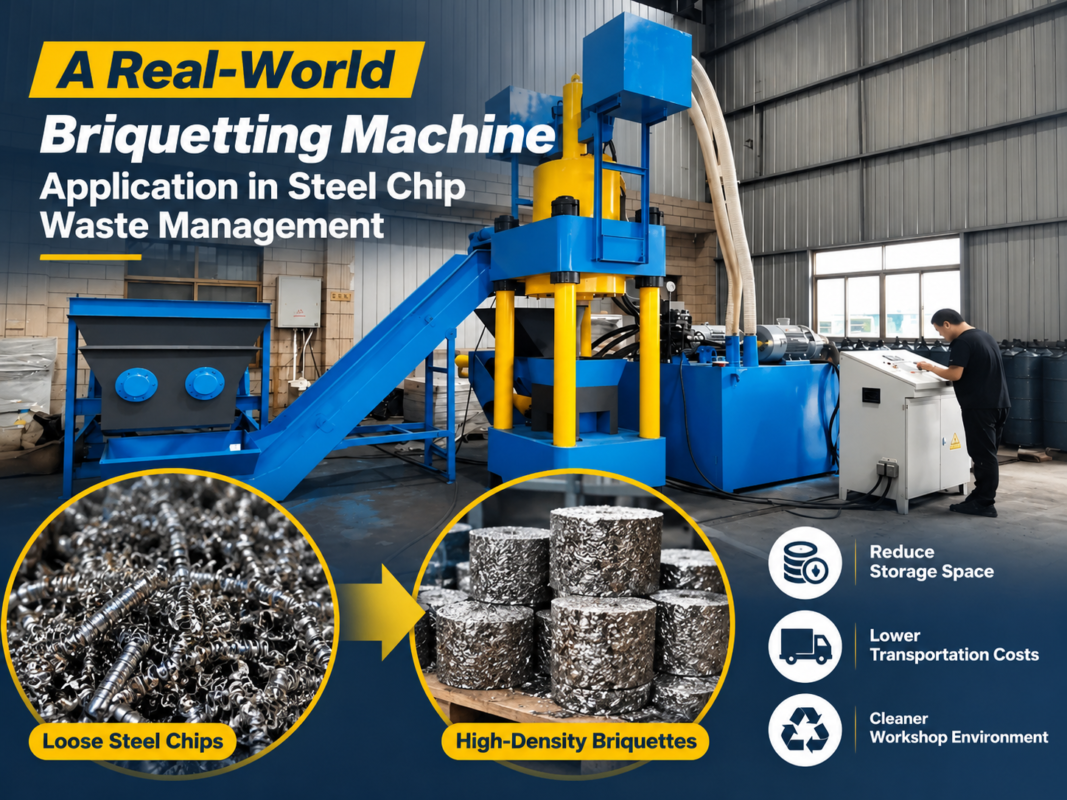
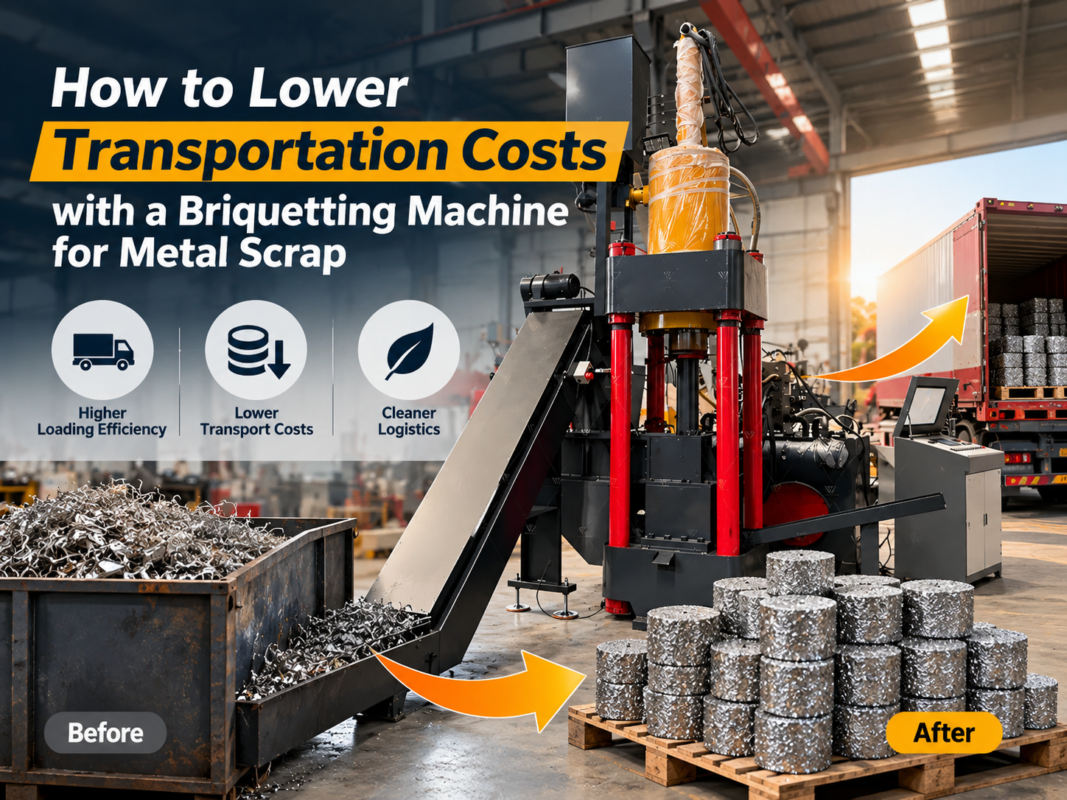
Logistics and material handling efficiency cannot be overlooked. Loose chips are notoriously difficult to transport, requiring specialized containers and frequent trips to the scrap yard. Briquettes, by contrast, are uniform in size and density, making them easy to stack, palletize, and transport. This shift reduces the frequency of scrap removal trips, lowers transportation costs, and simplifies the inventory management of scrap metal, allowing the facility to hold material until market prices are optimal.
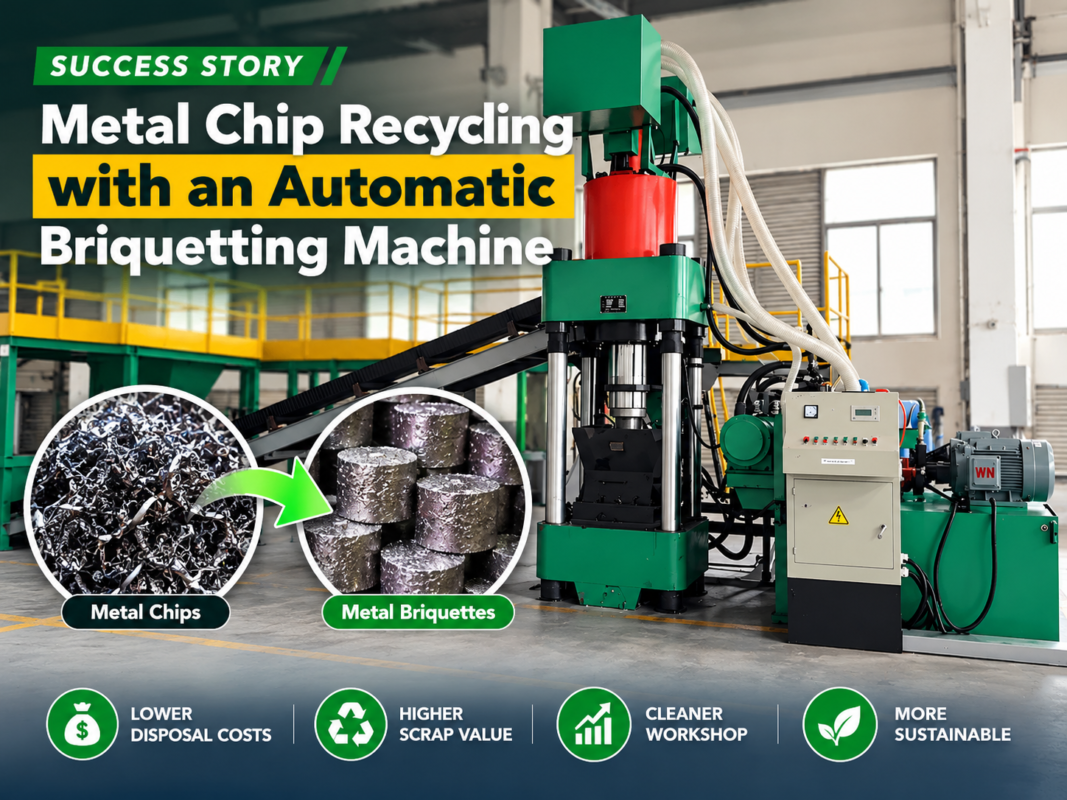
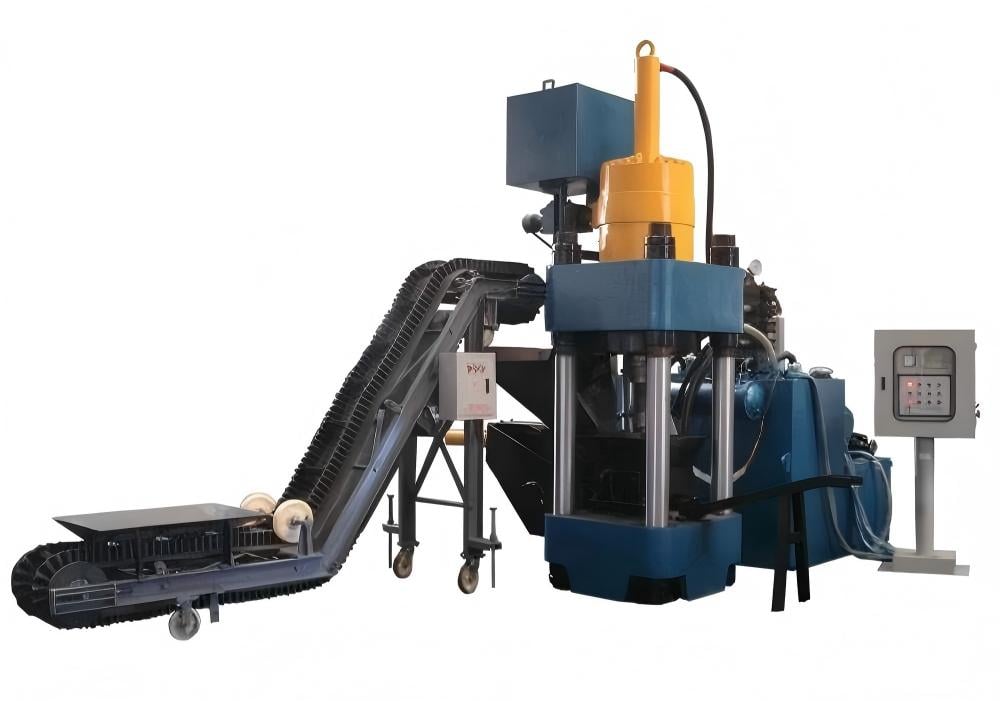
Finally, the integration of automation is essential for high-volume success. Modern briquetting machines should feature automated feeding systems, such as conveyors or screw augers, to ensure a continuous flow of material without manual intervention. This reduces labor costs and ensures that the machine operates at maximum capacity throughout the shift. HARSLE’s systems are engineered to communicate with existing PLC controllers, providing real-time data on throughput, pressure levels, and maintenance requirements.
Technical Details of the HARSLE Implementation
The core of the HARSLE solution lies in its high-pressure hydraulic circuit. In this case study, the facility utilized a vertical hydraulic press capable of exerting over 200 tons of force. This immense pressure is necessary to overcome the elastic memory of metal chips, forcing them into a solid, cylindrical shape. The hydraulic system is powered by high-efficiency motors that minimize energy consumption while maintaining the high cycle speeds required for continuous operation.
The filtration system is a standout technical feature. As the chips are compressed, the residual coolant is squeezed out through a perforated die. This fluid is collected in a dedicated sump, passed through a multi-stage filtration unit to remove fine metal particles, and then pumped back into the facility’s central coolant system. This process not only saves money on coolant procurement but also extends the life of the cutting tools by ensuring that the fluid remains clean and free of contaminants.
Durability is engineered into every component. The compression chamber is lined with wear-resistant alloys to withstand the abrasive nature of metal chips. In high-volume facilities, the machine operates under constant stress; therefore, HARSLE utilizes heavy-duty guide rails and reinforced hydraulic cylinders to prevent misalignment. The PLC control system monitors the pressure and cycle time for every single briquette, ensuring that if a batch of material is inconsistent, the machine automatically adjusts its parameters to maintain quality.
Safety and maintenance protocols are integrated into the machine’s architecture. The HARSLE systems include comprehensive sensor arrays that detect blockages, overheating, or hydraulic pressure drops. These sensors trigger automatic shutdowns to prevent damage, while the user-friendly HMI (Human-Machine Interface) provides operators with clear diagnostics. This level of technical sophistication ensures that the machine remains a reliable workhorse, capable of running 24/7 with minimal downtime for routine maintenance.
Selection Advice for Industrial Buyers
Selecting the right briquetting machine requires a thorough audit of your facility’s specific needs. Start by analyzing your daily chip output in terms of both volume and material type. A machine that is undersized will struggle to keep up with production, leading to bottlenecks, while an oversized machine represents an unnecessary capital expenditure. Work with HARSLE engineers to calculate the required throughput and ensure the machine’s capacity aligns with your peak production cycles.
Consider the physical characteristics of your chips. Long, stringy chips—often produced by turning operations—require a pre-crusher or shredder before they can be fed into the briquetting press. Without shredding, these chips can bridge in the hopper and cause feeding failures. HARSLE offers integrated shredding solutions that ensure a consistent material density, which is vital for producing high-quality, uniform briquettes that command higher prices from scrap dealers.
Evaluate the maintenance support and spare parts availability. In a high-volume facility, any downtime is costly. Choose a manufacturer like HARSLE that provides comprehensive after-sales support, including remote diagnostics, readily available spare parts, and training for your maintenance staff. A machine is only as good as the support behind it, and having a partner who understands the urgency of industrial manufacturing is a significant competitive advantage.
Finally, look at the total cost of ownership rather than just the initial purchase price. Factor in energy efficiency, the value of recovered coolant, the increase in scrap resale value, and the reduction in labor and logistics costs. When these factors are aggregated, the ROI for a high-quality briquetting machine is often achieved within 12 to 24 months. Always request a trial run or a site visit to a similar facility to see the equipment in action before making your final decision.
Frequently Asked Questions
What is the primary benefit of using a briquetting machine?
The primary benefit is the transformation of bulky, low-value metal chips into dense, high-value briquettes. This process recovers expensive cutting fluids, reduces storage space requirements, and significantly increases the market value of the scrap metal.
Can a briquetting machine handle different types of metals?
Yes, HARSLE briquetting machines are designed to handle a wide range of metals, including aluminum, steel, cast iron, copper, and brass. However, settings must be adjusted based on the material’s density and compressibility.
How much coolant can be recovered?
Depending on the material and the initial saturation level, HARSLE briquetting systems can recover up to 95% of the residual coolant, which can then be filtered and reused in the machining process.
Does the machine require a lot of maintenance?
Like any industrial equipment, regular maintenance is required to ensure longevity. This includes checking hydraulic fluid levels, cleaning filters, and inspecting the compression chamber for wear. HARSLE machines are designed for easy access to these components to simplify maintenance tasks.
Is it possible to integrate the machine into an existing production line?
Absolutely. HARSLE machines are designed with modularity in mind. They can be integrated with existing chip conveyors and automated feeding systems to create a fully autonomous waste management solution.
Conclusión
The Case Study On Briquetting Machine Performance In A High-Volume Machining Facility clearly demonstrates that investing in high-quality briquetting technology is a strategic move for any modern manufacturer. By converting waste into a manageable, high-value commodity, facilities can improve their bottom line while simultaneously reducing their environmental impact. HARSLE remains at the forefront of this technology, providing the robust, efficient, and reliable equipment necessary to thrive in today’s competitive industrial environment.
As manufacturing continues to evolve toward more sustainable and efficient practices, the role of metal chip recycling will only grow in importance. Facilities that adopt these technologies now will not only see immediate financial returns but will also position themselves as leaders in responsible manufacturing. Whether you are looking to optimize your logistics, recover valuable fluids, or simply clean up your shop floor, a HARSLE briquetting machine offers the performance and reliability required to meet your goals.
We encourage facility managers and procurement teams to evaluate their current scrap management processes and consider the long-term benefits of briquetting. With the right equipment, the byproduct of your machining operations can become a significant asset rather than a hidden cost. Contact HARSLE today to discuss your specific requirements and take the first step toward a more efficient, profitable, and sustainable future.