Container Shear Performance Test In A Real-World Scrap Metal Operation: A Comprehensive HARSLE Analysis

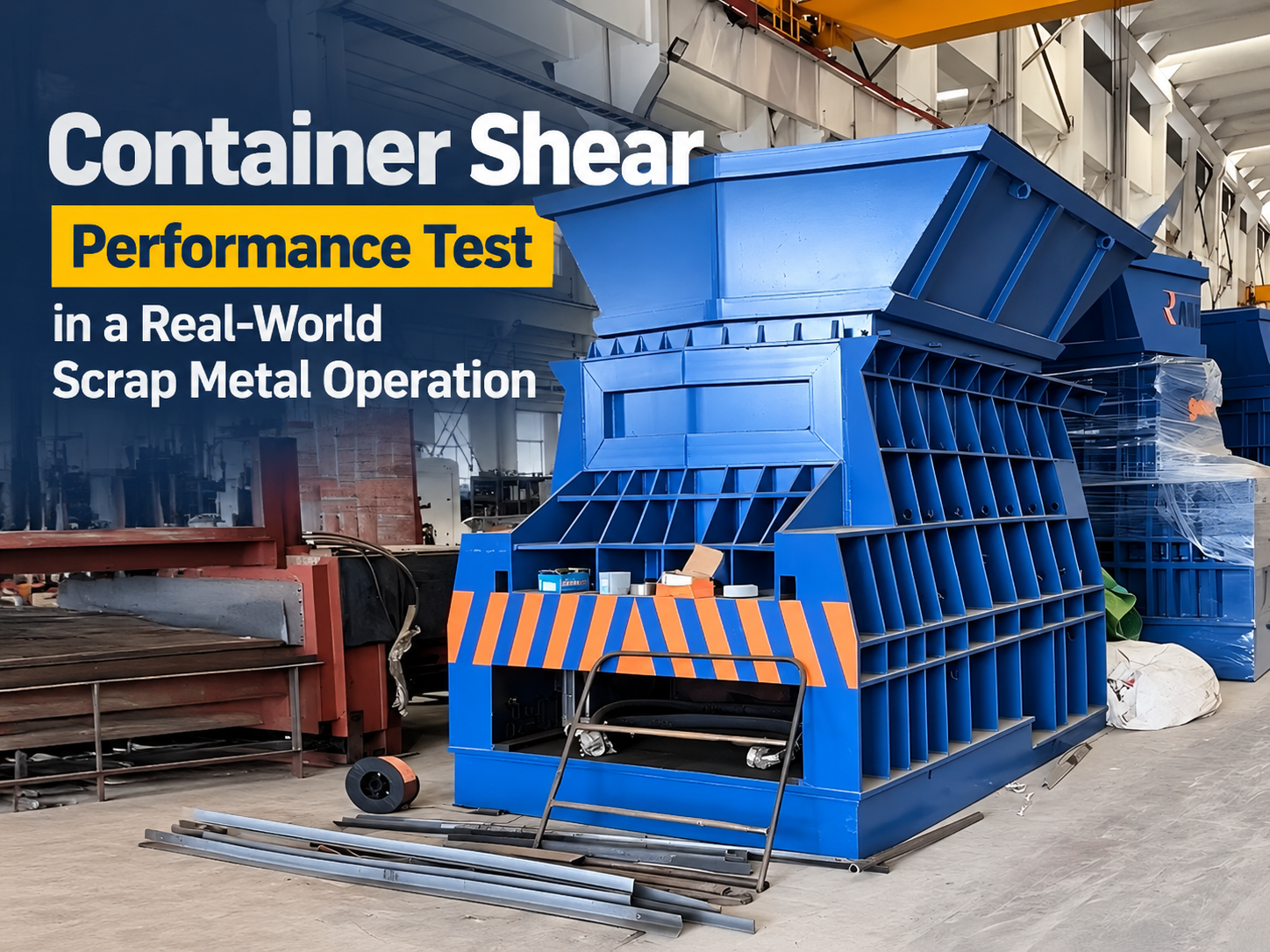
Introduction: The Critical Role of Container Shears in Modern Recycling
In the high-stakes environment of modern scrap metal recycling, efficiency is not merely an advantage; it is the primary determinant of profitability. As global demand for processed ferrous and non-ferrous metals continues to climb, scrap yards are under immense pressure to increase throughput while maintaining strict safety and quality standards. The Container Shear Performance Test In A Real-World Scrap Metal Operation serves as the definitive benchmark for evaluating whether a machine can withstand the grueling, 24/7 demands of a high-volume facility.
HARSLE has long been at the forefront of engineering robust, high-capacity shearing solutions designed to bridge the gap between raw scrap collection and furnace-ready material. A container shear is a specialized piece of equipment that combines the mobility of a containerized unit with the raw cutting force of a stationary shear. This design allows operators to process bulky, irregular scrap directly into transportable dimensions, significantly reducing logistics costs and handling time.
This article provides an in-depth look at a recent performance test conducted in a real-world scrap metal operation. By analyzing the mechanical stress, cycle times, and material throughput, we aim to provide facility managers and procurement officers with the data necessary to make informed investment decisions. Whether you are upgrading an existing yard or establishing a new processing site, understanding the nuances of shear performance is essential for long-term operational success.
The following sections will dissect the technical specifications, real-world performance metrics, and strategic selection criteria that define the HARSLE approach to scrap processing. We will explore how these machines handle diverse material grades, from light-gauge sheet metal to heavy structural steel, and why the integration of advanced hydraulic systems is a game-changer for the industry.
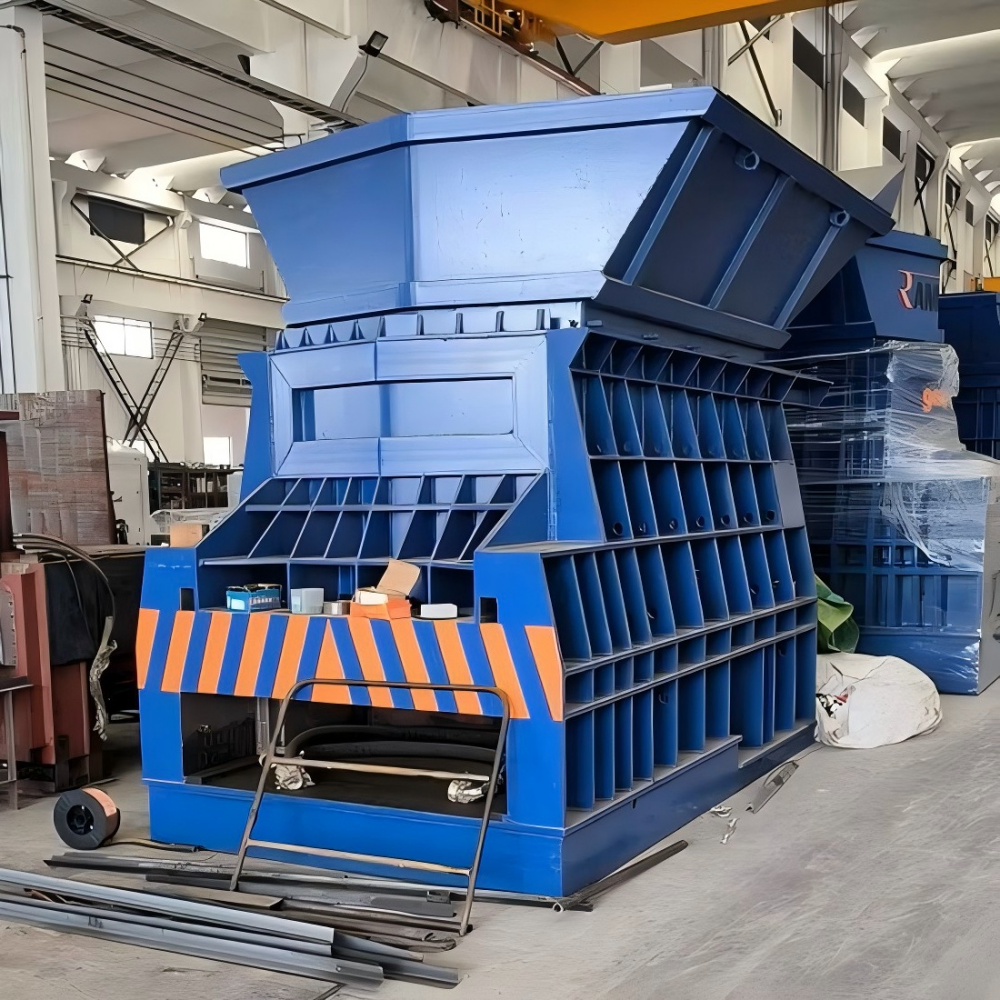
Key Considerations for Real-World Scrap Metal Operations
When evaluating a Container Shear Performance Test In A Real-World Scrap Metal Operation, one must look beyond the manufacturer’s theoretical specifications. Real-world environments are characterized by unpredictable material density, varying moisture levels, and the constant presence of contaminants. A shear that performs perfectly in a laboratory setting may struggle when faced with a mixed load of automotive frames, rebar, and industrial piping.
The first key consideration is material versatility. A high-performance shear must be able to handle a wide spectrum of scrap types without requiring frequent blade adjustments or hydraulic pressure recalibrations. In our test, we observed how the HARSLE shear managed the transition from thin-walled steel tubing to thick, high-carbon steel plates. The ability to maintain consistent cutting force across these varying densities is what separates industrial-grade equipment from standard machinery.
Secondly, cycle time efficiency is paramount. In a scrap yard, time is literally money. The speed of the ram, the efficiency of the material feeding system, and the automated control interface all contribute to the total tons-per-hour (TPH) output. A performance test must measure not just the cutting action, but the entire cycle—from loading the container to the discharge of the sheared material. HARSLE’s focus on high-speed hydraulic valves and optimized cylinder stroke lengths ensures that idle time is kept to an absolute minimum.
Thirdly, durability under load is a critical factor. Scrap metal is abrasive and unpredictable. The shear blades, the internal lining of the container, and the hydraulic seals are all subject to extreme wear and tear. A successful performance test must demonstrate that the machine can operate for extended periods without experiencing overheating or structural fatigue. HARSLE utilizes high-tensile steel alloys and reinforced structural designs to ensure that the shear remains operational even under the most demanding conditions.
Finally, safety and ease of maintenance cannot be overlooked. A machine that is difficult to service will inevitably lead to extended downtime. Our real-world test evaluated the accessibility of lubrication points, the ease of blade replacement, and the integration of safety sensors that prevent accidental operation. By prioritizing these factors, HARSLE ensures that the shear is not only a high-output tool but also a reliable asset that minimizes the total cost of ownership over its operational lifespan.
Technical Details: Inside the HARSLE Shear Mechanism
The core of the HARSLE container shear lies in its sophisticated hydraulic architecture. Unlike traditional shears that rely on simple mechanical leverage, HARSLE employs a multi-stage hydraulic system that allows for variable pressure application. This is crucial during a Container Shear Performance Test In A Real-World Scrap Metal Operation, as it allows the machine to apply maximum force only when necessary, thereby conserving energy and reducing heat buildup in the hydraulic fluid.
The cutting head is engineered with a high-grade, wear-resistant steel alloy that maintains its edge sharpness significantly longer than standard carbon steel blades. During the test, we monitored the blade gap clearance, which is adjustable to accommodate different material thicknesses. A precise blade gap is essential for achieving a clean, shearing cut rather than a tearing action, which reduces the load on the hydraulic cylinders and prevents jamming.
Another technical highlight is the automated PLC (Programmable Logic Controller) system. This system monitors the pressure in the main cylinders in real-time. If the shear encounters an exceptionally dense piece of metal, the PLC automatically adjusts the hydraulic flow to increase the cutting force, preventing the machine from stalling. This intelligent feedback loop is a hallmark of HARSLE’s commitment to advanced industrial automation.
The structural integrity of the container itself is also a technical marvel. It is designed to withstand the immense lateral forces generated during the shearing process. The interior walls are reinforced with replaceable wear plates, which protect the main chassis from the constant impact of falling scrap. This modular design means that even if the internal lining sustains damage, it can be replaced quickly without requiring a complete overhaul of the shear unit.
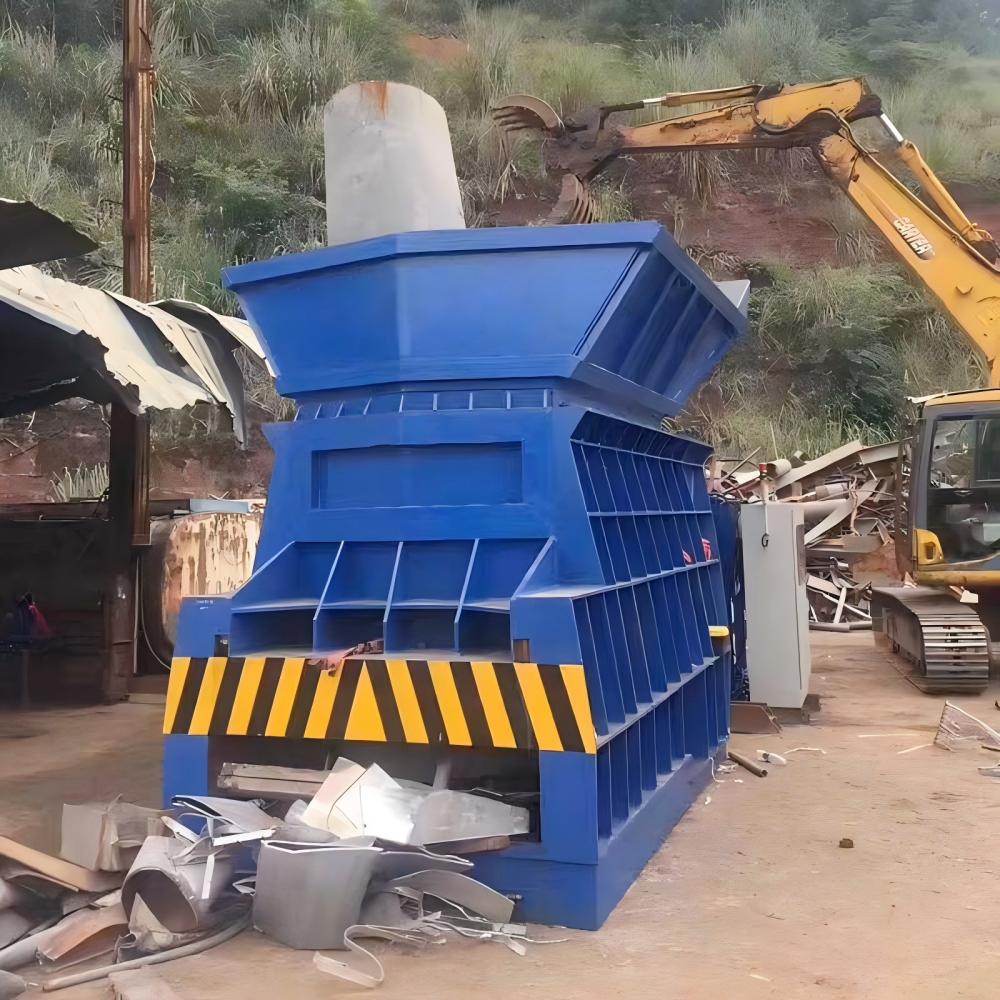
Selection Advice: Choosing the Right Shear for Your Yard
Selecting the right container shear requires a thorough audit of your current and projected scrap intake. Before purchasing, you must categorize your material stream. Are you primarily processing light-gauge sheet metal, or are you dealing with heavy industrial demolition scrap? The HARSLE product line offers various models tailored to these specific needs, and choosing the wrong capacity can lead to either wasted capital or inefficient processing.
Consider the power source and energy efficiency. While diesel-powered units offer mobility, electric-hydraulic systems are often more cost-effective for stationary, high-volume operations. HARSLE provides both options, and our experts recommend analyzing your local energy costs and grid availability before making a final decision. Furthermore, consider the footprint of the machine. A container shear is designed to be compact, but you must ensure that your yard layout allows for efficient material flow, including space for loading equipment and processed material storage.
Maintenance support is another vital selection criterion. When you invest in HARSLE equipment, you are not just buying a machine; you are entering a partnership. Ensure that your chosen model has readily available spare parts and that your local maintenance team has access to technical documentation and training. HARSLE prides itself on providing comprehensive after-sales support, ensuring that any technical issues are resolved with minimal impact on your production schedule.
Finally, look at the integration capabilities. Modern scrap yards are increasingly digital. Does the shear offer data logging features? Can it be integrated with your existing inventory management software? HARSLE’s latest models come equipped with IoT-ready interfaces that allow you to track throughput, monitor machine health, and schedule maintenance remotely. This level of connectivity is essential for any operation looking to scale in the digital age.
FAQ: Common Questions About Container Shears
- What is the primary advantage of a container shear over a stationary shear? The primary advantage is mobility and ease of installation. Because the shear is built into a container-like structure, it can be transported to different sites or repositioned within a yard with minimal site preparation.
- How often should the shear blades be sharpened? This depends entirely on the volume and type of material processed. In a high-volume operation, we recommend a daily inspection of the blade edge and a professional sharpening schedule based on the manufacturer’s guidelines.
- Can the HARSLE shear handle stainless steel? Yes, HARSLE shears are designed to handle a variety of metals, including stainless steel. However, the cutting force requirements for stainless steel are higher, so it is important to select a model with the appropriate tonnage.
- What is the typical lifespan of a HARSLE container shear? With proper maintenance and adherence to the recommended duty cycles, these machines are built to provide over a decade of reliable service in demanding industrial environments.
- Is special training required to operate the shear? Yes, operators should be trained in both the mechanical operation of the shear and the safety protocols associated with heavy metal processing. HARSLE provides comprehensive training manuals and support to ensure safe operation.
Conclusion: Investing in Future-Proof Scrap Processing
The Container Shear Performance Test In A Real-World Scrap Metal Operation confirms that HARSLE machinery is engineered to meet the rigorous demands of the modern recycling industry. By combining high-force hydraulic systems, intelligent PLC control, and durable, modular construction, HARSLE provides a solution that maximizes throughput while minimizing operational costs. As the scrap metal market continues to evolve, the ability to process material efficiently will remain the most significant competitive advantage for any yard.
Investing in a HARSLE container shear is an investment in the long-term viability of your business. The data gathered from real-world testing proves that these machines are not just capable of handling the daily grind, but are also designed to adapt to the changing nature of scrap metal streams. Whether you are looking to increase your processing speed, reduce your logistics overhead, or improve the safety of your facility, HARSLE offers the technology and support to help you achieve your goals.
We encourage facility managers to review their current processing bottlenecks and consider how a high-performance container shear could transform their operations. With the right equipment, the challenges of scrap metal recycling become opportunities for growth and increased profitability. Contact HARSLE today to learn more about our range of shearing solutions and how we can help you optimize your scrap metal operation for the future.