Horizontal Baler Case Study: Cutting Warehouse Labor Time By 40%

Introducción
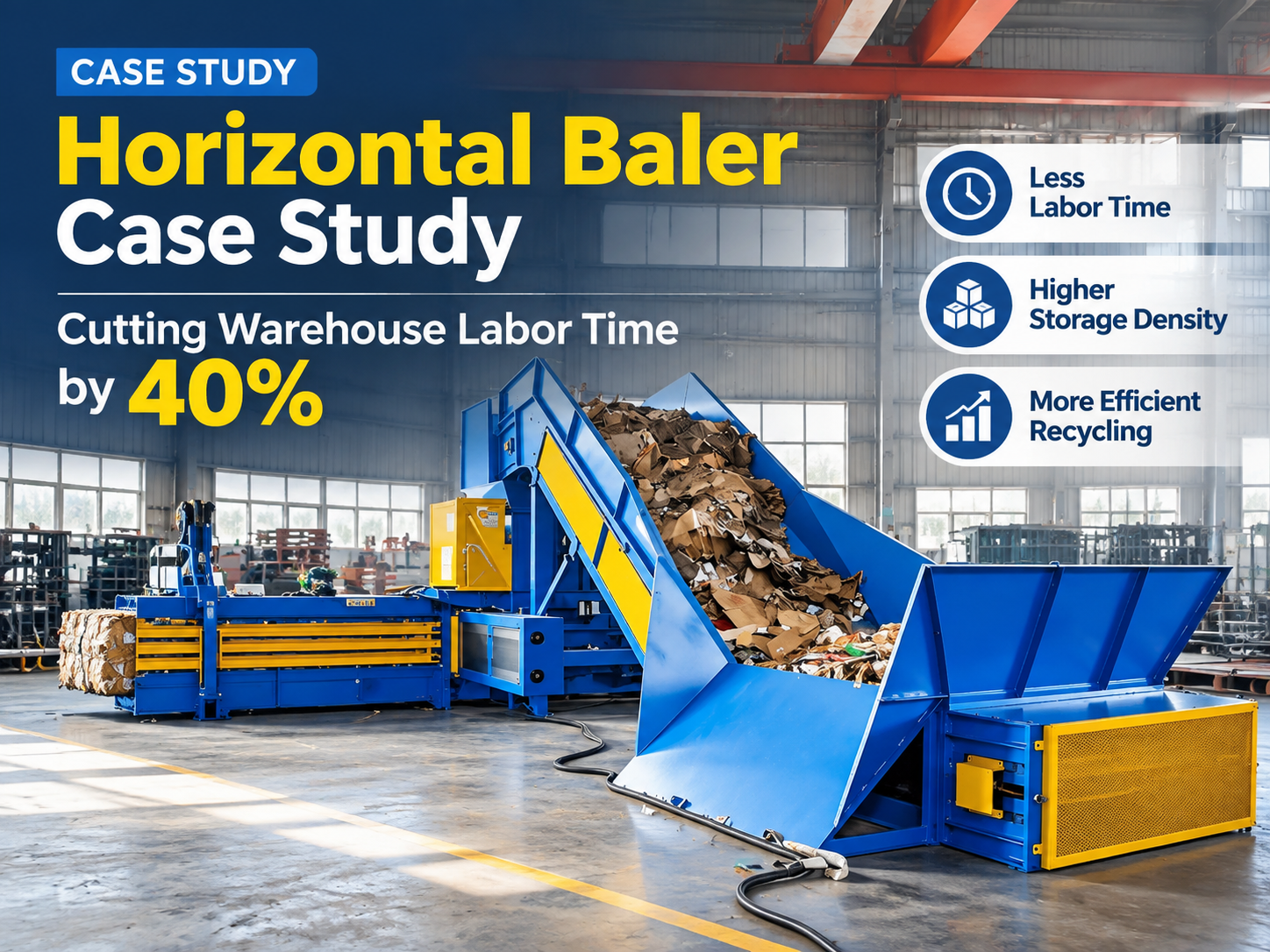
In the modern industrial landscape, warehouse efficiency is the primary driver of profitability. For companies handling high volumes of corrugated cardboard, plastic film, and light metal scrap, the manual processing of waste materials often becomes a significant bottleneck. This Horizontal Baler Case Study: Cutting Warehouse Labor Time By 40% explores how HARSLE partnered with a mid-sized logistics provider to transform their waste management workflow from a labor-intensive chore into a streamlined, automated process.
The client, a regional distribution center, was struggling with overflowing waste bins and excessive man-hours spent breaking down boxes and manually loading compactors. By integrating a HARSLE horizontal baler, the facility not only reclaimed valuable floor space but also reduced the time staff spent on waste handling by 40%. This article examines the technical implementation, the operational shifts, and the long-term ROI of adopting high-capacity baling technology.
Effective waste management is no longer just about cleanliness; it is about operational throughput. When warehouse staff spend hours managing waste, they are not picking orders or managing inventory. By automating the compaction process, facilities can reallocate human capital to high-value tasks. This case study serves as a blueprint for any industrial facility looking to optimize their internal logistics through advanced machinery.
HARSLE has long been a leader in metal fabrication equipment and industrial machinery, and our foray into high-performance balers is a natural extension of our commitment to efficiency. Through this analysis, we will demonstrate how the right equipment selection, combined with proper facility integration, leads to measurable improvements in bottom-line performance.
Key Considerations for Warehouse Optimization
Before implementing a horizontal baler, facility managers must evaluate their current waste stream volume and composition. The client in our case study was producing over 15 tons of cardboard waste monthly. The primary challenge was not just the volume, but the inconsistency of the waste, which led to frequent jams in their legacy vertical baler. Understanding the physical characteristics of your waste—whether it is rigid cardboard, soft plastic, or thin-gauge metal—is the first step in selecting the right machinery.
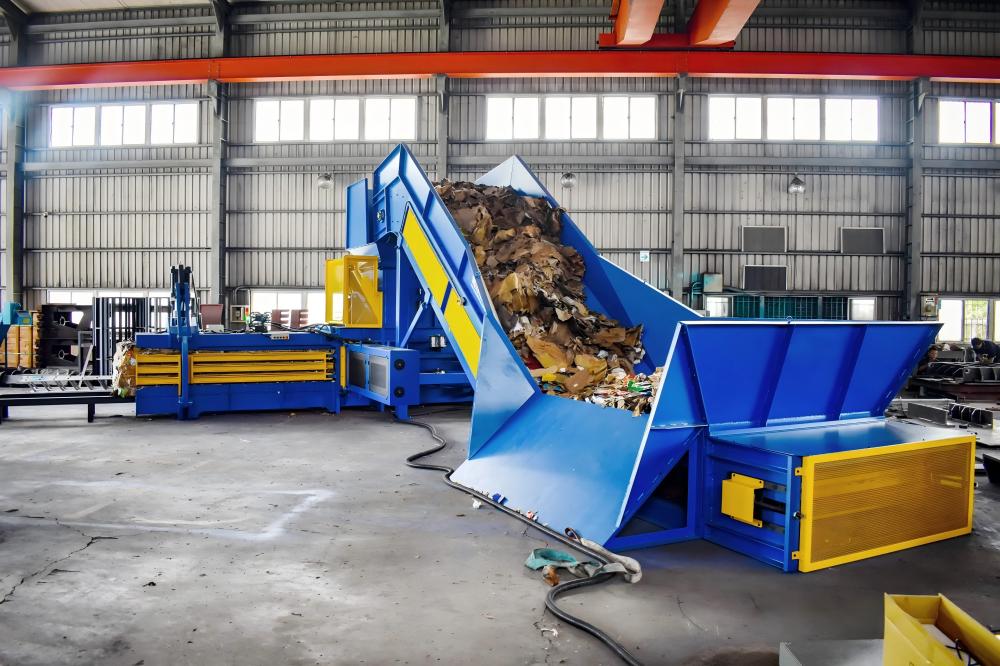
Space utilization is another critical factor. Horizontal balers are inherently larger than vertical units, requiring a dedicated footprint. However, the trade-off is the ability to handle continuous feed systems, such as conveyor belts or air-conveying systems. Our client had to reconfigure their loading dock area to accommodate the in-feed conveyor, which ultimately allowed for a “drop-and-go” workflow that eliminated the need for staff to stand by the machine during the compaction cycle.
Safety and ergonomics are often overlooked in manual waste management. Repetitive lifting and the use of box cutters are leading causes of warehouse injuries. By transitioning to a horizontal baler with an automated in-feed, the client significantly reduced the physical strain on their employees. This shift not only improved safety statistics but also boosted employee morale, as the most tedious part of their daily routine was automated.
Finally, the financial justification for such an investment must go beyond labor savings. The client also benefited from increased revenue through the sale of high-density bales. Because the HARSLE horizontal baler produces uniform, high-density blocks, the logistics company was able to command a higher price per ton from recycling centers. This dual-stream benefit—reduced labor costs and increased recycling revenue—made the ROI period significantly shorter than initially projected.
Technical Details of the HARSLE Horizontal Baler
The HARSLE horizontal baler utilized in this case study features a robust hydraulic system capable of exerting up to 100 tons of force. This immense pressure is necessary to ensure that materials are compressed into dense, stackable bales that maximize shipping container capacity. The machine is equipped with a PLC-controlled interface, allowing for programmable cycle times and automatic bale ejection, which minimizes the need for manual intervention.
One of the standout technical features is the intelligent sensor array. These sensors detect the volume of material in the hopper and automatically trigger the compaction cycle. This ensures that the machine is only running when necessary, reducing energy consumption and mechanical wear. For our client, this meant the baler could operate autonomously during peak hours, processing waste as it was generated rather than waiting for a batch-processing schedule.
The structural integrity of the baler is built to withstand 24/7 operation. The chamber is lined with wear-resistant steel plates, and the hydraulic cylinders are chrome-plated to prevent corrosion and seal degradation. In a high-volume warehouse, downtime is the enemy of efficiency. HARSLE’s design philosophy focuses on modular components, meaning that if a sensor or hydraulic valve requires maintenance, it can be swapped out quickly without requiring a complete system overhaul.
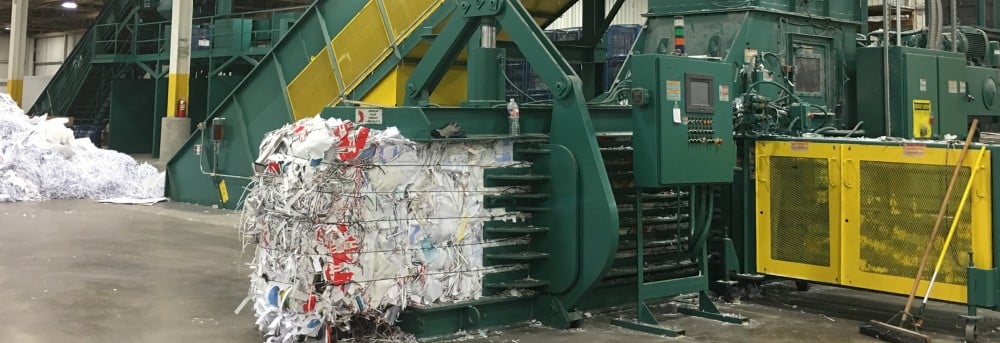
Furthermore, the baling wire system is fully automated. Traditional balers often require an operator to manually thread wire through the bale, a process that is both slow and hazardous. The HARSLE system uses an automated tying mechanism that secures the bale in seconds. This specific feature was the primary driver for the 40% reduction in labor time, as it removed the most time-consuming manual step from the entire waste management cycle.
Selection Advice: Choosing the Right Equipment
When selecting a horizontal baler, the first metric to analyze is the throughput capacity. If your facility generates waste continuously, a manual-feed baler will eventually become a bottleneck. You should look for machines that support conveyor integration. HARSLE offers various models ranging from semi-automatic to fully automatic, and the choice depends on whether your waste stream is consistent or sporadic.
Consider the bale size and weight requirements of your downstream recycling partner. Different recycling facilities have different equipment for unloading. If you produce bales that are too large or heavy for their forklifts, you will face logistical hurdles. Always consult with your waste hauler before finalizing your equipment specifications to ensure your bales are optimized for their transport and processing capabilities.
Maintenance accessibility is another vital selection criterion. A machine that is difficult to service will eventually be neglected, leading to premature failure. Look for balers that offer clear access to hydraulic power units, electrical panels, and the main compaction chamber. HARSLE provides comprehensive maintenance manuals and remote diagnostic support, which are essential for facilities that do not have an on-site mechanical engineering team.
Finally, evaluate the total cost of ownership (TCO). While the initial purchase price is a significant factor, the TCO includes energy consumption, spare parts, and the cost of labor. A cheaper machine that requires frequent repairs and high energy input will cost more over five years than a premium, energy-efficient HARSLE baler. Always prioritize build quality and manufacturer support when investing in industrial machinery.
FAQ: Common Questions About Horizontal Balers
- How much space does a horizontal baler require? A standard horizontal baler requires a footprint of approximately 20 to 40 feet in length, including the in-feed conveyor. It is essential to leave at least 5 feet of clearance around the machine for maintenance access.
- What types of materials can be baled? Horizontal balers are versatile and can handle corrugated cardboard, plastic film (LDPE/HDPE), aluminum cans, and light-gauge metal scrap. Always check the machine specifications for material density limits.
- How long does it take to train staff on a HARSLE baler? Most operators can be trained on the basic operation and safety protocols of a HARSLE baler in less than one full shift. The PLC interface is designed for intuitive use.
- Can the baler be integrated into an existing conveyor system? Yes, HARSLE balers are designed to be modular and can be easily integrated into existing warehouse conveyor lines or air-conveying systems for automated waste transport.
- What is the typical lifespan of a horizontal baler? With proper preventative maintenance, a HARSLE horizontal baler can provide 10 to 15 years of reliable service in a high-volume industrial environment.
Conclusión
The Horizontal Baler Case Study: Cutting Warehouse Labor Time By 40% demonstrates that industrial efficiency is often found in the automation of secondary processes. By moving away from manual waste handling and investing in a high-capacity HARSLE horizontal baler, the client was able to reclaim thousands of labor hours annually, improve workplace safety, and increase their recycling revenue. This transformation is not merely about buying a machine; it is about re-engineering the warehouse workflow to prioritize productivity.
As industrial facilities continue to face pressure to reduce costs and improve sustainability, the role of advanced baling technology will only grow. HARSLE remains dedicated to providing the metal fabrication equipment and industrial machinery necessary to meet these challenges. Whether you are a logistics provider, a manufacturing plant, or a recycling center, the principles outlined in this case study—proper assessment, strategic selection, and commitment to maintenance—will serve as a roadmap for your own operational success.
If you are ready to optimize your warehouse operations and see similar results, we encourage you to reach out to our technical team for a site assessment. Together, we can identify the bottlenecks in your waste management process and implement a solution that drives efficiency and profitability for years to come.