From Loose Shells to Compact Blocks: A Car Body Baler Success Story

Introduction: The Evolution of Scrap Metal Management
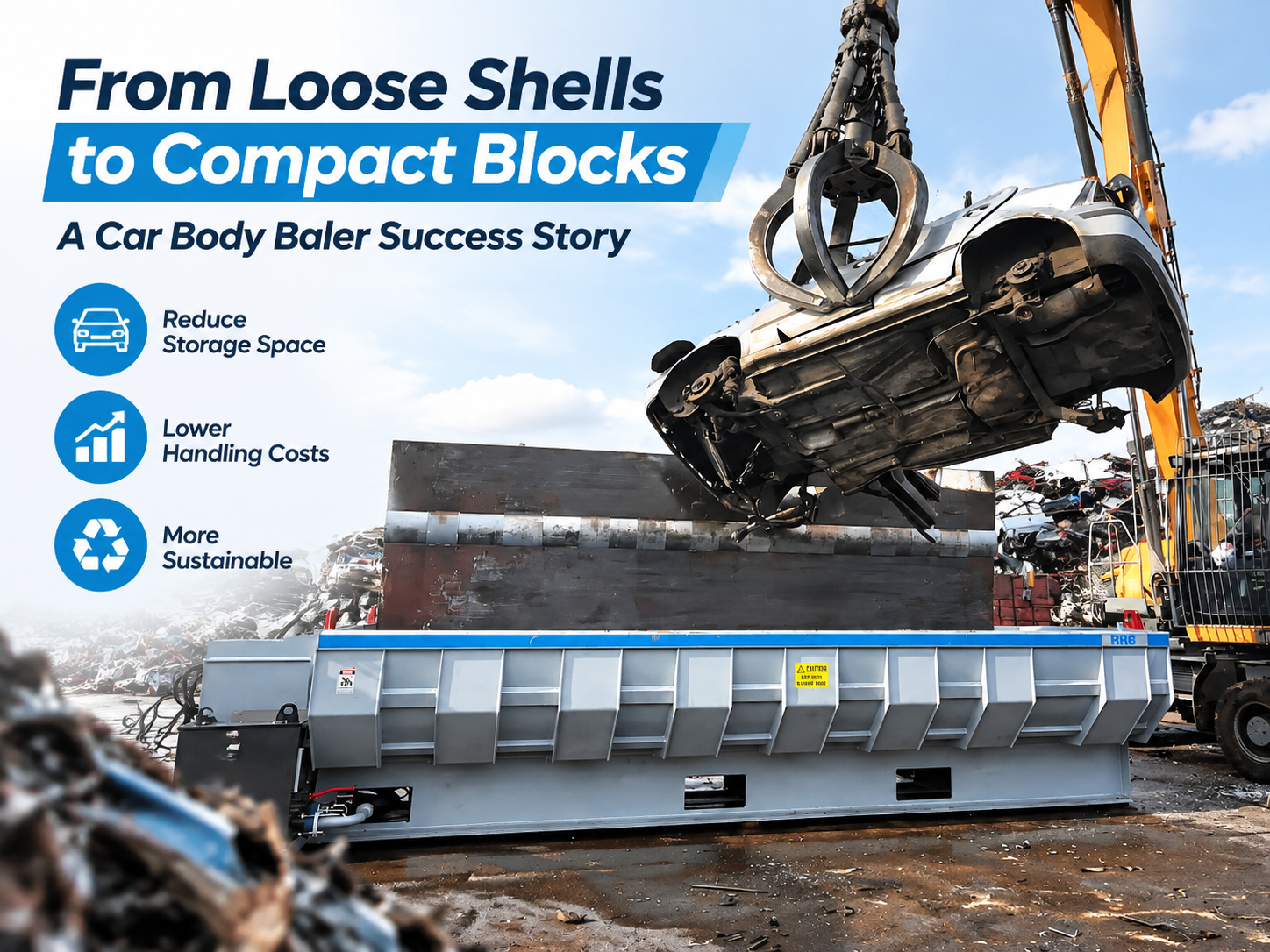
In the modern metal recycling industry, the transition from raw, bulky scrap to high-density, transportable material is the difference between profit and loss. For many scrap yards and automotive recycling centers, the challenge lies in the sheer volume of end-of-life vehicles. Moving loose car shells is not only inefficient but also economically unsustainable due to high logistics costs. This is where the narrative of From Loose Shells to Compact Blocks: A Car Body Baler Success Story begins.
HARSLE has been at the forefront of engineering solutions that address these logistical bottlenecks. By implementing advanced hydraulic baling technology, facilities can convert massive, hollow car bodies into dense, uniform blocks. This process maximizes container space, reduces shipping frequency, and significantly increases the market value of the scrap metal. The success of this transition relies on understanding the mechanics of force, material flow, and structural integrity.
This article explores the journey of a typical scrap processing facility that moved from manual cutting and inefficient storage to automated, high-pressure baling. We will delve into the technical requirements, the operational benefits, and the strategic considerations for choosing the right machinery to optimize your metal fabrication and recycling workflow.
As global demand for recycled steel continues to rise, the ability to process end-of-life vehicles (ELVs) quickly and cleanly is paramount. HARSLE’s commitment to industrial excellence ensures that our car body balers are built to withstand the rigorous demands of 24/7 operations, providing a reliable backbone for recycling businesses worldwide.

Key Considerations for Scrap Processing Efficiency
When evaluating the transition to a car body baler, facility managers must first assess their current throughput. The primary goal is to reduce the volume of scrap by up to 90%. However, achieving this requires a deep understanding of the material composition. Not all car bodies are identical; modern vehicles incorporate a mix of high-strength steel, aluminum, and plastic components that influence the baling process.
Space optimization is another critical factor. Loose car shells occupy vast amounts of yard space, creating safety hazards and hindering operational flow. By compacting these shells into blocks, facilities can stack material vertically, effectively reclaiming square footage that can be repurposed for sorting or additional processing lines. This spatial efficiency is a key metric in the success story of any modern recycling plant.
Logistics and transportation costs represent the largest variable expense in the scrap industry. Shipping loose, bulky items means you are essentially paying to transport air. A car body baler changes the economics of transportation by allowing trucks and rail cars to reach their maximum weight capacity rather than their volume capacity. This shift directly impacts the bottom line, turning a cost center into a profit-generating operation.
Finally, environmental compliance and safety cannot be overlooked. Modern balers are designed to minimize noise pollution and energy consumption. Furthermore, by consolidating scrap into dense blocks, the risk of sharp edges and unstable piles is significantly reduced, creating a safer environment for workers. HARSLE designs its equipment with these human-centric and environmental factors at the core of the engineering process.
Technical Details: The Mechanics of High-Pressure Baling
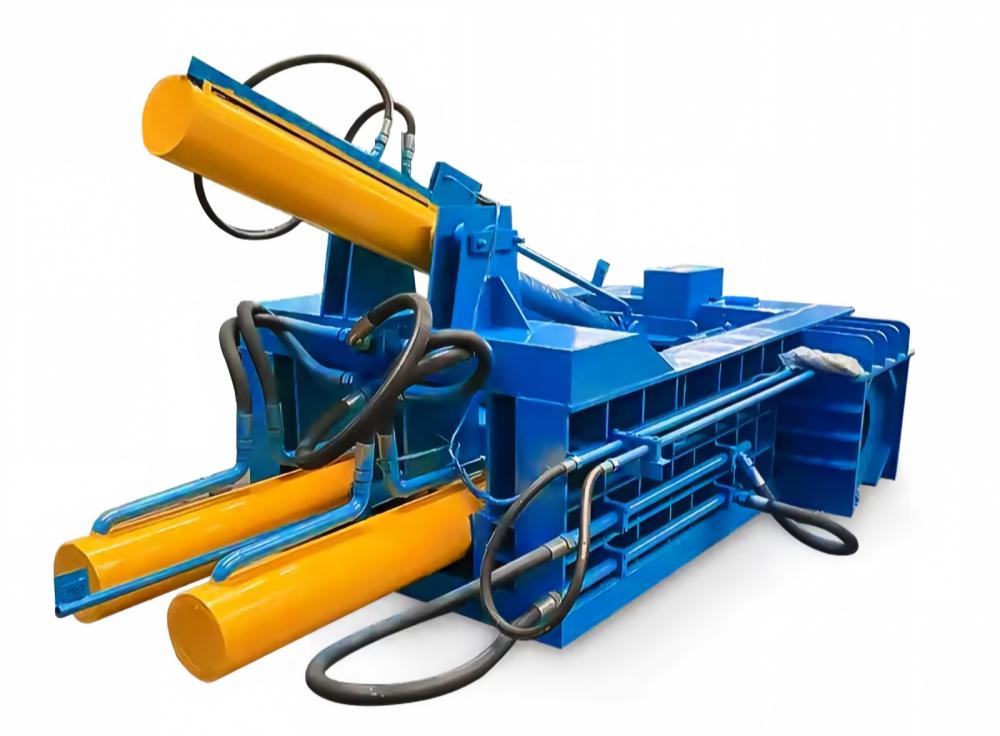
The core of a HARSLE car body baler is its hydraulic system. These machines utilize multi-stage cylinders to exert immense pressure, often exceeding hundreds of tons, to crush the vehicle frame. The process begins with the loading of the car shell into the compression chamber. Once the lid is closed, the main ram initiates the primary compression, followed by side rams that ensure the block is perfectly square and dense.
Structural integrity is non-negotiable. HARSLE balers are constructed from heavy-duty, wear-resistant steel plates. The internal chamber is lined with replaceable wear liners, which are essential for extending the machine’s lifespan given the abrasive nature of scrap metal. The hydraulic power unit (HPU) is equipped with high-efficiency pumps and cooling systems to maintain optimal performance during continuous operation cycles.
Control systems have also evolved significantly. Modern HARSLE balers feature PLC (Programmable Logic Controller) interfaces that allow operators to customize compression cycles based on the type of material being processed. Whether it is a light passenger vehicle or a heavier commercial chassis, the machine can adjust its force and cycle time to ensure the highest density possible without damaging the hydraulic seals or structural frame.
Maintenance accessibility is another technical highlight. HARSLE designs its balers with modular components, allowing for easier inspection and replacement of hydraulic hoses, valves, and sensors. This design philosophy minimizes downtime, ensuring that the “success story” of the baler is not interrupted by frequent or prolonged maintenance intervals. Every component is selected for its durability and compatibility with industrial-grade lubricants and fluids.
Selection Advice: Choosing the Right Machinery
Selecting the right car body baler is a strategic investment that requires careful analysis of your specific needs. The first step is to determine your daily processing volume. A facility processing 50 cars a day has vastly different requirements than one processing 500. HARSLE offers a range of models, from compact units for smaller yards to heavy-duty, high-throughput systems for industrial-scale recycling centers.
Consider the dimensions of the compression chamber. While most balers are designed to accommodate standard passenger vehicles, if your facility handles oversized vehicles or light trucks, you must ensure the chamber dimensions provide sufficient clearance. A mismatch here can lead to pre-processing bottlenecks, where vehicles must be cut down before they can even enter the baler.
Energy efficiency is another long-term cost factor. Look for machines that feature variable frequency drives (VFDs) or energy-saving hydraulic circuits. These technologies allow the machine to consume power only when needed, significantly reducing electricity bills over the machine’s 10-to-20-year lifespan. HARSLE provides detailed energy consumption data for all its models to help you make an informed decision.
Support and after-sales service are just as important as the machine itself. When investing in heavy industrial machinery, you need a partner who provides comprehensive training, readily available spare parts, and responsive technical support. HARSLE’s global network ensures that whether you are in North America, Europe, or Asia, you have access to the expertise required to keep your baler running at peak efficiency.
FAQ: Frequently Asked Questions
1. How long does it take to bale a single car body?
The cycle time varies depending on the model and the material, but a typical HARSLE car body baler can complete a full compression cycle in 90 to 180 seconds, allowing for a high throughput of vehicles per hour.
2. What kind of maintenance is required for a car body baler?
Regular maintenance includes checking hydraulic fluid levels, inspecting hoses for leaks, cleaning the compression chamber, and replacing wear liners as they thin out. HARSLE provides a detailed maintenance schedule with every machine.
3. Can these balers handle materials other than car bodies?
Yes, while optimized for car bodies, these balers are highly effective for processing white goods (appliances), light scrap metal, and aluminum extrusions, making them versatile assets for any scrap yard.
4. What is the expected lifespan of a HARSLE car body baler?
With proper maintenance and adherence to operational guidelines, a HARSLE baler is designed to provide 15 to 20 years of reliable service in an industrial environment.
5. Do I need special foundation requirements?
Yes, due to the immense weight and force generated by the baler, a reinforced concrete foundation is required. HARSLE provides detailed foundation drawings and specifications tailored to the specific model you purchase.
Conclusion: Investing in the Future of Recycling
The transition from loose shells to compact blocks is more than just a logistical upgrade; it is a fundamental shift toward a more profitable and sustainable business model. By choosing the right car body baler, facilities can transform their scrap yard into a high-efficiency processing hub. HARSLE remains dedicated to providing the technology and support necessary to make this transition seamless.
As we look toward a future where resource recovery is critical, the role of high-density baling will only grow in importance. Whether you are looking to reduce your carbon footprint, lower your transportation costs, or simply increase your daily output, the right machinery is the key to your success. We invite you to explore the HARSLE range of metal fabrication equipment and discover how we can help you write your own success story.
Investing in quality is the hallmark of a successful business. When you partner with HARSLE, you are not just buying a machine; you are investing in a legacy of industrial excellence. Let us help you turn your scrap metal challenges into your greatest competitive advantage.