Scrap Metal Baler Case Study: Better Bale Quality for Easier Shipping

Introduction: The Logistics Challenge in Metal Recycling
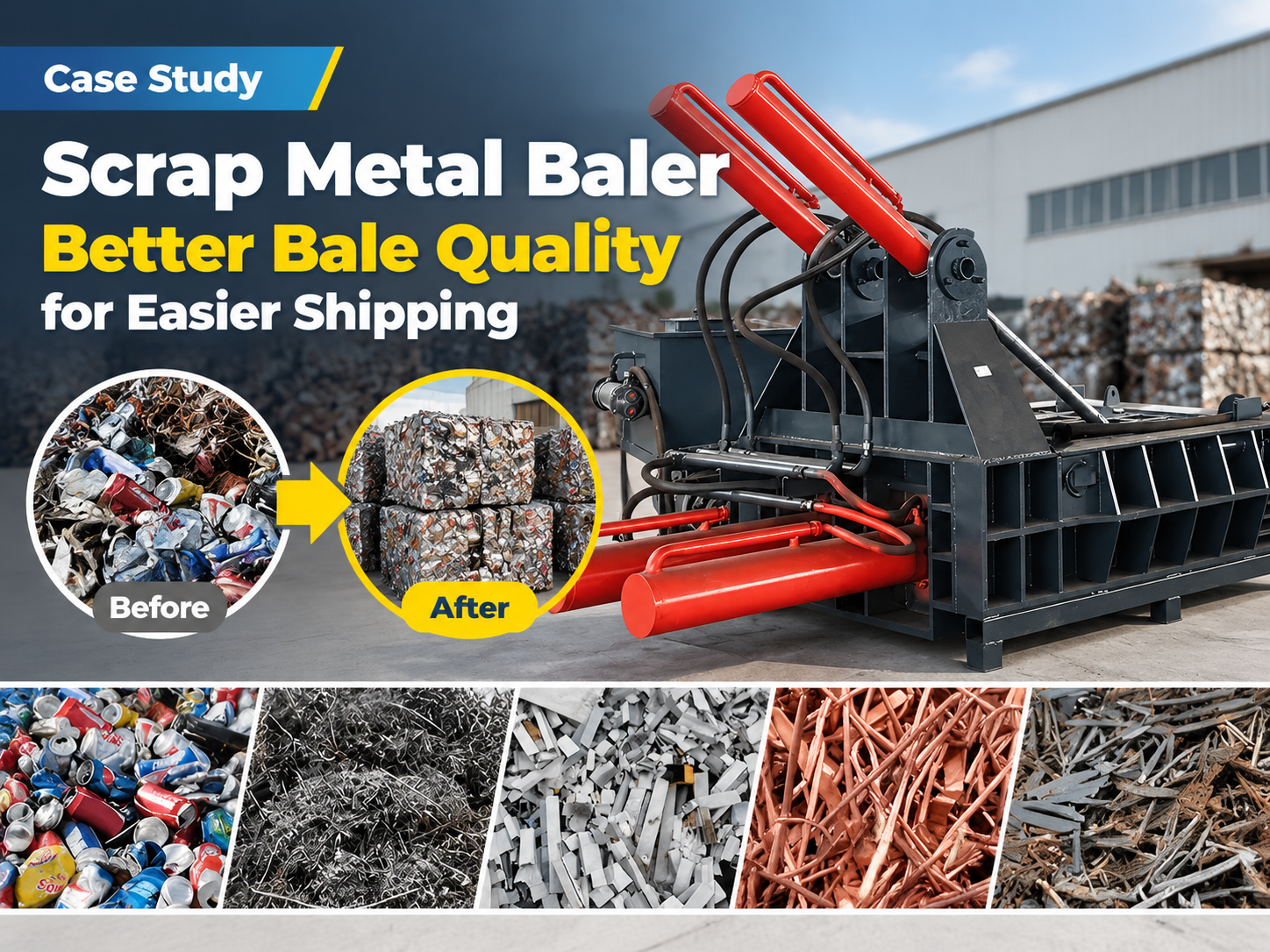
In the competitive landscape of metal recycling, the difference between profit and loss often comes down to logistics. As global shipping costs fluctuate and environmental regulations tighten, scrap yards and metal fabrication facilities are under immense pressure to optimize their output. The primary metric for success in this sector is bale density. A high-quality, uniform bale is not just a product; it is a logistical asset that maximizes container space and reduces transportation overhead. This Scrap Metal Baler Case Study: Better Bale Quality Easier Shipping explores how HARSLE machinery transforms raw scrap into high-density commodities.
For many medium-to-large scale metal processors, the challenge lies in handling diverse material streams—ranging from light aluminum shavings to heavy steel offcuts. Without the right equipment, these materials remain bulky, air-filled, and expensive to transport. By integrating a high-performance scrap metal baler, facilities can achieve a significant reduction in volume, effectively turning a logistical burden into a streamlined supply chain process. This article provides an in-depth look at the technical and operational advantages of upgrading your baling infrastructure.
HARSLE has worked with numerous clients to address the specific pain points of low-density storage and inefficient shipping. Through this case study, we analyze the transition from manual or outdated baling methods to automated, high-pressure hydraulic systems. The results consistently show that when bale quality improves, the entire downstream process—from loading and stacking to melting and refining—becomes more efficient, safer, and significantly more profitable.
As we delve into the technical specifications and selection criteria, it is essential to understand that a scrap metal baler is more than just a press; it is the heart of a recycling operation. Whether you are dealing with copper, brass, or ferrous steel, the consistency of the bale dictates your market value. Let us examine how HARSLE engineering solves the common pitfalls of modern metal waste management.
Key Considerations for Optimizing Bale Quality
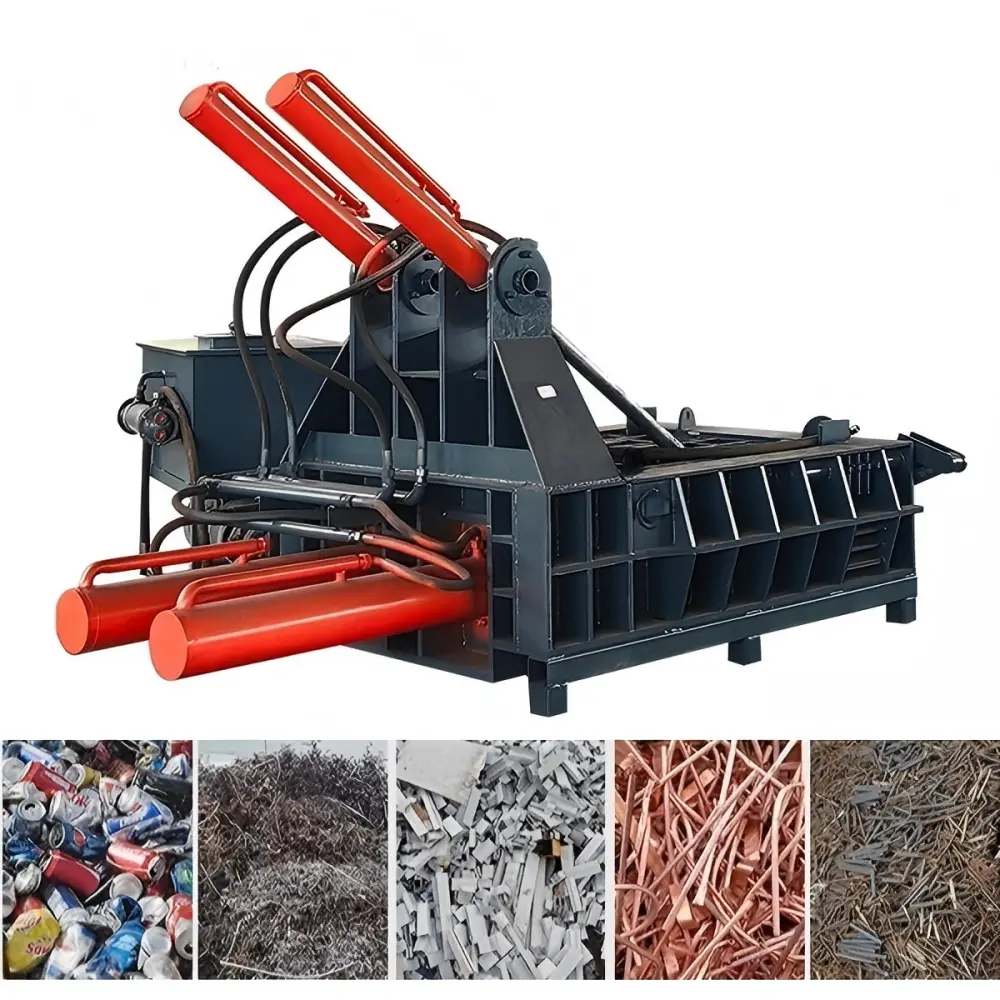
Achieving superior bale quality requires a holistic approach to material handling. The first consideration is the consistency of the feed material. If a facility mixes heavy steel with light-gauge aluminum without proper sorting, the resulting bale will likely have structural weaknesses or inconsistent density. HARSLE recommends implementing a pre-sorting protocol to ensure that the baler receives a uniform stream, which allows the hydraulic system to apply pressure evenly across the entire surface area of the bale.
Another critical factor is the cycle time versus density trade-off. Many operators make the mistake of prioritizing speed over density. While a fast cycle time increases throughput, it often results in “spring-back” where the metal expands after the pressure is released. By utilizing HARSLE’s advanced hydraulic control systems, operators can implement a dwell-time phase, allowing the metal to settle under maximum pressure before the bale is ejected. This simple adjustment significantly improves the structural integrity of the bale.
Moisture and contamination levels also play a vital role in bale quality. Residual oils, coolants, or non-metallic debris can compromise the binding process. Modern scrap metal balers must be equipped with drainage systems to remove fluids during the compression cycle. This not only protects the machine from internal corrosion but also ensures that the final bale meets the strict purity standards required by smelters and foundries, thereby increasing the resale value of the scrap.
Finally, the binding mechanism is the unsung hero of bale quality. Whether using wire-tying or high-tension strapping, the integrity of the tie determines whether the bale will hold its shape during transit. HARSLE balers are designed with precision-engineered tying channels that ensure the wire is placed exactly where the pressure is highest. This prevents the bale from expanding or bursting when it is moved by forklifts or loaded into shipping containers, ensuring that your product arrives at its destination in the same condition it left your facility.
Technical Details: How HARSLE Engineering Delivers Results
The core of a HARSLE scrap metal baler is its heavy-duty hydraulic power unit. Unlike standard presses, our balers utilize multi-stage cylinders that provide progressive compression. This allows the machine to handle bulky, irregular scrap at the start of the cycle and then apply massive, concentrated force to reach the final density required for shipping. This progressive approach reduces the strain on the hydraulic pumps and extends the overall lifespan of the machinery.
Structural rigidity is another hallmark of our design. The compression chamber is constructed from high-tensile, wear-resistant steel plates. When dealing with abrasive metals like stainless steel or hardened alloys, the chamber walls must withstand immense lateral forces. HARSLE incorporates reinforced ribbing and precision-welded joints to ensure that the chamber does not deform over years of continuous operation. This structural integrity is what allows our balers to maintain consistent bale dimensions, which is crucial for automated loading systems.
Automation and control systems have revolutionized the way we manage scrap. HARSLE balers feature PLC-based control panels that allow operators to program specific settings for different metal types. For example, the pressure settings for copper wire will differ significantly from those for aluminum siding. By saving these profiles, operators can switch between materials in seconds, ensuring that every bale produced meets the exact density requirements for the specific buyer or shipping container size.
Safety and maintenance accessibility are integrated into the technical design. Every HARSLE baler includes comprehensive sensor arrays that monitor hydraulic pressure, oil temperature, and door locking status. These sensors prevent the machine from operating if a safety hazard is detected, protecting the workforce. Furthermore, the modular design of our hydraulic manifolds allows for quick maintenance, minimizing downtime and ensuring that your facility maintains a steady output of high-quality bales.
Selection Advice: Choosing the Right Baler for Your Facility
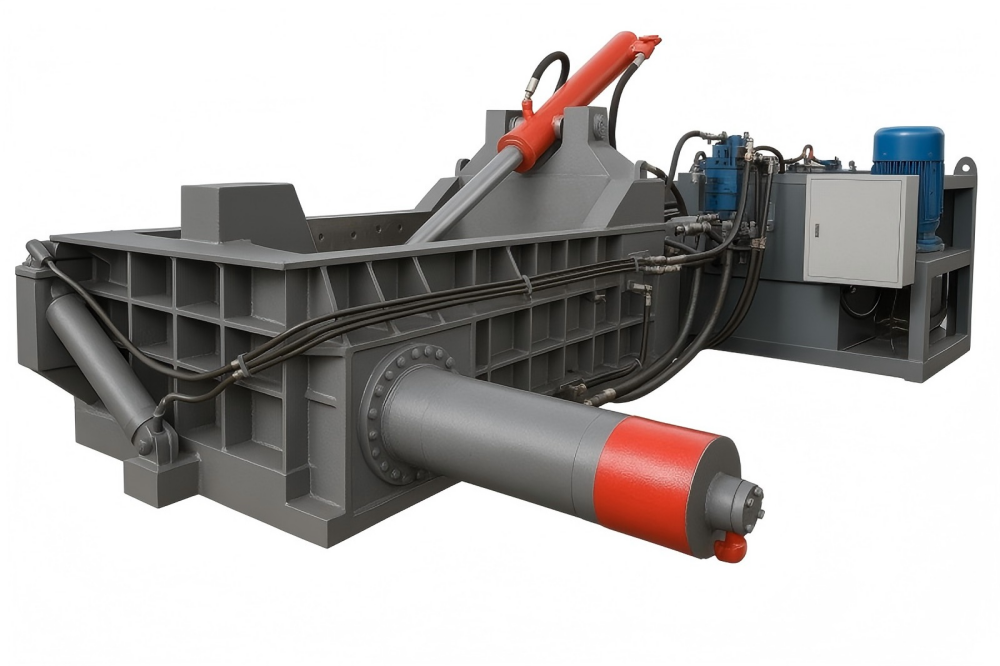
When selecting a scrap metal baler, the first step is to conduct a thorough audit of your daily volume. A facility processing 50 tons of scrap per day has vastly different requirements than one processing 5 tons. You must calculate the volume of your incoming scrap and determine the desired bale size based on your shipping container dimensions. HARSLE offers a range of models, from compact vertical balers for smaller workshops to massive horizontal balers for industrial recycling centers.
Consider the material type as your primary filter. If you are dealing primarily with long, stringy scrap like wire or turnings, you will need a baler with a large feed opening and a pre-crushing mechanism. If you are processing sheet metal or automotive parts, a high-force horizontal baler with a shear blade is essential. The shear blade allows the machine to cut off protruding pieces of metal that would otherwise jam the door, ensuring a smooth, continuous operation.
Energy efficiency is an increasingly important selection criterion. Modern HARSLE balers are equipped with variable frequency drives (VFDs) that adjust the motor speed based on the load. This can reduce energy consumption by up to 30% compared to traditional fixed-speed motors. When evaluating the total cost of ownership, look beyond the initial purchase price and consider the long-term electricity savings and the potential for reduced maintenance costs through intelligent design.
Finally, prioritize after-sales support and parts availability. A scrap metal baler is a long-term investment. You need a partner who can provide technical guidance, remote diagnostics, and rapid delivery of spare parts. HARSLE’s global support network ensures that your equipment remains operational, minimizing the risk of bottlenecks in your shipping process. Always ask for a demonstration or a reference site visit to see the machine in action before making your final decision.
FAQ: Common Questions About Scrap Metal Balers
What is the most important factor in achieving high bale density?
The most important factor is the combination of hydraulic pressure and dwell time. Allowing the machine to hold the material under maximum pressure for a few seconds ensures that the metal “sets” in its compressed state, preventing spring-back.
How do I know which baler size is right for my business?
You should base your decision on your daily tonnage and the physical dimensions of your scrap. Our sales engineers can help you calculate the required force based on your specific material stream and shipping logistics.
Can a single baler handle different types of metal?
Yes, modern HARSLE balers are versatile. With programmable PLC settings, you can adjust the pressure and cycle times to accommodate different materials like aluminum, copper, and steel on the same machine.
How often does a scrap metal baler require maintenance?
Routine maintenance, such as checking hydraulic fluid levels, inspecting seals, and cleaning the chamber, should be performed weekly. A comprehensive professional service should be scheduled every 6 to 12 months, depending on usage intensity.
Why is bale quality important for shipping?
High-quality, dense bales maximize the weight capacity of shipping containers. This reduces the number of containers needed, significantly lowering your logistics costs and carbon footprint.
Conclusion: Investing in Efficiency
The Scrap Metal Baler Case Study: Better Bale Quality Easier Shipping demonstrates that the right equipment is the foundation of a profitable recycling business. By focusing on bale density, structural integrity, and operational efficiency, HARSLE helps facilities turn scrap into a high-value commodity that is ready for the global market. Whether you are looking to reduce your shipping costs or improve the safety and organization of your scrap yard, our range of hydraulic balers provides the precision and power you need.
Investing in a HARSLE scrap metal baler is an investment in the future of your operations. As the industry moves toward more sustainable and efficient practices, having the ability to process metal quickly and effectively will set you apart from the competition. We invite you to contact our team to discuss your specific requirements and learn how our engineering solutions can optimize your workflow. With the right technology, you can transform your scrap management from a logistical challenge into a streamlined, profitable process.
Remember that the quality of your output is a direct reflection of your commitment to excellence. By choosing HARSLE, you are choosing a partner dedicated to the success of your metal fabrication and recycling business. Let us help you achieve the density, consistency, and efficiency required to thrive in today’s demanding industrial environment. Explore our full range of metal fabrication equipment today and take the first step toward a more efficient future.