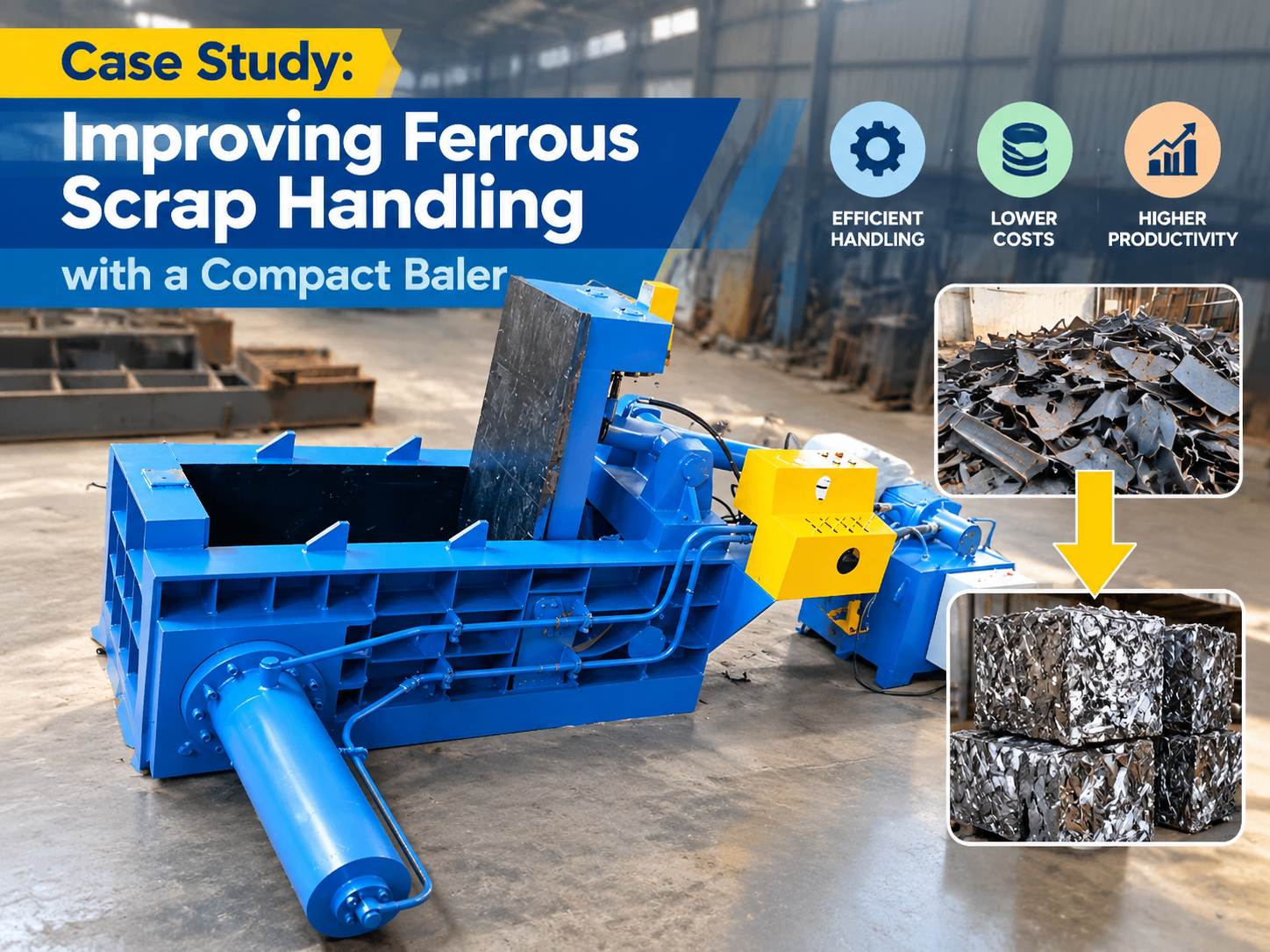
Case Study: Improving Ferrous Scrap Handling A Compact Baler

Introducción
In the modern metal fabrication industry, the management of ferrous scrap is often an overlooked aspect of operational efficiency. Many facilities struggle with the logistical nightmare of loose, bulky metal waste that consumes valuable floor space, increases transportation costs, and complicates safety protocols. This article explores a comprehensive Case Study: Improving Ferrous Scrap Handling A Compact Baler, focusing on how HARSLE’s advanced machinery solutions can turn a waste management burden into a streamlined, profitable process.
For many fabricators, the sheer volume of steel offcuts, shavings, and discarded components creates a bottleneck in production flow. When scrap is left uncompressed, it occupies significant square footage that could otherwise be utilized for additional workstations or inventory storage. Furthermore, the cost of transporting loose scrap is prohibitively high because trucks are often filled to their weight capacity long before they reach their volume limit, leading to inefficient logistics and increased carbon footprints.
By integrating a compact scrap metal baler into the production line, fabricators can achieve a dramatic reduction in volume. This case study examines a mid-sized fabrication plant that faced these exact challenges. Through the implementation of HARSLE’s high-pressure hydraulic baling technology, the facility was able to transform its scrap handling from a chaotic, manual process into a highly automated, revenue-generating operation.
The following sections will delve into the technical specifications, the strategic selection process, and the long-term operational benefits of adopting compact baling technology. Whether you are a shop owner looking to optimize space or a plant manager aiming to improve safety and logistics, understanding the impact of these machines is essential for modern industrial competitiveness.
Key Considerations for Scrap Management
Before investing in a baling solution, it is critical to evaluate the specific nature of your ferrous scrap. Not all metal waste is created equal; the density, size, and frequency of scrap generation dictate the type of machinery required. For instance, thin sheet metal offcuts behave differently under pressure compared to heavy structural steel remnants. Understanding these material characteristics is the first step in the Case Study: Improving Ferrous Scrap Handling A Compact Baler.
Space optimization is another primary consideration. In many fabrication shops, floor space is at a premium. A compact baler is designed to fit into tight production environments without disrupting existing workflows. By placing the baler near the source of the scrap—such as near a laser cutter or a punch press—facilities can minimize the distance that waste must be transported, thereby reducing labor hours and potential workplace hazards.
Safety remains a paramount concern in any metal fabrication environment. Loose scrap metal is notorious for causing lacerations, tripping hazards, and general clutter that hinders emergency egress. By compressing scrap into dense, uniform bales, the facility effectively eliminates these risks. A clean shop floor is not only safer but also boosts employee morale and productivity, as workers can focus on fabrication rather than navigating through piles of metal waste.
Finally, the economic impact of scrap management cannot be ignored. Ferrous scrap is a commodity. When sold in loose, uncompressed form, it often fetches lower prices from recyclers due to the high cost of handling and transportation. By producing high-density, standardized bales, fabricators can command better pricing from scrap dealers. This shift turns a waste management cost center into a secondary revenue stream, significantly improving the overall ROI of the fabrication business.
Technical Details of HARSLE Balers
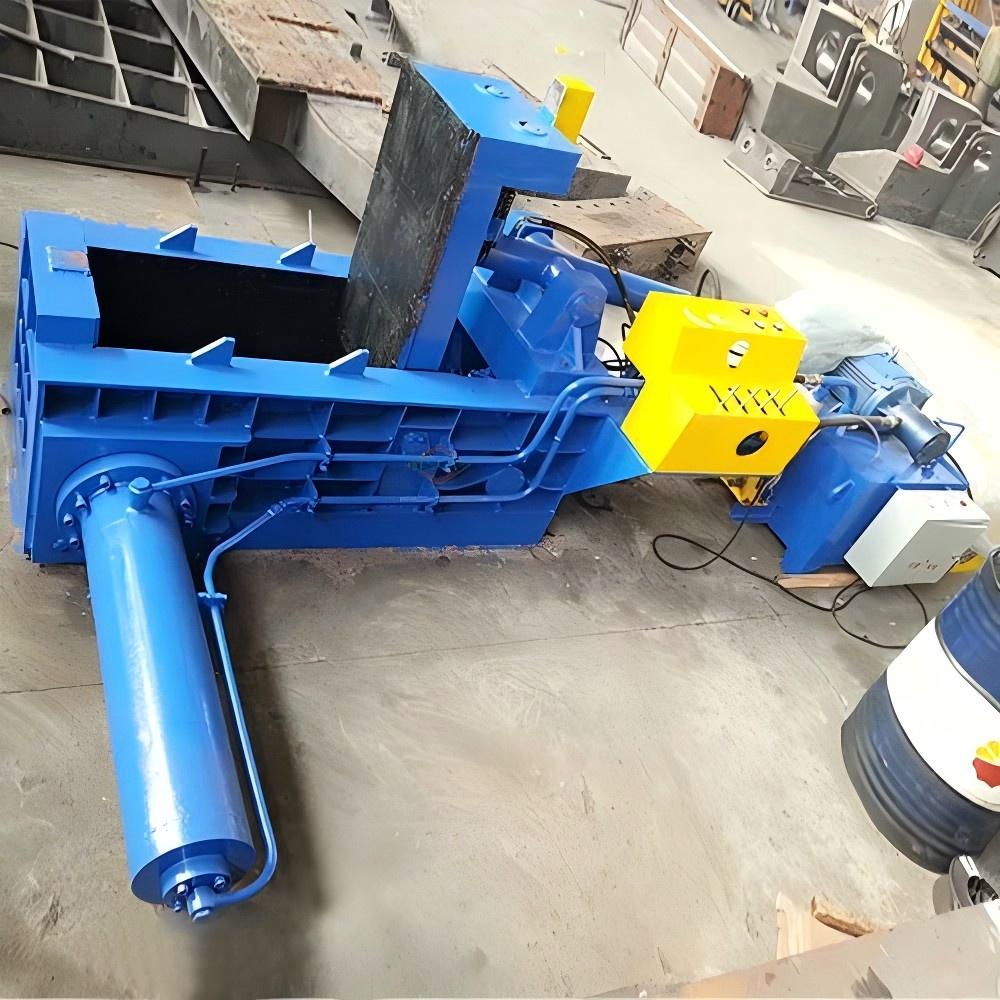
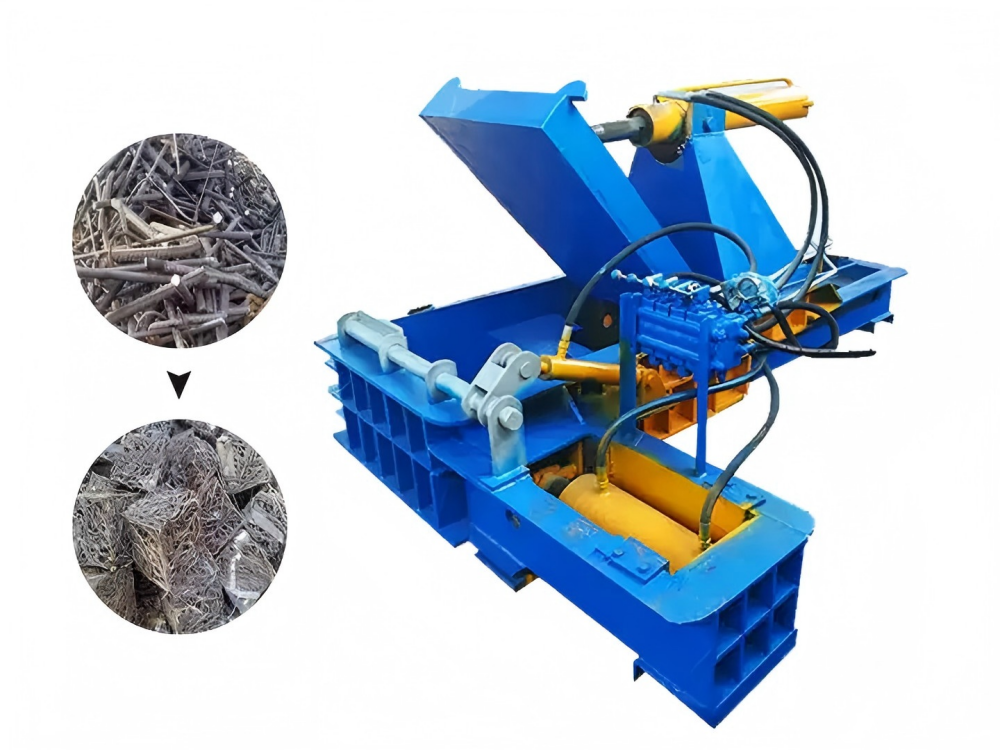
HARSLE’s line of scrap metal balers is engineered for durability and high-performance output. At the heart of these machines is a robust hydraulic system capable of exerting immense pressure to ensure maximum density. The structural integrity of the baler frame is reinforced to withstand the abrasive nature of ferrous metals, ensuring a long service life even under continuous, heavy-duty operation.
The control systems integrated into HARSLE balers are designed for ease of use and safety. Featuring programmable logic controllers (PLC), these machines allow operators to adjust cycle times, pressure settings, and bale sizes with precision. This level of customization is vital when dealing with different types of ferrous materials, as it allows the machine to be optimized for the specific density requirements of the recycler or end-user.
Energy efficiency is another hallmark of HARSLE’s engineering. Modern hydraulic pumps and motors are designed to consume power only when the machine is actively compressing, which significantly reduces electricity costs over the lifespan of the equipment. Furthermore, the compact design does not sacrifice power; the hydraulic cylinders are strategically positioned to provide uniform force distribution, preventing structural fatigue and ensuring consistent bale quality.
Maintenance accessibility is a critical technical feature. HARSLE balers are designed with modular components that allow for quick inspection and servicing. From the hydraulic fluid reservoirs to the wear-resistant liners inside the compression chamber, every element is built to be easily accessible. This reduces downtime and ensures that the machine remains operational during peak production hours, which is essential for maintaining a continuous fabrication workflow.
Selection Advice for Fabricators
Choosing the right baler for your facility requires a thorough assessment of your daily scrap output. If your shop generates several tons of ferrous waste per week, a high-capacity, automated baler is likely the best investment. Conversely, for smaller shops with intermittent scrap generation, a semi-automatic or manual-feed compact baler may provide the best balance between cost and performance.
Consider the footprint of the machine in relation to your shop layout. It is advisable to map out the flow of materials from the fabrication station to the baler. If the baler is too far from the source, employees will be less likely to use it, leading to the accumulation of loose scrap. A compact unit that can be integrated into the production line is almost always superior to a large, centralized unit that requires significant material handling.
Evaluate the after-sales support and availability of spare parts. Metal fabrication equipment is a long-term investment, and you need a partner who can provide technical support and maintenance services. HARSLE prides itself on providing comprehensive documentation, training for operators, and a responsive support network to ensure that your baler remains a reliable asset for years to come.
Finally, look at the bale dimensions and weight. Different recyclers have different requirements for the size and weight of the bales they accept. Before purchasing, consult with your local scrap metal buyers to understand their preferences. A baler that produces a bale size that is easy to stack, transport, and melt down will always be more valuable and easier to sell, maximizing your return on investment.
FAQ: Improving Ferrous Scrap Handling
How much space does a compact baler typically require?
A compact baler can often fit into a footprint as small as 2 to 4 square meters, making it ideal for shops where space is limited. The vertical design of many compact models further minimizes the floor area needed.
Can a single baler handle different types of metal?
Yes, HARSLE balers are versatile. However, it is important to avoid mixing different types of metals (e.g., aluminum and steel) in the same bale, as this significantly reduces the scrap value. It is best to process one type of metal at a time.
How often does the baler require maintenance?
Routine maintenance, such as checking hydraulic fluid levels and inspecting wear plates, should be performed monthly. A full professional service is recommended annually to ensure the hydraulic system and electrical components are functioning at peak efficiency.
Does the baler require specialized electrical infrastructure?
Most compact balers can operate on standard industrial power supplies, but it is essential to check the voltage and phase requirements of the specific model. HARSLE provides detailed installation guides to help you prepare your facility.
Conclusión
The Case Study: Improving Ferrous Scrap Handling A Compact Baler demonstrates that the transition from loose scrap management to baling is a transformative step for any metal fabrication business. By reducing volume, enhancing safety, and increasing the resale value of ferrous waste, a compact baler provides a clear and measurable return on investment. HARSLE remains committed to providing the high-quality, durable machinery necessary to help fabricators achieve these operational improvements.
As the industry continues to prioritize sustainability and efficiency, the ability to manage waste effectively will become a key differentiator. Investing in the right equipment today not only solves immediate logistical problems but also positions your company for long-term growth and profitability. We encourage you to evaluate your current scrap handling processes and consider how a HARSLE compact baler can streamline your operations and contribute to a cleaner, safer, and more profitable fabrication environment.
For further information on our range of scrap metal balers or to receive a customized consultation for your facility, please contact the HARSLE team. Our experts are ready to assist you in selecting the perfect solution to meet your specific production needs and help you take the next step in optimizing your metal fabrication workflow.