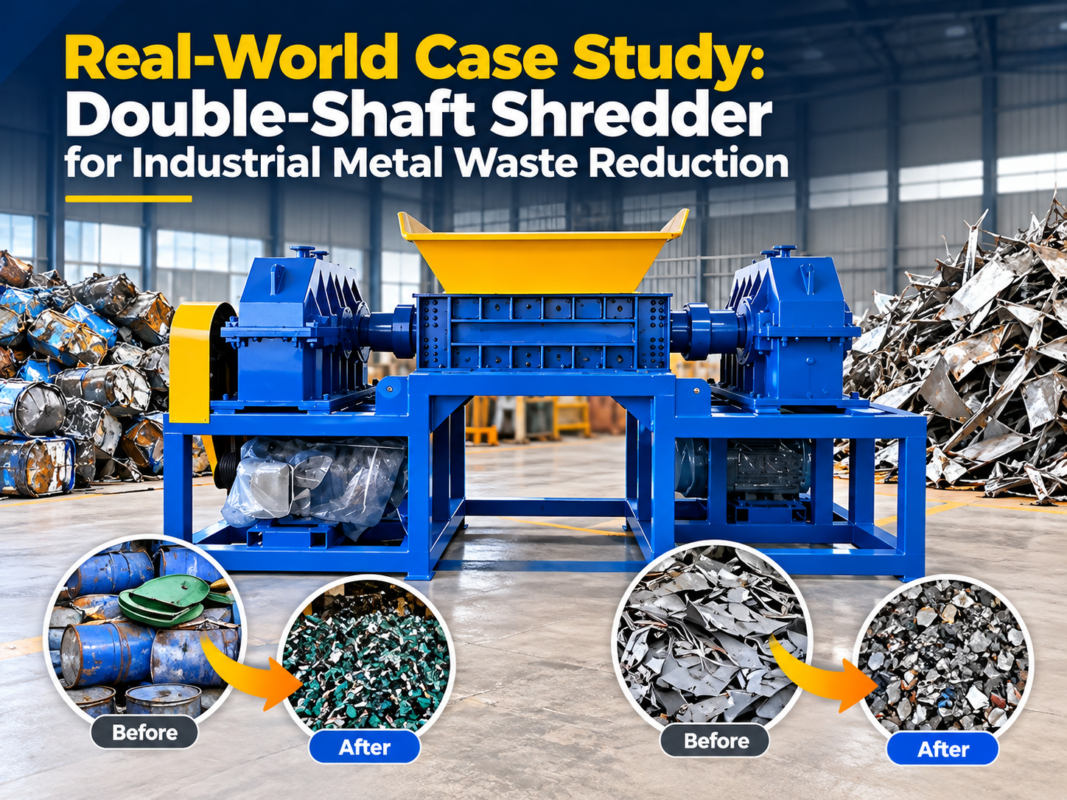
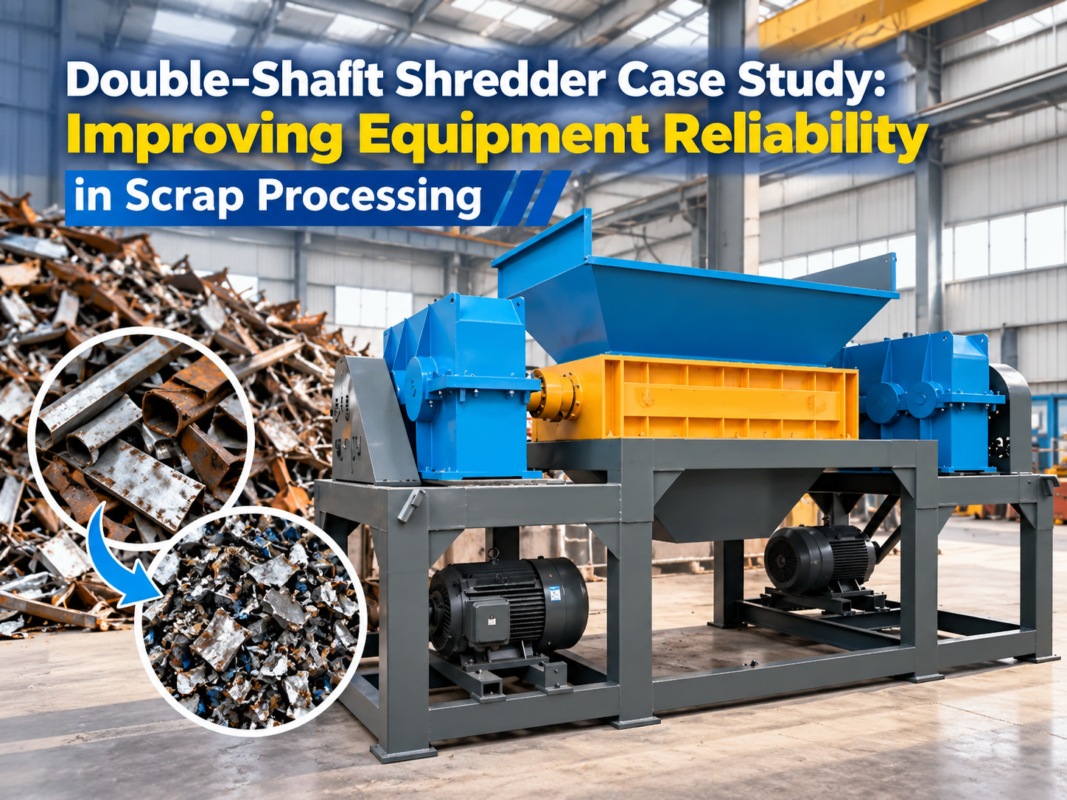
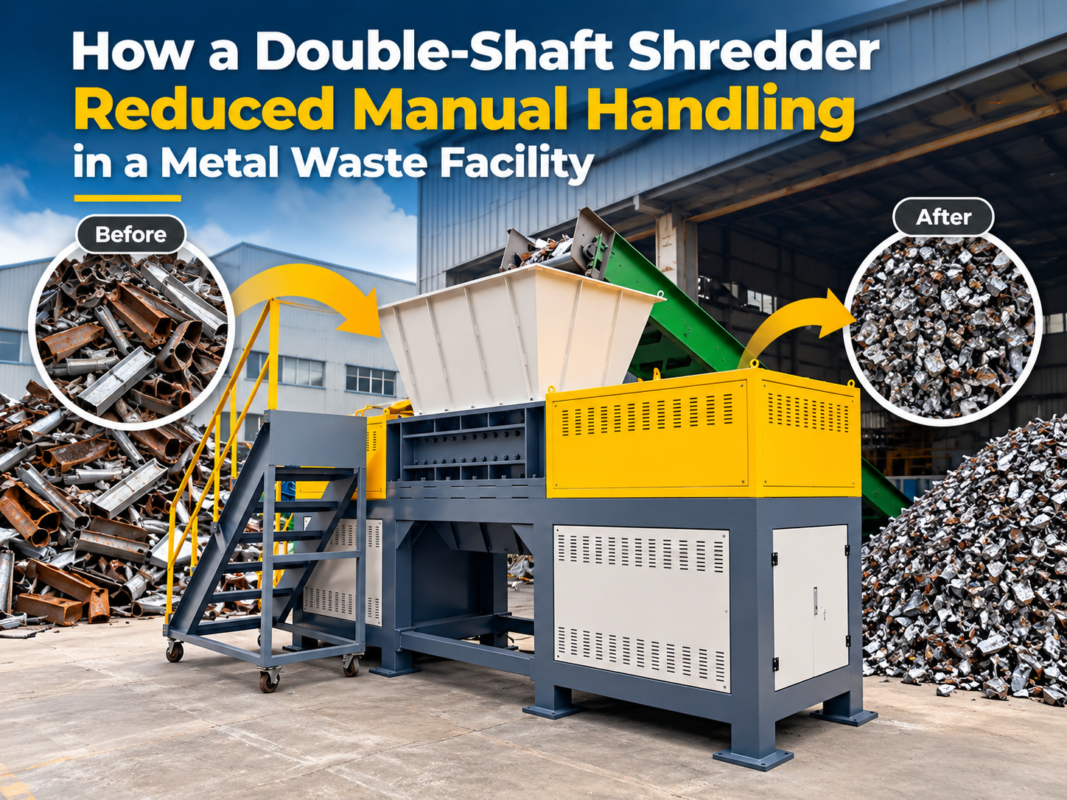
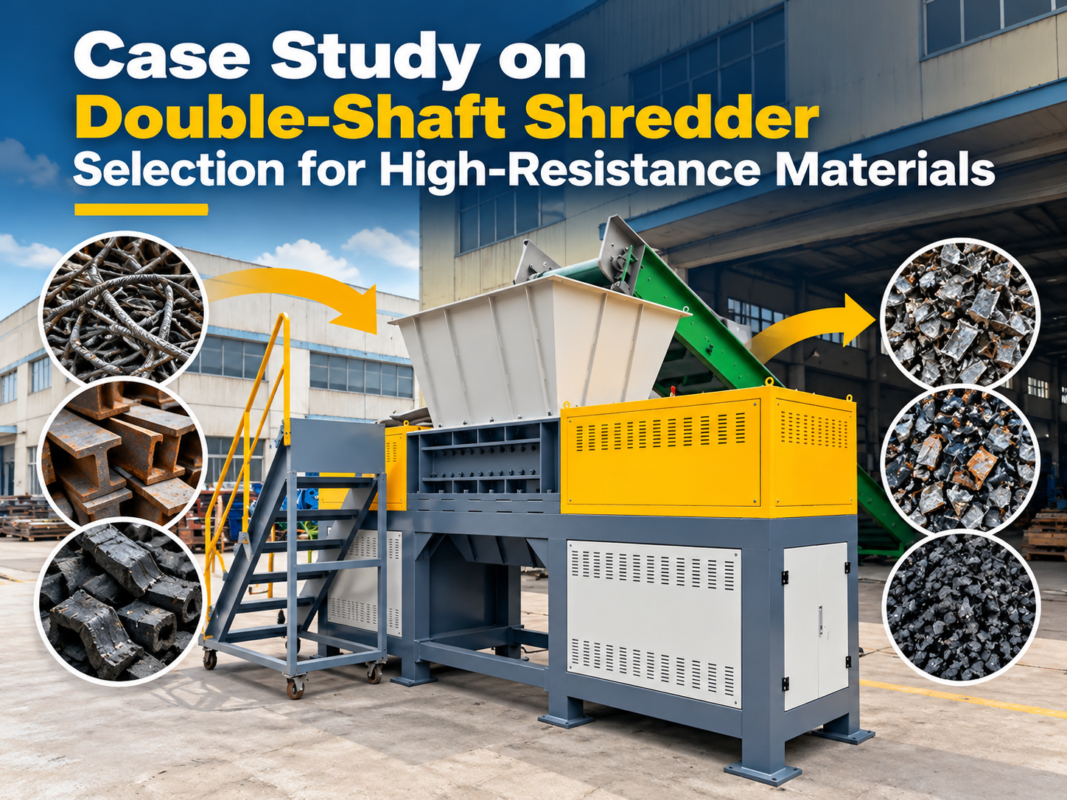
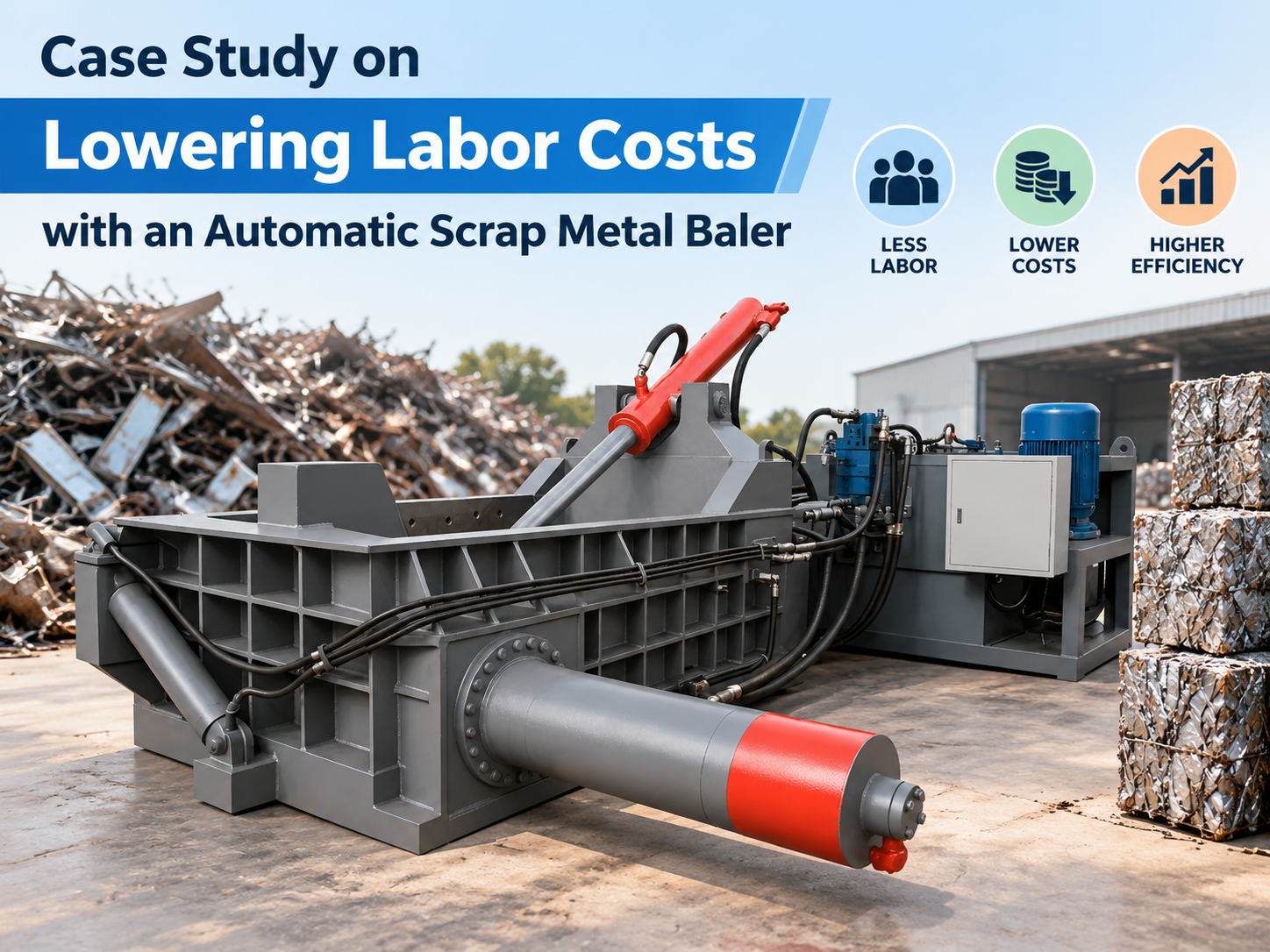
Case Study On Lowering Labor Costs An Automatic Scrap Metal Baler: A HARSLE Efficiency Report

Introduction: The Economic Imperative of Scrap Management
In the modern metal fabrication landscape, the management of scrap material is no longer just a byproduct of production; it is a critical component of the bottom line. For many medium-to-large scale fabrication facilities, the accumulation of loose metal shavings, offcuts, and sheet metal remnants creates a logistical bottleneck. Manual handling of this waste is not only time-consuming but also labor-intensive, often requiring multiple staff members to sort, move, and load scrap into transport containers. This is where a Case Study On Lowering Labor Costs An Automatic Scrap Metal Baler becomes essential for facility managers looking to optimize their operational expenditure.
HARSLE has observed that many facilities lose significant profit margins due to inefficient scrap handling. When labor is diverted from high-value production tasks to low-value waste management, the overall productivity of the shop floor suffers. By integrating an automatic scrap metal baler, companies can transition from a reactive waste disposal model to a proactive, automated recycling workflow. This article explores a comprehensive case study on how HARSLE machinery helps businesses reclaim their labor hours and improve safety standards.
The transition to automation is often met with hesitation due to initial capital investment concerns. However, when analyzing the long-term ROI, the reduction in labor costs—combined with the increased market value of baled scrap—creates a compelling financial argument. This guide serves as a deep dive into the technical and economic advantages of implementing HARSLE’s advanced baling solutions, providing a roadmap for facility owners to modernize their scrap processing departments.
Ultimately, the goal of this analysis is to demonstrate that scrap metal is not merely waste; it is a commodity that, when processed correctly, contributes to the financial health of the organization. By automating the baling process, facilities can achieve a leaner operation, reduce their physical footprint, and significantly lower the man-hours required to manage industrial waste.
Key Considerations for Implementing Automated Baling
Before investing in an automatic scrap metal baler, facility managers must conduct a thorough audit of their current waste generation patterns. The first consideration is the volume and type of scrap produced. Are you dealing with high-density steel offcuts or lightweight aluminum shavings? HARSLE’s engineering team emphasizes that the baling force required depends heavily on the material’s memory and density. A mismatch between material type and machine capacity can lead to inefficient cycle times and increased maintenance requirements.
Labor allocation is the second critical factor. In a manual setup, workers often spend hours per shift manually feeding, compacting, and tying off scrap. By implementing an automatic system, these hours can be reallocated to core fabrication tasks such as welding, CNC operation, or quality control. Our Case Study On Lowering Labor Costs An Automatic Scrap Metal Baler highlights that facilities typically see a 60-70% reduction in labor hours dedicated to waste management within the first three months of installation.
Space optimization is another vital consideration. Traditional scrap piles occupy valuable square footage that could be used for additional production machinery or inventory storage. Baled scrap is compact, stackable, and easy to transport. By converting loose scrap into dense, uniform bales, facilities can reclaim up to 40% of their floor space previously dedicated to waste bins and disorganized piles. This spatial efficiency is a hidden benefit that directly impacts the flow of materials through the factory.
Finally, safety and compliance must be at the forefront of the decision-making process. Manual handling of sharp metal edges poses a constant risk of injury to employees. An automatic baler minimizes human interaction with the scrap, significantly reducing the likelihood of lacerations and musculoskeletal injuries caused by heavy lifting. Furthermore, many local regulations require strict documentation and management of industrial waste; an automated system provides a more controlled and traceable output, simplifying compliance reporting.
Technical Details of HARSLE Baling Systems
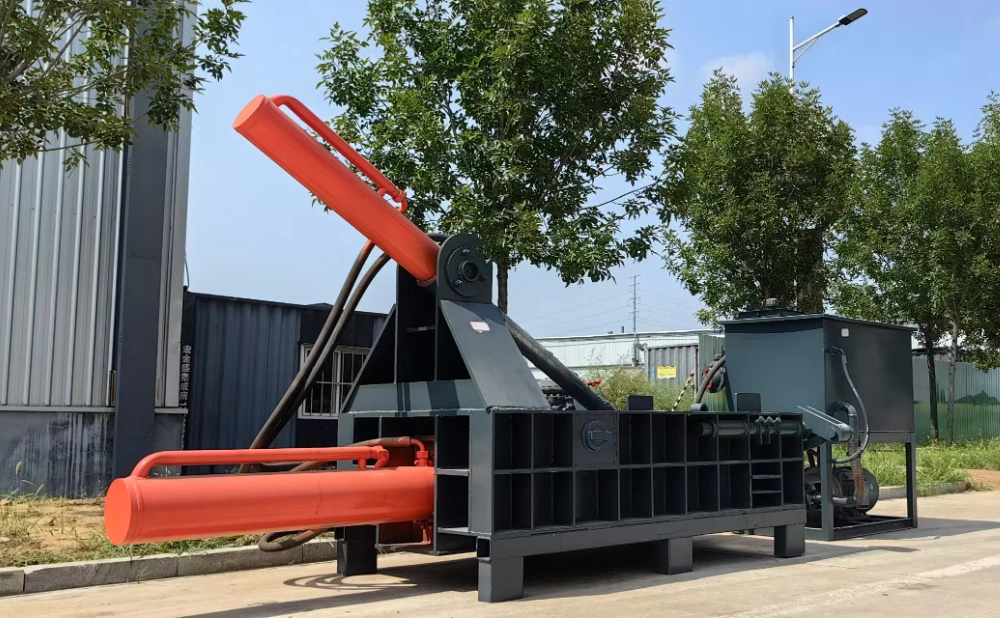
HARSLE’s range of scrap metal balers is engineered for durability and high-throughput performance. At the heart of our systems is a robust hydraulic architecture that delivers consistent compaction force. The hydraulic cylinders are designed to handle the high-pressure demands of compressing ferrous and non-ferrous metals, ensuring that every bale meets the density requirements of recycling centers, which often pay a premium for high-density, clean-cut bales.
The automation sequence is controlled by a sophisticated PLC (Programmable Logic Controller) system. This allows for customizable cycle times and pressure settings based on the specific material being processed. Whether the machine is handling copper wire, aluminum cans, or steel sheet offcuts, the PLC ensures that the baling process is optimized for speed and energy efficiency. This level of control is a cornerstone of our Case Study On Lowering Labor Costs An Automatic Scrap Metal Baler, as it removes the need for constant operator supervision.
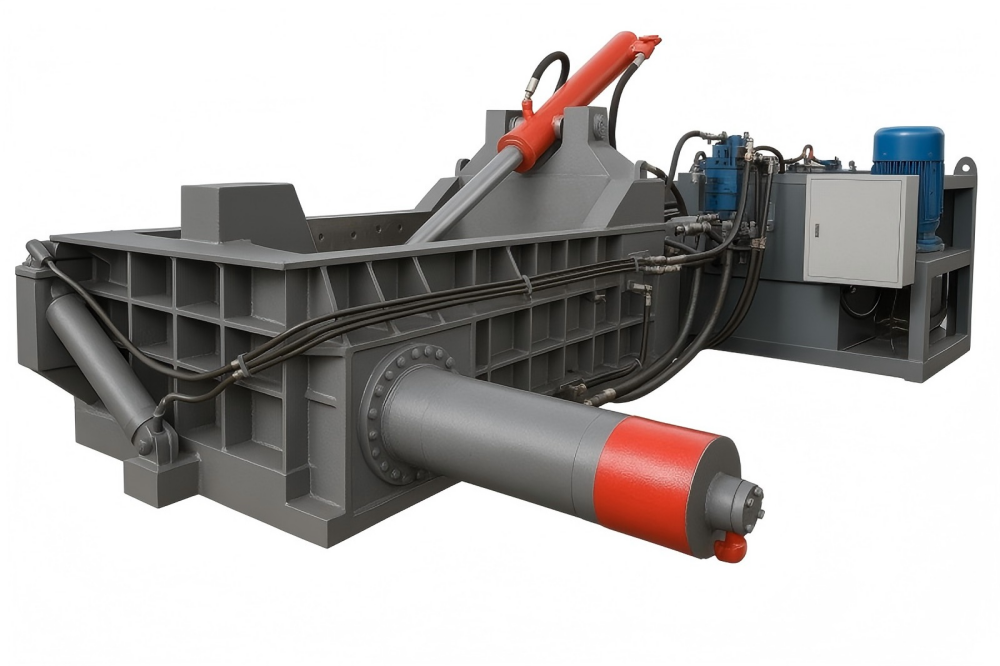
Key technical features include:
- High-Pressure Hydraulic Pumps: Designed for continuous operation without overheating.
- Wear-Resistant Liner Plates: Replaceable plates that protect the main chamber from the abrasive nature of metal scrap.
- Automatic Bale Ejection: A hydraulic ram system that pushes the finished bale out of the chamber, eliminating manual extraction.
- Safety Interlocks: Sensors that prevent the machine from operating if the loading door is open, ensuring operator safety.
- Energy-Efficient Motors: Variable frequency drives that reduce power consumption during idle or low-load periods.
Maintenance is simplified through modular design. HARSLE balers are built with accessible service panels, allowing maintenance teams to perform routine checks on hydraulic fluid levels, filter replacements, and seal inspections without extensive downtime. This ease of maintenance ensures that the machine remains operational for years, providing a reliable return on investment and maintaining the labor-saving benefits that were the primary driver for the purchase.
Selection Advice: Choosing the Right Baler for Your Facility
Selecting the correct scrap metal baler requires a balance between current production volume and future growth projections. A common mistake is purchasing a machine that is just large enough for current needs, only to find it undersized when production scales up. HARSLE recommends conducting a 12-month analysis of scrap output to determine the peak volume periods. This data will help in selecting a baler with the appropriate chamber size and compaction force.
Consider the feeding method. For high-volume facilities, a conveyor belt system integrated with the baler is often the best choice for minimizing labor. This allows scrap to be fed directly from the production line into the baler hopper. For smaller shops, a manual or forklift-assisted loading system might be sufficient. Our Case Study On Lowering Labor Costs An Automatic Scrap Metal Baler suggests that the integration of a conveyor system can reduce labor costs by an additional 20% compared to manual loading setups.
Think about the final bale dimensions. Different recycling facilities have different requirements for bale size and weight. If you plan to sell your scrap to a specific buyer, ensure your baler produces a bale size that fits their transport and processing equipment. HARSLE offers customizable chamber dimensions to ensure that your output is perfectly suited to your supply chain requirements, maximizing the resale value of your scrap.
Lastly, evaluate the support and service network. A baler is a long-term asset, and having access to spare parts and technical support is crucial. HARSLE provides comprehensive after-sales support, including remote diagnostics and on-site training for your maintenance staff. When you invest in HARSLE equipment, you are not just buying a machine; you are entering a partnership aimed at maximizing your operational efficiency and lowering your labor costs over the long term.
Frequently Asked Questions (FAQ)
How does an automatic baler specifically lower labor costs?
An automatic baler reduces labor costs by eliminating the need for manual sorting, compacting, and tying. By automating these repetitive tasks, employees can be reassigned to higher-value production roles, and the time spent on waste management is reduced by up to 70%.
What types of metal can HARSLE balers process?
Our balers are versatile and can process a wide range of materials, including steel, aluminum, copper, brass, and stainless steel. The specific model choice depends on the density and volume of the material you are processing.
Is the installation of a scrap metal baler complex?
HARSLE provides detailed installation guides and support. Most units are designed for straightforward integration into existing factory layouts, though some larger models may require a concrete foundation and electrical upgrades.
How often does the baler require maintenance?
Routine maintenance, such as checking hydraulic fluid and cleaning sensors, should be performed weekly. A full service check is recommended every 6-12 months, depending on usage intensity.
Can the baler be customized for specific bale sizes?
Yes, HARSLE offers customization options for chamber dimensions and bale sizes to meet the specific requirements of your scrap buyers or logistics partners.
Conclusion: The Future of Efficient Fabrication
The transition to automated scrap management is a hallmark of a modern, competitive metal fabrication facility. As demonstrated in our Case Study On Lowering Labor Costs An Automatic Scrap Metal Baler, the benefits extend far beyond simple waste disposal. By reducing the physical labor required to manage scrap, companies can improve their safety records, reclaim valuable floor space, and turn a waste stream into a consistent revenue source.
HARSLE remains committed to providing the industrial machinery necessary for businesses to thrive in an increasingly automated world. Our scrap metal balers are designed with the end-user in mind, focusing on durability, ease of use, and maximum efficiency. By investing in the right technology today, you are positioning your facility for long-term success and sustainability.
If you are ready to optimize your scrap processing and significantly lower your labor costs, contact the HARSLE team today. We can provide a tailored analysis of your facility’s needs and recommend the perfect baling solution to help you achieve your production goals. Let us help you transform your scrap metal management from a cost center into a streamlined, profitable part of your operation.