Container Shear Price Guide: Investing in Hydraulic Cutting Machines for Metal Recycling

Price Range Overview: Understanding the Investment
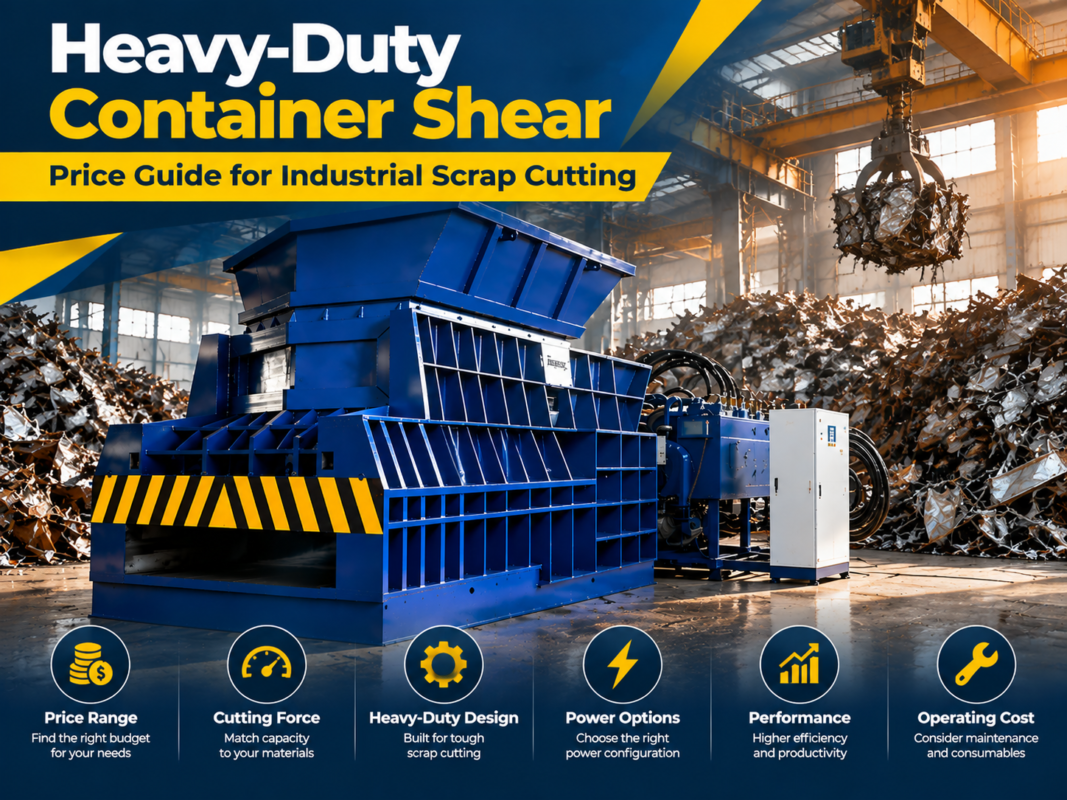
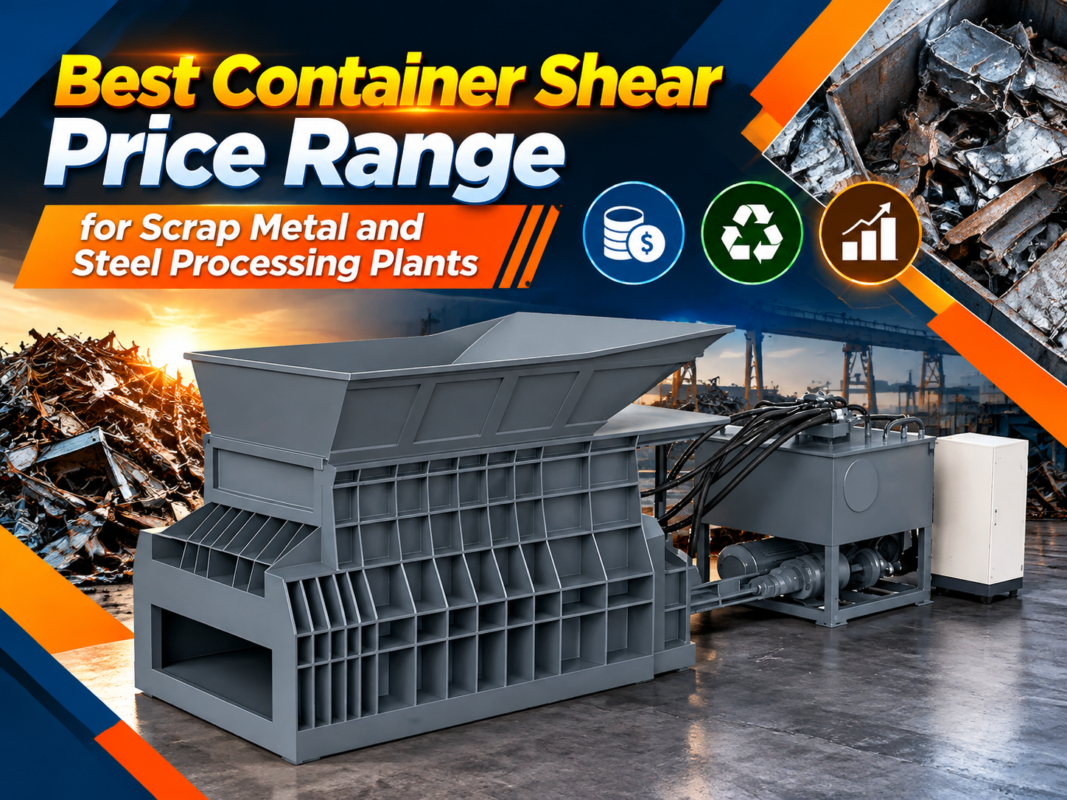
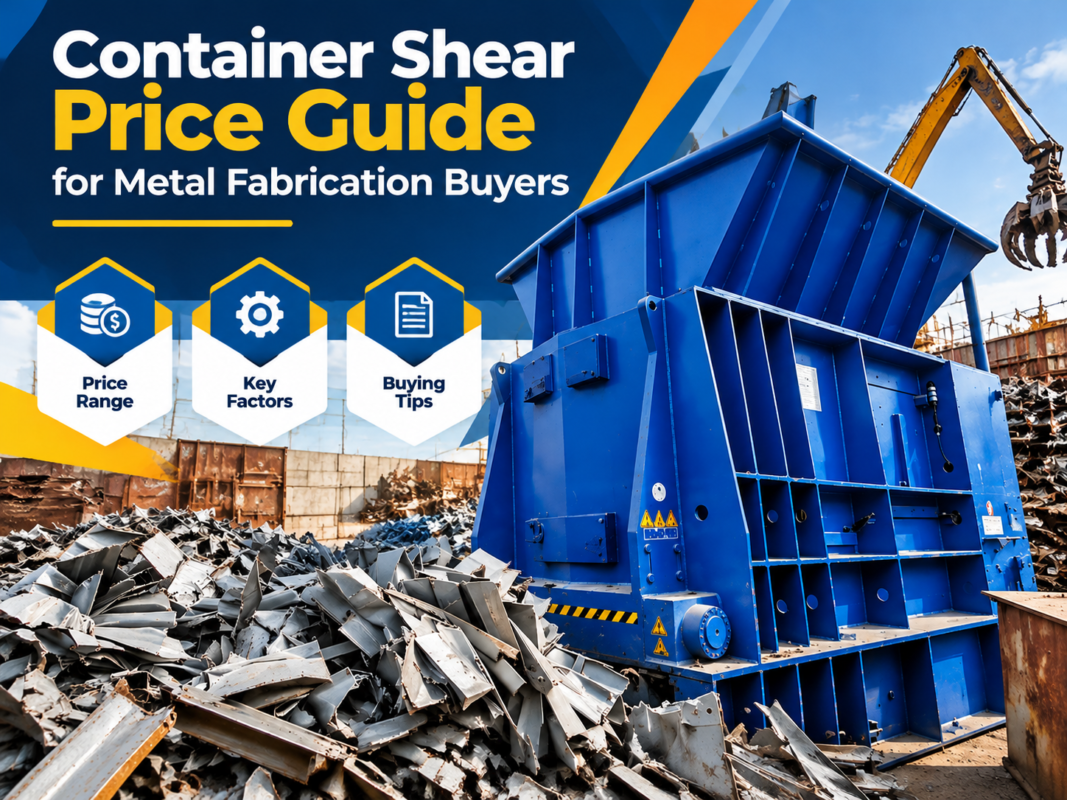
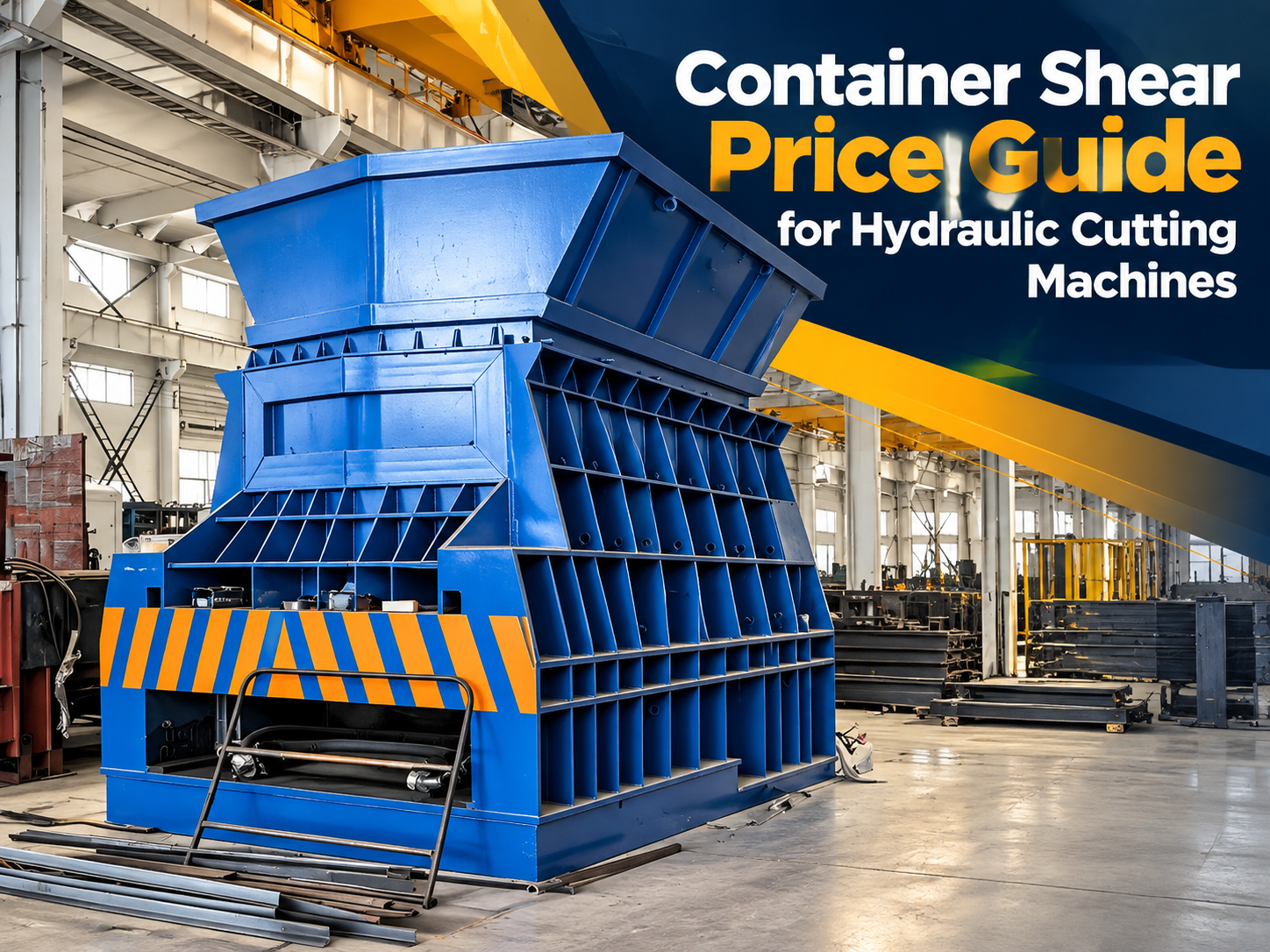
When entering the market for heavy-duty metal processing, understanding the container shear price hydraulic cutting machines command is the first step toward a successful capital investment. A container shear is a specialized, high-capacity hydraulic machine designed to process large volumes of scrap metal, including end-of-life vehicles, structural steel, and heavy industrial waste. Because these machines are engineered for extreme durability and high-tonnage force, they represent a significant financial commitment for any recycling facility or demolition contractor.
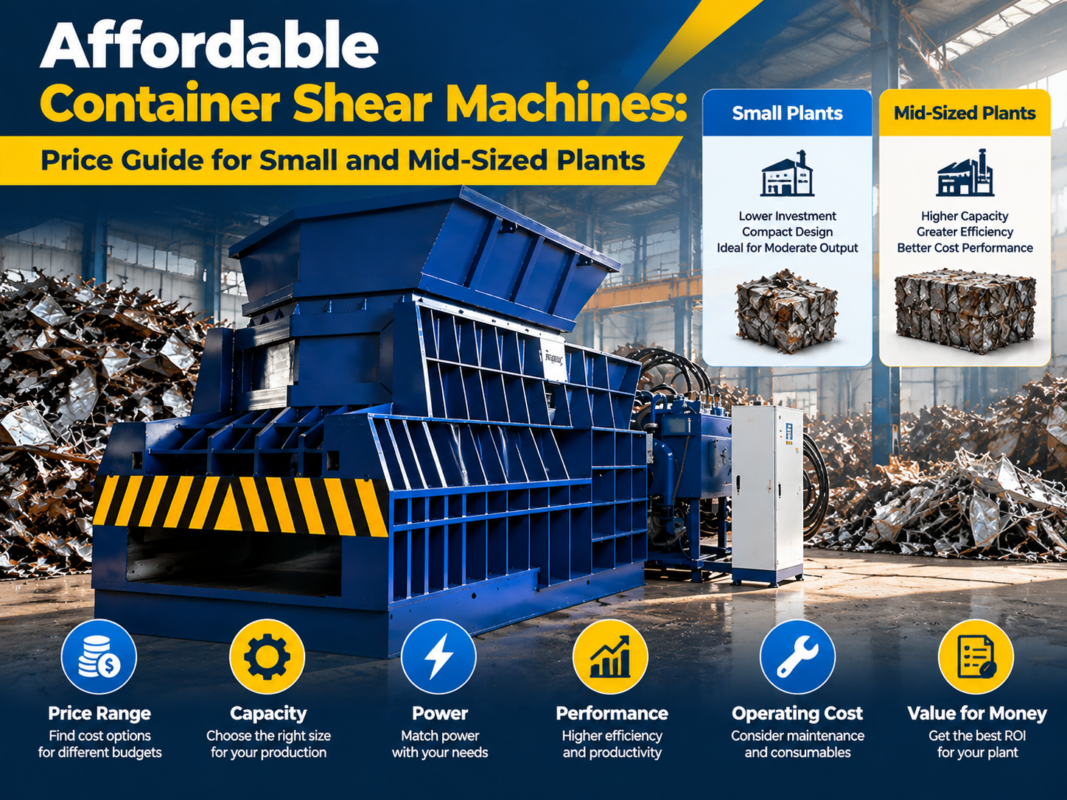
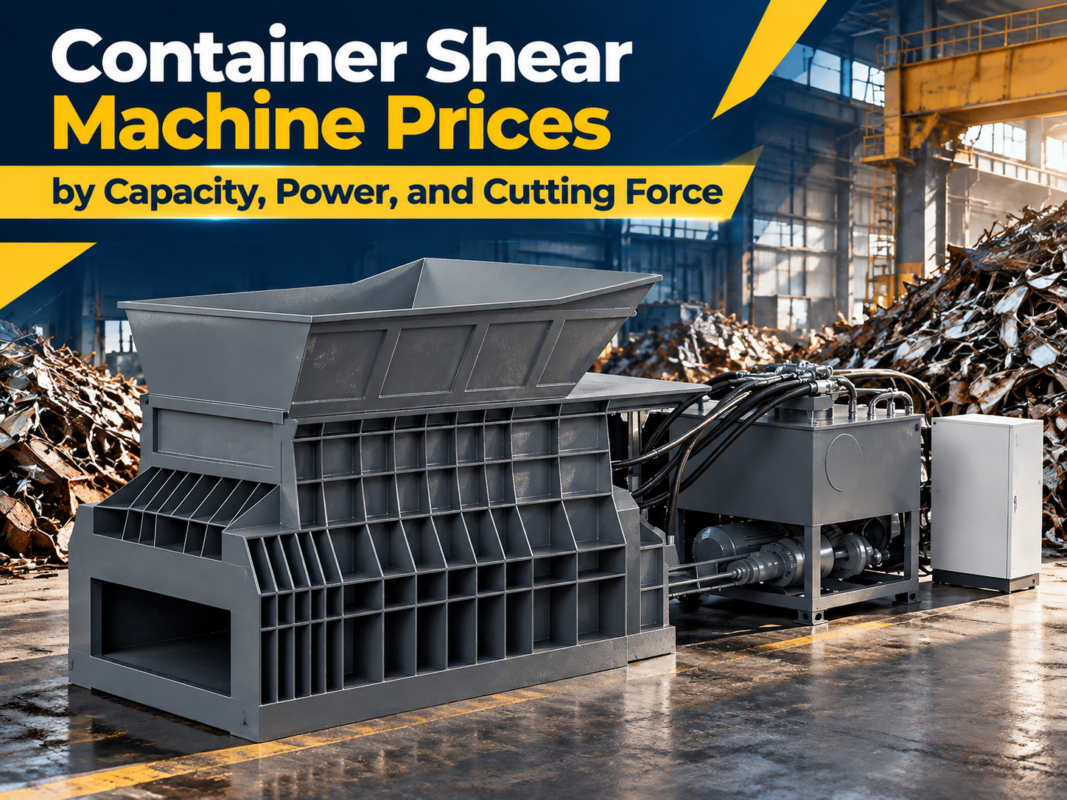
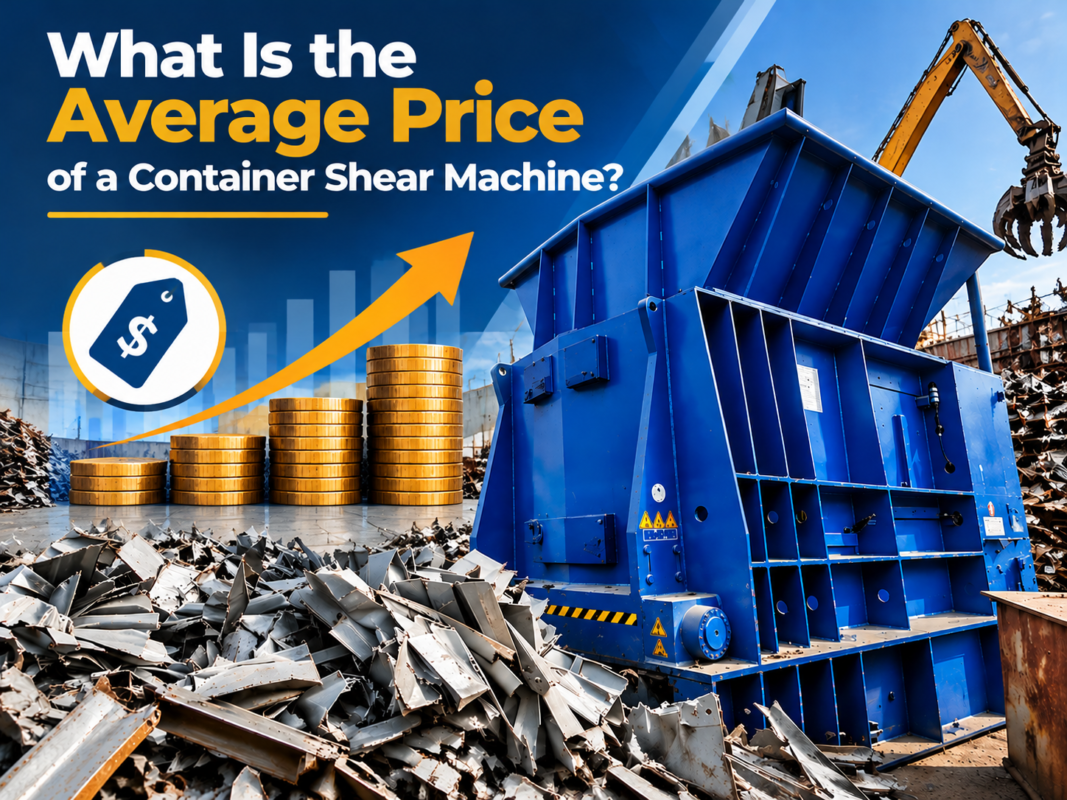
Generally, the market for container shears is segmented by cutting force, throughput capacity, and automation level. Entry-level or refurbished container shears may start in the range of $80,000 to $150,000. These units are typically designed for smaller scrap yards or facilities with lower daily volume requirements. They offer essential cutting capabilities but may lack the advanced sensor technology or high-speed cycling found in premium models.
Mid-range container shears, which are the industry standard for most medium-to-large recycling centers, typically fall between $200,000 and $450,000. These machines provide a balance of robust construction, reliable hydraulic systems, and moderate automation. They are built to handle consistent, multi-shift operations and offer a longer service life with standard maintenance protocols.
At the top end of the spectrum, high-performance, fully automated container shears can exceed $600,000 to $1,000,000. These machines are often custom-engineered for specific site requirements, featuring advanced PLC controls, remote monitoring capabilities, and high-speed hydraulic systems that maximize throughput. Investing in this tier is usually reserved for large-scale industrial operations where downtime is extremely costly and high-volume processing is non-negotiable.
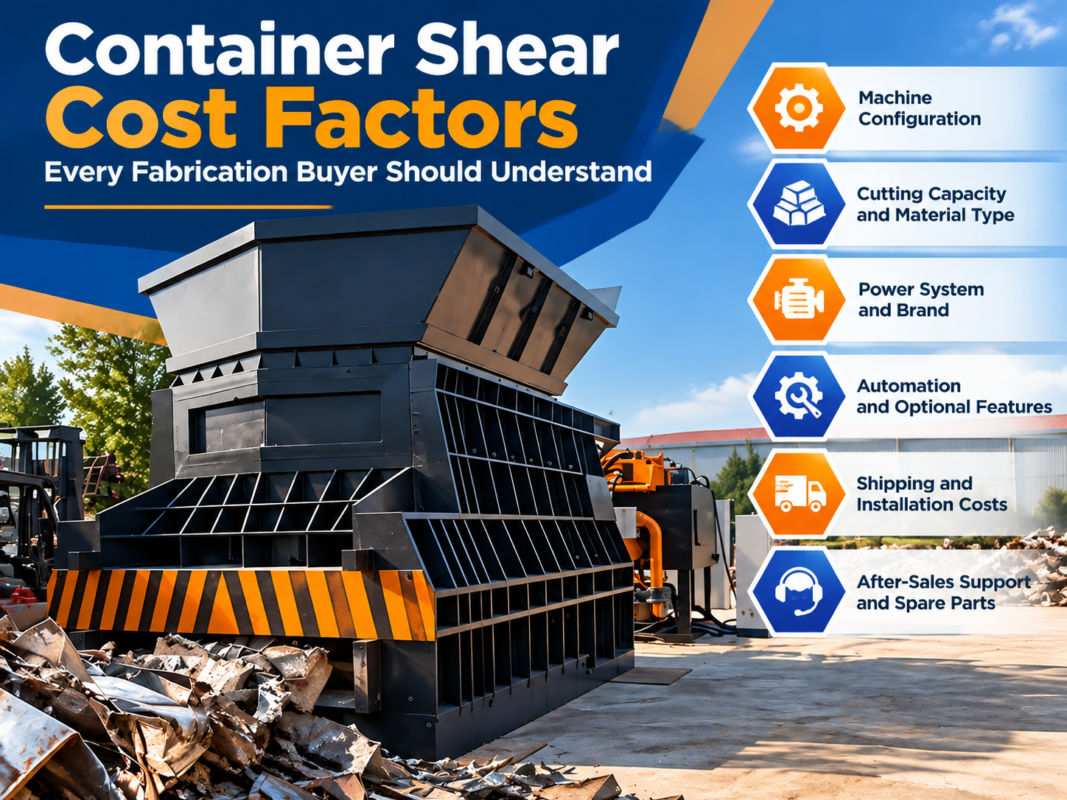
Main Cost Drivers for Hydraulic Cutting Machines
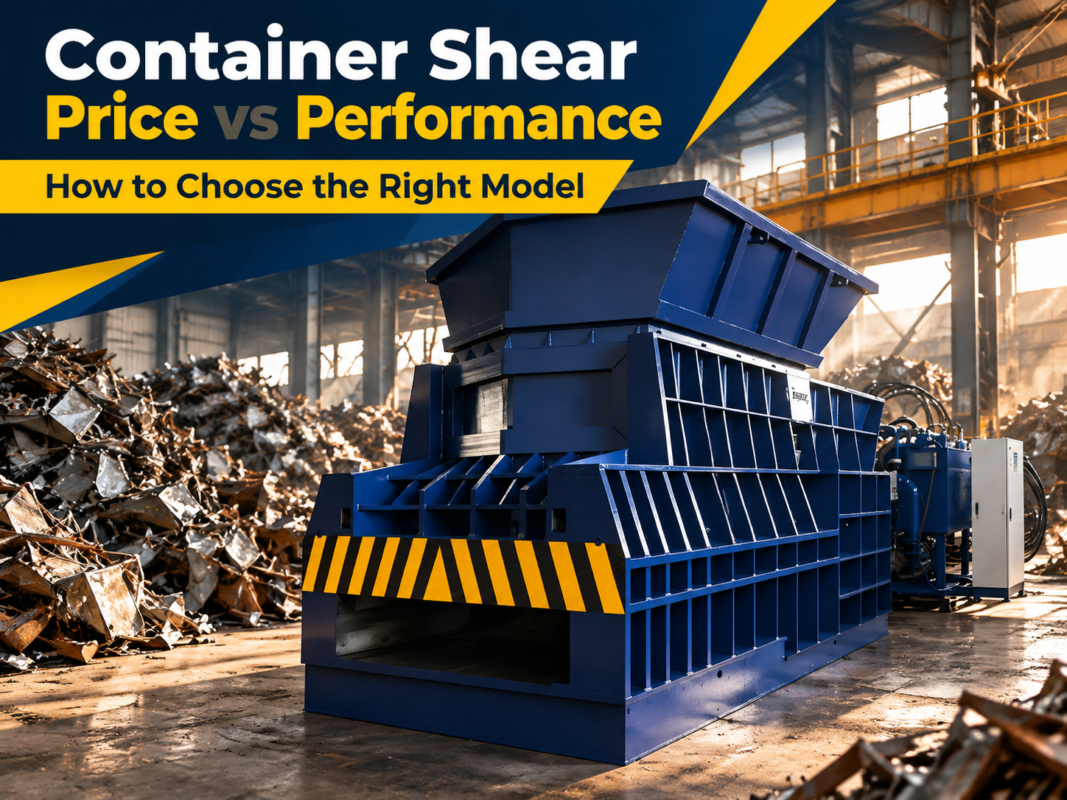
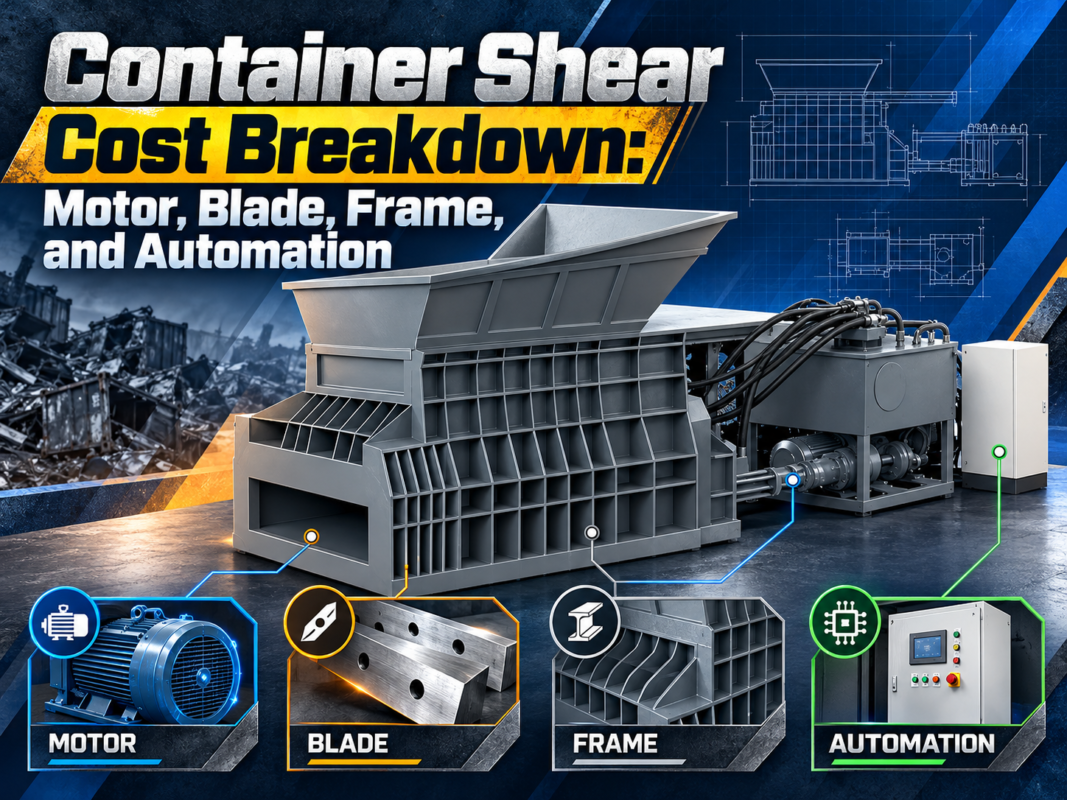
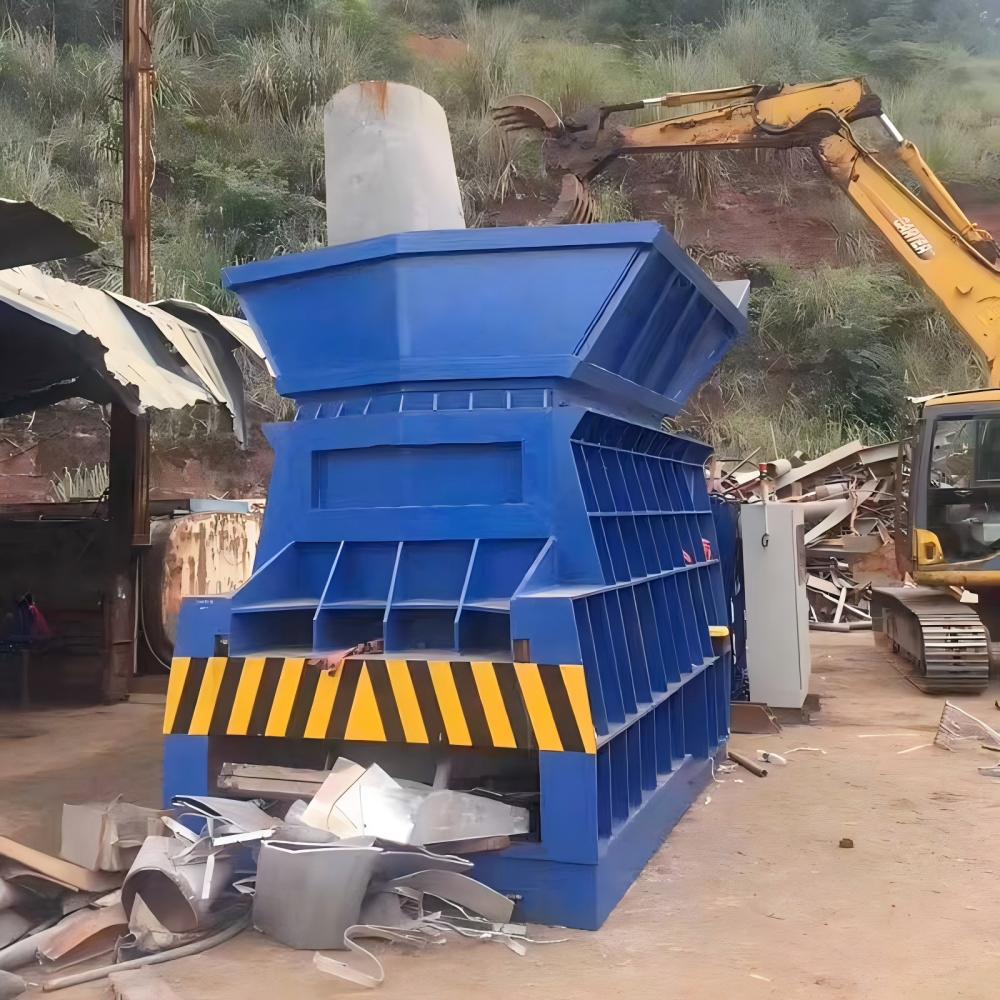
The price of a container shear is dictated by several core engineering factors. The most significant driver is the cutting force, measured in tons. A machine capable of shearing 800 tons of force will naturally cost significantly more than a 400-ton unit due to the increased thickness of the steel plates, the size of the hydraulic cylinders, and the power requirements of the motor.
Another primary cost driver is the quality and brand of the hydraulic components. Hydraulic systems are the heart of these machines. Premium pumps, valves, and seals from reputable global manufacturers ensure longevity and consistent pressure. Cheaper, generic hydraulic components may lower the initial purchase price, but they often lead to premature failure, oil leaks, and expensive downtime, which quickly erodes the initial savings.
Structural integrity and material quality also play a vital role. A container shear must withstand the immense stress of shearing thick steel repeatedly. High-tensile steel frames, reinforced wear plates, and precision-machined cutting blades are expensive to produce. Manufacturers that use advanced heat-treatment processes for their blades and wear-resistant liners charge a premium, but these features are essential for reducing the frequency of blade changes and structural repairs.
Finally, the control system and automation level significantly influence the price. Modern container shears are no longer just mechanical beasts; they are sophisticated pieces of industrial technology. PLC-based control systems that allow for automated cutting cycles, remote diagnostics, and energy-saving modes add to the development and hardware costs. However, these features provide better safety, higher efficiency, and lower operational costs over the life of the machine.
Configuration Impact on Total Cost
Customization is a key aspect of the container shear price hydraulic cutting machines market. Many buyers opt for specific configurations to suit their unique scrap streams. For example, adding a pre-compression lid or a side-compression wing increases the machine’s ability to densify scrap before the shearing process. While these additions increase the upfront cost, they significantly improve the density of the final product, which can reduce transportation costs—a major factor in the profitability of scrap metal recycling.
The power source configuration also impacts the price. While electric motors are standard, some facilities require diesel-powered units for remote sites or areas with unstable power grids. Diesel-hydraulic power packs involve additional engineering for cooling, exhaust, and fuel management, which adds to the total price. Furthermore, the integration of energy-recovery systems, which capture energy during the deceleration of the shear blade, is a premium configuration that lowers long-term electricity bills.
Blade design and material are also configurable options. Depending on the type of metal being processed—whether it is light sheet metal or heavy structural beams—the blade geometry and hardness must be adjusted. Investing in high-grade, reversible, or multi-edge blades can increase the initial cost but drastically reduces the total cost of ownership by extending the time between maintenance intervals.
Lastly, the size of the charging box is a critical configuration choice. A larger box allows for the processing of larger, bulkier items without the need for pre-cutting, which saves labor costs. However, a larger box requires a larger frame and more powerful hydraulics to maintain the necessary shearing force, directly impacting the price. Buyers must carefully balance their typical scrap dimensions against the cost of a larger machine footprint.
Hidden Costs and Long-Term Maintenance
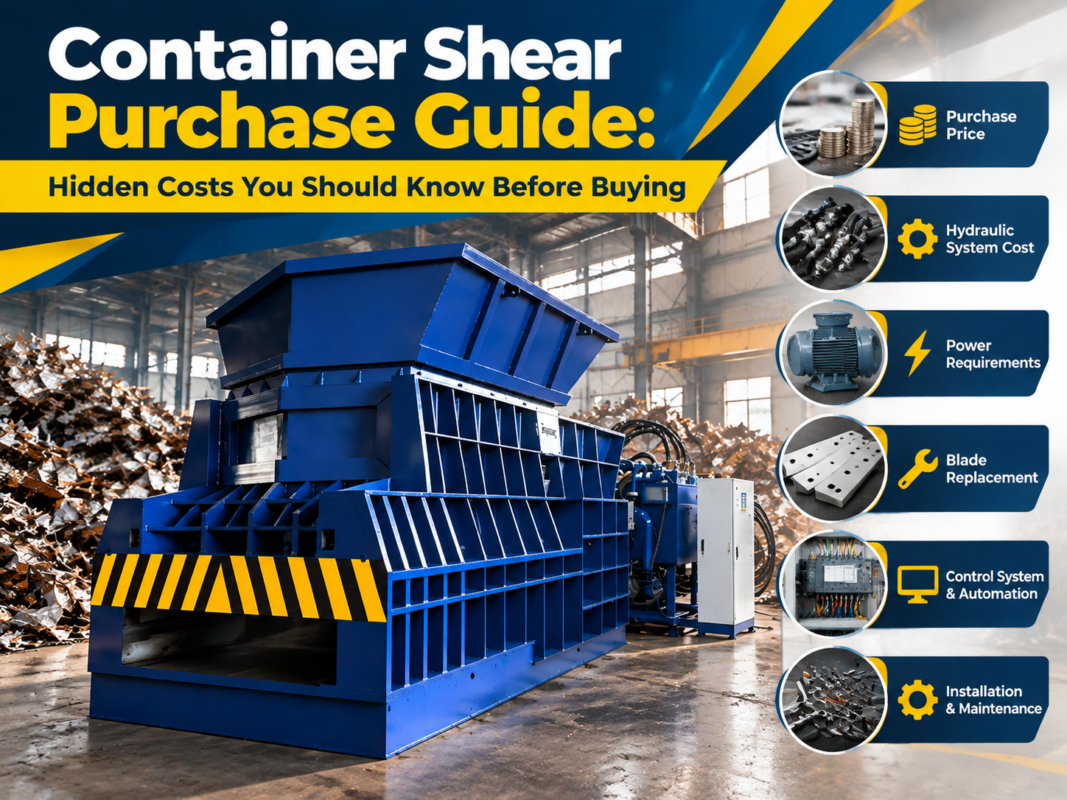
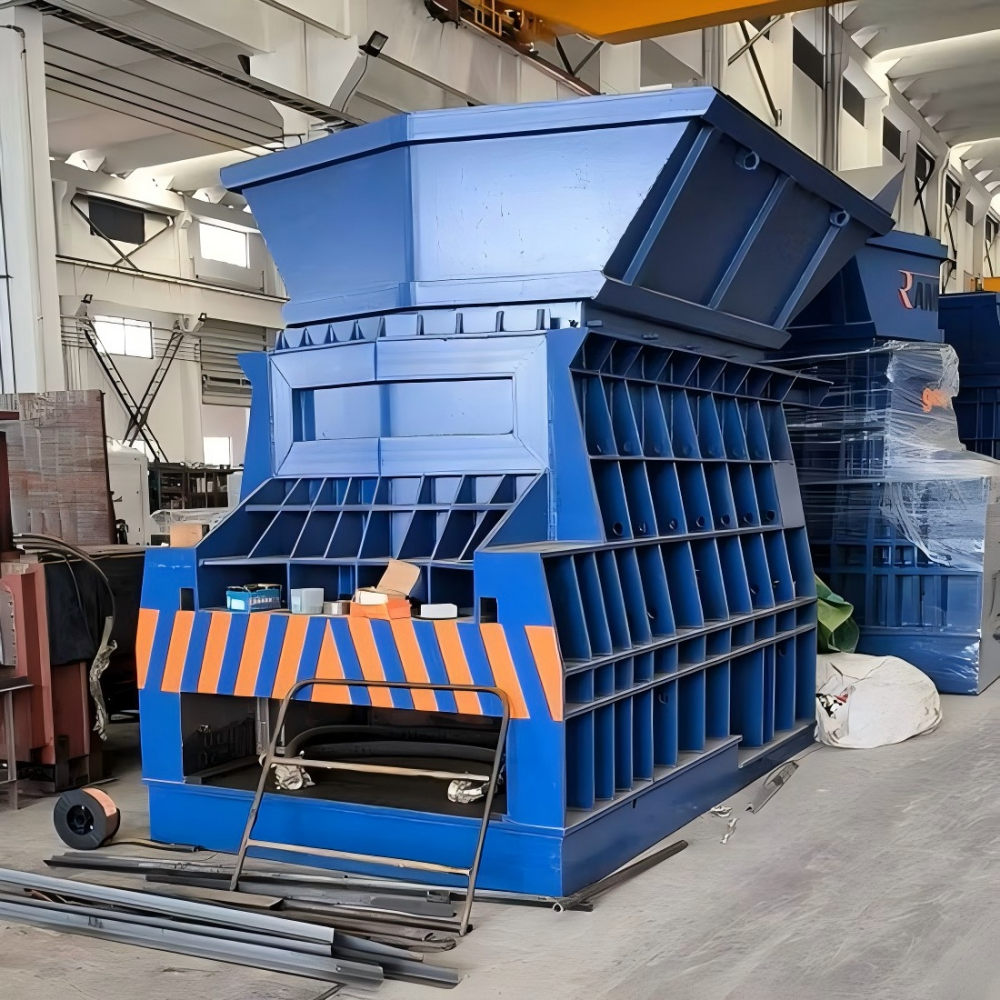
When evaluating the container shear price, buyers must look beyond the sticker price to account for hidden costs. Installation is a major factor. These machines are massive and often require specialized concrete foundations to handle the vibration and weight. Site preparation, including electrical upgrades, hydraulic fluid procurement, and safety fencing, can add thousands of dollars to the project budget.
Operational costs, specifically energy consumption and hydraulic oil replacement, are ongoing expenses. A machine that is not energy-efficient will cost significantly more to operate over a five-year period. Additionally, hydraulic oil is a consumable that requires regular testing and replacement. High-quality, synthetic hydraulic fluids may cost more upfront but offer better protection for the pumps and valves, extending the life of the entire system.
Maintenance and spare parts are perhaps the most overlooked hidden costs. Every shear requires periodic blade sharpening or replacement. If the machine is not designed for easy access to the cutting head, labor costs for maintenance can skyrocket. Buyers should always request a list of recommended spare parts and the typical lead time for critical components. A machine that is “cheap” but requires parts that are only available from overseas with long lead times can be a liability.
Training and safety compliance are also essential. Operators must be trained to handle the machine safely to prevent accidents and damage to the equipment. Investing in operator training programs and ensuring the machine meets local safety standards (such as CE or OSHA requirements) is a necessary expense that protects the investment and the workforce.
ROI Calculation for Metal Fabrication Equipment
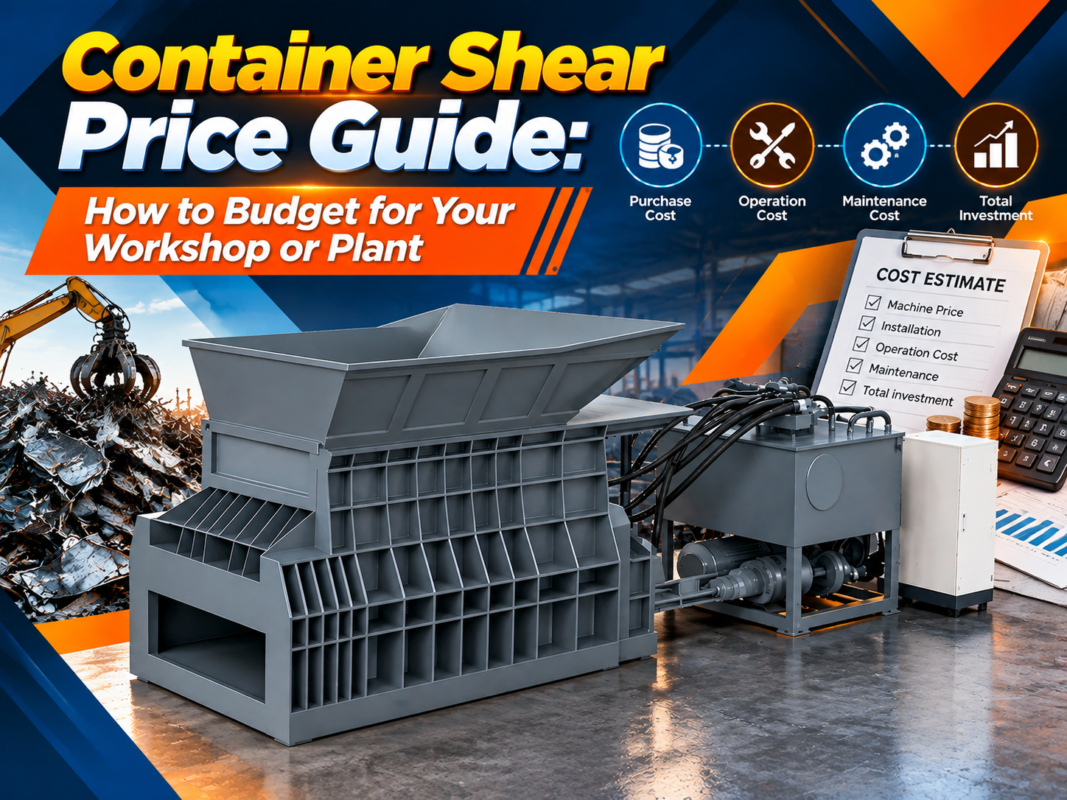
Calculating the Return on Investment (ROI) for a container shear involves analyzing the increase in throughput and the improvement in scrap density. By transforming bulky, low-density scrap into high-density, uniform pieces, a facility can command higher prices from steel mills. Mills prefer processed scrap because it is easier to handle and melt, often paying a premium for “prepared” material compared to “unprepared” scrap.
To calculate ROI, start by determining the current cost per ton of processing scrap using existing methods (e.g., manual cutting or smaller shears). Compare this to the projected cost per ton using the new container shear, including electricity, labor, maintenance, and the amortized cost of the machine. The difference in cost per ton, multiplied by the annual volume of processed metal, provides the annual savings.
Another factor in the ROI is the reduction in transportation costs. If a facility can fit more weight into a single shipping container or truckload due to the higher density of the sheared metal, the savings on logistics can be substantial. In many cases, the reduction in freight costs alone can justify the purchase of a high-performance container shear within a few years of operation.
Finally, consider the resale value. High-quality hydraulic cutting machines from reputable manufacturers like HARSLE retain their value well. When calculating ROI, factor in the estimated residual value of the machine after 7 to 10 years of service. A well-maintained machine can often be sold on the secondary market, providing a significant recovery of the initial capital investment.
Buying Advice: Selecting the Right Machine
When searching for the right container shear, start by defining your specific material requirements. Are you processing light-gauge aluminum, heavy structural steel, or a mix of both? The type of material determines the required shearing force and the necessary blade hardness. Do not over-specify the machine if your scrap stream does not require it, but never under-specify, as this will lead to constant mechanical failures.
Evaluate the manufacturer’s support network. A container shear is a long-term asset. You need a partner who provides technical support, readily available spare parts, and on-site service if needed. Research the manufacturer’s reputation in the industry and ask for references from other facilities that have used their equipment for several years. A reliable manufacturer will be transparent about their maintenance requirements and expected service life.
Consider the ease of operation and safety features. Modern machines should have intuitive control panels, emergency stop systems, and safety interlocks. If the machine is difficult to operate, you will face higher training costs and a higher risk of operator error. Look for features like remote diagnostics, which allow the manufacturer to troubleshoot issues via the internet, significantly reducing downtime.
Finally, take the time to visit a facility where the machine is currently in operation. Seeing the shear in action allows you to assess its noise levels, cycle speed, and the quality of the cut. It also provides an opportunity to speak with the operators and maintenance staff about their real-world experience with the equipment. This firsthand knowledge is invaluable when making a final decision on such a significant industrial purchase.
FAQ: Container Shear Price and Selection
- What is the average lifespan of a container shear? With proper maintenance, a high-quality hydraulic container shear can last 15 to 20 years or more.
- How often do the blades need to be changed? This depends on the volume and type of material processed. Typically, blades require sharpening or replacement every 3 to 6 months in high-volume operations.
- Can a container shear be used for non-ferrous metals? Yes, but the machine must be calibrated correctly. Processing non-ferrous metals often requires different blade clearances and pressure settings.
- What are the main safety requirements for these machines? Operators must follow strict lockout/tagout procedures, and the machine should be equipped with light curtains or safety cages to prevent unauthorized access during operation.
- Is it better to buy new or used? New machines offer warranties, the latest technology, and lower maintenance risks. Used machines can be cost-effective but require a thorough inspection of the hydraulic system and structural frame.
- How much space is required for installation? A container shear requires a significant footprint, including space for the machine, the loading area, and the processed material discharge area. Always consult the manufacturer’s layout drawings before finalizing your site plan.