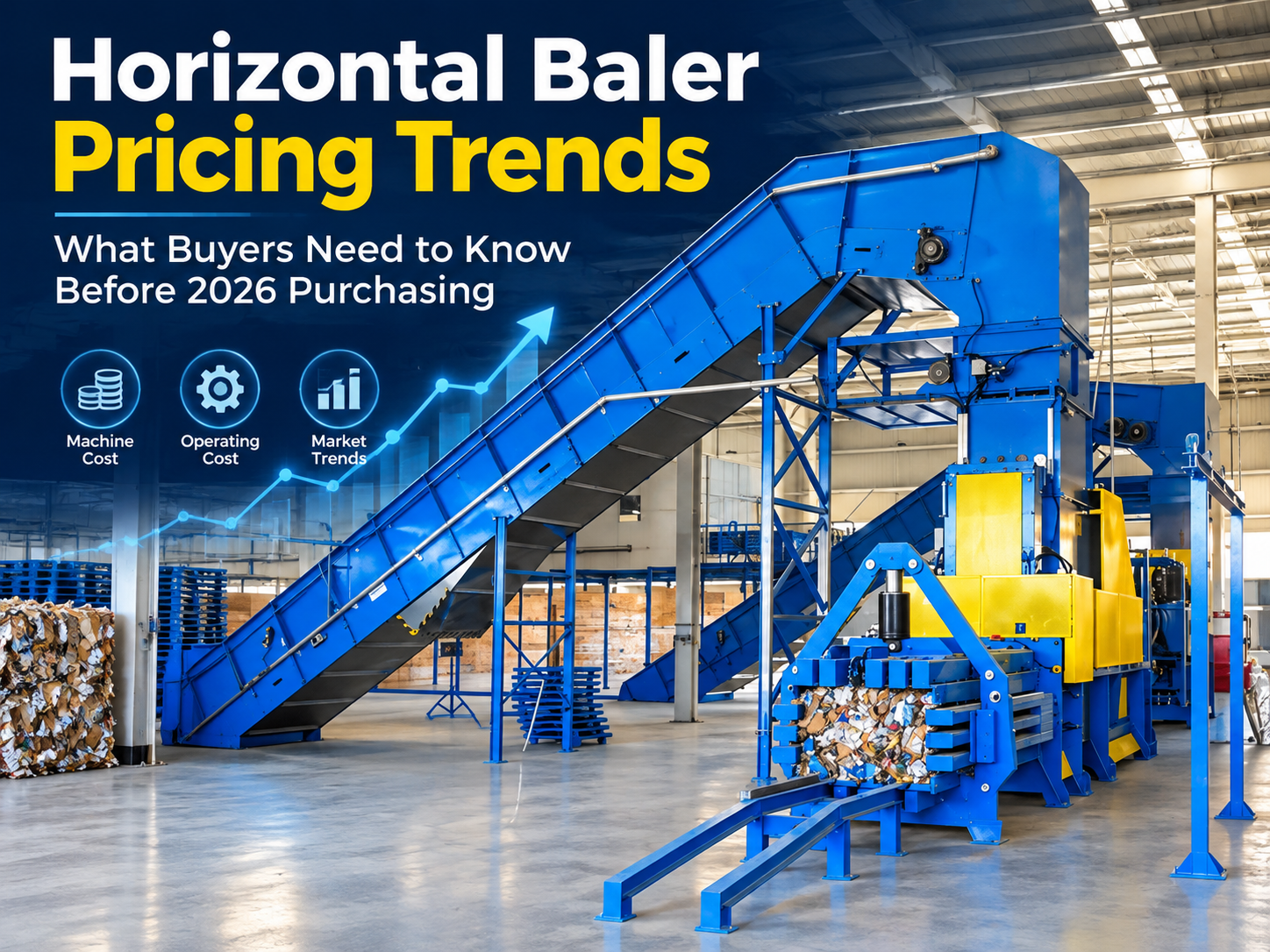
Horizontal Baler Pricing Trends: What Buyers Need to Know Before 2026 Purchasing

Price Range Overview
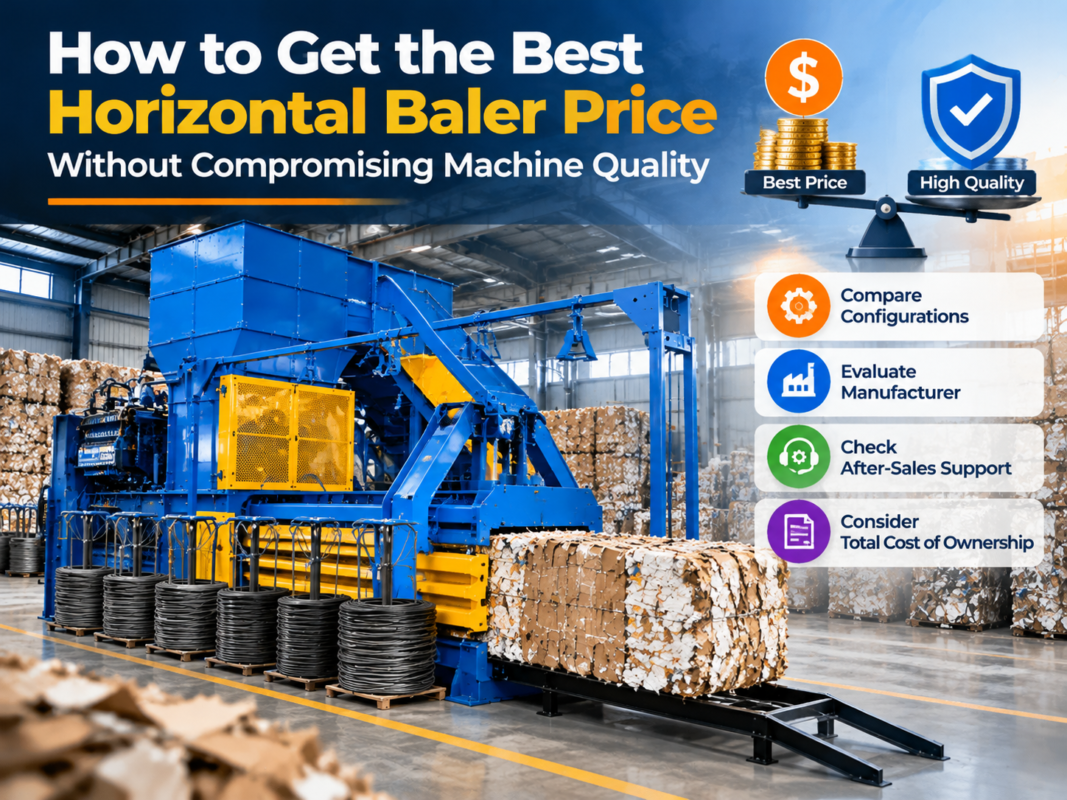
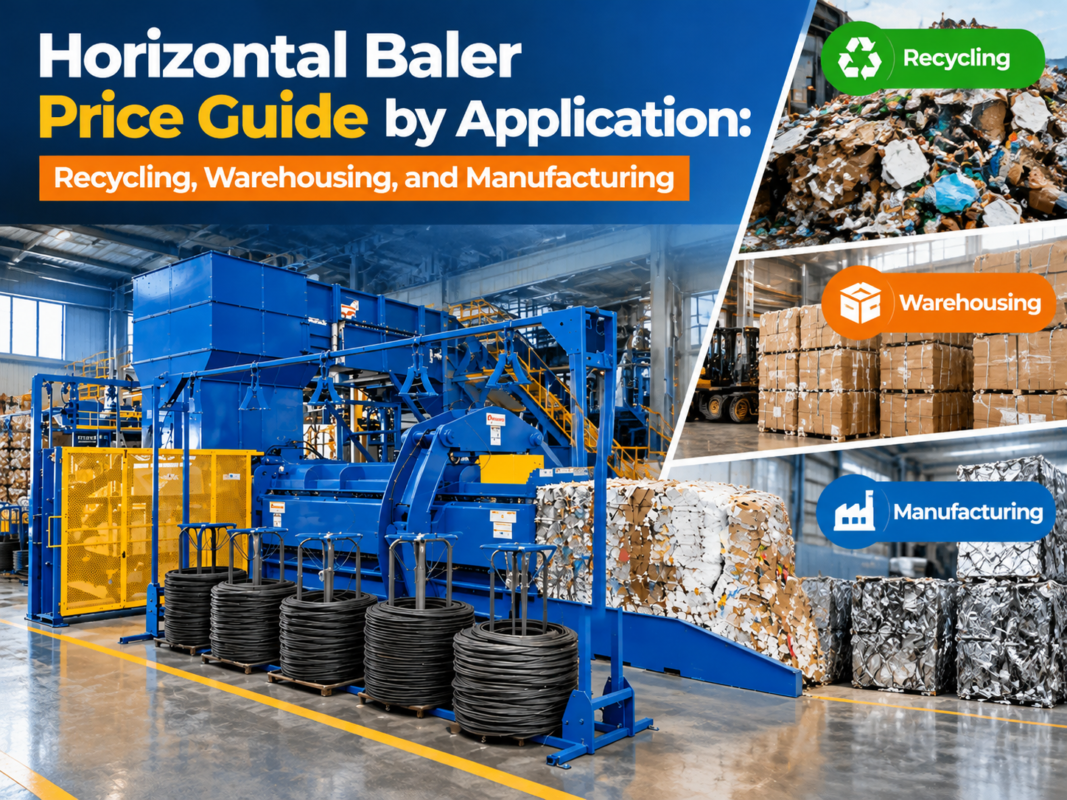
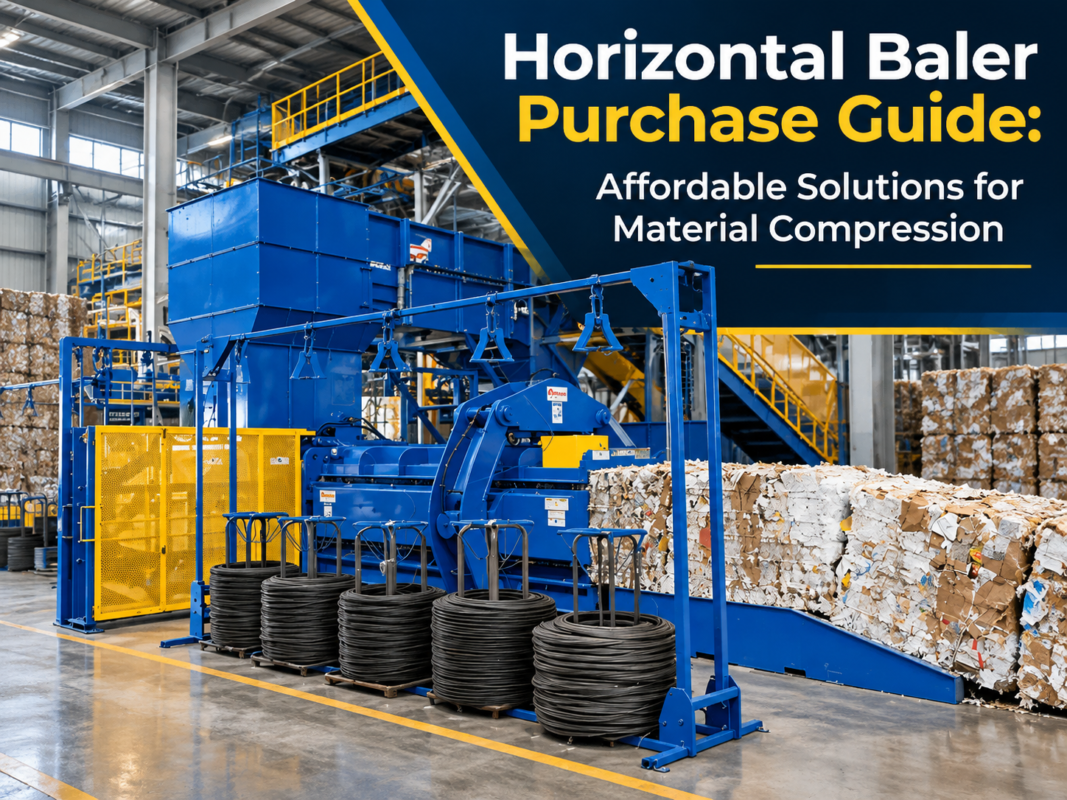
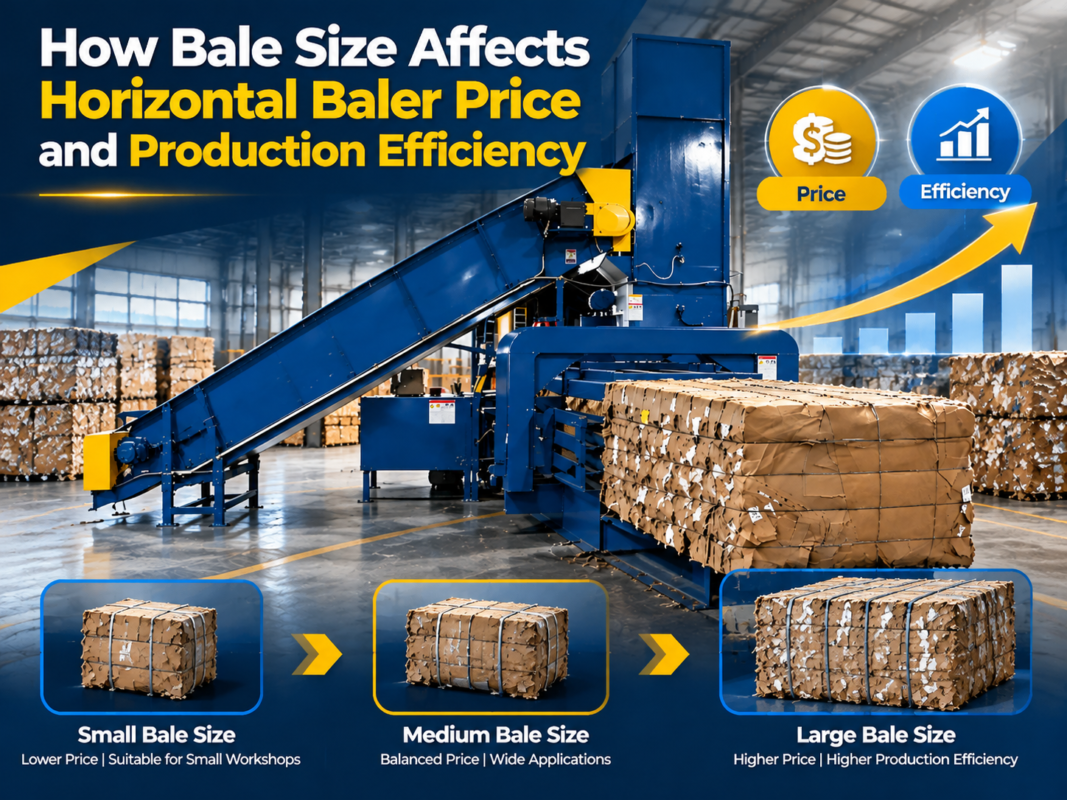
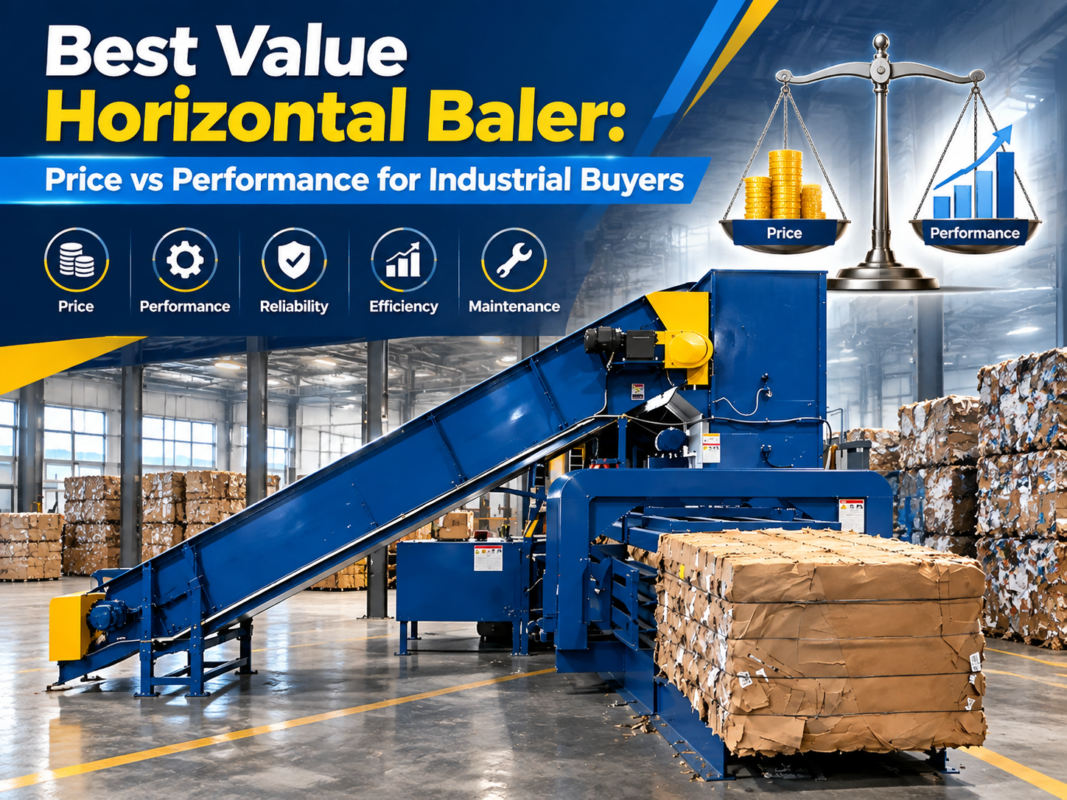
As we approach 2026, the industrial landscape for waste management and recycling is undergoing significant shifts. Understanding Horizontal Baler Pricing Trends: Buyers Need Know Before 2026 Purchasing is essential for facility managers and procurement officers looking to optimize their capital expenditure. Generally, the market for horizontal balers is segmented into three tiers: entry-level semi-automatic systems, mid-range automated balers, and high-capacity industrial full-eject systems.
Entry-level horizontal balers typically range from $25,000 to $45,000. These machines are designed for low-to-medium volume operations, such as retail backrooms or small-scale recycling centers. They offer basic hydraulic power and manual tying mechanisms, making them cost-effective for businesses transitioning from vertical balers to more efficient horizontal workflows.
Mid-range systems, which often feature semi-automatic tying and higher throughput capabilities, generally fall between $50,000 and $120,000. These units are the workhorses of the manufacturing sector, capable of handling diverse materials like cardboard, plastics, and light non-ferrous metals. The pricing here reflects the integration of advanced PLC controls and more robust hydraulic systems.
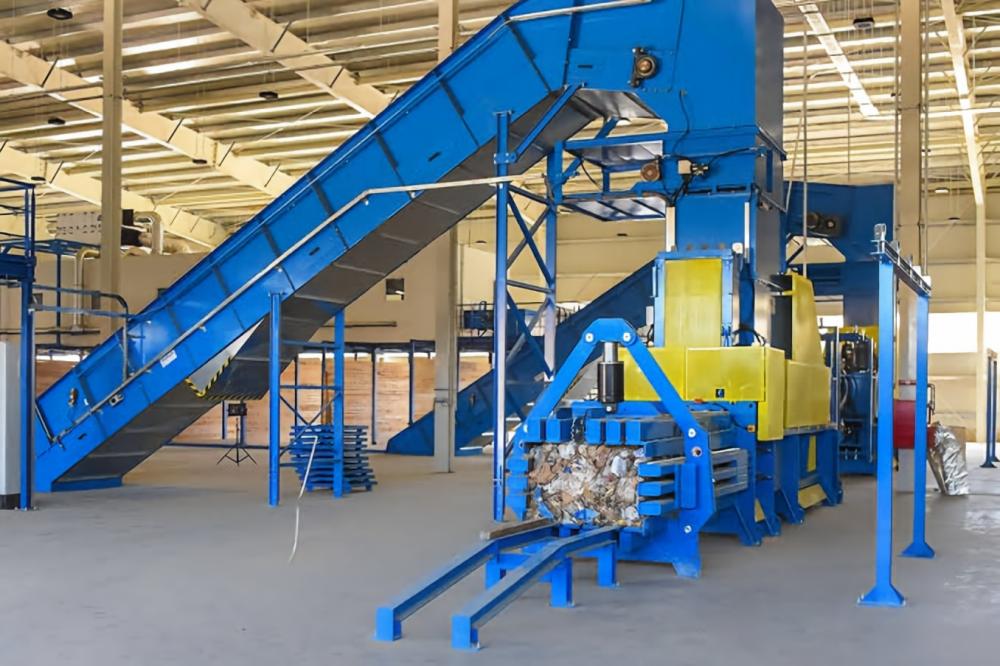
At the top end of the spectrum, high-capacity, fully automatic horizontal balers can exceed $200,000. These machines are engineered for 24/7 industrial environments, featuring high-speed rams, automated wire-tying systems, and integrated conveyor feed systems. Investing in this tier is a long-term strategic decision that requires a thorough analysis of operational throughput and material density requirements.
Main Cost Drivers
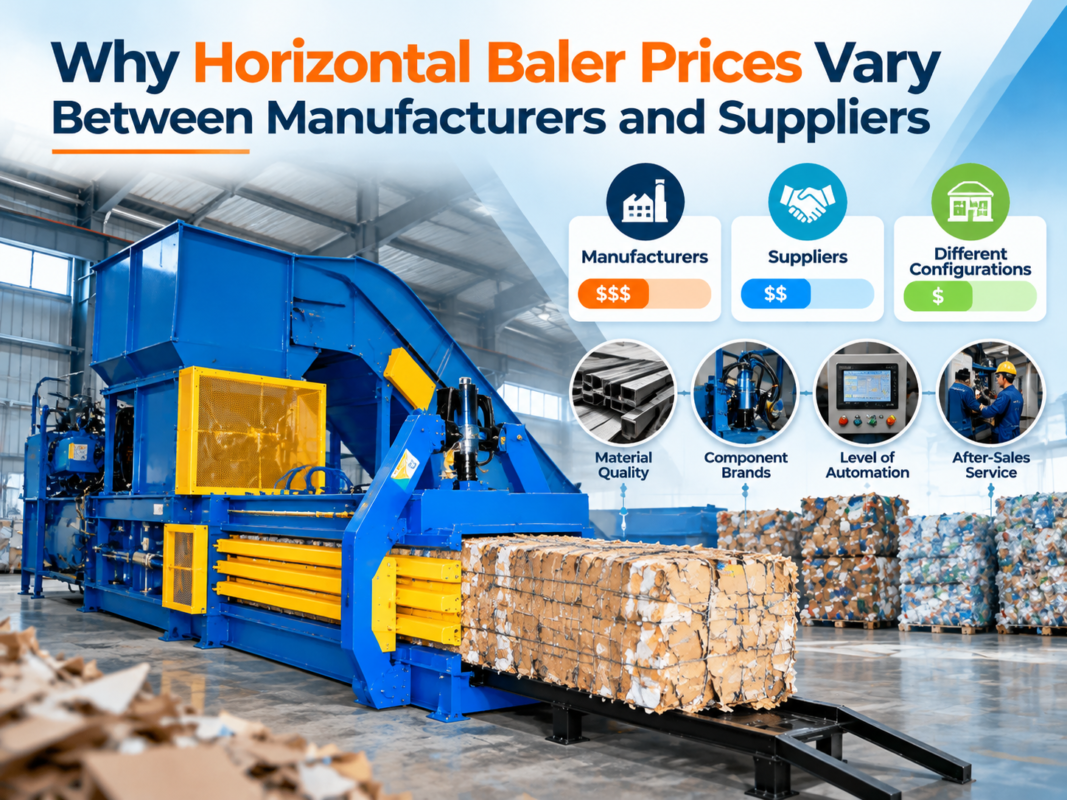
Several factors influence the final price tag of a horizontal baler. The most significant driver is the hydraulic system’s power and the force exerted by the main ram. Higher tonnage requirements necessitate larger motors, thicker steel plating, and more sophisticated hydraulic pumps, all of which drive up the manufacturing cost and, consequently, the market price.
Material throughput capacity is another critical cost driver. Machines designed to process multiple tons per hour require heavy-duty structural reinforcement to prevent fatigue and deformation under stress. Manufacturers like HARSLE utilize high-grade wear-resistant steel liners in the compression chamber, which adds to the initial investment but significantly extends the machine’s lifespan and reduces long-term maintenance costs.
Automation levels play a pivotal role in pricing. A machine equipped with an automatic wire-tying system, sensors for bale size detection, and remote monitoring capabilities will command a premium. These features are not merely luxuries; they are productivity multipliers that reduce labor costs and improve the consistency of the final bale, which is crucial for maximizing revenue from recycled materials.
Geopolitical and supply chain factors also impact pricing trends leading into 2026. Fluctuations in the cost of raw steel, electronic components, and international shipping logistics have created a volatile pricing environment. Buyers should anticipate that lead times and pricing may be sensitive to global economic shifts, making early procurement planning a necessity for large-scale projects.
Configuration Impact
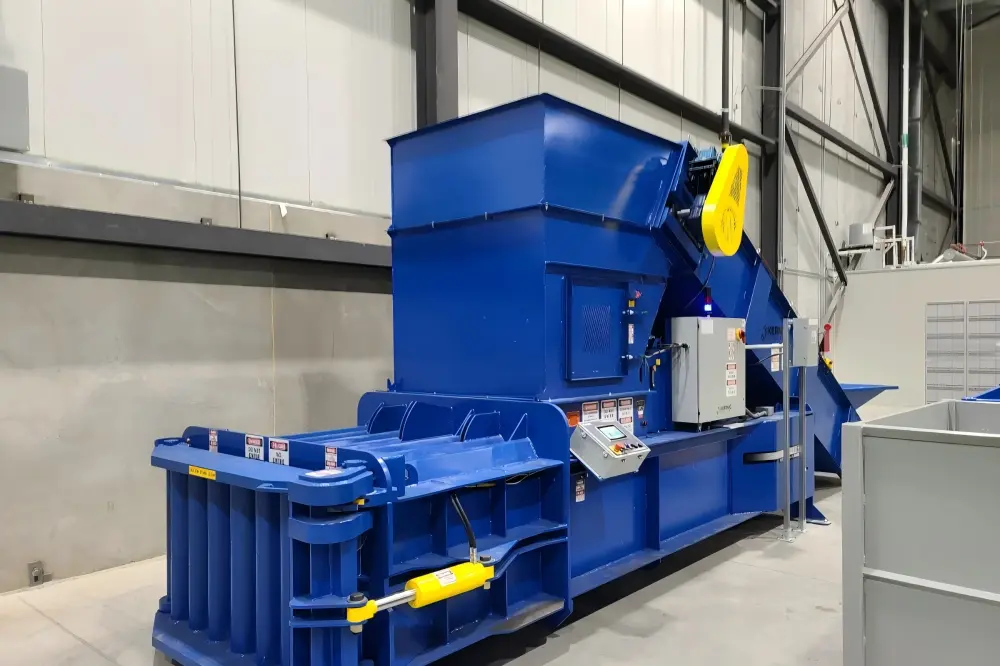
The configuration of your horizontal baler is the primary variable that dictates both performance and price. A standard “open-end” baler is generally more affordable but requires manual intervention for bale ejection. In contrast, a “closed-end” or “full-eject” baler provides a more streamlined process, pushing the entire bale out of the chamber, which is ideal for high-volume facilities that need to minimize downtime.
Feed systems are another major configuration consideration. A simple hopper feed is the most economical choice, but it may not be suitable for high-volume conveyor-fed operations. Integrating a custom-engineered conveyor system adds to the upfront cost but is essential for maintaining the continuous flow required in modern manufacturing plants. The complexity of the conveyor—whether it is a belt, chain, or slider bed—will directly influence the total project budget.
The tying system configuration is a major differentiator. Manual tying is labor-intensive and slow, whereas automatic tying systems—either vertical or horizontal—drastically increase throughput. While automatic tying systems represent a significant portion of the machine’s cost, the reduction in labor hours and the increase in bale density often provide a rapid return on investment for high-volume users.
Finally, consider the integration of auxiliary equipment. Many buyers opt for bale discharge tables, wire dispensers, and dust extraction systems. While these components can be added later, integrating them during the initial build ensures better compatibility and often results in a more cohesive, efficient system design that is easier to maintain and operate.
Hidden Costs
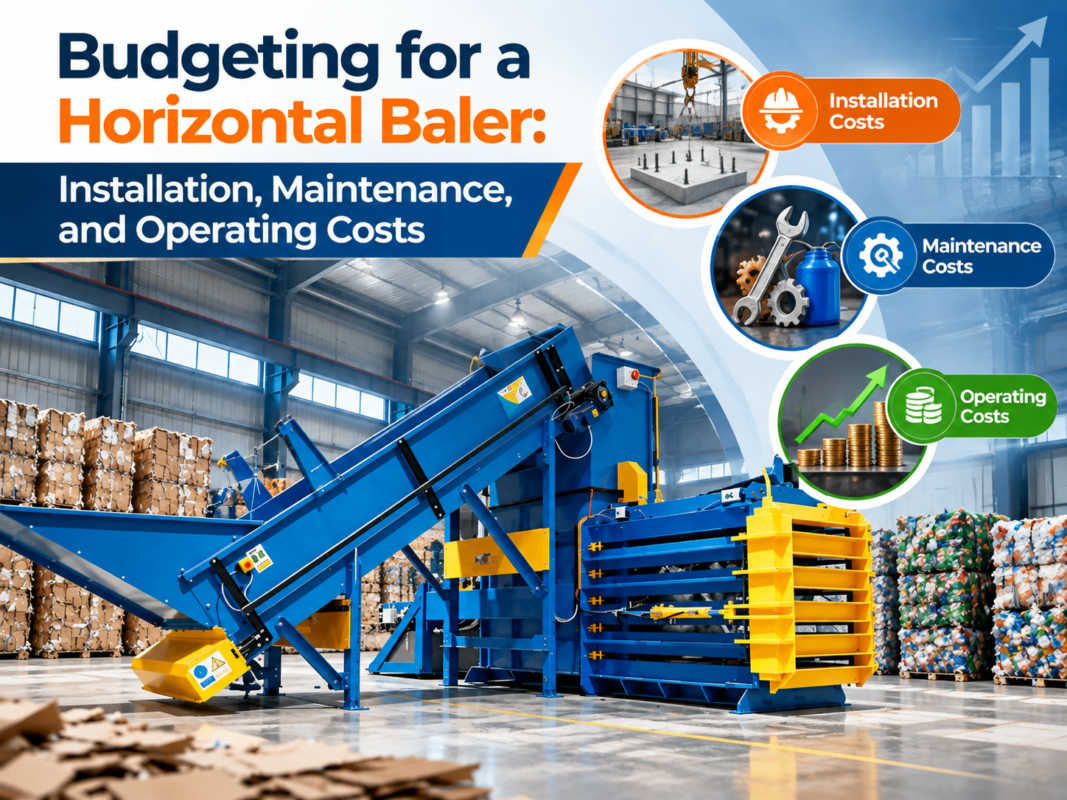
When budgeting for a horizontal baler, the purchase price is only the beginning. Buyers must account for installation costs, which can be substantial. This includes site preparation, such as pouring a reinforced concrete pad, ensuring adequate electrical supply, and potentially installing specialized ventilation or fire suppression systems to comply with local safety regulations.
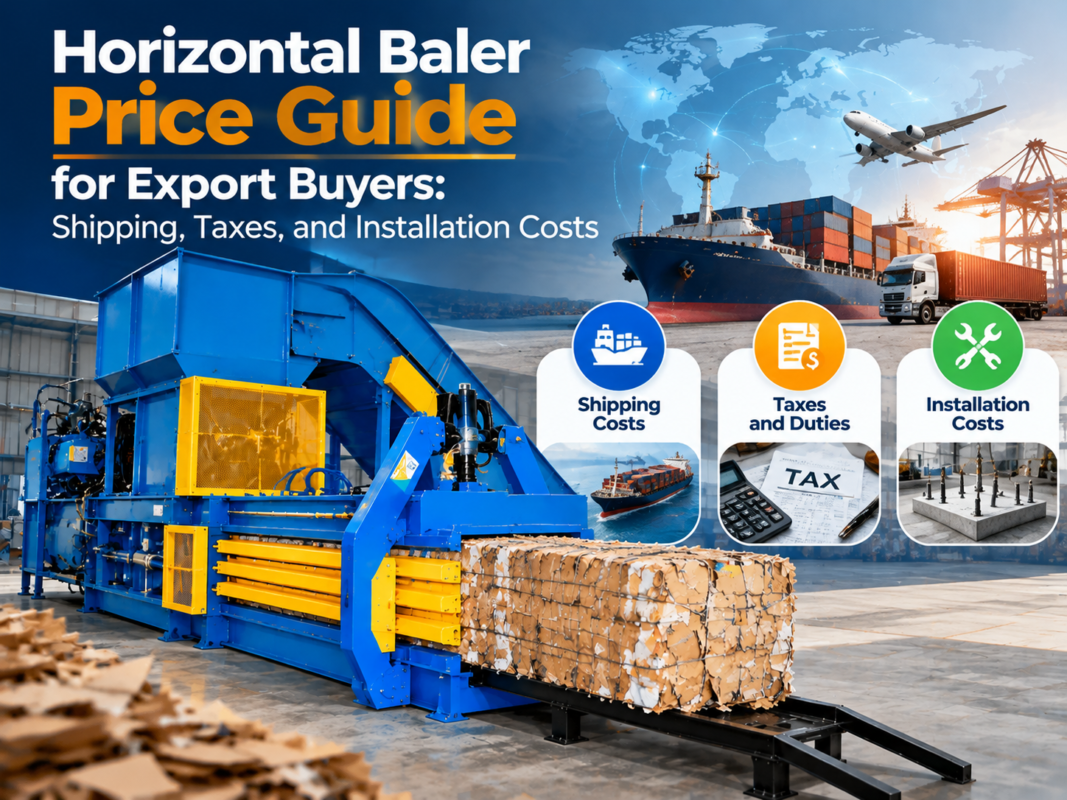
Shipping and logistics are often overlooked in initial quotes. Because these machines are large and heavy, freight costs can be significant, especially if the equipment is being imported. It is vital to clarify whether the quote includes “delivered to site” or “FOB factory” terms, as the difference can amount to thousands of dollars in unexpected expenses.
Training and commissioning are essential hidden costs. While some manufacturers include basic setup, comprehensive operator training is necessary to ensure the machine is used safely and efficiently. Neglecting professional training can lead to premature wear, increased maintenance frequency, and potential safety hazards, all of which carry long-term financial consequences.
Ongoing maintenance and spare parts inventory should also be factored into the total cost of ownership. Hydraulic oil, filters, wear plates, and tying wire are recurring expenses. Establishing a relationship with a reliable service provider or stocking critical spare parts on-site can prevent costly downtime, but these items must be included in your operational budget from day one.
ROI Calculation
Calculating the Return on Investment (ROI) for a horizontal baler requires a clear understanding of your current waste disposal costs versus the potential revenue from baled materials. Start by analyzing your current waste hauling fees. If you are paying to have loose cardboard or plastic hauled away, a baler can turn that cost into a profit center by allowing you to sell the baled material to recyclers.
To calculate the ROI, determine the total cost of the machine, including installation and training. Then, estimate the annual savings from reduced hauling fees and the annual revenue generated from the sale of baled materials. Subtract the annual operating costs—including electricity, labor, maintenance, and consumables—from the total annual benefit to arrive at the net annual savings.
Consider the labor efficiency gains. A horizontal baler that automates the process can save several hours of labor per day. Multiply these saved hours by your average hourly labor rate to see the true impact on your bottom line. Often, the labor savings alone can justify the upgrade to a more automated system within two to three years.
Finally, factor in the longevity of the equipment. A high-quality HARSLE horizontal baler is built to last for over a decade with proper maintenance. When you amortize the initial investment over the expected lifespan of the machine, the daily cost of ownership becomes much more manageable, highlighting the value of investing in durable, industrial-grade equipment rather than cheaper, lower-quality alternatives.
Buying Advice
Before finalizing your purchase, conduct a thorough audit of your waste stream. What materials are you processing? What is the volume? What are the space constraints of your facility? Answering these questions will help you select the right machine size and configuration, preventing the common mistake of over-buying or under-buying for your specific needs.
Always request a detailed technical specification sheet and compare it against your operational requirements. Pay close attention to cycle times, bale dimensions, and the motor horsepower. If you are processing heavy materials, ensure the structural integrity of the baler is sufficient to handle the load without excessive strain.
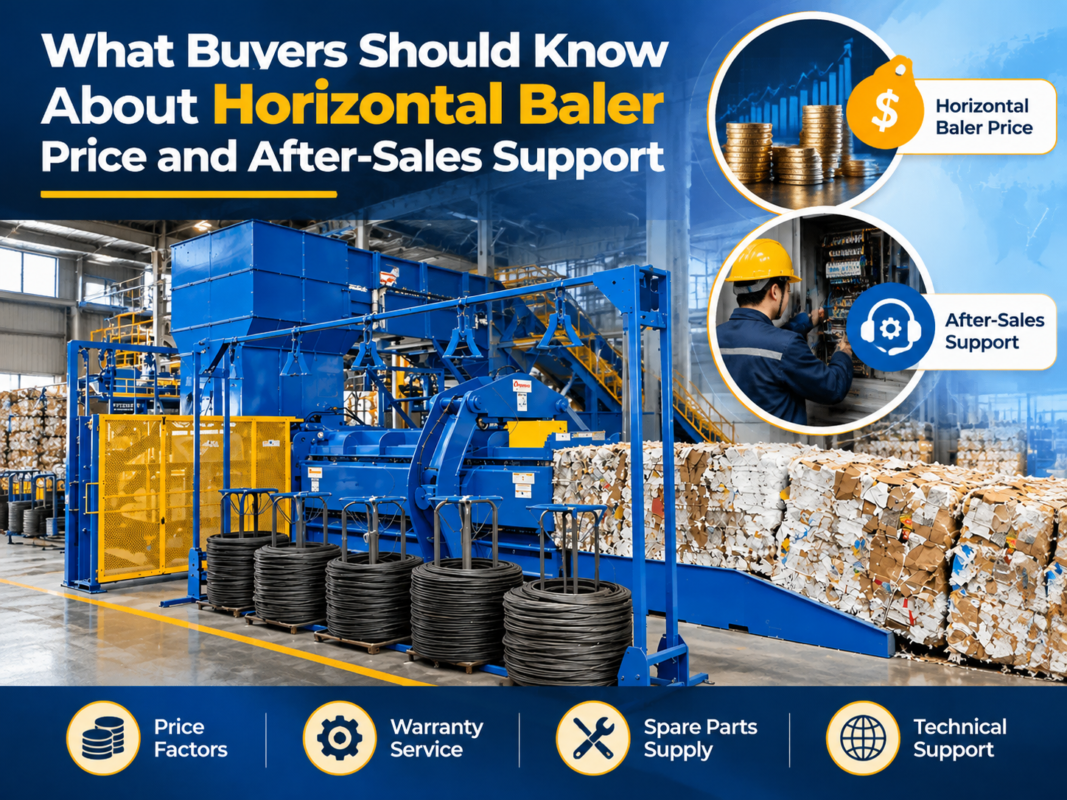
Check the manufacturer’s reputation for after-sales support. A machine is only as good as the service behind it. Look for companies that offer remote diagnostics, readily available spare parts, and a network of certified technicians. HARSLE, for instance, provides comprehensive support to ensure that your investment remains productive throughout its entire lifecycle.
Finally, don’t be afraid to ask for references. Speaking with other businesses that have purchased similar equipment can provide invaluable insights into the machine’s real-world performance, reliability, and the manufacturer’s responsiveness to service requests. A well-informed buyer is a successful buyer, and taking the time to do your due diligence will pay dividends in the years to come.
FAQ
What is the expected lifespan of a horizontal baler?
With proper maintenance and regular service, a high-quality industrial horizontal baler can last between 10 to 15 years, or even longer in moderate-use environments.
How often should I perform maintenance on my baler?
Routine maintenance should be performed according to the manufacturer’s schedule, typically involving daily checks, monthly inspections of hydraulic systems, and quarterly deep cleaning and lubrication.
Can a horizontal baler process multiple types of materials?
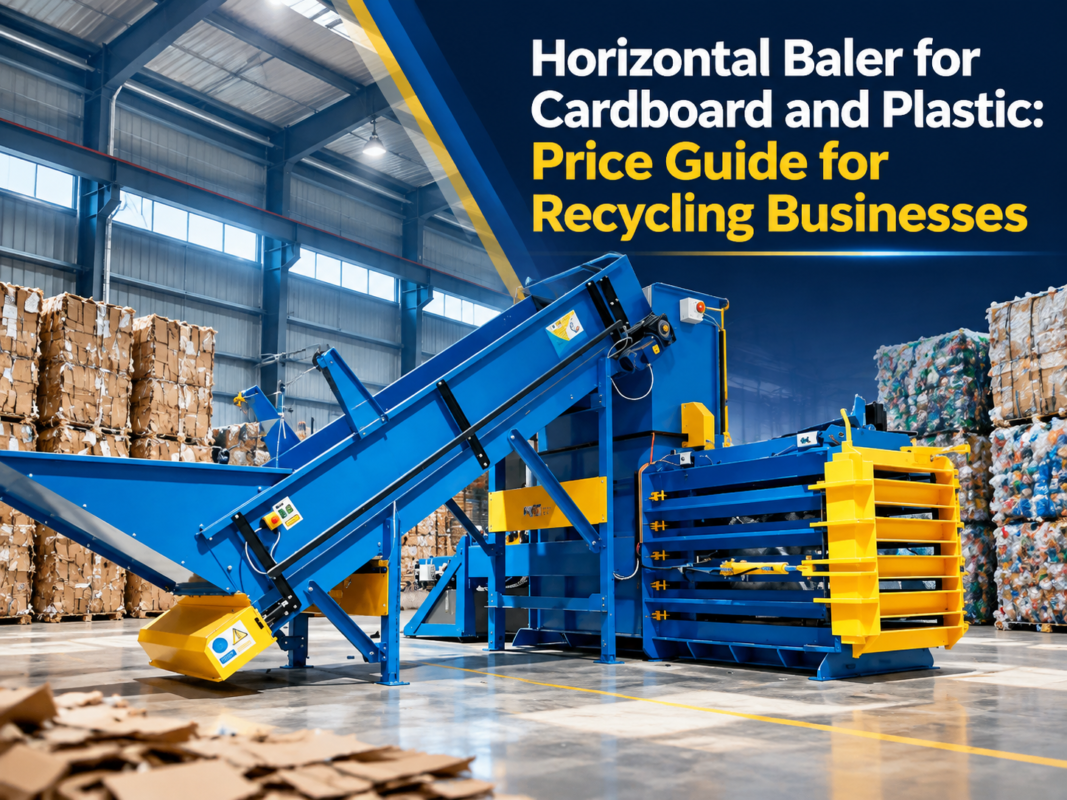
Yes, most horizontal balers are versatile and can handle cardboard, plastic film, paper, and light non-ferrous metals, provided the machine is configured with the correct settings and pressure.
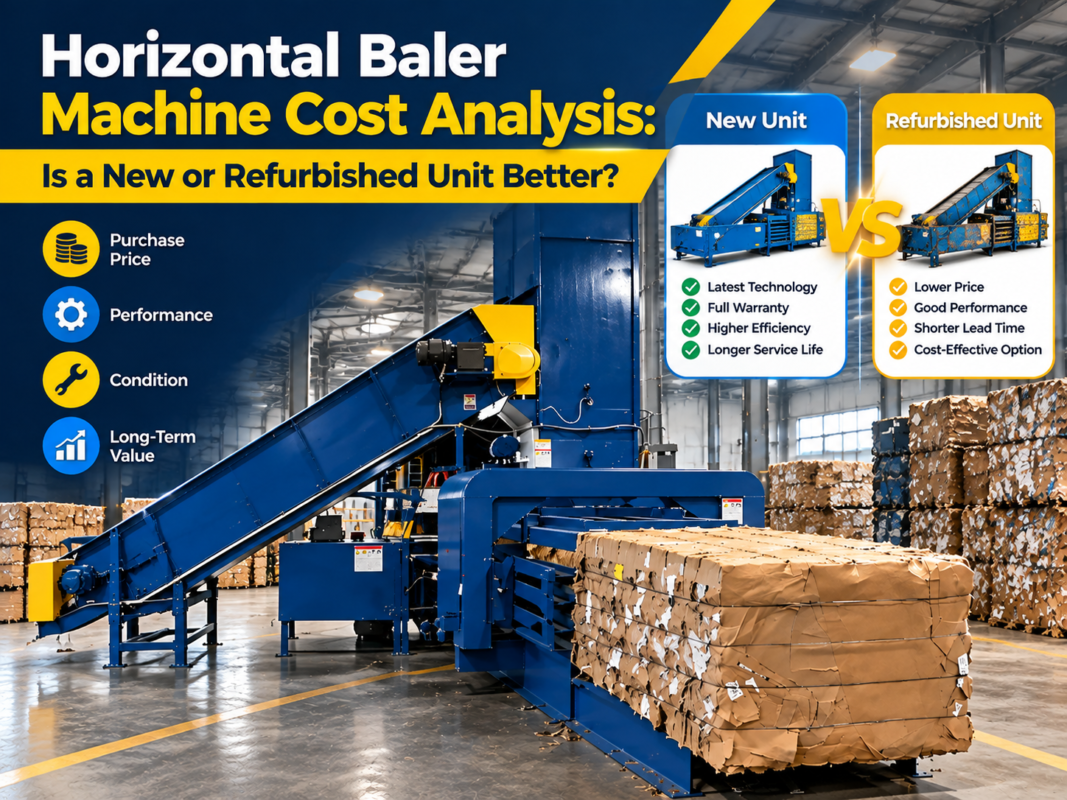
Is it better to buy new or used?
While used balers offer a lower upfront cost, they often come with hidden maintenance issues and lack modern safety features. For long-term reliability and efficiency, new equipment is generally recommended for industrial applications.
What electrical requirements should I prepare for?
Most industrial horizontal balers require a three-phase power supply. It is crucial to consult with a licensed electrician to ensure your facility’s power infrastructure meets the specific voltage and amperage requirements of the machine you choose.