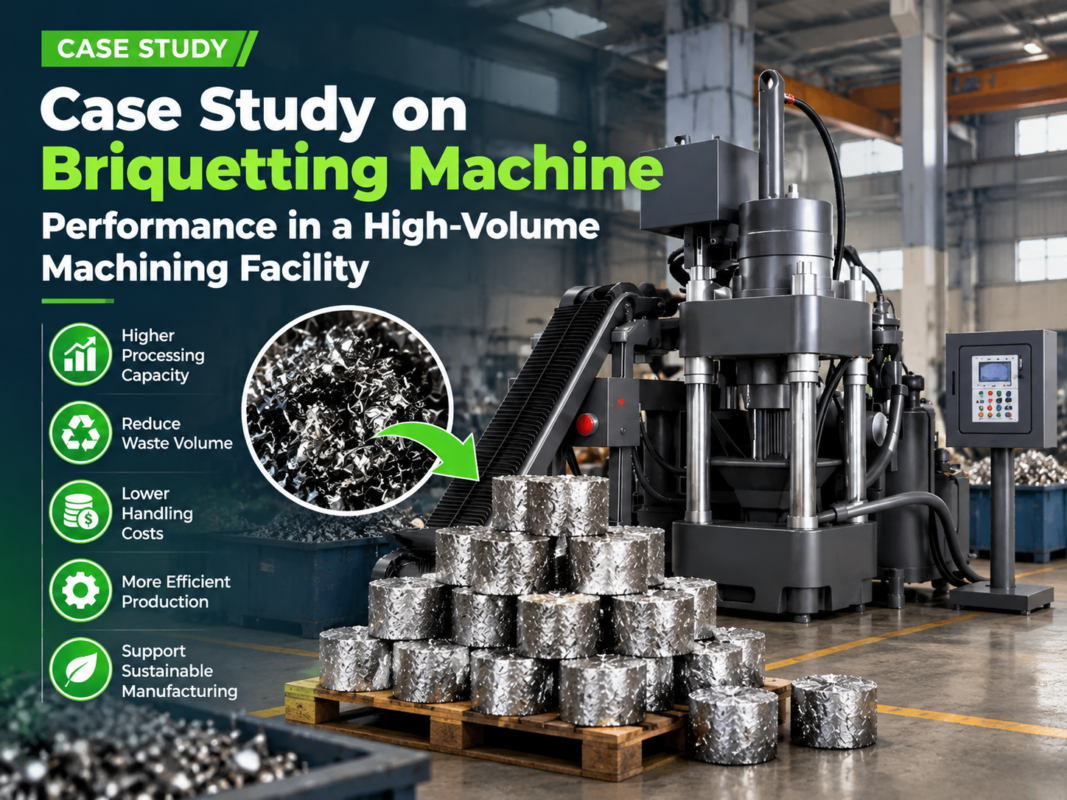
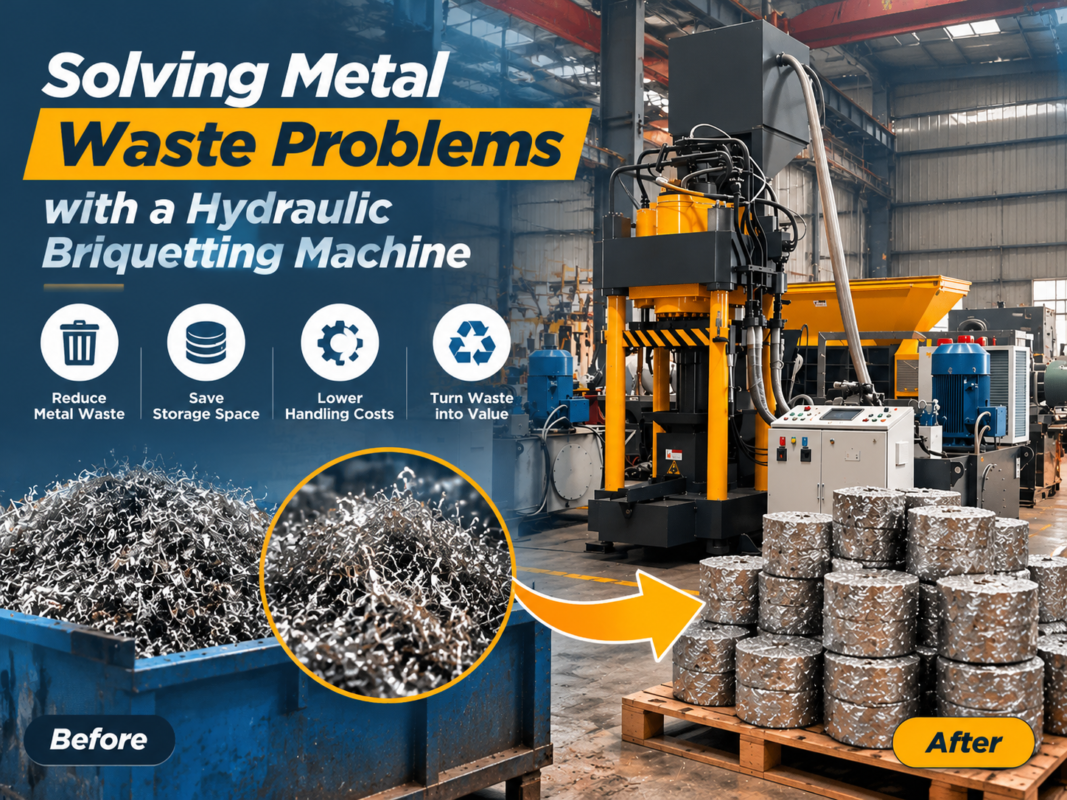
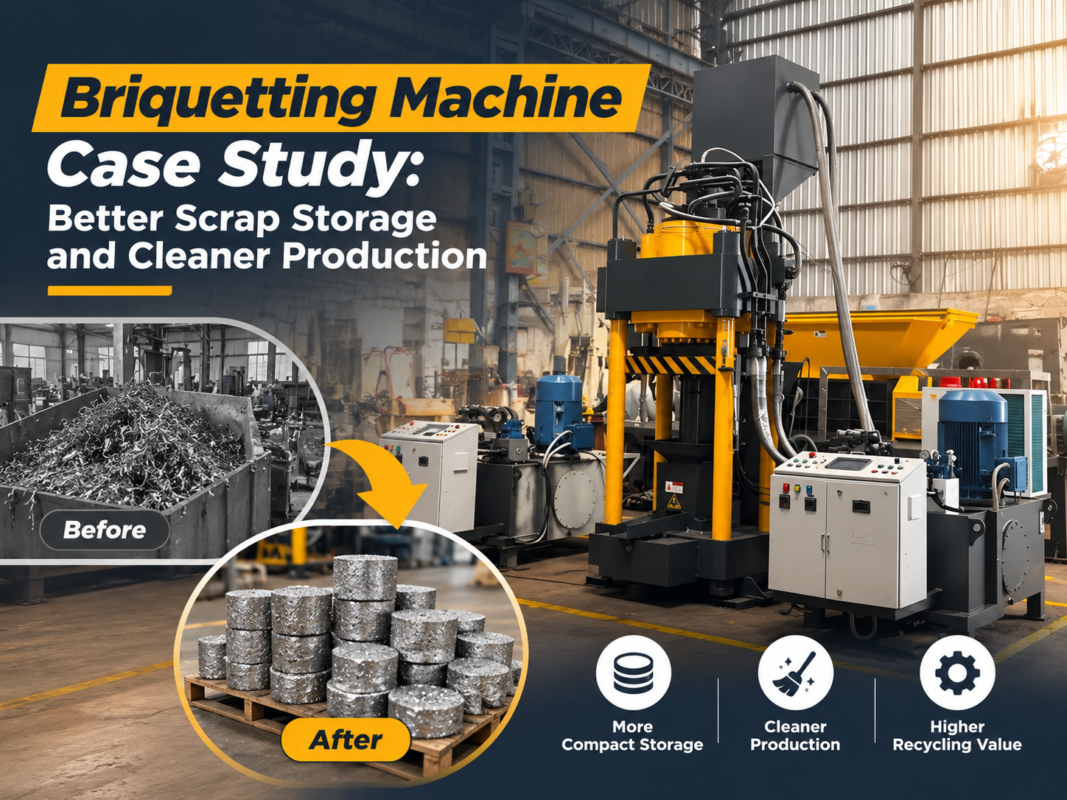
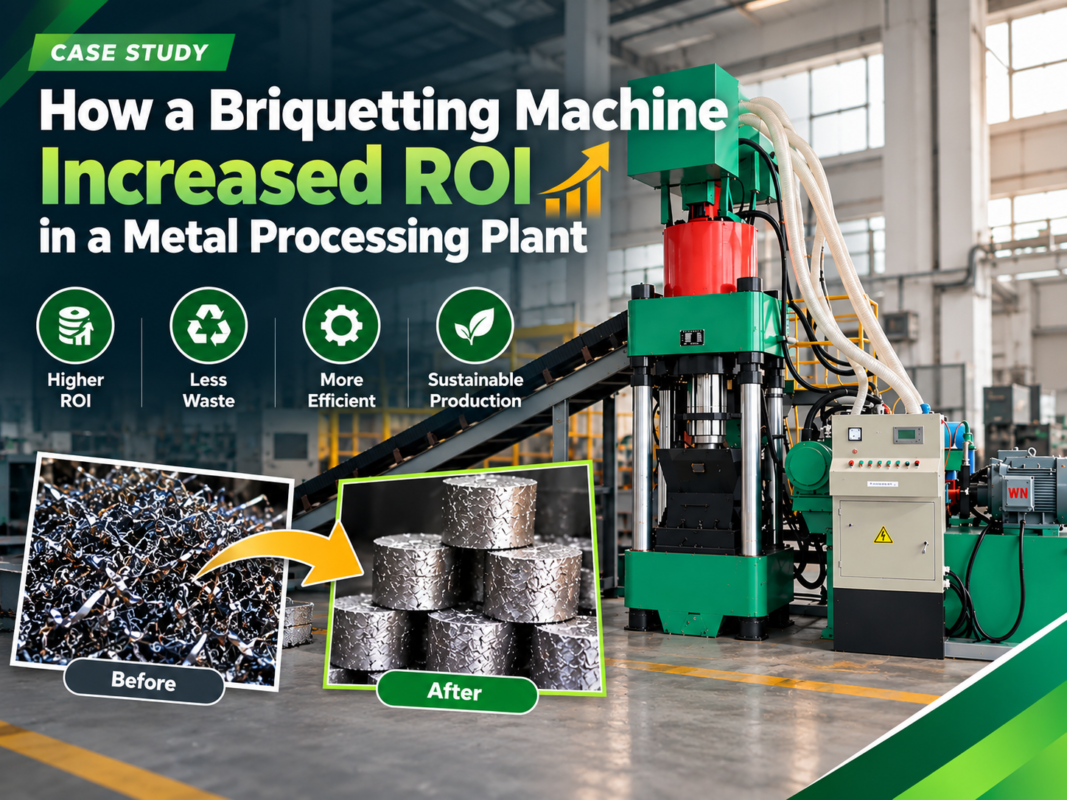
How Factories Use Briquetting Machines to Convert Scrap into Saleable Material: A Comprehensive Guide

Introduction: The Hidden Value in Metal Waste
In the modern metal fabrication industry, the management of waste is no longer just a logistical challenge; it is a significant financial opportunity. For decades, factories have struggled with the accumulation of metal chips, turnings, and swarf—byproducts of machining processes that often occupy valuable floor space and represent a disposal burden. However, as sustainability becomes a core pillar of industrial operations, forward-thinking manufacturers are discovering that these byproducts are not merely waste, but raw materials in disguise. This is where the integration of advanced briquetting technology becomes transformative.
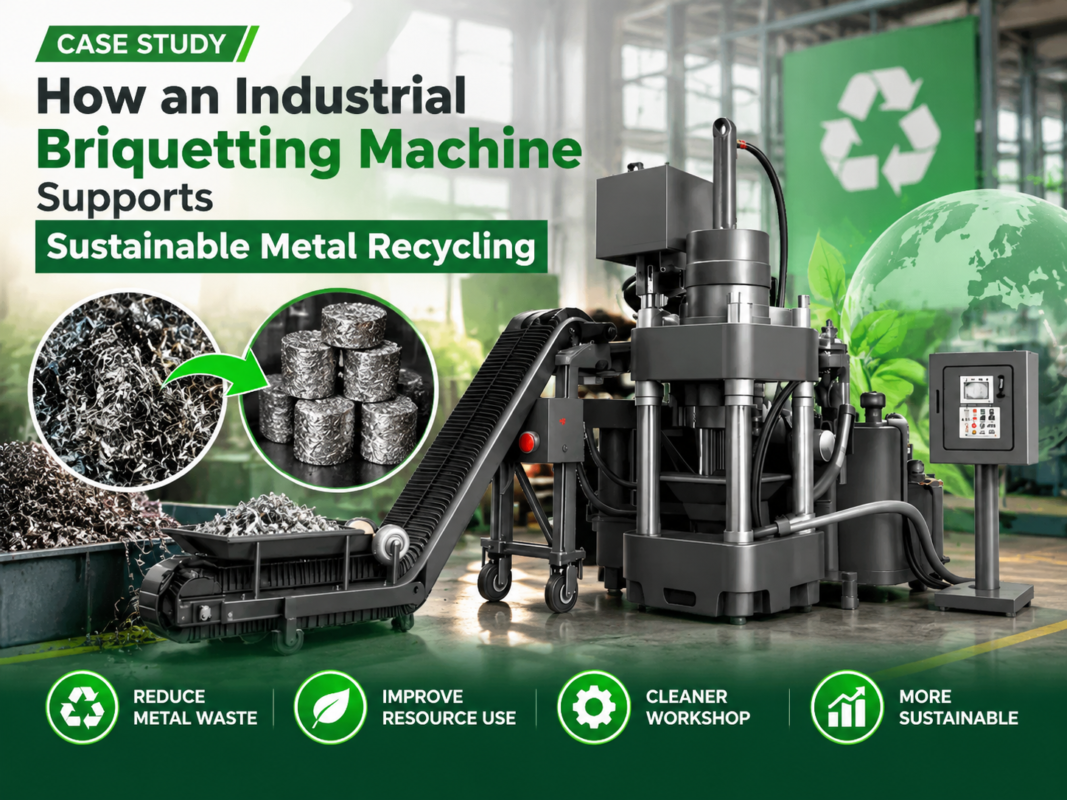
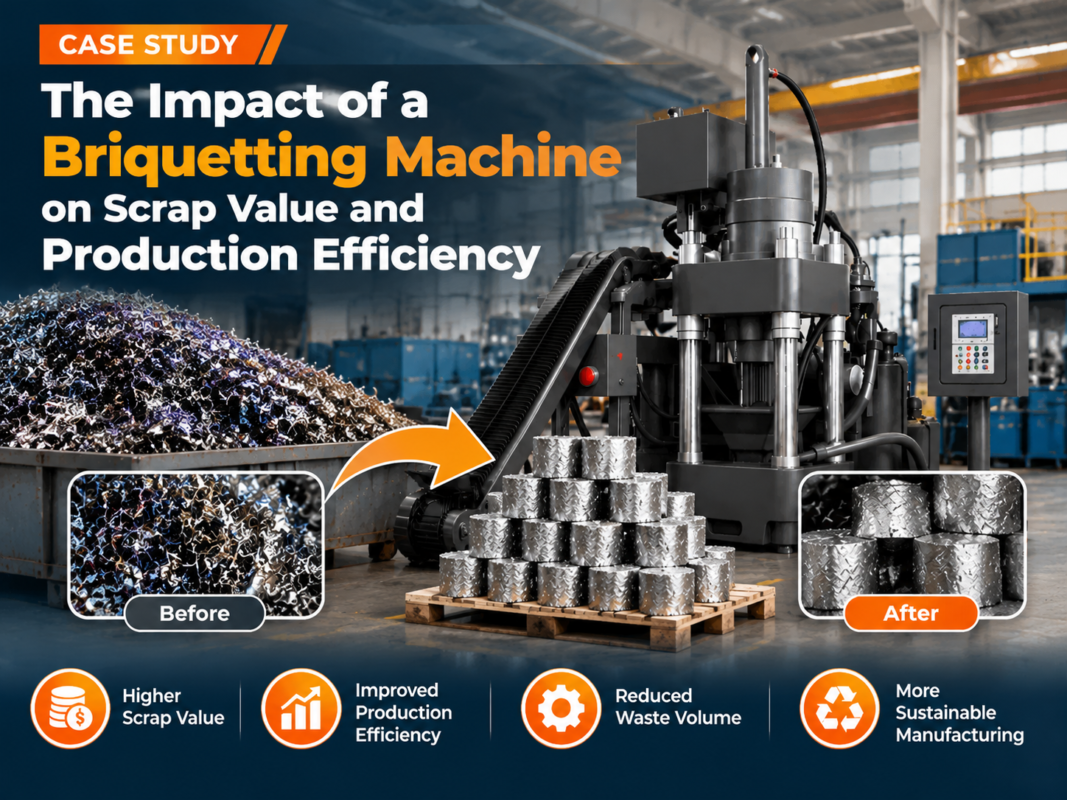
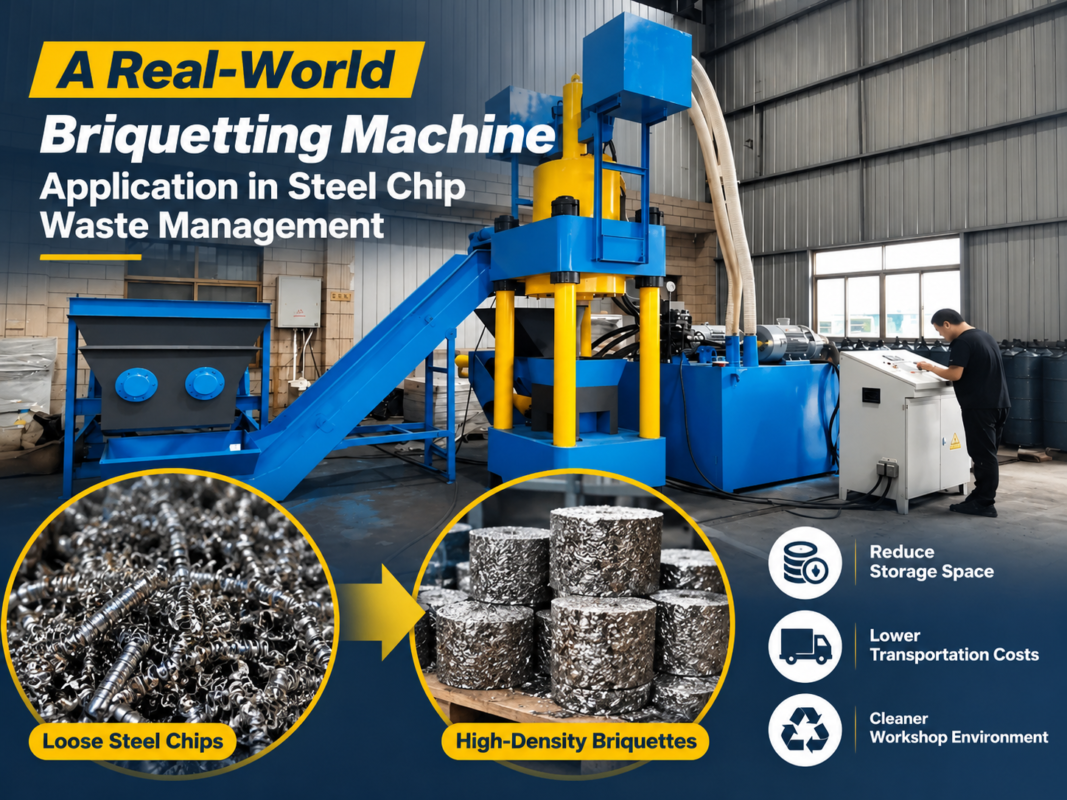
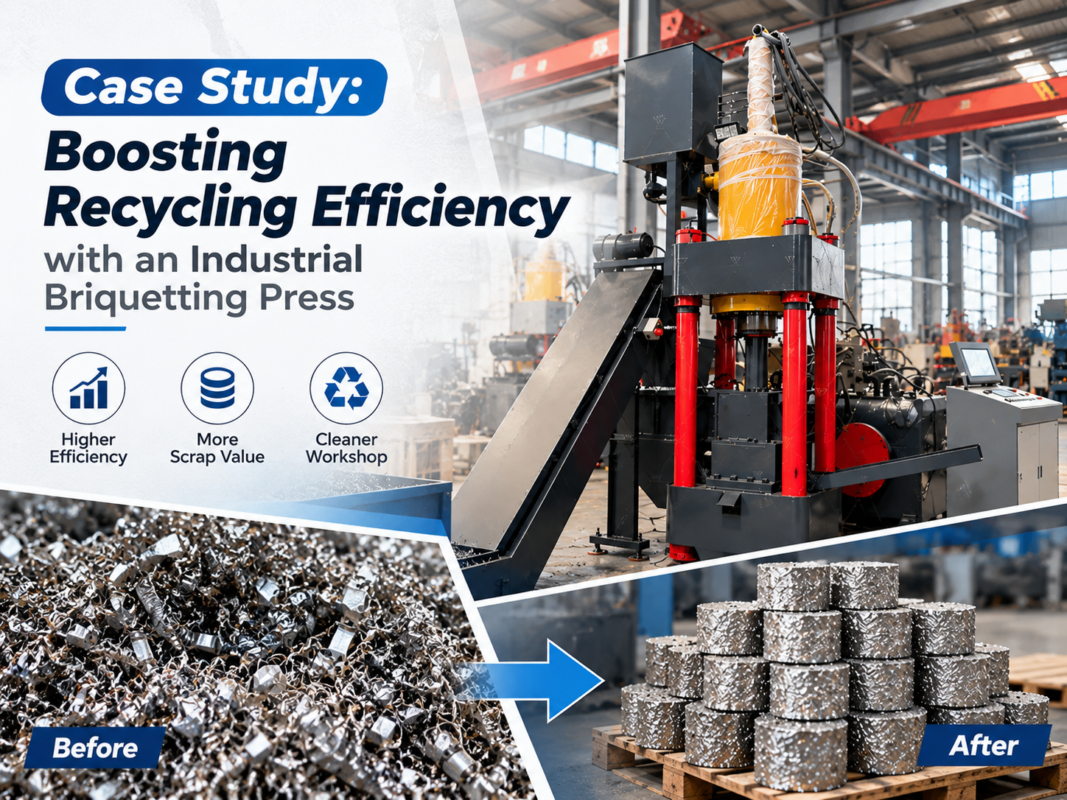
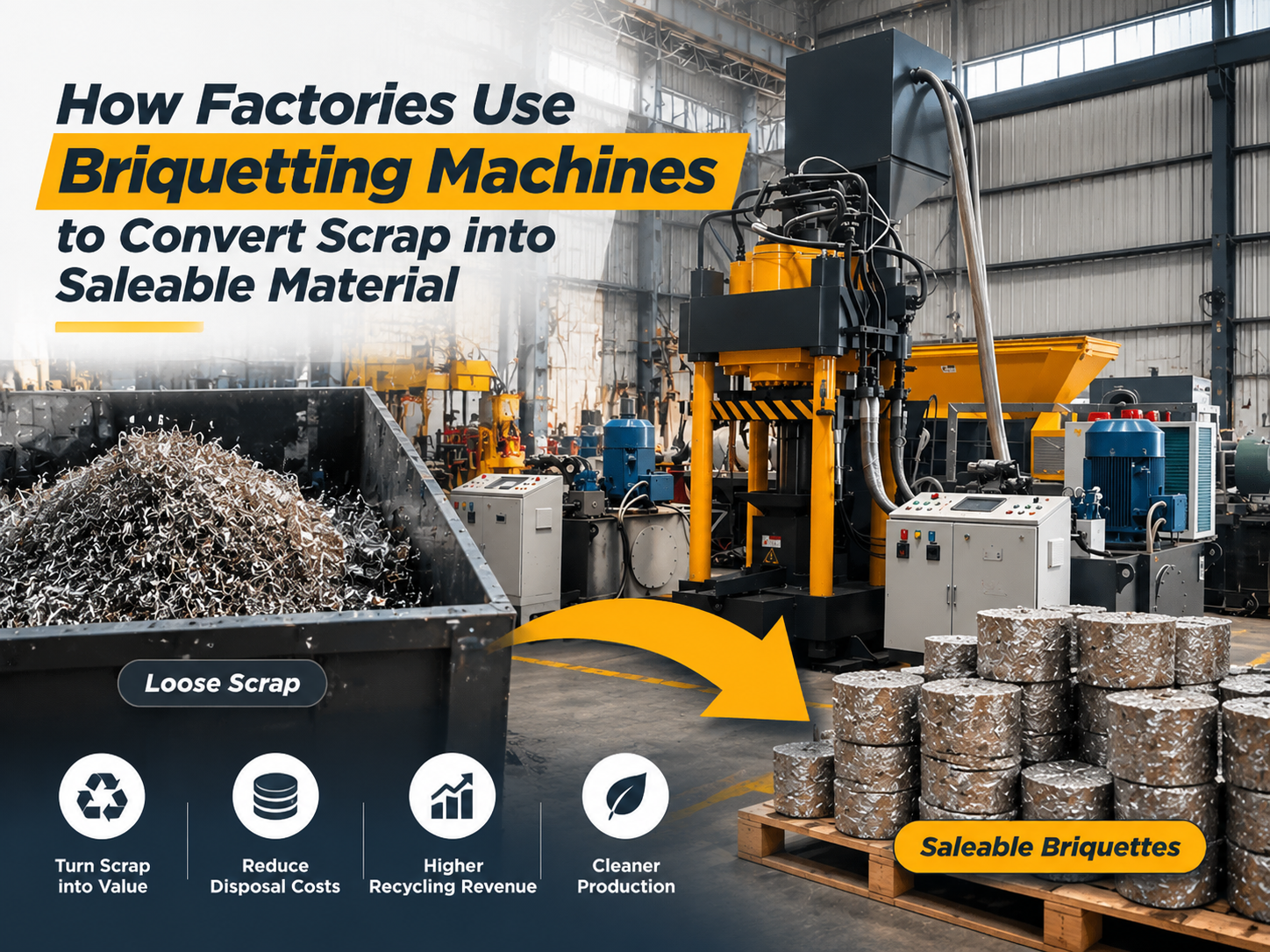
When we ask how factories use briquetting machines to convert scrap into saleable material, we are looking at a process that turns loose, low-density metal waste into high-density, uniform briquettes. These briquettes are easier to transport, store, and melt, significantly increasing their market value. By investing in HARSLE briquetting technology, factories can effectively close the loop on their production cycle, turning a cost center into a revenue stream while simultaneously improving plant safety and environmental compliance.
The process is deceptively simple but technologically sophisticated. By applying immense hydraulic pressure to loose metal chips, the machine removes residual cutting fluids and compresses the material into solid blocks. This reduction in volume—often by a factor of 10 to 20—drastically lowers logistics costs. Furthermore, the recovery of expensive cutting oils and coolants provides an immediate return on investment that many factory managers overlook. In this guide, we will explore the technical, economic, and operational facets of this essential industrial process.
As global metal prices fluctuate, the ability to control your own scrap supply chain is a competitive advantage. Factories that process their own scrap onsite are less vulnerable to the volatility of waste disposal fees and can command higher prices from smelters who prefer the purity and consistency of briquetted material. This article serves as a deep dive into the mechanics, selection criteria, and strategic implementation of briquetting systems in modern metal fabrication facilities.
Key Considerations for Implementing Briquetting Systems
Before integrating a briquetting machine into your production line, it is vital to assess the specific nature of your scrap. Not all metal waste is created equal; the geometry of the chips, the type of alloy, and the moisture content all play a role in the machine’s performance. For instance, long, stringy turnings require a pre-crusher to ensure they can be fed into the briquetting chamber effectively, whereas short, granular chips can often be fed directly into the hopper.
Another critical consideration is the volume of scrap generated. Factories use briquetting machines to convert scrap into saleable material most effectively when the system is sized correctly for their throughput. An undersized machine will create a bottleneck in your production flow, while an oversized machine represents unnecessary capital expenditure. HARSLE engineers recommend conducting a thorough audit of your daily scrap output, accounting for peak production periods, to determine the optimal capacity requirements for your facility.
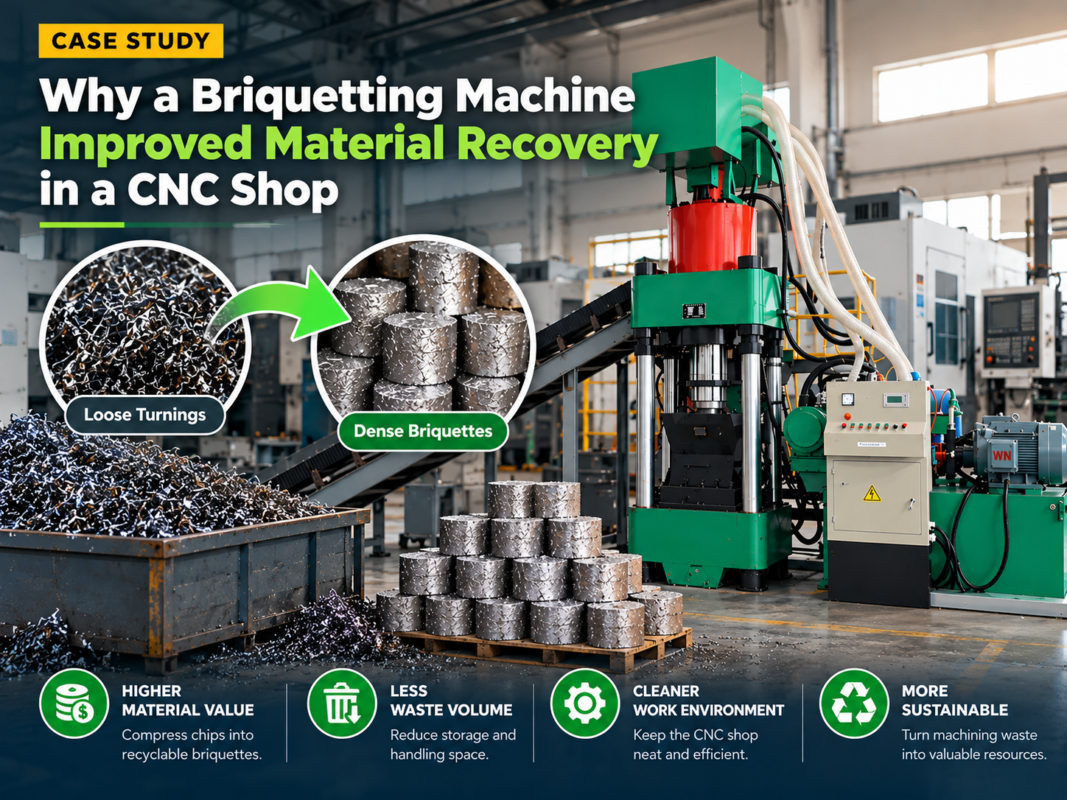
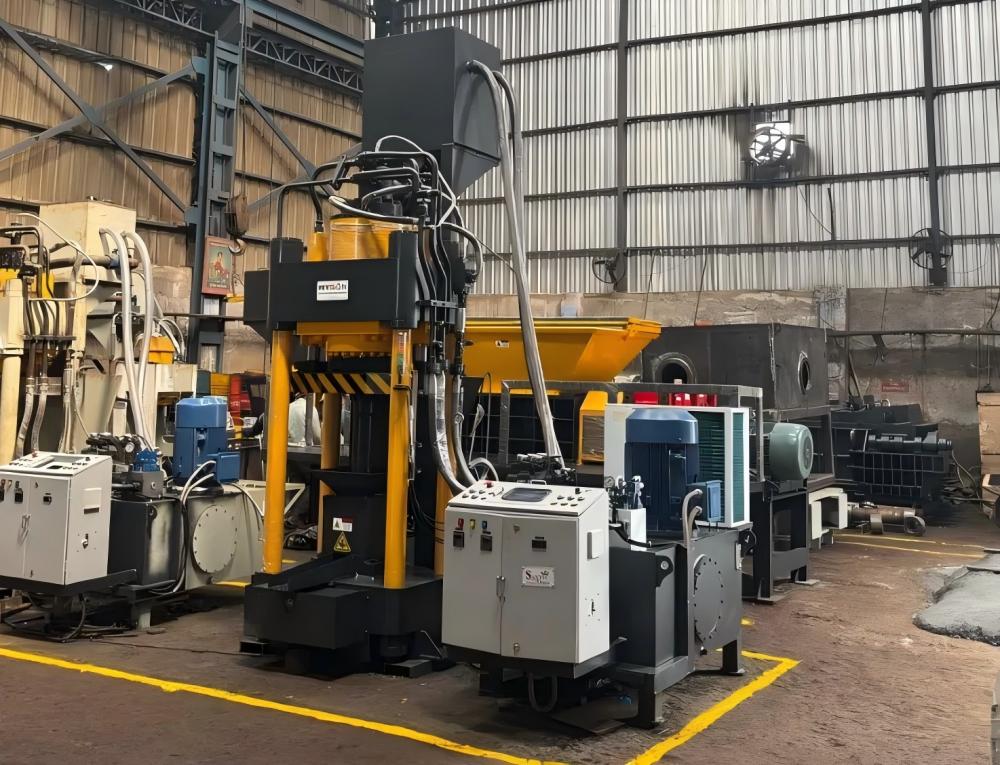
Space constraints and layout integration are also paramount. In many fabrication shops, floor space is at a premium. Modern briquetting systems are designed to be compact and modular, allowing them to be placed near the source of the scrap—such as next to CNC lathes or milling machines—to minimize material handling. By reducing the distance that scrap must travel, you decrease the risk of spills and cross-contamination, ensuring that the final briquettes maintain the high purity levels required by premium buyers.
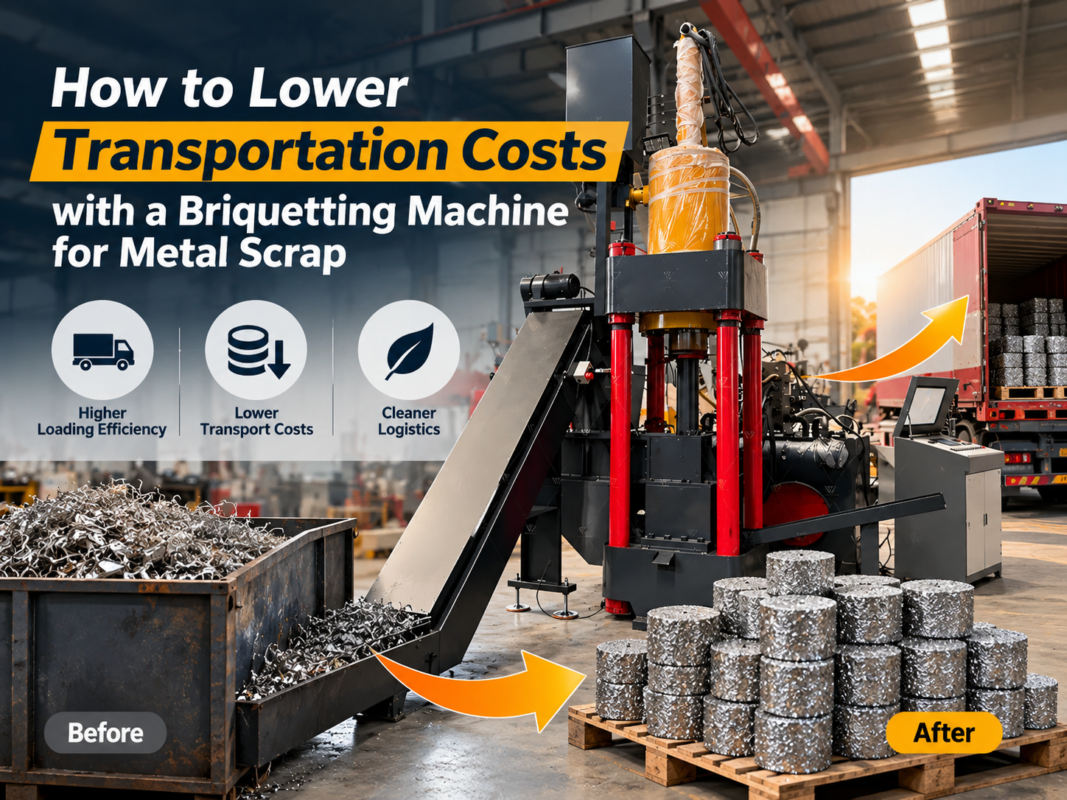
Finally, consider the downstream logistics. Once your scrap is converted into briquettes, how will it be stored and transported? Briquettes are significantly denser than loose chips, meaning you can load more weight into a standard shipping container or truck. This density is the primary driver of the increased saleable value. You must ensure that your material handling equipment, such as forklifts or conveyor systems, is capable of managing the increased weight of the briquetted material compared to the original loose scrap.
Technical Details: How the Briquetting Process Works
The core of the briquetting process lies in the application of high-pressure hydraulics. A HARSLE briquetting machine utilizes a multi-stage compression cycle. First, the loose metal chips are fed into a hopper, which uses an agitator or screw feeder to ensure a consistent flow into the compression chamber. This prevents bridging, where chips get stuck and fail to enter the press, ensuring continuous operation.
Once the chamber is filled, the main hydraulic cylinder exerts immense pressure on the material. This pressure forces the air out of the voids between the chips and causes the metal to undergo a degree of cold welding. Because the pressure is so high, the metal particles interlock, creating a solid, dense briquette that does not require binders or adhesives. This is crucial for recyclers, as the absence of foreign contaminants ensures the briquettes can be melted down immediately without affecting the chemical composition of the final alloy.
A critical technical feature of these machines is the fluid recovery system. During the compression phase, residual cutting fluids and coolants are squeezed out of the metal. These fluids are collected, filtered, and can often be recycled back into the machining process. This not only saves money on fluid procurement but also significantly reduces the environmental impact of the factory, as the briquettes are essentially dry and clean when they exit the machine.
The control systems in modern briquetting machines are highly automated. Sensors monitor the pressure, cycle time, and material levels, adjusting parameters in real-time to ensure consistent briquette density. This automation allows for “lights-out” operation, where the machine can run unattended during off-hours, maximizing the utility of your scrap processing system. HARSLE’s PLC-based interfaces provide operators with detailed diagnostics, making maintenance and troubleshooting straightforward and efficient.
Selection Advice: Choosing the Right Equipment
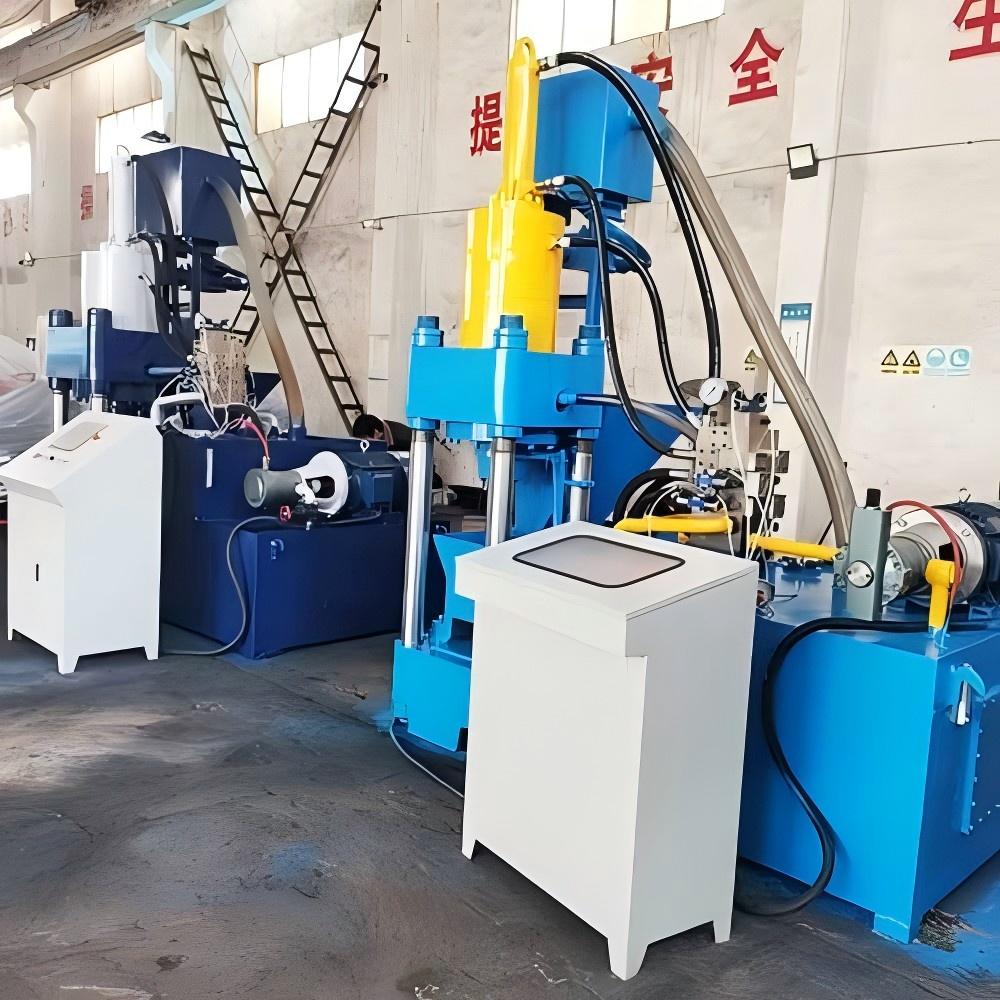
When selecting a briquetting machine, the first step is material compatibility. Are you processing aluminum, steel, copper, or brass? Each metal has different hardness and flow characteristics. For example, aluminum is more malleable and easier to compress than hardened steel, which may require higher-tonnage presses to achieve the same density. Always consult with HARSLE technical specialists to match the machine’s pressure rating to your specific alloy profile.
The second factor is the desired throughput. If your factory operates on a 24/7 basis, you need a machine built for heavy-duty, continuous operation. Look for features like hardened wear plates in the compression chamber, high-quality hydraulic seals, and robust cooling systems for the hydraulic oil. These components ensure that the machine can withstand the rigors of industrial use without frequent downtime for repairs.
Thirdly, consider the level of integration you require. Do you need a standalone unit, or a fully automated system that includes conveyors, chip crushers, and automatic bagging or bin-filling stations? A fully integrated system reduces manual labor and increases safety, as it eliminates the need for workers to handle sharp metal chips. While the initial investment is higher, the long-term labor savings and increased safety profile often justify the cost.
Finally, evaluate the manufacturer’s support network. A briquetting machine is a long-term asset. You need a partner who provides comprehensive training for your operators, readily available spare parts, and responsive technical support. HARSLE prides itself on a global service network, ensuring that your equipment remains operational and productive throughout its entire lifecycle. When you invest in a HARSLE machine, you are investing in a partnership that prioritizes your factory’s uptime and profitability.
Häufig gestellte Fragen (FAQ)
- Q: How much space does a briquetting machine typically require?
A: HARSLE offers a range of sizes. Compact units can fit in as little as 2-3 square meters, while larger, fully automated systems may require a dedicated area of 10-20 square meters. We can customize layouts to fit your existing floor plan. - Q: Can I process different types of metals in the same machine?
A: While the machine can handle different metals, it is highly recommended to segregate them. Mixing metals in the briquettes will lower their value significantly. It is best to clean the hopper and chamber when switching between different alloy types. - Q: How much can I expect to save on cutting fluids?
A: Depending on the initial moisture content of your chips, you can recover up to 90-95% of the cutting fluid. This often results in a significant reduction in fluid purchasing costs within the first year of operation. - Q: Is the briquetting process noisy?
A: Modern hydraulic briquetting machines are designed with noise-dampening enclosures and high-efficiency pumps, making them suitable for standard factory environments without requiring excessive hearing protection beyond normal safety protocols. - Q: What is the typical ROI for a briquetting machine?
A: Many of our clients see a return on investment within 12 to 24 months, driven by the combination of higher scrap prices, reduced disposal fees, and recovered cutting fluids.
Conclusion: Transforming Waste into Wealth
The question of how factories use briquetting machines to convert scrap into saleable material is answered by the shift toward circular manufacturing. By taking control of your waste stream, you are not only improving your bottom line but also positioning your factory as a leader in sustainable industrial practice. The ability to turn loose, hazardous, and bulky scrap into clean, dense, and valuable briquettes is a hallmark of a modern, efficient metal fabrication facility.
HARSLE is committed to providing the machinery and expertise necessary to make this transition seamless. From the initial audit of your scrap generation to the installation and maintenance of your briquetting system, we are with you every step of the way. The benefits—ranging from increased revenue and lower logistics costs to improved plant safety and environmental compliance—are clear and measurable.
As the industrial landscape continues to evolve, the pressure to optimize resources will only increase. Factories that adopt briquetting technology today will be better prepared for the challenges of tomorrow. We invite you to explore our range of briquetting solutions and discover how we can help you turn your scrap metal into a significant asset. Contact HARSLE today to schedule a consultation and take the first step toward a more profitable and sustainable future for your manufacturing operations.