How a Briquetting Machine Helped Cut Disposal Costs in Machining Operations: A Comprehensive Guide

Introduction
In the modern metal fabrication landscape, efficiency is not just about production speed; it is about resource management and waste reduction. For many machine shops, the accumulation of metal chips, turnings, and swarf represents a significant logistical and financial burden. This is where the implementation of a briquetting machine becomes a game-changer. When we analyze how a briquetting machine helped cut disposal costs in machining operations, we uncover a narrative of improved sustainability, recovered revenue, and streamlined logistics.
Metal chips generated during milling, turning, and drilling processes are notoriously bulky. They occupy vast amounts of floor space, complicate transportation, and often contain significant amounts of residual cutting fluid. By compressing these loose materials into dense, manageable briquettes, manufacturers can transform a waste stream into a valuable commodity. This article explores the technical, economic, and operational benefits of integrating briquetting technology into your facility.
At HARSLE, we have observed firsthand how metal fabrication facilities struggle with the rising costs of waste disposal. Environmental regulations are becoming stricter, and the cost of transporting low-density scrap is increasing. By adopting a briquetting solution, shops can mitigate these expenses while simultaneously improving their environmental footprint. This guide provides an in-depth look at why this technology is essential for modern machining operations.
Throughout this article, we will examine the mechanics of briquetting, the financial impact on disposal budgets, and the criteria for selecting the right equipment for your specific metal type. Whether you are dealing with aluminum, steel, copper, or brass, the principles of volume reduction and fluid recovery remain consistent. Let us dive into the technical details of how these machines revolutionize shop floor efficiency.
Key Considerations for Waste Management
The primary challenge in machining waste management is the volume-to-weight ratio of metal chips. Loose chips are mostly air, which means you are essentially paying to transport empty space when you ship scrap to a recycler. When a briquetting machine helped cut disposal costs in machining operations, it was largely due to the drastic reduction in volume—often by a factor of 10 to 20. This allows for more efficient loading of transport containers and reduces the frequency of waste pickups.
Another critical consideration is the presence of cutting fluids. Metal chips are often saturated with expensive coolants and lubricants. When chips are disposed of in their loose state, this fluid is lost, representing a significant recurring cost. Furthermore, wet chips are often classified as hazardous waste in many jurisdictions, leading to higher disposal fees. Briquetting machines are designed to press out this fluid, allowing it to be collected, filtered, and reused in the machining process.
Environmental compliance is a growing concern for metal fabricators. Many local governments have implemented strict mandates regarding the disposal of oily waste. By briquetting, you not only reduce the volume of waste but also produce a cleaner, drier product that is much easier to handle and store. This reduces the risk of leaks and spills on the shop floor, contributing to a safer and more compliant working environment.
Finally, consider the value of the scrap itself. Recyclers pay a premium for clean, dense briquettes compared to loose, contaminated swarf. Because briquettes are free of excess coolant and have a uniform density, they are highly sought after by foundries and smelters. This shift in scrap quality effectively turns a disposal cost into a revenue stream, fundamentally changing the financial outlook of your machining operations.
Technical Details of Briquetting Systems
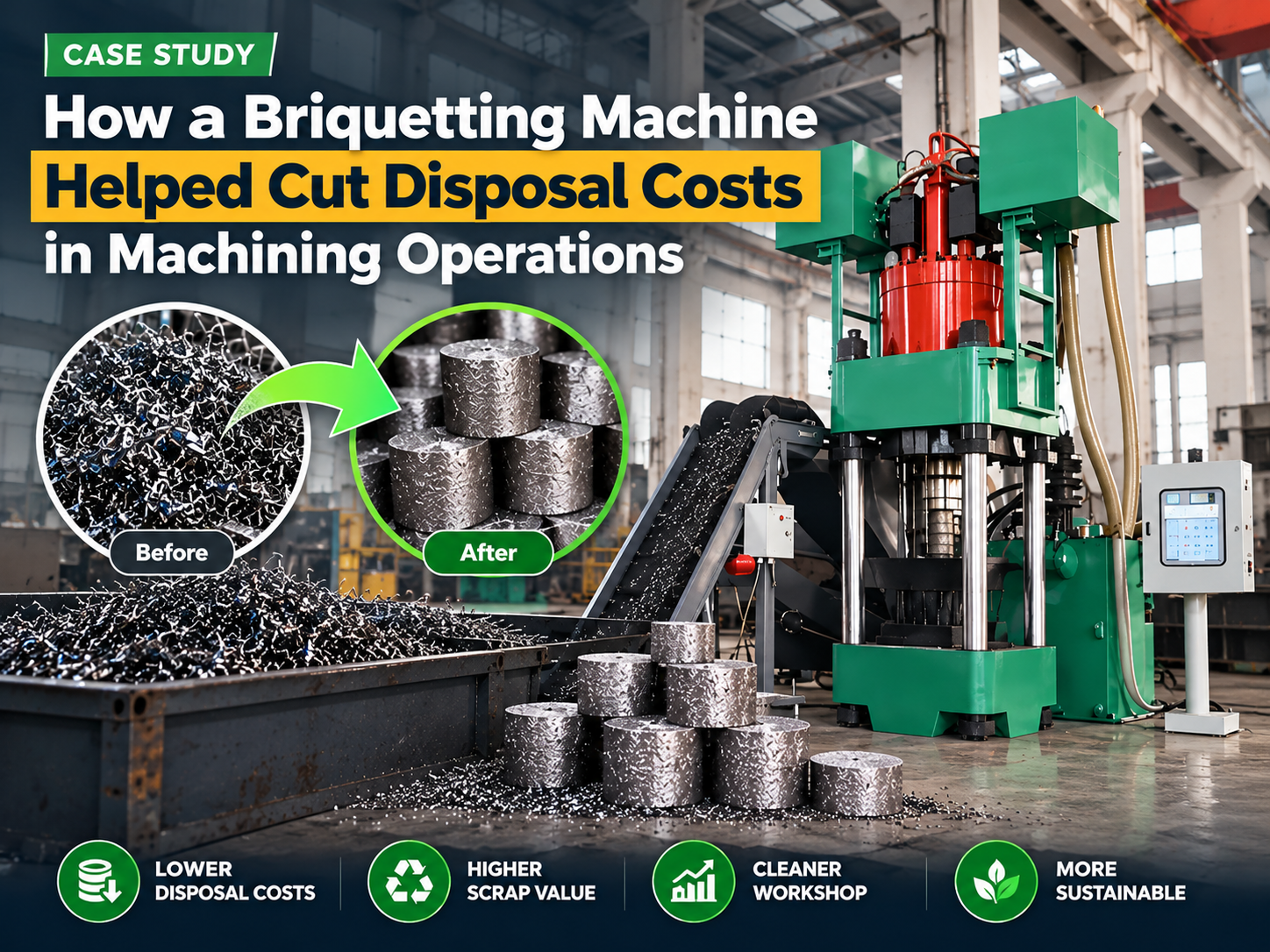
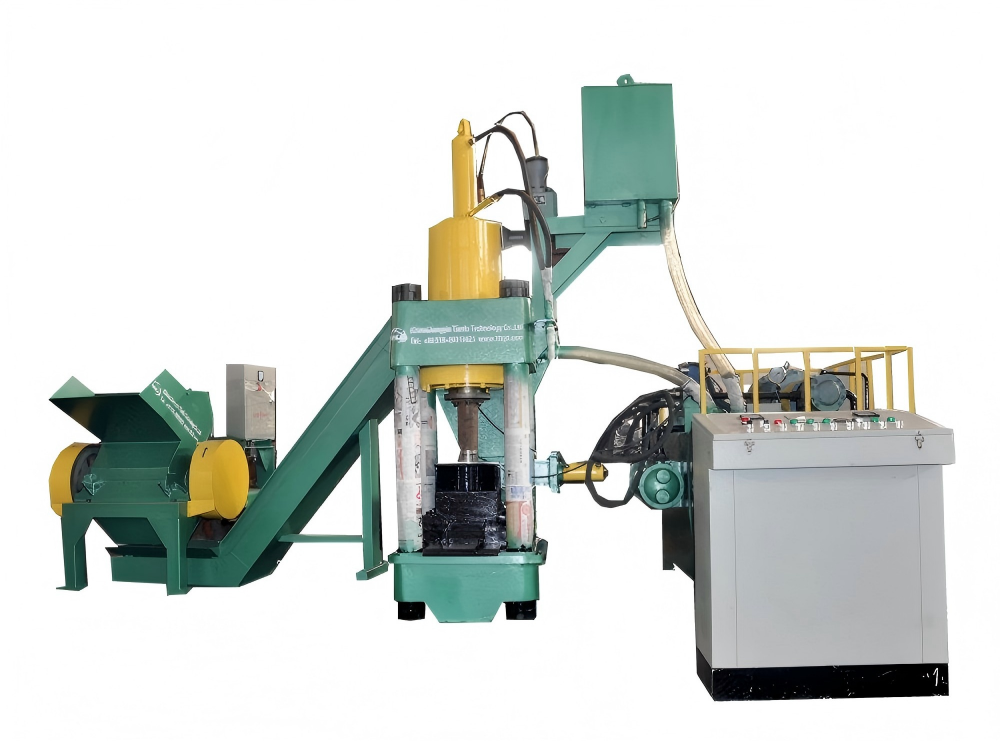
A briquetting machine operates on the principle of high-pressure hydraulic compression. The process begins with the collection of metal chips, which are fed into a hopper. From there, an auger or conveyor system moves the material into a compression chamber. The hydraulic ram then exerts immense pressure, forcing the metal particles together to form a solid, dense briquette. This process is repeated continuously, creating a steady stream of output.
The hydraulic system is the heart of the machine. HARSLE briquetting machines utilize advanced hydraulic circuits that allow for precise control over pressure and cycle times. This is vital because different metals require different compression forces to achieve optimal density. For instance, aluminum, being softer, requires different settings than hardened steel or titanium. The ability to adjust these parameters ensures that the machine can handle a diverse range of materials without mechanical strain.
Fluid recovery is a standout feature of these systems. As the ram compresses the chips, the cutting fluid is squeezed out through a perforated screen or specialized drainage channels. This fluid is then directed to a collection tank, where it can be processed through a centrifuge or filtration system to remove fine particulates. This closed-loop approach significantly extends the life of your coolant, reducing the need for frequent replenishment and disposal of spent fluids.
Durability is a key technical requirement for any industrial machinery. Briquetting machines are subjected to high-stress cycles and abrasive metal particles. Therefore, the construction must be robust, featuring wear-resistant liners in the compression chamber and high-quality seals in the hydraulic cylinders. Maintenance is relatively straightforward, focusing on hydraulic fluid checks, filter replacements, and periodic inspection of the compression dies to ensure consistent briquette quality.
Selection Advice for Fabricators
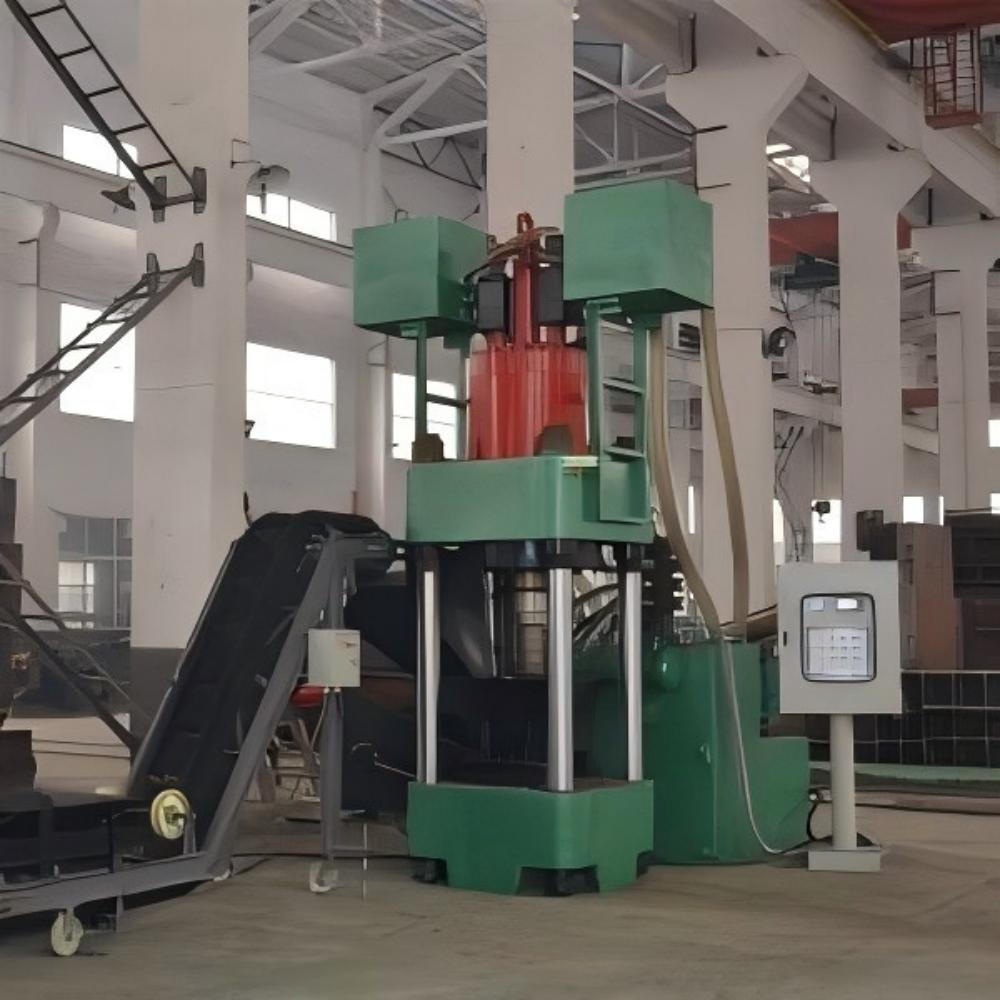
When selecting a briquetting machine, the first step is to analyze your current waste output. You need to know the volume of chips produced per day, the type of metal, and the percentage of coolant present. This data will help you determine the required throughput capacity of the machine. A machine that is too small will create a bottleneck, while one that is too large may be an unnecessary capital expenditure.
Consider the physical footprint of the equipment. In many machining shops, floor space is at a premium. Look for compact designs that can be integrated directly into your existing production line or placed near the chip collection point. Some models are modular, allowing for easy expansion if your production volume increases in the future. HARSLE offers a range of sizes to accommodate both small-batch shops and high-volume industrial facilities.
Automation level is another factor. For high-volume operations, an automated feeding system is essential. This might include chip conveyors, shredders, and automatic briquette discharge systems. A shredder is particularly important if your machining process produces long, stringy turnings, as these can clog the briquetting chamber. A pre-shredding step ensures a consistent feed, which is critical for maintaining the structural integrity of the briquettes.
Finally, evaluate the manufacturer’s support and service capabilities. A briquetting machine is a long-term investment. You want a partner who provides comprehensive training, readily available spare parts, and responsive technical support. At HARSLE, we prioritize customer success by offering tailored consultations to ensure that the machine you choose is perfectly aligned with your operational goals and budget constraints.
Case Study: Real-World Impact
To truly understand how a briquetting machine helped cut disposal costs in machining operations, consider the case of a mid-sized automotive parts manufacturer. This company was generating over 50 tons of aluminum swarf per month. Their disposal costs were skyrocketing due to the high volume of the waste and the environmental fees associated with the coolant-saturated chips.
After installing a HARSLE briquetting system, the company saw an immediate transformation. The volume of their waste was reduced by 90%, meaning they only needed one truckload per month instead of four. Furthermore, they were able to recover nearly 85% of the cutting fluid that was previously being sent to the landfill. This resulted in a significant reduction in their annual coolant purchasing budget.
The quality of their scrap also improved. Because the briquettes were clean and dense, they were able to negotiate a much higher price with their scrap metal recycler. Within 18 months, the cost of the briquetting machine was fully recouped through a combination of reduced disposal fees, lower coolant costs, and increased scrap revenue. This case study highlights the tangible financial benefits of investing in modern metal fabrication equipment.
Beyond the numbers, the company reported a cleaner shop floor and improved safety. The reduction in loose, oily chips meant fewer slip hazards and a more organized workspace. This improvement in workplace safety and cleanliness had a positive impact on employee morale and overall productivity, proving that the benefits of briquetting extend far beyond the balance sheet.
FAQ
1. How much space does a briquetting machine require?
The footprint varies depending on the model and capacity. Compact units can fit in as little as 2-3 square meters, while high-capacity systems with integrated conveyors may require more space. We recommend a site assessment to determine the best placement.
2. Can a briquetting machine handle all types of metal?
Yes, most hydraulic briquetting machines can handle aluminum, steel, copper, brass, and even some exotic alloys. However, the compression force must be adjusted based on the material’s hardness and density.
3. How often does the machine require maintenance?
Routine maintenance includes checking hydraulic oil levels, cleaning filters, and inspecting the compression die for wear. Generally, a daily check and a more thorough monthly inspection are sufficient to keep the machine running optimally.
4. Does the briquetting process affect the quality of the metal?
No, the process is purely mechanical and does not change the chemical composition of the metal. In fact, it improves the quality by removing contaminants like coolant and dirt.
5. Is it possible to automate the feeding process?
Absolutely. We offer various feeding solutions, including chip conveyors and shredders, to create a fully automated, hands-off waste management system.
Fazit
The evidence is clear: implementing a briquetting machine is one of the most effective ways to optimize machining operations. By reducing waste volume, recovering valuable coolants, and increasing the market value of scrap, these machines provide a rapid return on investment. When we ask how a briquetting machine helped cut disposal costs in machining operations, the answer lies in the transition from inefficient waste handling to a streamlined, circular manufacturing process.
At HARSLE, we are committed to providing high-performance metal fabrication equipment that helps our clients stay competitive in an ever-evolving industry. Whether you are looking to reduce your environmental impact or simply improve your bottom line, our briquetting solutions offer the reliability and efficiency you need. We invite you to contact our team to discuss your specific requirements and discover how we can help you transform your waste management strategy.
Investing in the right technology is the first step toward a more sustainable and profitable future. As the industry continues to prioritize efficiency and resource conservation, the adoption of briquetting technology will become standard practice for all serious machining operations. Don’t let your profits end up in a landfill—take control of your waste stream today with HARSLE.