Briquetting Machine Case Study: Aluminum Chip Recycling in Production Lines

Introduction to Aluminum Chip Recycling
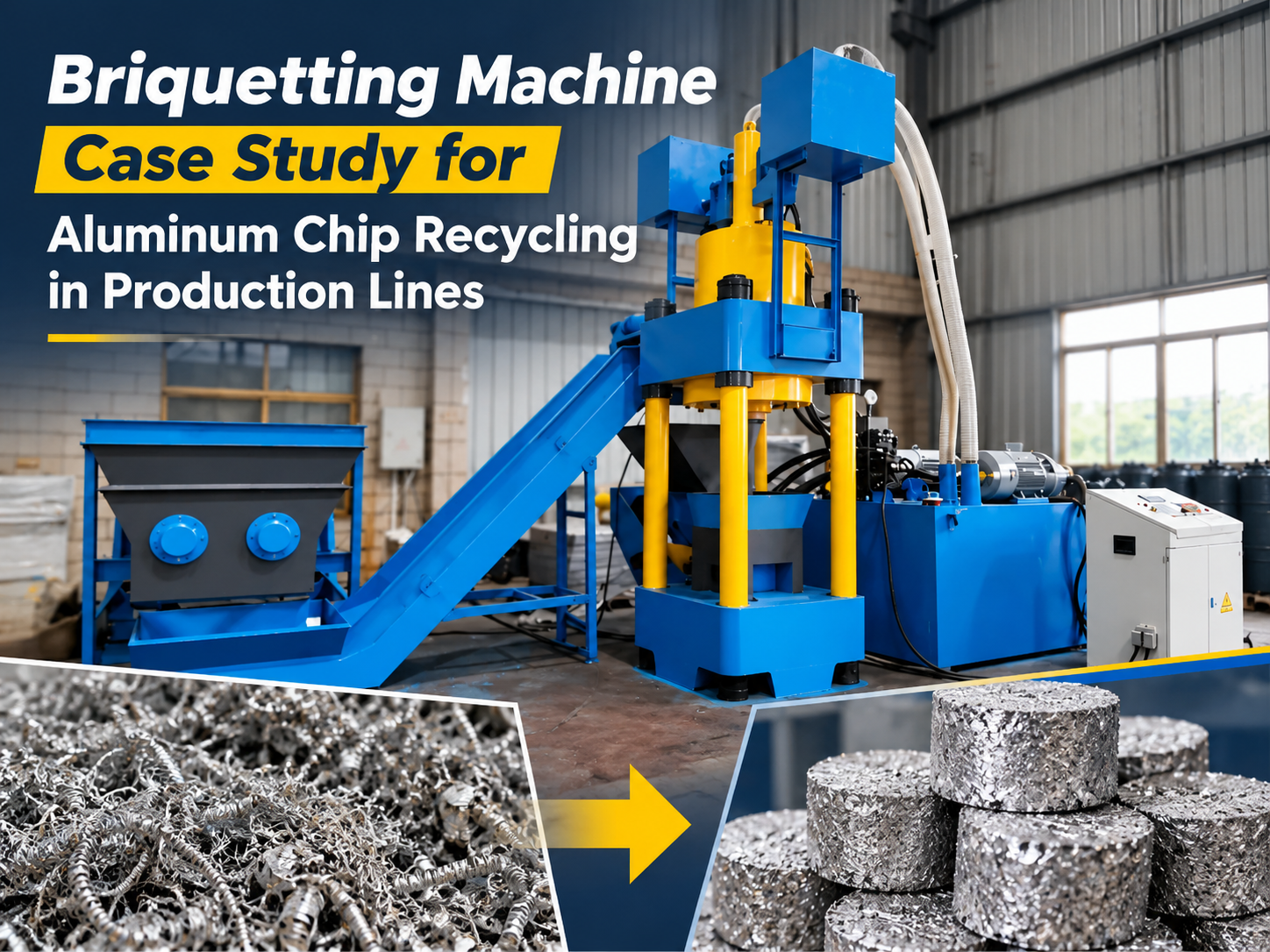
In the modern metal fabrication industry, the management of byproduct waste is no longer just a logistical necessity; it is a critical component of operational profitability. Aluminum chips, shavings, and turnings generated during milling, turning, and drilling processes occupy significant floor space and represent a substantial loss of raw material value if handled incorrectly. This Briquetting Machine Case Study for Aluminum Chip Recycling in Production Lines explores how manufacturers can transform loose, low-density scrap into high-density, furnace-ready briquettes.
HARSLE has observed that many production facilities struggle with the high volume of aluminum waste, which often leads to increased transportation costs and lower resale values. By integrating a hydraulic briquetting machine directly into the production line, manufacturers can reclaim cutting fluids, reduce storage requirements, and significantly improve the sustainability profile of their operations. This article delves into the technical and economic advantages of implementing such systems.
The transition from loose scrap to briquettes is a transformative process that impacts every stage of the supply chain. When aluminum chips are compressed, the surface area is drastically reduced, which minimizes oxidation and prevents the loss of metal during the melting process. This case study highlights the real-world application of HARSLE technology in high-output manufacturing environments, demonstrating how automated recycling systems provide a rapid return on investment.
Furthermore, the environmental regulations surrounding metal waste are becoming increasingly stringent. Companies that adopt advanced briquetting solutions are better positioned to comply with circular economy mandates. By recycling aluminum in-house, manufacturers reduce their carbon footprint and decrease the need for virgin aluminum procurement, creating a closed-loop system that benefits both the bottom line and the planet.
Key Considerations for Production Line Integration
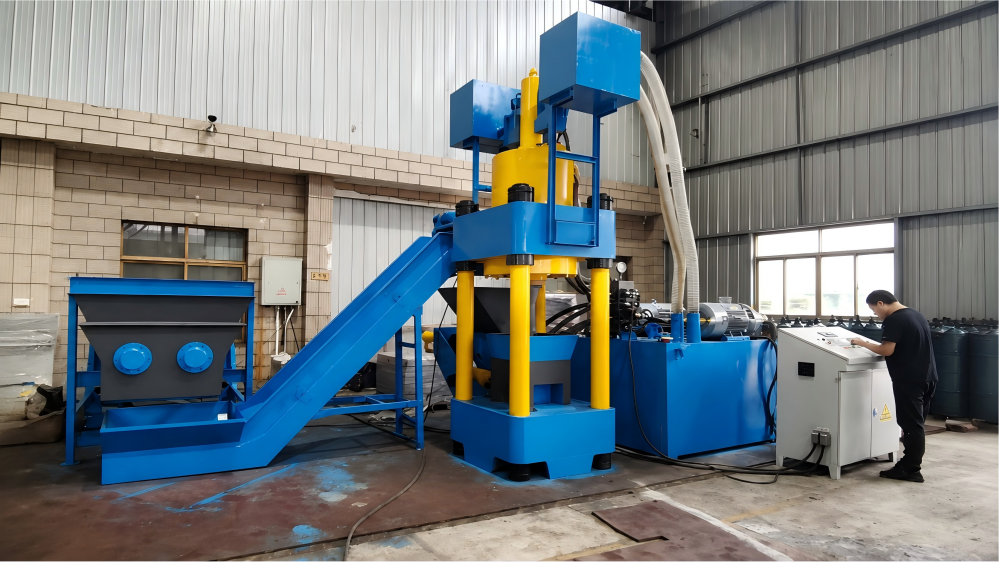
Integrating a briquetting machine into an existing production line requires careful planning and consideration of the facility’s layout. The primary goal is to minimize the distance between the source of the aluminum chips and the briquetting unit. Automated conveyor systems are often utilized to transport chips directly from CNC machines to the briquetting press, ensuring a seamless flow of material without manual intervention.
Another critical factor is the moisture content of the chips. Aluminum chips are often saturated with cutting oils or coolants. A high-quality briquetting machine must be equipped with a robust filtration and recovery system to extract these fluids during the compression phase. This not only recovers valuable coolant for reuse but also ensures that the resulting briquettes are dry and clean, which is a requirement for many smelting facilities.
Space constraints are a common challenge in metal fabrication workshops. HARSLE engineers emphasize the importance of modular design, allowing the briquetting machine to fit into tight footprints while maintaining high throughput capacity. The machine should be positioned in a way that allows for easy maintenance access and efficient removal of the finished briquettes, often via a discharge chute leading to a collection bin or conveyor belt.
Safety and noise levels are also paramount. Industrial production lines are already noisy environments, and the addition of a heavy-duty press must not compromise worker safety. Modern briquetting machines are designed with sound-dampening enclosures and safety interlocks that prevent operation if the panels are open. These features ensure that the equipment meets international safety standards while maintaining a productive work environment.
Technical Details of the Briquetting Process
The core of the Briquetting Machine Case Study for Aluminum Chip Recycling in Production Lines lies in the physics of high-pressure compaction. A hydraulic briquetting press operates by applying immense force to the loose chips within a cylindrical die. This pressure forces the air out of the material and creates a mechanical bond between the metal particles, resulting in a solid, dense briquette that is easy to handle and transport.
The hydraulic system is the heart of the machine. HARSLE utilizes high-precision hydraulic pumps and cylinders that provide consistent pressure, which is essential for achieving uniform density across all briquettes. The pressure settings can be adjusted based on the specific alloy of the aluminum, as different grades may require varying levels of force to achieve the desired structural integrity.
Automation plays a vital role in the efficiency of the process. Modern systems feature PLC (Programmable Logic Controller) interfaces that monitor the entire cycle, from the feeding of the chips into the hopper to the final ejection of the briquette. Sensors detect the level of material in the hopper, automatically starting and stopping the press to match the production rate of the CNC machines, thereby preventing bottlenecks.
The recovery of cutting fluids is a technical highlight of this process. During the compaction phase, the hydraulic force squeezes the oil out of the chips. This fluid is collected in a dedicated reservoir, filtered, and returned to the production line’s coolant system. This not only saves money on fluid procurement but also reduces the hazardous waste disposal costs associated with oil-soaked metal shavings.
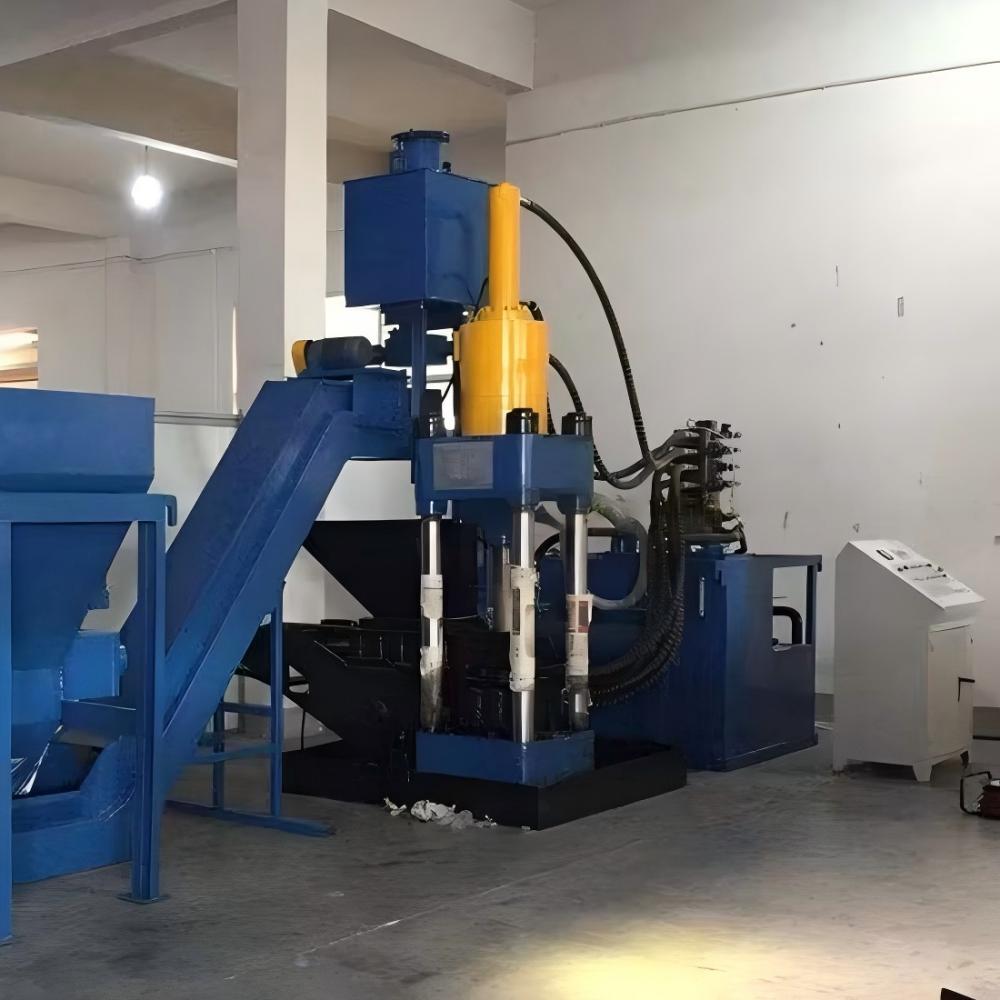
Selection Advice: Choosing the Right Equipment
When selecting a briquetting machine for aluminum chip recycling, the first step is to analyze the volume and type of scrap generated. A high-volume production line will require a machine with a larger hopper and faster cycle times, whereas a smaller workshop might benefit from a more compact, semi-automatic unit. It is essential to calculate the daily tonnage of aluminum waste to ensure the machine is sized correctly.
The material characteristics, such as the size and shape of the chips, also dictate the machine’s requirements. Long, stringy turnings require a pre-crusher or shredder before they can be fed into the briquetting press. HARSLE offers integrated shredding solutions that can be paired with the briquetting machine to handle various types of scrap, ensuring that the material is in the optimal state for compression.
Consider the long-term maintenance requirements of the equipment. A reliable briquetting machine should be built with wear-resistant materials in the compaction chamber, as aluminum chips can be abrasive. Look for manufacturers that provide comprehensive support, spare parts availability, and clear maintenance schedules. Investing in a machine with a robust design will reduce downtime and extend the service life of the equipment.
Finally, evaluate the total cost of ownership rather than just the initial purchase price. This includes energy consumption, maintenance costs, and the potential revenue generated from selling high-density briquettes compared to loose chips. Often, the premium price of a high-efficiency HARSLE machine is quickly offset by the increased value of the recycled aluminum and the savings on coolant and waste disposal.
Maintenance and Operational Best Practices
To ensure the longevity of your briquetting machine, a proactive maintenance schedule is non-negotiable. Daily checks should include inspecting the hydraulic fluid levels, checking for leaks, and ensuring that the compaction die is free of debris. Regular cleaning of the filtration system is also critical to prevent the buildup of sludge, which can impede the recovery of cutting fluids.
Operator training is another essential aspect of successful implementation. Employees should be trained not only on how to operate the machine but also on how to identify potential issues before they become major failures. Understanding the control panel, recognizing unusual noises, and knowing the emergency stop procedures are fundamental skills for any operator working with industrial metal fabrication equipment.
Lubrication of moving parts should be performed according to the manufacturer’s guidelines. Because the briquetting process involves high pressure and friction, keeping the mechanical components well-lubricated is vital to preventing premature wear. HARSLE provides detailed maintenance manuals that outline the specific intervals and types of lubricants required for each model.
Finally, keep a detailed log of all maintenance activities and machine performance data. This information is invaluable for troubleshooting and for planning future upgrades. By tracking the number of briquettes produced and the amount of coolant recovered, you can demonstrate the tangible benefits of the briquetting machine to stakeholders and justify further investments in your production line’s efficiency.
FAQ: Frequently Asked Questions
- What is the main benefit of using a briquetting machine for aluminum chips? The primary benefit is the significant reduction in volume, which lowers storage and transportation costs, while also allowing for the recovery of expensive cutting fluids.
- Can a briquetting machine handle all types of aluminum scrap? While most machines can handle standard chips and turnings, long, stringy scrap may require a pre-shredder to ensure consistent feeding into the press.
- How does the briquetting process affect the resale value of aluminum? High-density briquettes are much more valuable than loose chips because they have a higher melting yield and are easier for smelters to process, leading to better market prices.
- Is the briquetting machine difficult to install in an existing line? HARSLE designs its machines to be modular and easy to integrate. With proper planning and conveyor systems, installation is straightforward and minimizes disruption to existing workflows.
- How often does the machine require maintenance? Maintenance frequency depends on usage intensity. Generally, daily inspections and monthly deep-cleaning/servicing are recommended to maintain peak performance.
Fazit
The implementation of a briquetting machine is a strategic move for any metal fabrication facility looking to optimize its production line. As demonstrated in this Briquetting Machine Case Study for Aluminum Chip Recycling in Production Lines, the benefits extend far beyond simple waste reduction. By converting loose aluminum chips into high-density briquettes, manufacturers can recover valuable resources, improve operational efficiency, and contribute to a more sustainable industrial future.
HARSLE remains committed to providing the metal fabrication industry with cutting-edge machinery that meets the challenges of modern production. Whether you are looking to reduce your environmental impact or increase your profitability through better scrap management, our briquetting solutions offer the reliability and performance required to succeed. Investing in the right technology today ensures that your production line remains competitive and efficient for years to come.