How a Briquetting Machine Supported Sustainable Metal Waste Recycling in a Factory

Introduction
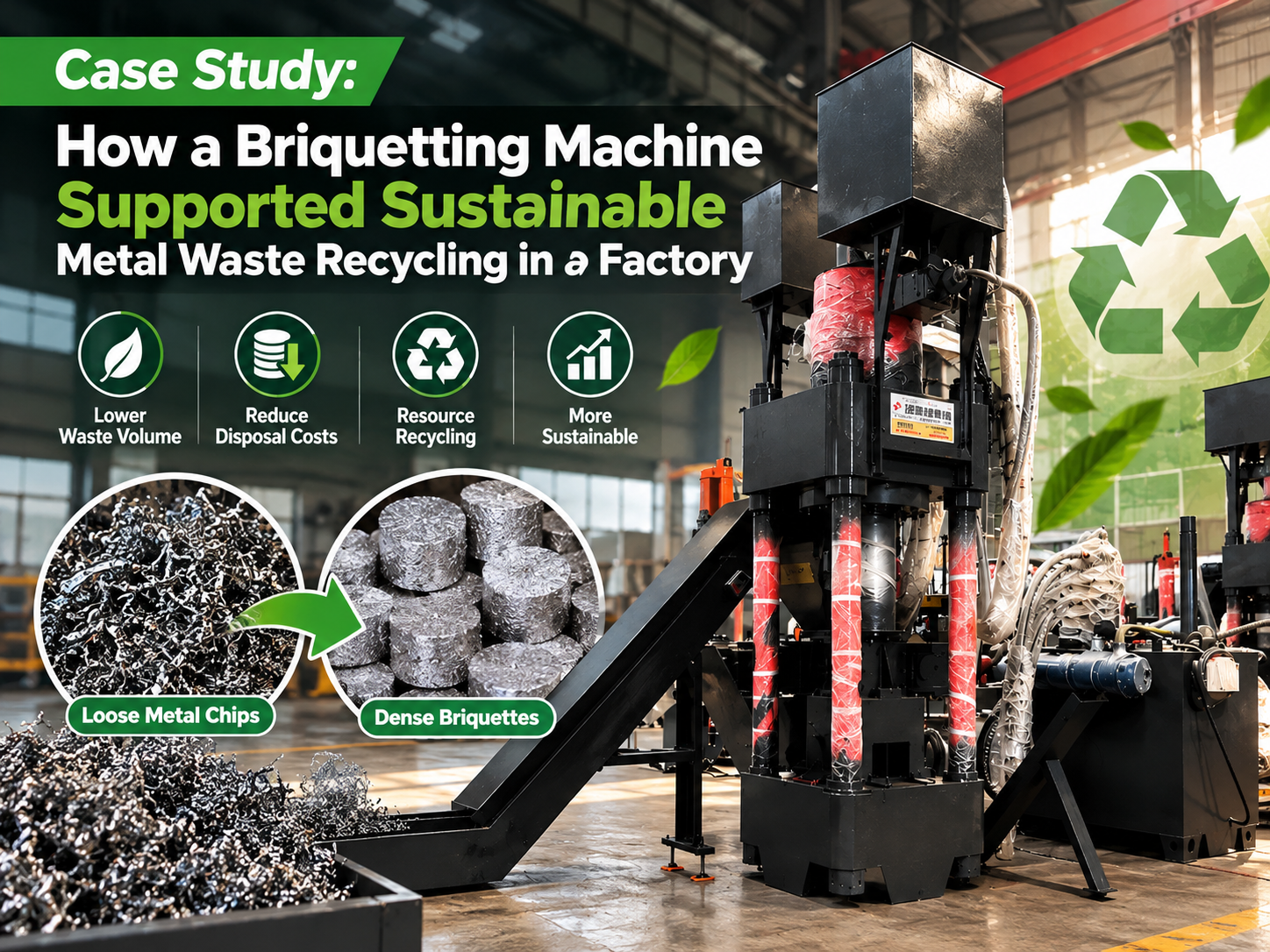
In the modern landscape of metal fabrication, the management of scrap material has transitioned from a logistical burden to a strategic asset. For many manufacturing facilities, the accumulation of metal chips, shavings, and swarf represents not just a disposal challenge, but a significant loss of potential revenue and environmental efficiency. This article explores how a briquetting machine supported sustainable metal waste recycling in a factory, transforming loose, low-density waste into high-value, compact briquettes.
HARSLE has observed that factories integrating briquetting technology experience a fundamental shift in their operational economics. By compressing metal waste, facilities can reclaim expensive cutting fluids, reduce storage footprints, and command higher prices from scrap metal recyclers. This transformation is not merely about waste management; it is about closing the loop in the production cycle and embracing the principles of a circular economy.
The process of briquetting involves applying high pressure to loose metal particles without the use of binders. This mechanical densification creates solid blocks that are easy to transport, store, and melt down. As environmental regulations tighten globally, the adoption of such machinery has become a hallmark of forward-thinking, sustainable manufacturing facilities that prioritize both profitability and ecological responsibility.
Throughout this guide, we will examine the technical mechanics, the economic benefits, and the strategic implementation of briquetting systems. Whether you are managing a small machine shop or a large-scale automotive component plant, understanding the impact of this technology is essential for optimizing your metal fabrication workflow and achieving long-term sustainability goals.
Key Considerations for Sustainable Metal Recycling
When evaluating how a briquetting machine supported sustainable metal waste recycling in a factory, one must first consider the nature of the waste stream. Metal chips generated from CNC milling, turning, and drilling operations are often saturated with coolants and lubricants. Without proper processing, these chips are classified as hazardous waste in many jurisdictions, leading to high disposal costs and environmental risks due to potential leakage.
The primary consideration for any facility is the volume and type of metal being processed. Ferrous metals like steel and cast iron behave differently under pressure compared to non-ferrous metals like aluminum, copper, or brass. A briquetting machine must be calibrated to handle the specific ductility and hardness of the material to ensure the structural integrity of the resulting briquette. If the briquette is too brittle, it may crumble during transport, negating the benefits of densification.
Another critical factor is the recovery of cutting fluids. In a standard factory setup, loose chips can hold up to 15-20% of their weight in expensive coolants. By utilizing a high-pressure briquetting press, the machine forces these fluids out of the chips, allowing them to be filtered, cleaned, and reused in the production line. This not only reduces the cost of purchasing new fluids but also minimizes the environmental impact of chemical disposal.
Logistics and storage space also play a vital role in factory sustainability. Loose metal chips occupy a vast amount of volume, requiring frequent trips to disposal sites or large, inefficient storage bins. Briquetting reduces the volume of metal waste by up to 90%. This drastic reduction allows factories to optimize their floor space, improve safety by eliminating loose debris, and streamline the logistics of transporting scrap to recycling centers.
Technical Details of Briquetting Systems
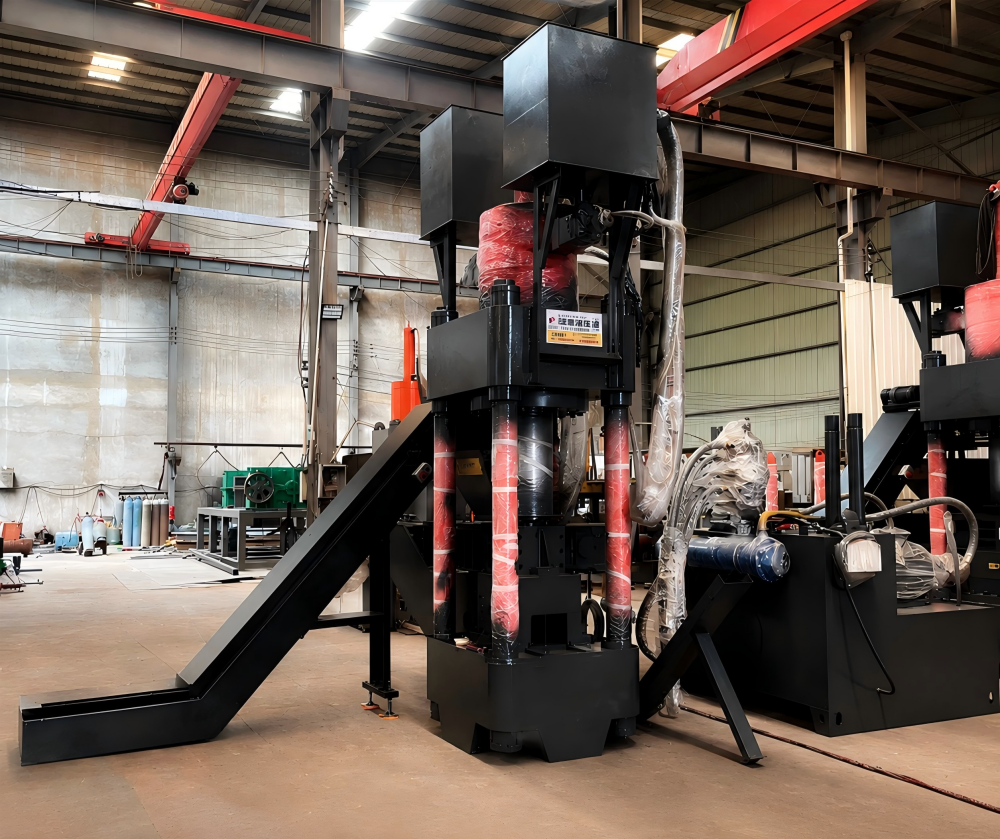
The core of the briquetting process lies in the hydraulic system. A robust briquetting machine utilizes high-pressure cylinders to compress metal particles into a dense, uniform shape. Unlike traditional compactors, a dedicated metal briquetting press is designed to withstand the abrasive nature of metal chips, featuring hardened steel dies and reinforced chambers that ensure longevity under continuous operation.
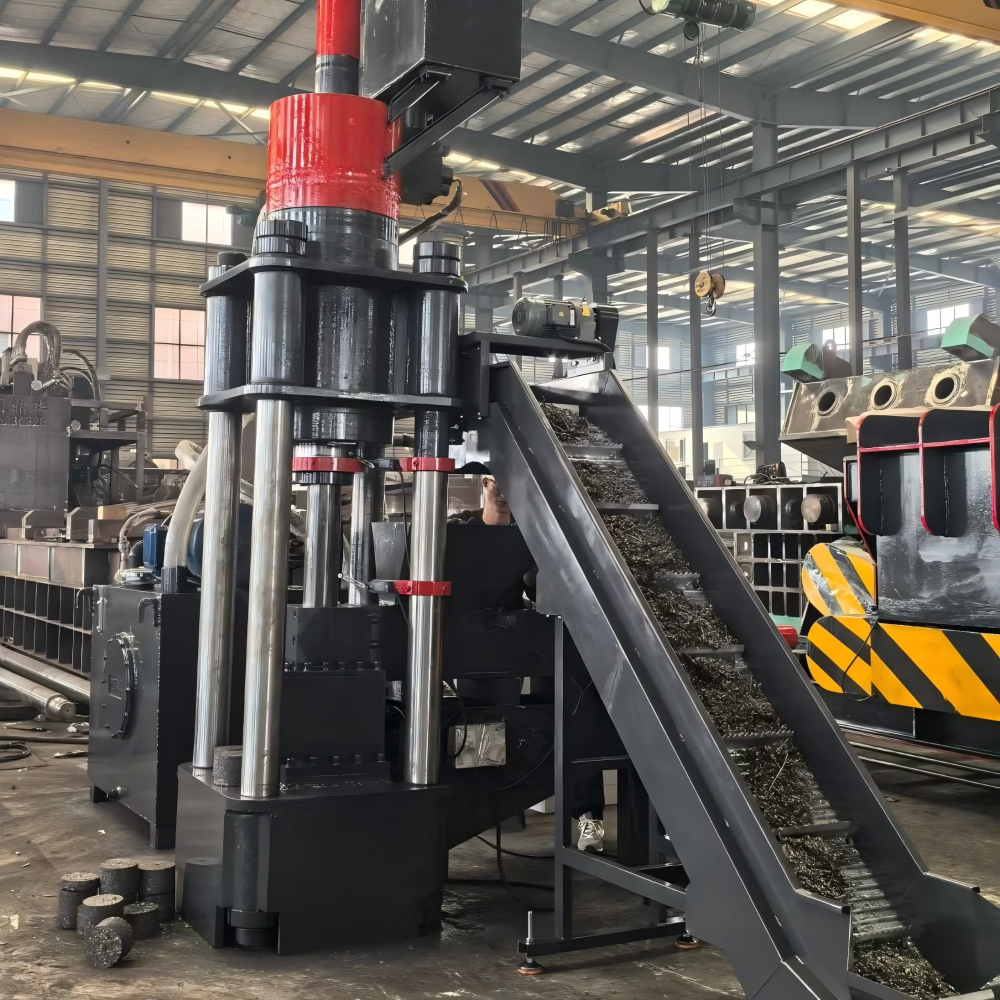
The cycle begins with the feeding mechanism, which can be manual, conveyor-fed, or integrated directly into the machine tool’s chip conveyor. Once the chamber is filled, the hydraulic ram descends, applying immense pressure to the material. This pressure forces the metal particles to interlock, creating a solid mass through mechanical bonding. The absence of binders is a key technical advantage, as it ensures the purity of the metal, which is highly valued by foundries and smelters.
Temperature control and fluid drainage are also critical technical components. As the pressure increases, the heat generated can help in the bonding process, but it must be managed to prevent damage to the machine’s seals. Integrated drainage channels within the press chamber allow the extracted coolant to flow into a collection tank, where it can be pumped back into the factory’s fluid management system. This closed-loop design is a testament to the efficiency of modern HARSLE engineering.
Automation features have further enhanced the reliability of these systems. Modern briquetting machines are equipped with PLC (Programmable Logic Controller) systems that monitor pressure levels, cycle times, and potential blockages. These sensors ensure that the machine operates at peak efficiency, adjusting the compression force based on the density of the incoming material. This level of precision ensures that every briquette meets the quality standards required for high-grade recycling.
Selection Advice for Your Factory
Selecting the right briquetting machine requires a thorough analysis of your factory’s output. Start by auditing your daily or weekly volume of metal waste. A machine that is too small will create a bottleneck, while an oversized unit represents an unnecessary capital expenditure. HARSLE recommends calculating the “return on investment” (ROI) based on the current scrap price of loose chips versus the premium price commanded by high-density briquettes.
Consider the material compatibility of the machine. If your facility processes a mix of aluminum, steel, and copper, you may need a machine with adjustable pressure settings or interchangeable die sets. Some machines are specifically optimized for long, stringy chips, while others excel at processing fine, granular swarf. Understanding the physical characteristics of your waste is the first step toward choosing the right equipment.
Maintenance requirements should also be a primary selection criterion. Look for machines that offer easy access to wear parts, such as the die and the ram face. A machine that is difficult to maintain will lead to downtime, which can disrupt your entire production schedule. HARSLE provides comprehensive documentation and support to ensure that your maintenance team can perform routine checks and part replacements efficiently.
Finally, consider the integration capabilities of the machine. Does it need to be a standalone unit, or should it be integrated into an automated chip processing line? Modern factories benefit from systems that automatically collect chips from CNC machines, process them through a centrifuge to remove excess fluid, and then feed them into the briquetting press. This level of automation minimizes human intervention and maximizes the consistency of the briquettes produced.
FAQ: Understanding Briquetting Technology
How much space can I save by using a briquetting machine?
By compressing loose metal chips into dense briquettes, you can reduce the volume of your waste by up to 90%. This allows for significantly more efficient storage and reduces the number of transport trips required to move scrap metal.
Can I mix different types of metals in the same briquetting machine?
While some machines can handle multiple materials, it is generally recommended to keep metal types separate. Mixing metals can lower the value of the scrap, as foundries prefer pure, sorted material for their melting processes.
Does the briquetting process require any chemical binders?
No, HARSLE briquetting machines use high-pressure mechanical compression to bond the metal particles. This ensures that the briquettes remain pure and are highly sought after by metal recyclers.
How does the machine recover cutting fluids?
The high pressure applied during the briquetting cycle forces the trapped fluids out of the metal chips. These fluids are collected through drainage channels in the machine and can be filtered and reused, significantly reducing your fluid procurement costs.
What is the typical ROI for a briquetting machine?
The ROI depends on your volume of waste, the type of metal, and the cost of your cutting fluids. Many factories see a full return on their investment within 12 to 24 months due to increased scrap value and reduced fluid consumption.
Fazit
The journey toward sustainable manufacturing is paved with incremental improvements in efficiency and waste management. As we have explored, the implementation of a briquetting machine is a transformative step for any metal fabrication factory. By turning a liability—loose, coolant-soaked metal chips—into a valuable, compact commodity, factories can significantly improve their bottom line while reducing their environmental footprint.
HARSLE remains committed to providing the industrial machinery necessary to support these sustainable practices. A briquetting machine does more than just compress metal; it streamlines operations, recovers valuable resources, and aligns your facility with the global movement toward circular manufacturing. When you invest in high-quality briquetting technology, you are not just buying a machine; you are investing in the long-term viability and competitiveness of your business.
As you evaluate your factory’s needs, remember that the most successful implementations are those that consider the entire lifecycle of the metal waste. From the moment the chip is cut to the moment the briquette is sold to a recycler, every step should be optimized for efficiency. With the right equipment and a commitment to sustainable processes, your factory can lead the way in responsible metal fabrication, proving that economic success and environmental stewardship go hand in hand.