Real-World Hammer Shredder Case Study: Maximizing Scrap Value In Metal Fabrication

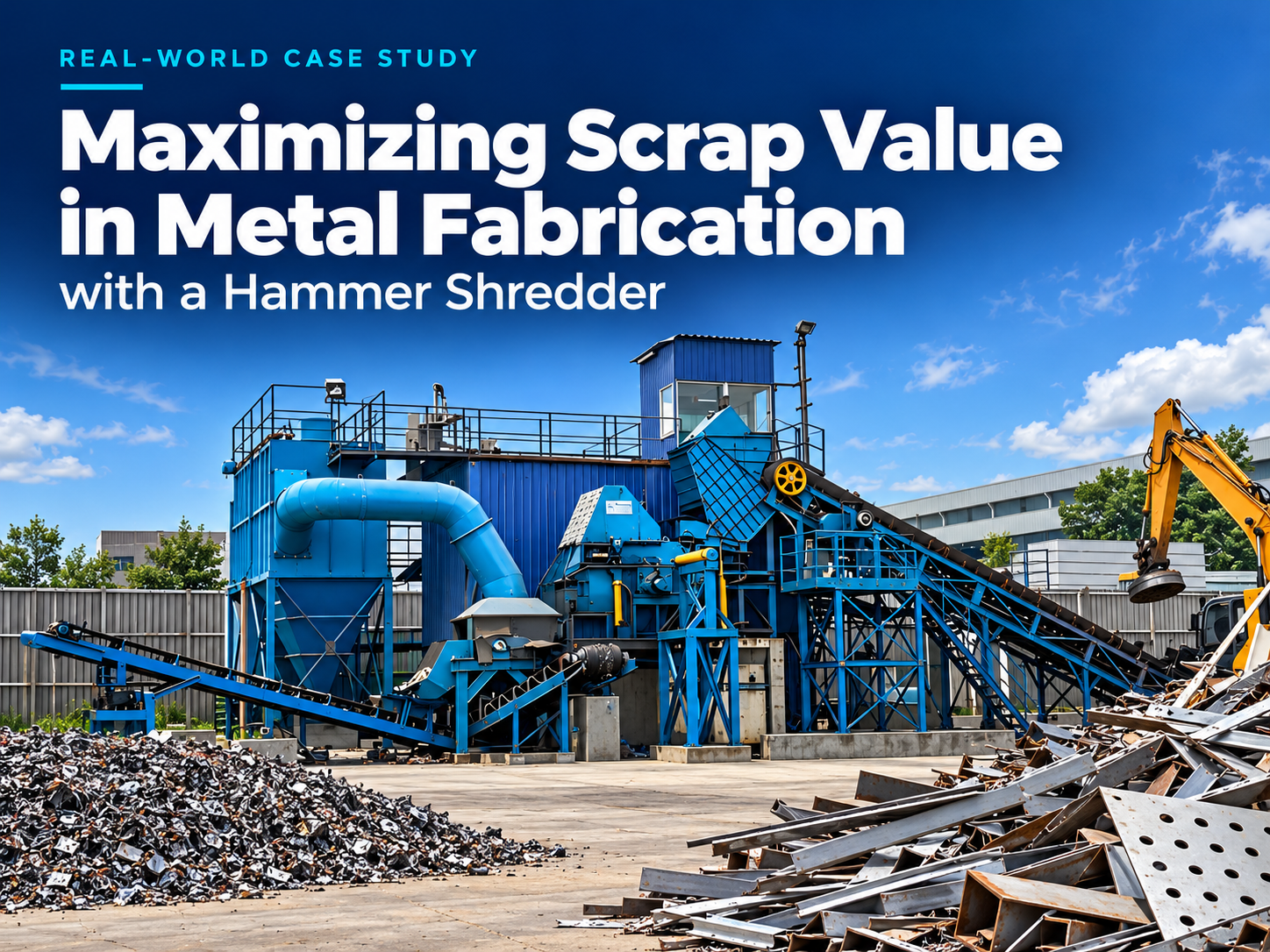
Introduction: The Economic Imperative of Scrap Management
In the modern metal fabrication landscape, the difference between a profitable operation and one struggling with overhead often lies in how effectively a facility manages its waste stream. For decades, metal fabricators viewed scrap as a necessary evil—a byproduct to be hauled away at minimal cost. However, with the rising costs of raw materials and the increasing emphasis on circular economy principles, scrap metal has evolved into a significant revenue stream. This is where the implementation of a high-performance hammer shredder becomes a game-changer.
A Real-World Hammer Shredder Case Study: Maximizing Scrap Value In Metal Fabrication reveals that the primary bottleneck in scrap profitability is volume and density. Loose, bulky scrap takes up excessive space in transport containers, leading to exorbitant logistics costs. By utilizing industrial-grade shredding technology, fabricators can transform irregular offcuts, skeletons, and rejected parts into uniform, high-density material that commands a premium price from smelters and recyclers.
HARSLE has been at the forefront of this transition, providing robust machinery designed to handle the rigors of heavy-duty metal processing. This article explores the technical mechanics, operational benefits, and strategic decision-making processes involved in integrating shredding technology into your fabrication workflow. We will examine how a mid-sized fabrication plant successfully overhauled its scrap management system, resulting in a 30% increase in monthly scrap revenue.
Understanding the full potential of your scrap requires more than just a shredder; it requires a holistic approach to material handling. From the moment a sheet metal skeleton leaves the laser cutter to the final loading of processed chips into a transport truck, every step must be optimized for efficiency. This guide serves as a comprehensive resource for facility managers looking to turn their waste bins into profit centers.
Key Considerations for Scrap Optimization
Before investing in a hammer shredder, fabricators must conduct a thorough audit of their current waste stream. Not all scrap is created equal, and the metallurgical composition of your waste will dictate the type of shredder required. High-tensile steels, aluminum alloys, and copper offcuts each present unique challenges regarding wear and tear on the shredder’s hammers and liners. Understanding your material mix is the first step toward maximizing scrap value.
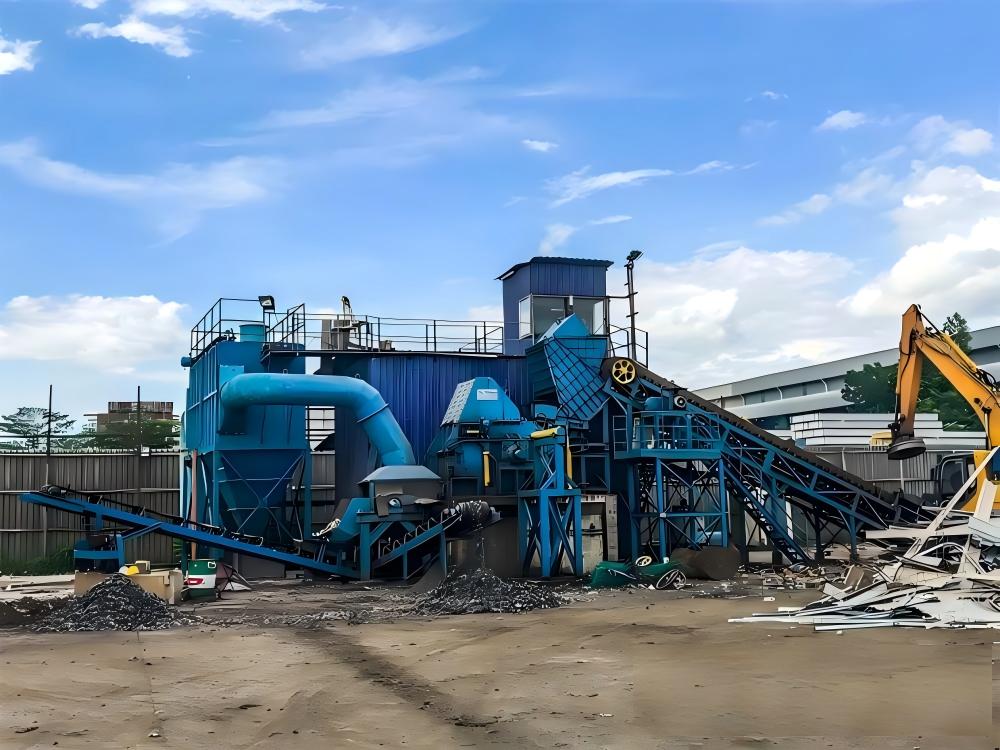
Logistics and space utilization are the next critical considerations. In many fabrication shops, the cost of transporting air—shipping loose, bulky scrap—is the single largest drain on profitability. By shredding material, you can increase the bulk density of your scrap by up to 400%. This means fewer trips to the recycling facility, lower fuel surcharges, and a significantly smaller footprint in your warehouse or yard. A well-planned shredding station should be integrated directly into the production flow to minimize manual handling.
Safety and environmental compliance cannot be overlooked. Metal fabrication generates sharp, hazardous waste that poses risks to personnel. An automated shredding system reduces the need for manual sorting and handling, thereby lowering the risk of workplace injuries. Furthermore, modern shredders are designed with dust suppression and noise reduction features, ensuring that your facility remains compliant with local environmental regulations while maintaining a safe working environment.
Finally, consider the downstream market for your processed scrap. Smelters and foundries prefer shredded material because it is easier to melt, has a more consistent chemical composition, and is free from contaminants. By providing a high-quality, uniform product, you position your facility as a preferred supplier, often allowing you to negotiate better pricing tiers. This strategic alignment between your internal processing capabilities and external market demands is the core of the Real-World Hammer Shredder Case Study: Maximizing Scrap Value In Metal Fabrication.
Technical Details: How Hammer Shredders Transform Metal
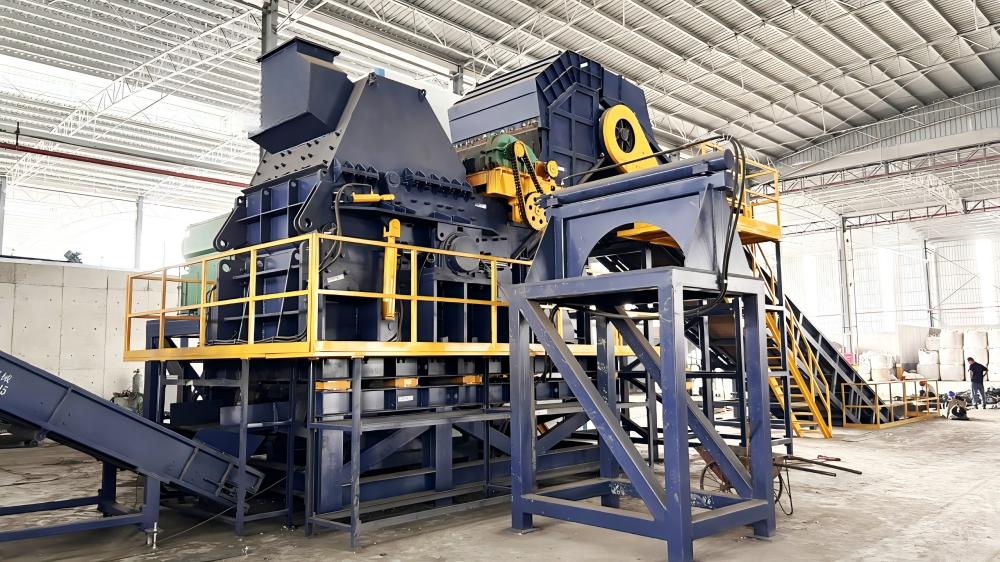
The core technology behind the hammer shredder is a high-speed rotor equipped with heavy-duty, hardened steel hammers. As the rotor spins at high velocity, the hammers strike the incoming metal scrap, shattering it against a series of internal anvils and grates. This impact-based reduction process is far more efficient than shearing or cutting for brittle or irregular metal shapes. The resulting material is a consistent, granular product that is ideal for magnetic separation and further refining.
HARSLE’s hammer shredders are engineered with modular components to ensure longevity. The hammers themselves are typically made from high-manganese steel or specialized alloy castings, designed to withstand repeated high-impact cycles. Because these components are subject to extreme wear, the design allows for rapid replacement, minimizing downtime. The internal liners of the shredding chamber are also replaceable, protecting the main housing from the abrasive nature of the metal scrap.
Power transmission is another critical technical aspect. These machines require high-torque motors to maintain consistent rotor speed under heavy loads. HARSLE utilizes advanced drive systems that include soft-start capabilities and overload protection, preventing motor burnout during the processing of particularly dense or oversized pieces. This reliability is essential for continuous, multi-shift operations where throughput is the primary metric of success.
The discharge system is the final piece of the technical puzzle. Once the material is reduced to the desired size, it passes through a sizing grate at the bottom of the chamber. This grate ensures that no oversized material exits the machine. From there, a conveyor system—often equipped with an over-belt magnetic separator—transports the shredded metal to a collection bin. This magnetic separation step is vital, as it allows for the automatic removal of ferrous contaminants from non-ferrous streams, further increasing the purity and value of your scrap.
Selection Advice: Choosing the Right Equipment
Selecting the right hammer shredder for your facility is a balance between throughput requirements and the physical characteristics of your scrap. A common mistake is undersizing the machine, which leads to frequent jams and premature wear. Start by calculating your daily scrap volume in tons. Ensure that the shredder you choose has a rated capacity that exceeds your peak daily output by at least 20% to account for surges in production.
Consider the feed mechanism. If your scrap consists primarily of long, thin skeletons from a laser or plasma cutter, a shredder with a wide, horizontal feed hopper is essential. Conversely, if you are processing bulky, irregular parts, a vertical feed system with a pre-crusher or a heavy-duty conveyor might be more appropriate. HARSLE offers customizable feed solutions to ensure that your specific scrap profile is handled efficiently without manual intervention.
Maintenance accessibility is a non-negotiable factor. Look for machines that feature hydraulic opening mechanisms for the shredding chamber. This allows maintenance teams to inspect the hammers and grates safely and quickly. A machine that is difficult to maintain will eventually be neglected, leading to poor performance and costly repairs. Always prioritize equipment that comes with a comprehensive maintenance manual and readily available spare parts.
Finally, look for a partner, not just a vendor. The implementation of a shredding system is a significant capital investment. You need a manufacturer that provides technical support, installation guidance, and training for your operators. HARSLE prides itself on a consultative approach, helping fabricators analyze their specific scrap streams to select the machine that offers the fastest return on investment. When evaluating quotes, look beyond the initial purchase price and consider the total cost of ownership over the machine’s lifespan.
FAQ: Common Questions About Hammer Shredders
- What is the typical lifespan of a set of hammers? The lifespan depends on the hardness of the material being processed. Generally, with proper maintenance, hammers can last several hundred hours of operation before needing a flip or replacement.
- Can a hammer shredder process non-metal materials? While designed for metal, some models can handle mixed waste. However, it is highly recommended to keep the stream as pure as possible to maintain the value of the scrap.
- How much noise does a hammer shredder generate? These machines are inherently loud. We recommend installing them in a dedicated, sound-insulated area or using acoustic enclosures to comply with workplace safety standards.
- Is magnetic separation necessary? It is highly recommended. It significantly increases the purity of your ferrous scrap, which directly correlates to higher market prices.
- How often should the grate be inspected? The sizing grate should be inspected weekly for signs of wear or deformation to ensure consistent output size.
Conclusion: Investing in Future Profitability
The Real-World Hammer Shredder Case Study: Maximizing Scrap Value In Metal Fabrication demonstrates that scrap management is no longer a peripheral task but a core component of industrial efficiency. By investing in robust, high-performance shredding technology, fabricators can drastically reduce logistics costs, improve material purity, and unlock new revenue streams that were previously hidden in the waste bin.
HARSLE remains committed to providing the tools necessary for this transformation. Our hammer shredders are built to withstand the toughest industrial environments, ensuring that your investment pays dividends for years to come. Whether you are a small job shop or a large-scale manufacturing plant, the principles of density, purity, and efficiency remain the same. It is time to stop paying to haul away your profits and start processing them into high-value commodities.
As you move forward with your equipment selection, remember that the goal is to create a seamless, automated process that integrates with your existing production lines. With the right machinery, proper maintenance, and a strategic approach to scrap handling, your facility can achieve a level of operational excellence that sets you apart from the competition. Contact HARSLE today to begin your journey toward maximized scrap value and a more sustainable, profitable future.