Improving Recycling Plant Output with a Hammer Shredder: A Practical Case Study

Introduction
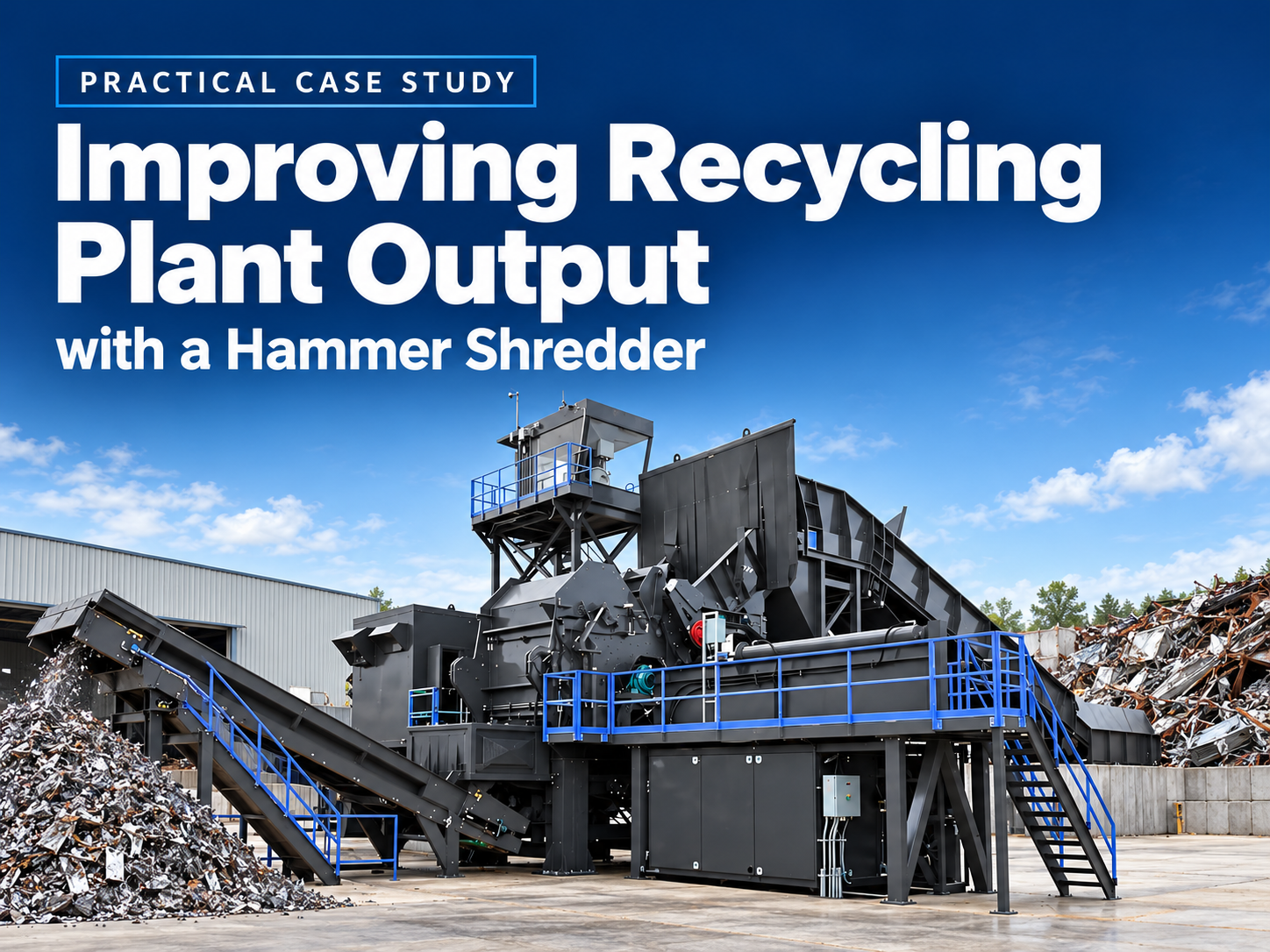
In the modern landscape of industrial waste management, the efficiency of a recycling facility is defined by its throughput and the purity of its output. As global demand for recycled raw materials surges, facilities are under immense pressure to process larger volumes of scrap metal, electronic waste, and industrial debris. Improving recycling plant output with a hammer shredder: a practical case study reveals that the bottleneck in many operations is not the collection of material, but the primary reduction process. HARSLE has observed that integrating high-performance hammer shredders into existing lines can transform a sluggish operation into a high-capacity profit center.
This article explores the mechanics, operational advantages, and strategic implementation of hammer shredders in industrial environments. By analyzing a real-world scenario where a mid-sized recycling plant faced stagnant growth, we demonstrate how targeted equipment upgrades can lead to exponential improvements in material recovery rates. Whether you are managing a scrap yard or a specialized metal processing facility, understanding the role of advanced shredding technology is essential for maintaining a competitive edge in the circular economy.
The transition from traditional shearing or manual sorting to automated hammer shredding represents a significant leap in operational maturity. Hammer shredders utilize high-speed rotating hammers to impact, crush, and tear materials into uniform fragments. This process not only reduces volume but also facilitates the separation of ferrous and non-ferrous metals, which is critical for downstream processing. As we delve into this case study, we will examine how HARSLE machinery provides the durability and precision required for 24/7 industrial operations.
Ultimately, the goal of any recycling plant is to maximize the value of every ton of material processed. By optimizing the shredding stage, operators can ensure that their output meets the stringent quality requirements of smelters and foundries. This guide serves as a comprehensive resource for plant managers and engineers looking to leverage hammer shredder technology to enhance their bottom line and operational sustainability.
Key Considerations for Recycling Plant Optimization
When evaluating the potential for improving recycling plant output with a hammer shredder, a practical case study must begin with an assessment of the current workflow. Many facilities suffer from “material congestion,” where the shredding stage cannot keep pace with the incoming supply. This leads to backlogs, increased storage costs, and potential safety hazards. The first step in optimization is identifying the specific material streams that are causing these bottlenecks, whether they are bulky automotive parts, light-gauge sheet metal, or complex electronic scrap.
Another critical consideration is the desired output size and consistency. Different downstream processes require different fragment sizes. For instance, magnetic separation systems perform significantly better when the feedstock is uniform. A hammer shredder allows for adjustable grate sizes, enabling operators to fine-tune the output to meet specific buyer requirements. This level of control is a major factor in improving the market value of the processed material, as high-purity, uniform scrap commands a premium price in the commodities market.
Operational uptime is the lifeblood of a recycling plant. Frequent maintenance cycles or equipment failures can negate any gains made in processing speed. Therefore, when selecting a hammer shredder, it is vital to consider the robustness of the wear parts. HARSLE emphasizes the use of high-manganese steel for hammers and liners, which provides superior resistance to the abrasive nature of metal scrap. A well-designed shredder should also feature easy access to the internal chamber, allowing for rapid maintenance and replacement of wear components, thereby minimizing downtime.
Finally, energy efficiency and environmental compliance must be integrated into the operational strategy. Modern hammer shredders are designed with high-torque, energy-efficient motors that reduce the cost per ton of processed material. Furthermore, noise suppression and dust collection systems are essential for meeting local environmental regulations. By addressing these factors holistically, recycling plants can achieve a sustainable increase in output that aligns with both economic goals and regulatory requirements.
Technical Details of HARSLE Hammer Shredders
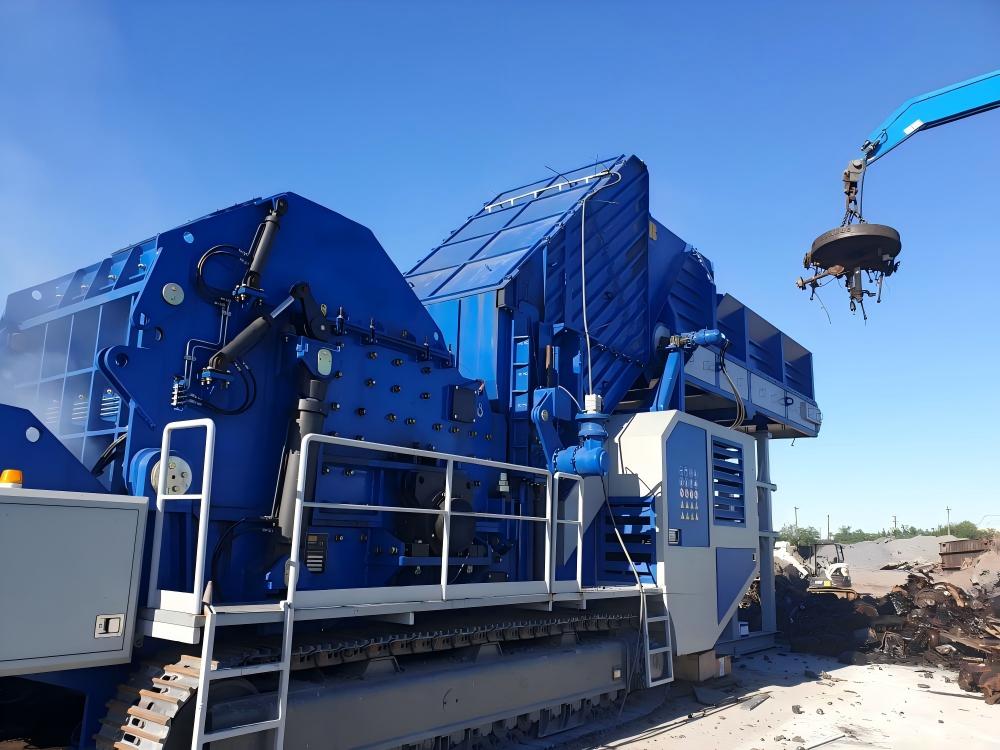
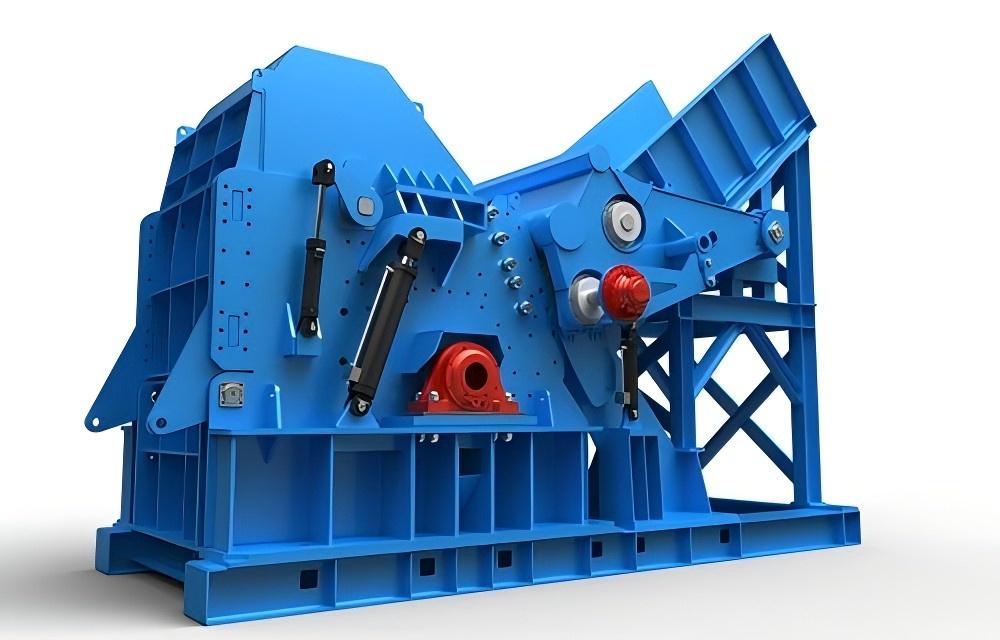
The core of a HARSLE hammer shredder lies in its heavy-duty rotor assembly. This component is engineered to withstand the extreme kinetic energy generated during the shredding process. The rotor is equipped with a series of swinging hammers that strike the incoming material against a heavy-duty anvil and grate system. This impact-based reduction is highly effective for brittle materials and ductile metals alike, ensuring that even complex scrap is broken down into manageable, high-density fragments.
Technical precision in the design of the grate system is what sets HARSLE equipment apart. The grate acts as a sizing screen; material remains in the shredding chamber until it is small enough to pass through the openings. By swapping out grates with different hole diameters, operators can control the output size with high accuracy. This flexibility is crucial for facilities that handle diverse material streams, from aluminum cans to heavy steel beams, as it allows the machine to be optimized for specific material densities and compositions.
The drive system is another critical technical aspect. HARSLE utilizes high-torque, variable-frequency drive (VFD) motors that allow for precise control over the rotor speed. This is particularly important when processing materials with varying hardness levels. By adjusting the speed, the operator can prevent motor stalling during heavy loads and optimize energy consumption based on the throughput requirements. This level of control is a key component in improving recycling plant output with a hammer shredder, as it ensures the machine operates at its peak efficiency point regardless of the feedstock.
Safety and structural integrity are paramount in the design of these machines. The housing is constructed from reinforced, thick-walled steel plates to contain the high-velocity debris generated during the shredding process. Additionally, advanced sensors monitor vibration, temperature, and motor load in real-time. These diagnostic tools provide early warnings of potential issues, allowing for predictive maintenance rather than reactive repairs. This technical sophistication ensures that the shredder remains a reliable workhorse in the recycling line for years to come.
Selection Advice: Choosing the Right Equipment
Selecting the right hammer shredder is a strategic decision that requires a thorough analysis of your facility’s specific needs. The first step is to define your throughput targets in tons per hour (TPH). It is common for facilities to underestimate their future growth, so selecting a machine with a slightly higher capacity than currently required is often a wise investment. This “headroom” allows for future expansion without the need for a complete system overhaul.
Material composition is the second major factor. If your plant primarily processes light-gauge steel, a medium-duty shredder may suffice. However, if you are handling heavy industrial scrap, engine blocks, or thick structural steel, you will require a high-torque, heavy-duty model with a reinforced rotor. Consulting with HARSLE engineers during the selection process can help you match the machine’s specifications to your specific material stream, preventing premature wear and ensuring optimal performance.
Consider the integration of the shredder into your existing material handling system. A shredder is only as effective as the conveyor system feeding it and the discharge system removing the processed material. Ensure that your feeding mechanism can provide a consistent, metered flow of material to prevent surges that could stall the motor. Similarly, the discharge system should be equipped with magnetic separators to automatically pull ferrous metals from the stream, further increasing the efficiency of your sorting process.
Finally, evaluate the total cost of ownership (TCO) rather than just the initial purchase price. This includes energy consumption, the cost of replacement wear parts, and the ease of maintenance. A cheaper machine with high maintenance requirements will quickly become more expensive than a premium, high-durability unit. HARSLE provides comprehensive support, including spare parts availability and technical training, which are essential for maximizing the lifespan and ROI of your investment.
Buyer’s Checklist for Hammer Shredders
- Throughput Capacity: Does the machine meet your current and projected TPH requirements?
- Material Compatibility: Is the rotor and hammer design suitable for your specific scrap types?
- Maintenance Accessibility: Can the wear parts be replaced quickly and safely?
- Control Systems: Does the machine feature advanced monitoring and VFD controls?
- Kundendienst nach dem Kauf Is there a reliable supply chain for spare parts and technical assistance?
- Safety Features: Are there adequate emergency stops, vibration sensors, and containment measures?
FAQ: Improving Recycling Plant Output
Q: How does a hammer shredder improve the purity of recycled metal?
A: By shredding material into uniform fragments, the hammer shredder breaks the mechanical bonds between different materials (e.g., plastic coatings on copper wire or steel bolts in aluminum parts). This makes it much easier for downstream magnetic and eddy-current separators to isolate pure material streams, significantly increasing the value of your output.
Q: What is the typical lifespan of the hammers in a HARSLE shredder?
A: The lifespan depends on the abrasiveness of the material being processed. However, HARSLE uses high-manganese steel alloys that are specifically designed for long-term wear resistance. Regular maintenance and proper feeding techniques can extend the life of these components significantly.
Q: Can a hammer shredder handle mixed waste?
A: Yes, hammer shredders are highly versatile. However, it is important to remove hazardous materials, such as pressurized tanks or explosive components, before they enter the shredding chamber. A pre-sorting stage is recommended to ensure the safety and longevity of the equipment.
Q: How often should I perform maintenance on my shredder?
A: We recommend a daily inspection of the hammers and grates for signs of excessive wear. A scheduled maintenance program, based on the total operating hours, should be implemented to replace wear parts before they impact the performance of the machine or cause damage to the rotor assembly.
Q: Is it possible to retrofit a HARSLE shredder into an existing recycling line?
A: Absolutely. Our engineering team specializes in integrating our shredders into existing facilities. We provide custom layout designs and support to ensure that the new equipment fits seamlessly into your current workflow, minimizing installation downtime.
Fazit
Improving recycling plant output with a hammer shredder: a practical case study demonstrates that the path to higher profitability lies in the efficiency of the primary reduction stage. By investing in robust, high-performance machinery from HARSLE, recycling facilities can overcome the common challenges of throughput bottlenecks, inconsistent material quality, and excessive downtime. The transition to advanced hammer shredding technology is not merely an equipment upgrade; it is a strategic move toward a more efficient, sustainable, and profitable operation.
As the recycling industry continues to evolve, the demand for high-quality, processed scrap will only increase. Facilities that prioritize the optimization of their shredding processes will be best positioned to capture this market share. With the right equipment, proper maintenance, and a clear understanding of material handling, your plant can achieve new levels of productivity. HARSLE remains committed to providing the industrial machinery and technical expertise necessary to help our partners succeed in this competitive landscape.
We invite you to reach out to our team to discuss your specific recycling challenges. Whether you are looking to replace an aging shredder or design a completely new processing line, our experts are ready to provide the guidance and support you need. Let us help you turn your scrap into a high-value commodity and take your recycling plant output to the next level.