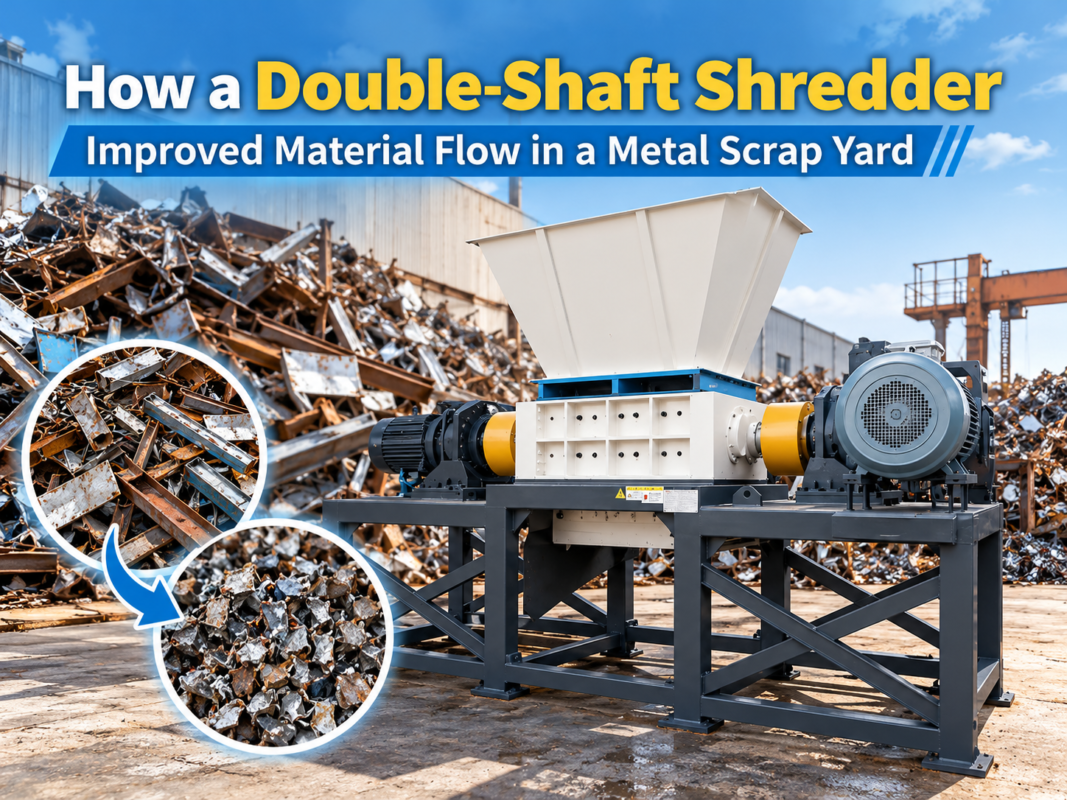
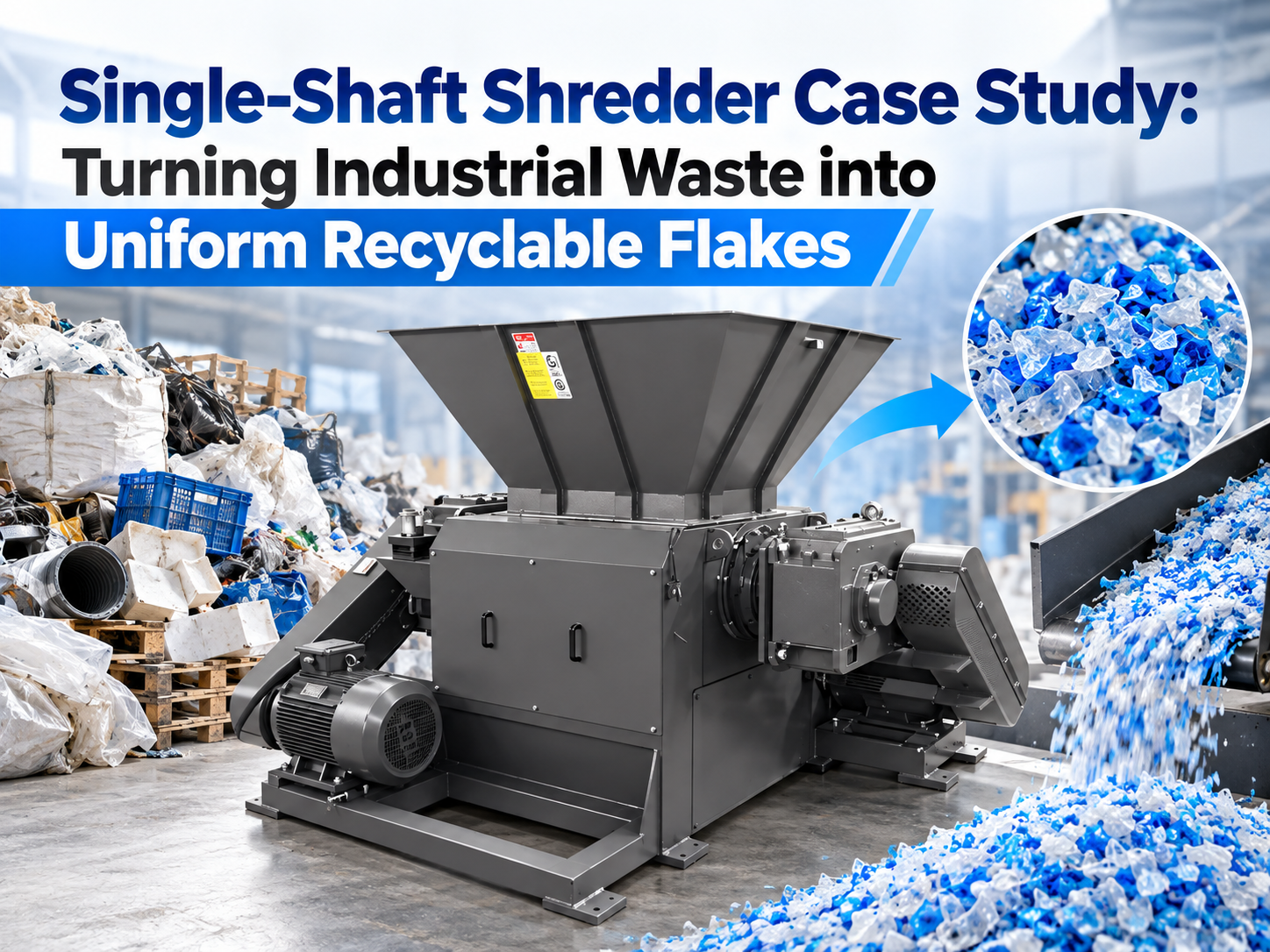
Single-Shaft Shredder Case Study: Turning Industrial Waste into Uniform Recyclable Flakes

Introduction to Industrial Shredding Efficiency
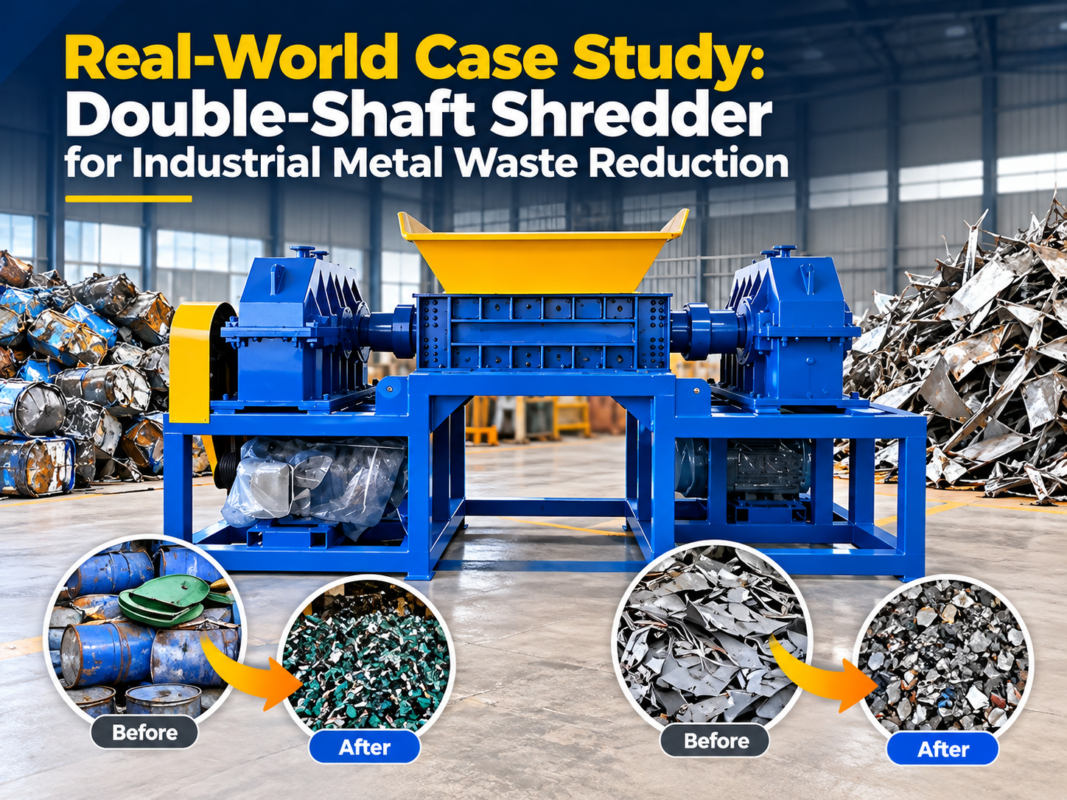
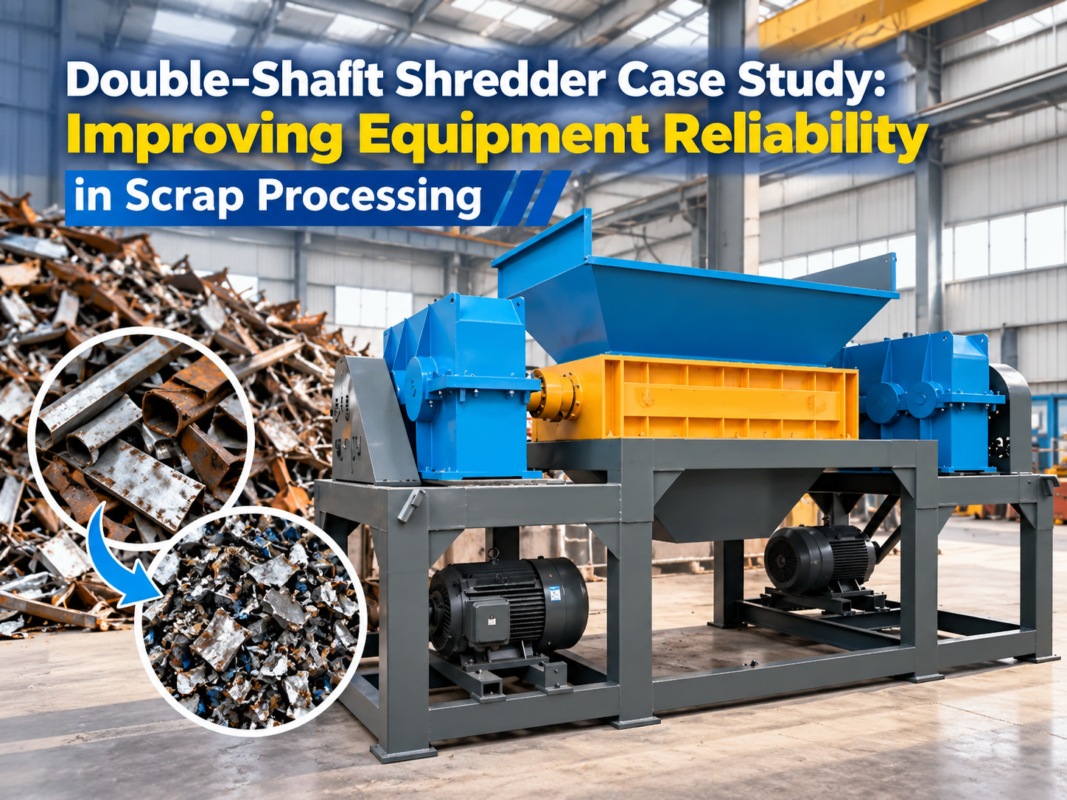
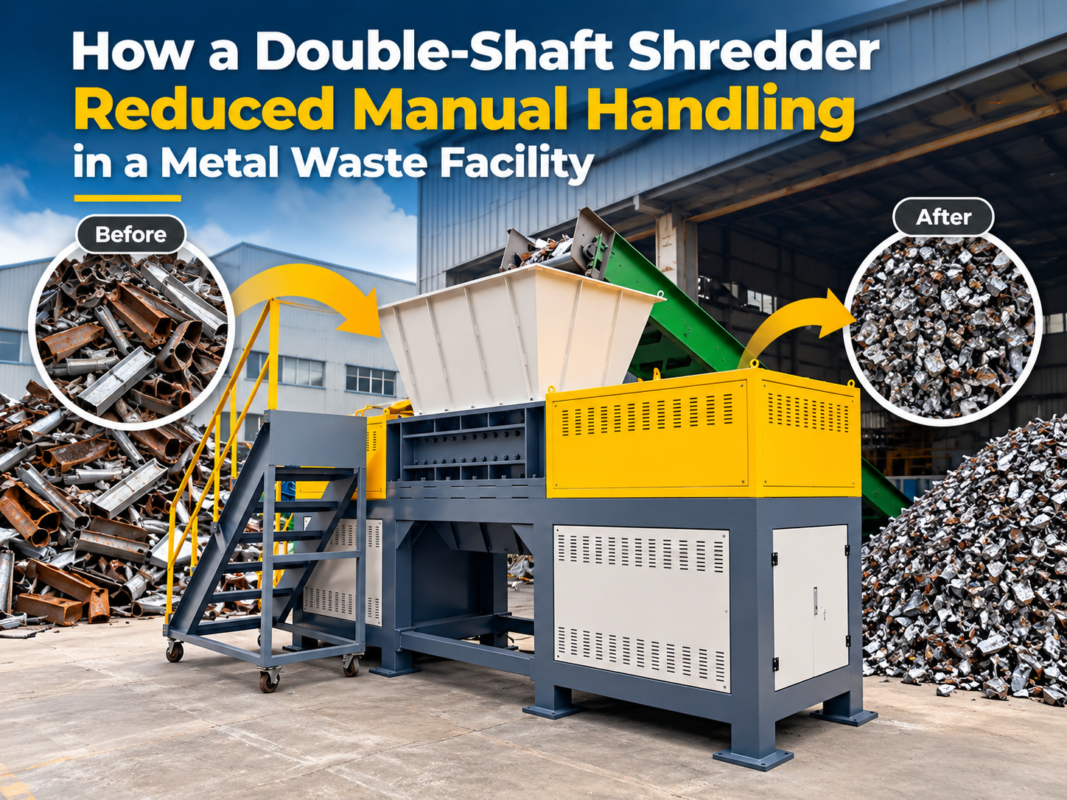
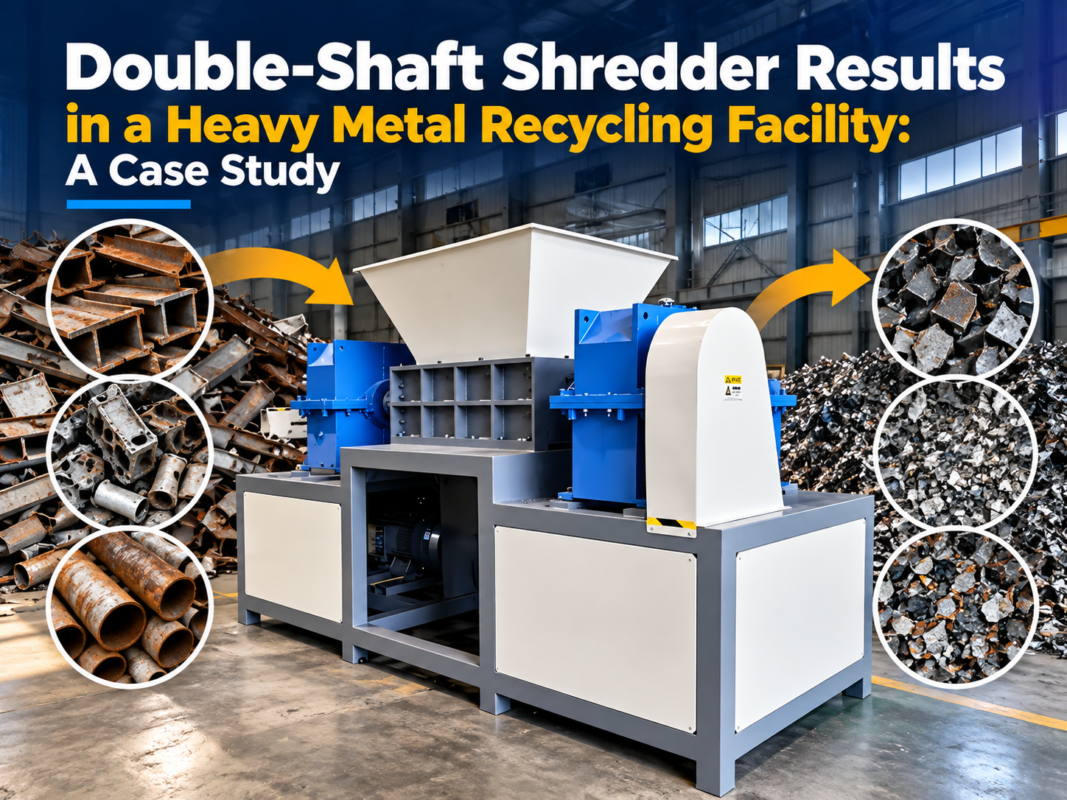
In the modern landscape of metal fabrication and industrial manufacturing, waste management has evolved from a logistical burden into a strategic asset. The Single-Shaft Shredder Case Study: Turning Industrial Waste Into Uniform Recyclable Flakes highlights how HARSLE’s advanced engineering transforms bulky, discarded materials into high-value, uniform feedstock. As industries face increasing pressure to adopt circular economy models, the ability to process scrap metal, plastics, and composite materials on-site has become a competitive necessity.
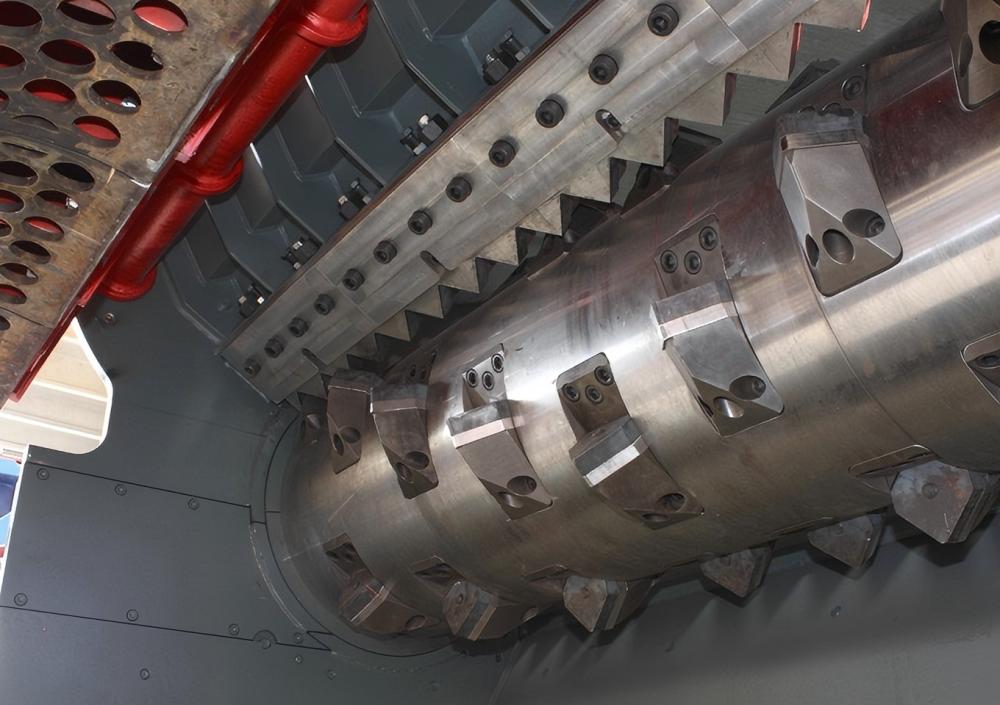
A single-shaft shredder operates on a principle of low-speed, high-torque shearing. Unlike traditional crushers that rely on impact, these machines utilize a rotating shaft equipped with specialized cutters that work against a stationary counter-knife. This mechanical precision ensures that the output material is consistent in size, which is critical for downstream processes like melting, smelting, or secondary manufacturing. By controlling the particle size through screen sizing, manufacturers can ensure their waste streams meet the exact specifications required for recycling facilities.
This article explores a comprehensive case study involving a mid-sized fabrication plant that integrated HARSLE shredding technology into their production line. By analyzing their transition from manual waste disposal to automated shredding, we uncover the technical nuances, operational benefits, and long-term ROI associated with high-performance shredding equipment. Whether you are dealing with aluminum offcuts, steel scrap, or complex industrial polymers, understanding the mechanics of size reduction is the first step toward operational excellence.
The shift toward automated shredding is not merely about volume reduction; it is about material purity. When waste is shredded into uniform flakes, it becomes easier to sort, transport, and process. This uniformity reduces the energy consumption of subsequent recycling equipment and increases the market value of the scrap. HARSLE’s commitment to robust design ensures that these machines can withstand the rigors of 24/7 industrial operation, providing a reliable backbone for any facility looking to optimize its waste management strategy.
Key Considerations for Industrial Waste Management
Before investing in a shredding solution, facility managers must evaluate the specific nature of their waste stream. The primary consideration is material hardness and volume. A single-shaft shredder is highly versatile, but its performance is dictated by the configuration of the rotor and the type of cutters used. For instance, shredding thin-gauge aluminum requires a different blade geometry than processing thick steel plates or reinforced plastics. Understanding the shear strength of your waste is paramount to selecting the right machine.
Another critical factor is the desired output size. In our featured case study, the client required a specific flake size of 20mm to ensure compatibility with their existing smelting furnace. Achieving this requires a combination of the correct screen size and rotor speed. If the screen is too large, the material will pass through before being adequately shredded; if it is too small, the machine may experience excessive torque, leading to premature wear or motor stalling. HARSLE engineers work closely with clients to calibrate these parameters during the commissioning phase.
Space constraints and integration into existing workflows are also vital. Industrial shredders are heavy-duty machines that require stable foundations and efficient feeding systems. Whether you are using a conveyor belt, a hydraulic ram, or manual feeding, the throughput rate must match the production speed of your fabrication line. A bottleneck at the shredding stage can disrupt the entire manufacturing process, making the design of the feeding hopper and the discharge system just as important as the shredder itself.
Finally, safety and maintenance accessibility cannot be overlooked. Industrial shredders operate under immense pressure and generate significant noise and dust. HARSLE designs its equipment with integrated safety interlocks, emergency stop systems, and easy-access panels for blade maintenance. Regular inspection of the cutting chamber is necessary to prevent the accumulation of debris and to ensure that the blades remain sharp. A well-maintained shredder not only lasts longer but also consumes less energy, directly impacting the bottom line of the facility.
Technical Details of HARSLE Shredding Technology
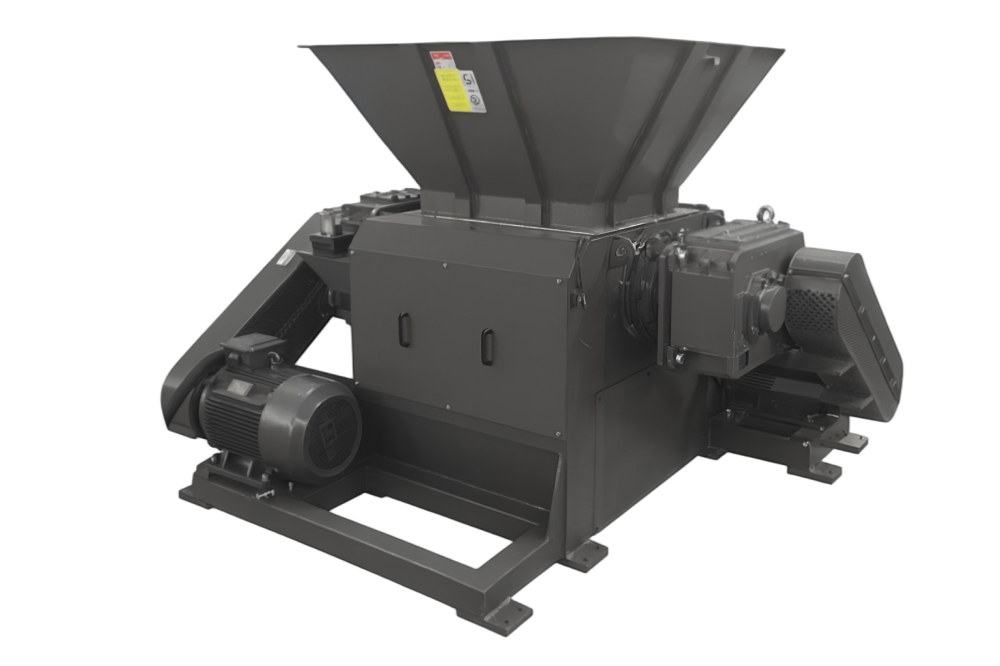
The core of the HARSLE single-shaft shredder lies in its heavy-duty rotor design. Engineered from high-strength alloy steel, the rotor is designed to resist deformation even under extreme load. The cutters are typically mounted in a staggered pattern, which maximizes the shearing force and ensures a smooth, continuous cutting action. This design minimizes the shock loads transmitted to the gearbox, extending the lifespan of the entire drive train.
The hydraulic ram system is another technical highlight. In a single-shaft shredder, the ram pushes the material toward the rotor at a controlled rate. This ensures that the rotor is always fed with an optimal amount of material, preventing the machine from being overwhelmed. The PLC-controlled system monitors the motor load in real-time; if the load exceeds a pre-set threshold, the ram automatically retracts, and the rotor reverses direction to clear any potential jams. This “smart” operation is what allows HARSLE machines to run autonomously for long periods.
The screen system is the final arbiter of quality. HARSLE offers a variety of screen hole diameters, allowing operators to switch between different output requirements quickly. The screens are mounted in a way that allows for rapid removal and replacement, minimizing downtime during changeovers. Furthermore, the discharge system can be customized to include magnetic separators, which are essential for removing ferrous contaminants from non-ferrous waste streams, thereby increasing the purity of the final recyclable flakes.
Power transmission is handled by high-efficiency motors coupled with heavy-duty gearboxes. These components are selected to provide the high torque necessary for shredding tough materials at relatively low rotational speeds. This low-speed operation is a significant advantage, as it results in lower noise levels, reduced dust generation, and lower energy consumption compared to high-speed granulators. The combination of these technical features creates a machine that is both powerful and precise, capable of handling the most demanding industrial waste streams.
Selection Advice: Choosing the Right Shredder
Selecting the right single-shaft shredder requires a thorough audit of your waste output. Start by categorizing your waste: is it primarily metallic, plastic, wood, or a mixture? Metal fabrication plants often deal with mixed scrap, which requires a more robust blade material and a higher torque rating. If you are processing large volumes of thin sheet metal, a shredder with a wider rotor width will be more efficient, as it prevents the material from bridging or tangling.
Consider the throughput capacity requirements. It is a common mistake to purchase a machine that barely meets your current needs. As your production grows, your waste output will likely increase as well. It is often more cost-effective to invest in a machine with 20-30% excess capacity to accommodate future growth and to ensure that the machine is not constantly running at its maximum limit, which can accelerate wear and tear.
Evaluate the after-sales support and availability of spare parts. Shredder blades are consumable items; they will eventually need to be sharpened or replaced. Choosing a manufacturer like HARSLE, which maintains a robust supply chain for wear parts, ensures that your machine remains operational. Ask about the ease of blade replacement—can it be done by your in-house maintenance team, or does it require a specialized technician? The ability to perform quick, in-house maintenance is a significant advantage for operational continuity.
Finally, look for customization options. Does the manufacturer offer custom hopper designs? Can the discharge height be adjusted to fit your existing bin or conveyor system? HARSLE prides itself on tailoring its equipment to the specific needs of the client. By discussing your layout and material specifications with our engineering team, you can ensure that the shredder you receive is not just a standard unit, but a bespoke solution designed to integrate seamlessly into your facility.
Häufig gestellte Fragen (FAQ)
1. What materials can a single-shaft shredder process?
A single-shaft shredder is highly versatile and can process a wide range of materials, including aluminum scrap, steel offcuts, copper wiring, plastics, rubber, wood, and even electronic waste. The key is to select the correct blade configuration and rotor speed for the specific material hardness.
2. How often should the blades be sharpened?
The frequency of blade sharpening depends on the volume and abrasiveness of the material being processed. In a typical metal fabrication environment, we recommend a visual inspection every 200-500 operating hours. High-quality alloy blades, when properly maintained, provide a long service life before requiring professional sharpening.
3. Can the shredder handle mixed waste?
Yes, HARSLE shredders are designed to handle mixed waste streams. However, if the waste contains high levels of contaminants like concrete or stone, it is important to inform our engineers during the selection process, as these materials can cause excessive wear on the cutting tools.
4. What is the benefit of uniform flakes?
Uniform flakes have a higher bulk density, which reduces transportation costs. Furthermore, they are easier to feed into melting furnaces or secondary processing equipment, leading to more consistent product quality and lower energy consumption during the recycling process.
5. How does the PLC control system improve efficiency?
The PLC system monitors the motor load and automatically adjusts the feeding rate via the hydraulic ram. This prevents the machine from jamming, optimizes the throughput, and protects the motor from electrical overloads, ensuring a smooth and reliable operation.
Conclusion: The Future of Sustainable Fabrication
The Single-Shaft Shredder Case Study: Turning Industrial Waste Into Uniform Recyclable Flakes demonstrates that waste is not just a byproduct; it is a resource waiting to be reclaimed. By implementing HARSLE’s shredding technology, fabrication facilities can significantly reduce their environmental footprint while simultaneously creating a new revenue stream through the sale of high-quality, uniform recyclable flakes. The transition to an automated, efficient waste management system is a hallmark of a modern, forward-thinking manufacturing enterprise.
Investing in the right machinery is a long-term commitment to quality and sustainability. HARSLE remains dedicated to providing the industrial sector with robust, reliable, and efficient shredding solutions that stand the test of time. As the industry continues to evolve toward more sustainable practices, the role of high-performance shredders will only become more critical. We invite you to consult with our experts to determine how our shredding solutions can be tailored to meet the unique challenges of your production environment.
Ultimately, the success of any recycling initiative depends on the consistency of the output. By choosing a single-shaft shredder that offers precision, durability, and intelligent control, you are setting your facility up for long-term success. Whether you are looking to streamline your internal processes or contribute to a greener global supply chain, HARSLE is your partner in industrial excellence. Let us help you turn your waste into your next competitive advantage.