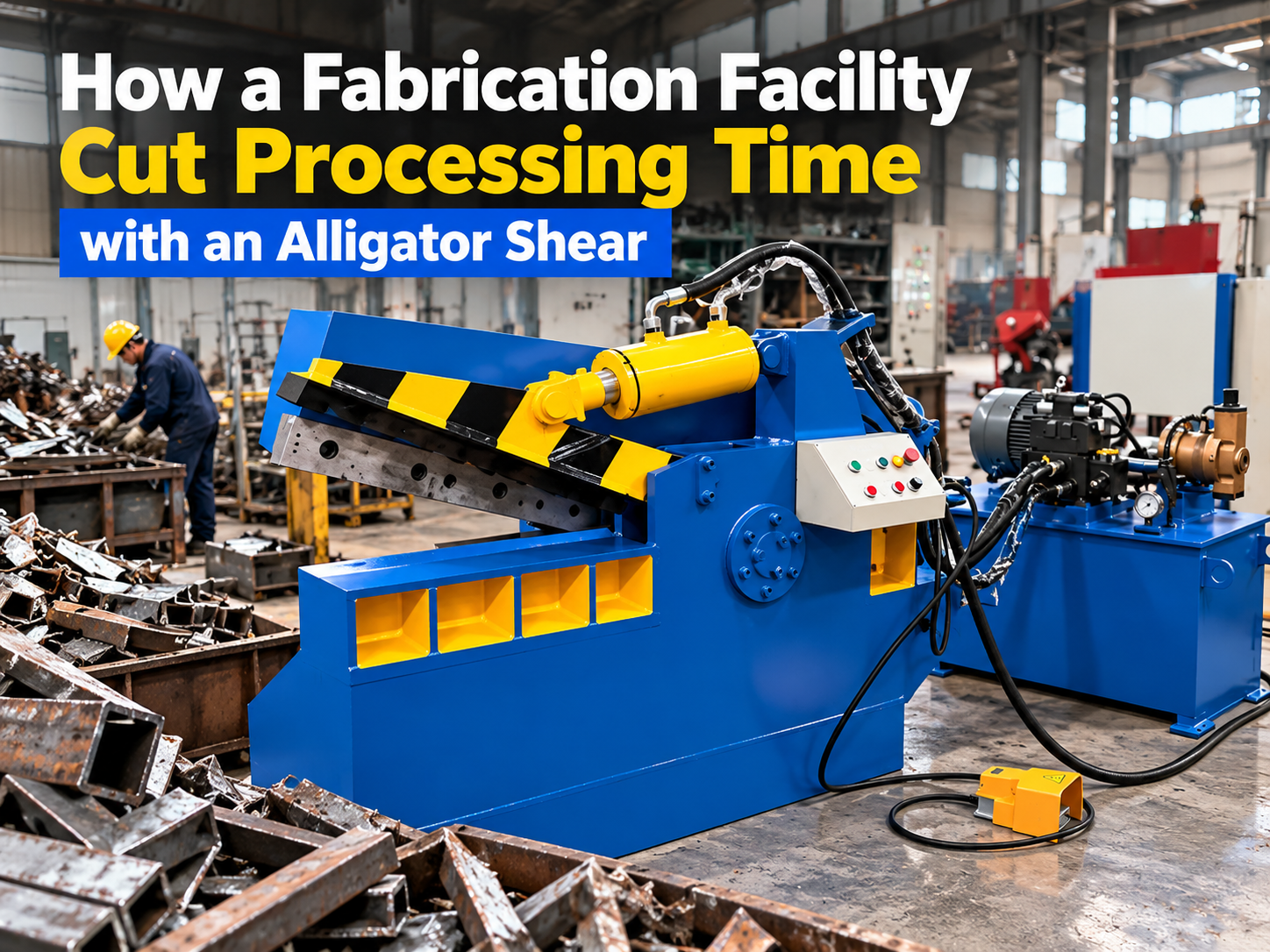
How a Fabrication Facility Cut Processing Time with an Alligator Shear: A HARSLE Case Study

Introduction: The Efficiency Challenge in Metal Fabrication
In the high-stakes world of metal fabrication, time is the most valuable currency. For many facilities, the bottleneck often lies in the initial stages of production: the processing of raw scrap, structural profiles, and oversized metal stock. When a mid-sized fabrication plant recently approached HARSLE, they were struggling with outdated manual cutting methods that were not only labor-intensive but also created significant production delays. The solution was clear: they needed to modernize their cutting operations.
The facility was relying on oxy-fuel torches and manual band saws to break down heavy-duty steel profiles. This approach was slow, hazardous, and resulted in inconsistent edge quality that required secondary grinding. By integrating a high-performance HARSLE alligator shear into their workflow, the facility underwent a radical transformation. This article explores the journey of how a fabrication facility cut processing time with an alligator shear and provides a comprehensive guide for shop owners looking to replicate these results.
The alligator shear, often overlooked in favor of more complex CNC machinery, remains a workhorse of the metal recycling and fabrication industry. Its simple yet powerful design allows for rapid, cold-cutting of various metal shapes, including rebar, angle iron, and pipe. By understanding the mechanical advantages and operational efficiencies of this equipment, fabrication managers can significantly reduce their cycle times and improve overall shop throughput.
Throughout this guide, we will analyze the technical specifications that make the alligator shear a game-changer, the selection criteria for choosing the right model, and the long-term maintenance strategies that ensure peak performance. Whether you are processing scrap for resale or preparing structural steel for further fabrication, the alligator shear offers a streamlined path to profitability.
Key Considerations for Integrating Alligator Shears
When a fabrication facility decides to integrate an alligator shear, the first consideration is the material profile. Unlike a press brake or a laser cutter, an alligator shear is designed for high-force, low-precision cutting. It is ideal for breaking down long, awkward pieces of metal into manageable lengths. Managers must evaluate the maximum cross-sectional area of the materials they process daily to ensure the shear’s tonnage is sufficient.
Safety is the second critical consideration. Traditional manual cutting methods often involve sparks, fumes, and high-heat zones, which pose significant risks to workers. An alligator shear utilizes a cold-cutting process, which eliminates fire hazards and reduces the need for specialized ventilation systems. By automating the cutting action, the facility can keep operator hands away from the blade, significantly reducing the risk of workplace injuries.
Workflow integration is the third pillar of success. The placement of the alligator shear within the facility is paramount. It should be positioned at the intake point of the raw material storage area to minimize the distance that heavy stock needs to be moved. By creating a dedicated “pre-processing zone,” the facility can ensure that only cut-to-size materials enter the primary fabrication floor, thereby keeping the main production area clear of clutter and debris.
Finally, the facility must consider the skill level of the operators. While alligator shears are relatively simple to operate, training is essential to maximize efficiency. Operators should be taught how to feed material consistently, how to recognize when blades need sharpening, and how to utilize the hold-down clamps to prevent material kickback. Proper training ensures that the equipment is used to its full potential, directly contributing to the goal of reducing processing time.
Technical Details: Why the Alligator Shear Excels
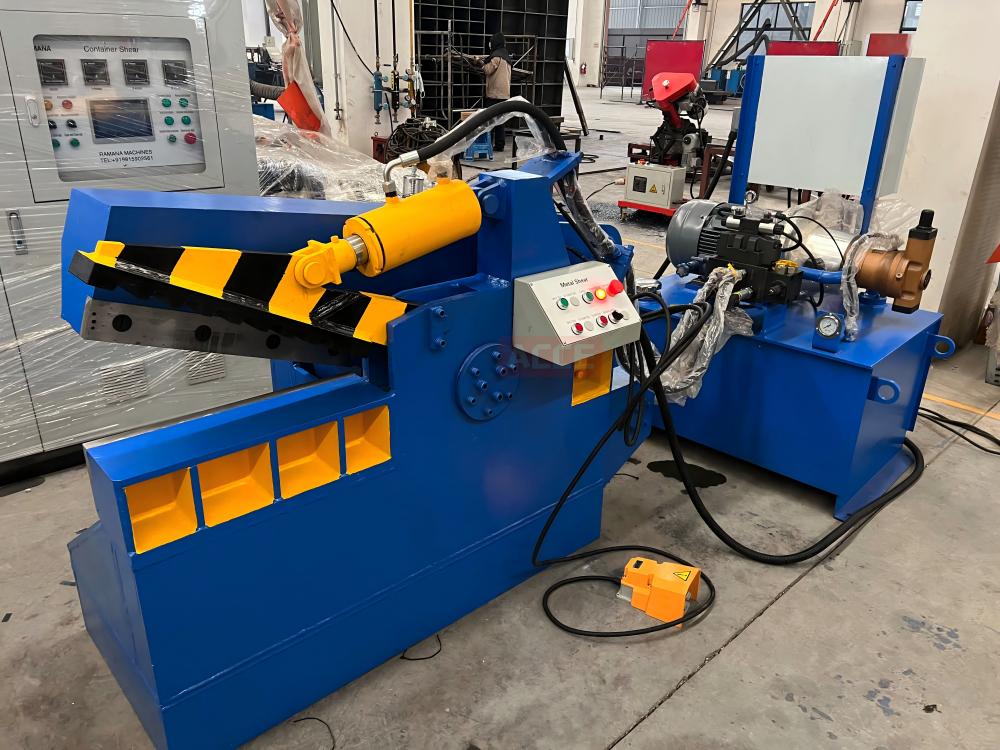
The core of the alligator shear’s performance lies in its hydraulic system. HARSLE alligator shears are engineered with high-pressure hydraulic cylinders that deliver consistent force throughout the entire cutting stroke. This is a significant advantage over mechanical shears, which may lose cutting power as the blade moves through thicker materials. The hydraulic system allows for a smooth, controlled cut that preserves the structural integrity of the metal.
Blade geometry is another technical factor that contributes to efficiency. HARSLE shears utilize high-carbon, high-chromium tool steel blades that are reversible. This design feature allows the facility to flip the blades once one edge becomes dull, effectively doubling the life of the cutting component before requiring a full replacement. This reduces downtime and maintenance costs, allowing the facility to maintain a consistent production pace.
The shear’s frame construction is built to withstand the immense stresses of repeated heavy-duty cutting. Using reinforced steel plate welding, the frame prevents deflection during the cutting process. If a frame were to flex, the blade gap would widen, leading to “burring” or incomplete cuts. By maintaining a rigid structure, the HARSLE alligator shear ensures that every cut is clean and precise, eliminating the need for secondary grinding or finishing operations.
Furthermore, modern alligator shears come equipped with adjustable stroke lengths. This is a vital feature for processing different types of materials. For smaller profiles, the operator can set a shorter stroke, which increases the number of cuts per minute. For larger, thicker profiles, the full stroke can be utilized to ensure maximum force. This versatility is exactly how a fabrication facility cut processing time with an alligator shear—by tailoring the machine’s movement to the specific job at hand.

Selection Advice: Choosing the Right Equipment
Selecting the right alligator shear requires a thorough audit of your current material throughput. Start by categorizing your materials: are you cutting mostly round bars, square tubing, or flat plate? Each shape requires a different blade configuration. For example, some blades are specifically notched to hold round stock in place, preventing it from rolling during the cut. Discussing these specific needs with a HARSLE representative is the best way to ensure the machine is configured for your specific workload.
Consider the power source and energy efficiency. While hydraulic shears are the industry standard, the size of the motor and the capacity of the hydraulic pump should be matched to your production volume. An oversized motor will consume unnecessary electricity, while an undersized motor will struggle with heavy loads, leading to overheating and premature wear. Look for models with energy-saving features, such as variable frequency drives (VFDs) that adjust motor speed based on demand.
Portability and footprint are also important. If your facility has limited floor space, look for a compact design that still offers the necessary throat depth. Some models are mounted on heavy-duty casters, allowing them to be moved to different areas of the shop as production needs shift. However, for high-volume, permanent installations, a floor-mounted, bolted-down unit is recommended to ensure maximum stability and safety.
Finally, evaluate the availability of spare parts and technical support. An alligator shear is a long-term investment. Choosing a reputable manufacturer like HARSLE ensures that you have access to genuine replacement blades, hydraulic seals, and expert technical advice. When you are looking at how a fabrication facility cut processing time with an alligator shear, remember that the reliability of the manufacturer is just as important as the specifications of the machine itself.
Maintenance and Operational Best Practices
To keep your alligator shear running at peak efficiency, a proactive maintenance schedule is non-negotiable. Daily checks should include inspecting the hydraulic fluid levels and checking for any leaks in the hoses or fittings. Even a small leak can lead to a significant drop in pressure, which will slow down the cutting speed and increase the time required to process each piece of material.
Blade maintenance is the most frequent task. Operators should be trained to listen for changes in the sound of the cut. A sharp blade makes a clean, crisp sound; a dull blade will cause the machine to labor and the material to deform. Regularly cleaning the blade area of metal shavings and debris prevents build-up that can interfere with the cutting action. Lubrication of the pivot points is also essential to ensure smooth operation and prevent excessive wear on the main hinge pin.
The hydraulic system should undergo a comprehensive service every 1,000 to 2,000 operating hours. This includes changing the hydraulic oil and replacing the filters. Contaminated oil is the leading cause of hydraulic component failure. By keeping the system clean, you ensure that the shear maintains its rated tonnage and speed throughout its entire service life, preventing the gradual slowdown that often plagues poorly maintained equipment.
Lastly, keep a log of all maintenance activities. This not only helps in tracking the lifespan of components like blades and seals but also provides valuable data for future equipment upgrades. If you notice that a specific part is failing more often than expected, it may indicate that the machine is being pushed beyond its design limits, signaling a need for a higher-capacity model or a change in operational procedures.
FAQ: Common Questions About Alligator Shears
- What materials can an alligator shear cut? Alligator shears are designed for a wide range of metals, including structural steel, rebar, pipes, angle iron, and various non-ferrous metals like copper and aluminum.
- How does an alligator shear compare to a band saw? An alligator shear is significantly faster for bulk cutting and does not require consumables like saw blades or coolant. However, it is less precise than a band saw and is not intended for high-tolerance machining.
- Can an alligator shear be used for stainless steel? Yes, but you must ensure the shear has the appropriate tonnage and that the blades are specifically hardened for stainless steel to prevent premature dulling.
- What is the primary benefit of a hydraulic alligator shear? The primary benefit is the consistent, high-force cutting power that remains stable throughout the entire stroke, combined with a cold-cutting process that is safer and faster than thermal cutting methods.
- How often should I sharpen the blades? The frequency depends on the material hardness and volume. Generally, if you notice burrs on the cut edge or the machine is struggling to complete the cut, it is time to sharpen or flip the blades.
Conclusion: Transforming Your Fabrication Workflow
The story of how a fabrication facility cut processing time with an alligator shear is a testament to the power of choosing the right tool for the job. By moving away from slow, manual, and hazardous cutting methods, the facility was able to increase its output, improve worker safety, and enhance the overall quality of its finished products. The alligator shear, with its robust hydraulic design and simple operation, proved to be the missing link in their production chain.
For any fabrication shop looking to optimize its operations, the alligator shear represents a high-return investment. It is not just about cutting metal; it is about streamlining the entire flow of materials through your facility. When you reduce the time spent on initial processing, you free up your team to focus on higher-value tasks, such as welding, assembly, and final finishing. This shift in focus is what drives growth and profitability in the competitive metal fabrication industry.
As you evaluate your own shop’s needs, consider the lessons learned from this case study. Assess your material throughput, prioritize safety, and invest in high-quality equipment that is built to last. With the right HARSLE alligator shear and a commitment to proper maintenance, your facility can achieve the same level of efficiency and success. The path to a faster, more productive fabrication shop starts with the right equipment choices today.