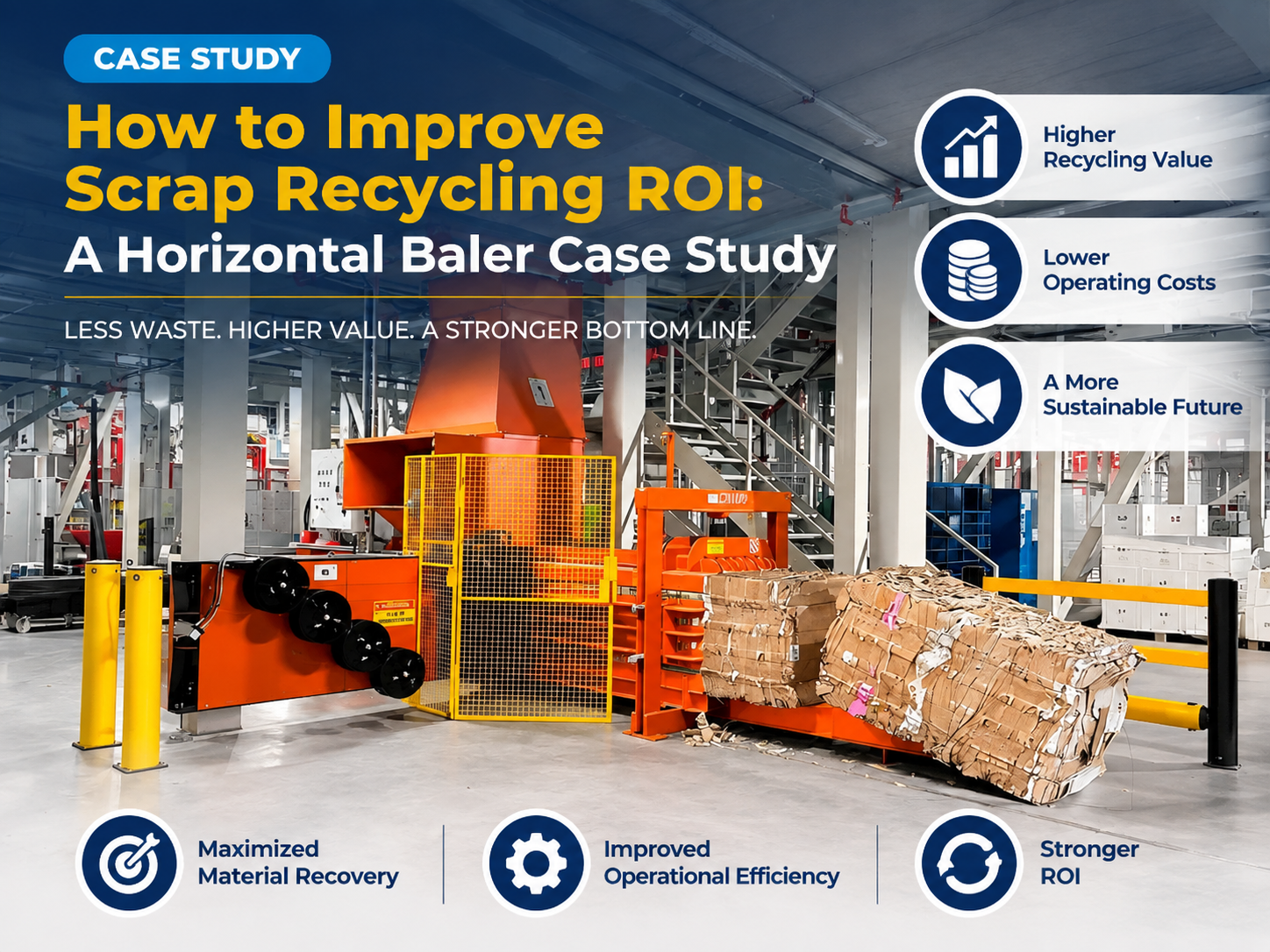
How to Improve Scrap Recycling ROI: A Horizontal Baler Case Study

Introduction: The Economic Imperative of Scrap Management
In the modern metal fabrication industry, the management of scrap material is no longer just a logistical necessity—it is a critical profit center. Many facilities treat scrap as a waste product, paying for its removal or accepting low-value bulk pricing. However, by implementing advanced compaction technology, businesses can significantly improve scrap recycling ROI. A horizontal baler case study reveals that the transition from loose scrap storage to high-density baling can transform a facility’s bottom line by reducing transportation costs, increasing material value, and optimizing floor space.
HARSLE has observed that manufacturers often overlook the hidden costs of scrap handling. Loose scrap occupies vast amounts of warehouse space, requires frequent, inefficient pickups, and is often contaminated, leading to lower market prices. By utilizing a horizontal baler, companies can create uniform, high-density bales that are highly sought after by recycling centers and smelters. This article explores the technical and operational shifts required to maximize these returns.
The focus of this guide is to provide a comprehensive look at how to improve scrap recycling ROI through a horizontal baler case study. We will examine the lifecycle of scrap, the mechanical advantages of horizontal compression, and the strategic selection of equipment. Whether you are a small fabrication shop or a large-scale industrial plant, understanding these dynamics is essential for maintaining a competitive edge in an increasingly circular economy.
As we delve into the technical specifications and operational best practices, keep in mind that the goal is to minimize the ‘cost-per-ton’ of handling. Every square foot of your facility and every hour of labor spent managing waste should be optimized. Through the lens of our case study, we will demonstrate how HARSLE equipment serves as the backbone of an efficient, high-yield recycling program.
Key Considerations for Scrap Recycling Efficiency
To truly improve scrap recycling ROI, facility managers must first conduct a thorough audit of their current waste stream. This involves identifying the types of metal being produced, the volume generated daily, and the current logistics of removal. A common mistake is failing to segregate materials. High-value alloys, when mixed with low-grade carbon steel, lose their premium market value. A horizontal baler allows for the efficient processing of segregated streams, ensuring that each bale meets the purity standards required for maximum payout.
Logistics and transportation represent the largest variable costs in scrap management. When scrap is loose, you are essentially paying to transport air. A horizontal baler dramatically increases the density of the material, allowing for more weight to be loaded onto a single truck. In our case study, a client reduced their monthly transportation costs by 40% simply by achieving the density requirements for full-load shipping. This is a direct contribution to the bottom line that compounds over the fiscal year.
Space utilization is another critical consideration. In a fabrication environment, floor space is expensive. Loose scrap bins are cumbersome and often end up in production areas, creating safety hazards and workflow bottlenecks. By centralizing scrap processing with a horizontal baler, companies can reclaim valuable square footage. This allows for the expansion of production lines or the addition of new machinery, further increasing the overall productivity of the facility.
Finally, consider the labor component. Manual handling of scrap is time-consuming and physically demanding. Automated horizontal balers reduce the need for manual loading and sorting, allowing staff to focus on high-value production tasks. By streamlining the scrap flow, you reduce the risk of workplace injuries and lower the overhead associated with waste management labor. This holistic approach is the foundation of any successful ROI improvement strategy.
Technical Details: Why Horizontal Balers Outperform
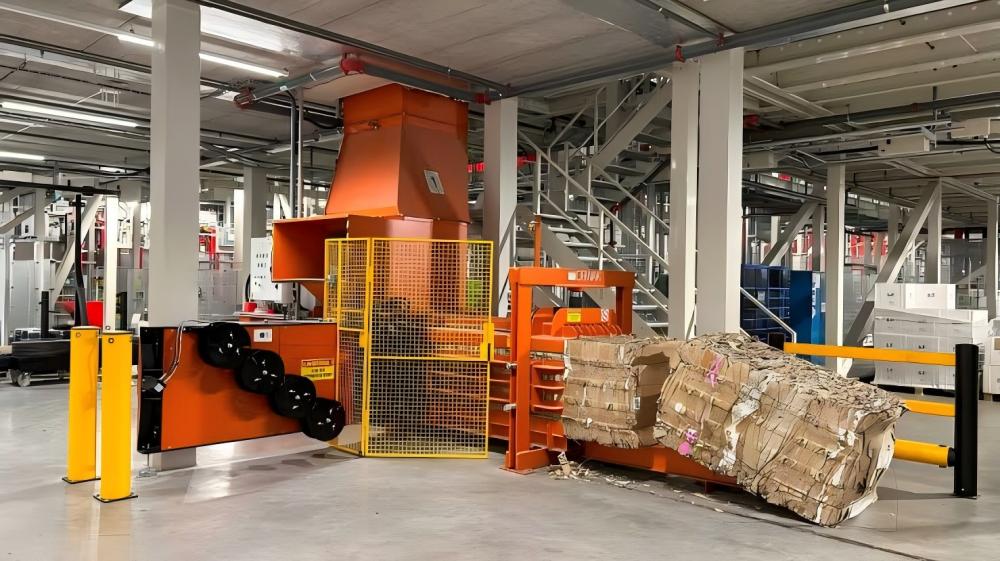
The technical superiority of a horizontal baler lies in its continuous feed capability and high-pressure hydraulic system. Unlike vertical balers, which require manual loading and intermittent operation, horizontal balers are designed for high-volume, automated workflows. They feature a large feed hopper that can be integrated with conveyor systems, allowing for a steady stream of scrap to be processed without stopping production. This continuous operation is vital for facilities with high output rates.
HARSLE horizontal balers utilize advanced PLC (Programmable Logic Controller) systems to monitor bale density and size. These systems ensure that every bale produced is consistent, which is a requirement for many industrial buyers. The hydraulic cylinders are engineered for high-force output, capable of compressing even the most resilient metal scraps into dense, stackable blocks. This consistency reduces the time required for loading trucks and ensures that the weight limits of transport vehicles are maximized.
Another technical advantage is the shear blade mechanism. Many horizontal balers are equipped with heavy-duty shear blades that cut through oversized scrap as the ram advances. This prevents jams and ensures that the machine can handle a wider variety of material shapes and sizes. This versatility is crucial for fabrication shops that produce a mix of offcuts, shavings, and sheet metal remnants. The ability to process diverse scrap types without manual pre-cutting is a significant time-saver.
Maintenance and durability are also key technical aspects. HARSLE machines are built with wear-resistant liners and high-grade steel components to withstand the abrasive nature of metal scrap. Regular maintenance, such as checking hydraulic fluid levels and inspecting shear blades, ensures that the machine remains operational for years. By investing in robust, industrial-grade equipment, you avoid the downtime associated with cheaper, less durable alternatives, thereby protecting your ROI.
Case Study: Transforming Scrap into Profit
In this case study, we examine a mid-sized metal fabrication plant that was struggling with rising waste disposal costs. The facility produced approximately 50 tons of mixed steel and aluminum scrap per month. Initially, they were using open-top dumpsters, which were picked up weekly. The cost of these pickups was high, and the scrap yard paid a low rate due to the lack of density and the mixed nature of the material.
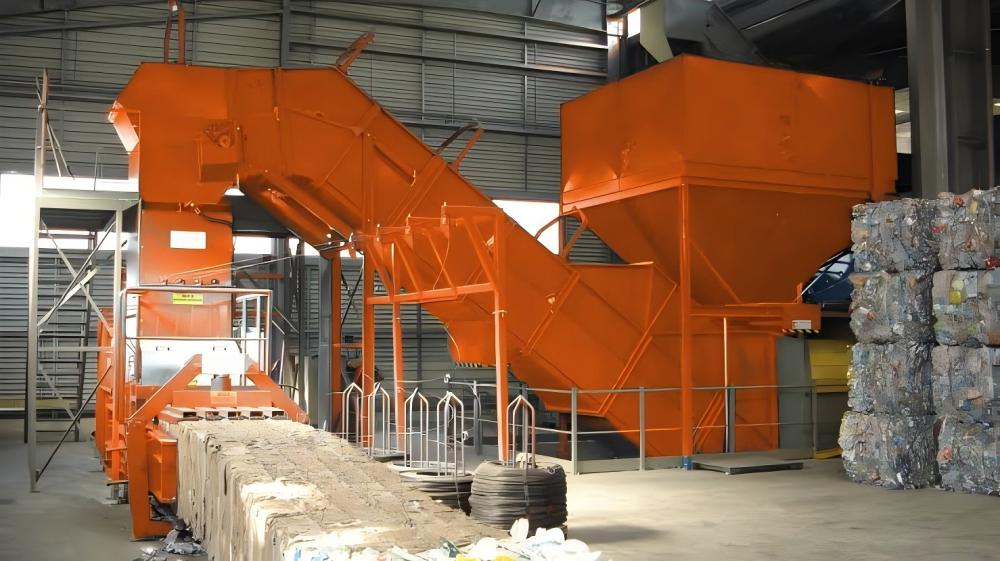
The first step in the transformation was the installation of a HARSLE horizontal baler with an automated conveyor system. The plant implemented a strict segregation policy at the source, ensuring that aluminum and steel were processed separately. The baler was set to produce high-density bales that met the specific size requirements of the local smelter. This immediate shift in processing capability allowed the facility to negotiate better pricing with the scrap buyer, who now received a clean, high-density product that required less processing on their end.
The results were immediate. Within the first six months, the facility saw a 35% increase in revenue from scrap sales. Simultaneously, the cost of transportation dropped by 50% because the number of required pickups was halved. The total ROI for the equipment investment was achieved in just 14 months. This case study demonstrates that when you improve scrap recycling ROI through a horizontal baler, the equipment effectively pays for itself while creating a permanent, recurring revenue stream.
Beyond the financial gains, the facility reported a significant improvement in workplace safety and organization. The shop floor was cleaner, and the flow of materials was more efficient. The staff felt more empowered by the new, automated process, and the overall morale improved. This case study serves as a blueprint for any fabrication shop looking to turn their waste management from a cost center into a strategic asset.
Selection Advice: Choosing the Right Baler
Selecting the right horizontal baler is a critical decision that should be based on your specific production volume and material type. Start by calculating your daily and monthly scrap output. A machine that is too small will become a bottleneck, while one that is too large may be an unnecessary capital expenditure. HARSLE offers a range of models designed to accommodate different throughput requirements, ensuring that you find the perfect fit for your operation.
Consider the feed method. If your scrap is generated in a continuous production line, an automated conveyor feed is essential. If your scrap is generated in batches or from various locations, a manual or forklift-fed hopper might be more appropriate. The integration of the baler into your existing workflow is just as important as the machine’s raw power. Consult with HARSLE engineers to design a layout that minimizes material handling and maximizes throughput.
Material type is another major factor. Are you processing thin sheet metal, heavy plate offcuts, or long, stringy turnings? Each material requires different compression forces and shear blade configurations. For example, processing long, stringy turnings requires a baler with a robust pre-compression system to prevent the material from ‘springing back’ after the ram retracts. Be transparent about your material mix during the consultation process to ensure the machine is configured correctly.
Finally, look at the long-term support and service availability. Industrial machinery requires periodic maintenance to perform at its peak. Choose a manufacturer like HARSLE that provides comprehensive technical support, readily available spare parts, and training for your operators. A baler is a long-term investment; the quality of the manufacturer’s support is just as important as the quality of the steel in the machine itself.
Buyer’s Checklist for Horizontal Balers
- Volume Assessment: Calculate your monthly tonnage to determine the required cycle time.
- Material Analysis: Identify the types of metal (steel, aluminum, copper) to ensure the shear force is adequate.
- Space Constraints: Measure your available floor space and consider the footprint of the conveyor system.
- Power Requirements: Verify that your facility’s electrical infrastructure can support the hydraulic motor requirements.
- Integration Needs: Determine if you need custom hoppers, chutes, or automated bale ejection systems.
- Serviceability: Ensure that the manufacturer offers local or remote technical support and a clear maintenance schedule.
FAQ: Common Questions About Scrap Recycling
Q: How long does it take to see an ROI on a horizontal baler?
A: While it varies based on volume and material value, most HARSLE clients see a full return on investment within 12 to 24 months. This is achieved through a combination of increased scrap value, reduced transportation costs, and improved labor efficiency.
Q: Can a horizontal baler handle mixed metals?
A: While a horizontal baler can physically compress mixed metals, it is highly recommended to segregate them. Mixing metals significantly reduces the market value of the scrap. For the best ROI, process materials in separate batches to maximize the purity and price of each bale.
Q: What maintenance is required for a horizontal baler?
A: Regular maintenance includes checking hydraulic fluid levels, inspecting and sharpening shear blades, lubricating moving parts, and ensuring the PLC sensors are clean and functional. HARSLE provides a detailed maintenance manual with every unit to guide your team.
Q: Is a horizontal baler better than a vertical baler?
A: For high-volume operations, a horizontal baler is significantly more efficient. It allows for continuous feeding and automated operation, whereas vertical balers are generally better suited for lower-volume facilities with limited floor space.
Q: How do I know which size baler I need?
A: The size is determined by your daily scrap output and the physical dimensions of your offcuts. HARSLE experts can help you analyze your production data to recommend the model that provides the best balance of performance and cost-efficiency.
Conclusion: Taking the Next Step
Improving your scrap recycling ROI is a strategic move that pays dividends in both financial performance and operational efficiency. By transitioning to a horizontal baler, you are not just buying a piece of equipment; you are investing in a more sustainable and profitable future for your metal fabrication business. The case study we explored highlights the tangible benefits of density, segregation, and automation—principles that are universal in the industry.
HARSLE is committed to providing the industrial machinery necessary to help your business thrive. Our horizontal balers are engineered for reliability, performance, and long-term value. As you evaluate your current scrap management practices, consider the potential for growth and the impact that optimized recycling can have on your bottom line. The path to a more efficient facility starts with a single, informed decision to upgrade your processing capabilities.
We invite you to reach out to our team of experts to discuss your specific needs. Whether you are looking for a standard solution or a custom-engineered system, HARSLE has the expertise to guide you through every step of the process. Don’t let your scrap remain a hidden cost—turn it into a competitive advantage today. By implementing the strategies outlined in this guide, you can ensure that your facility remains at the forefront of the metal fabrication industry.
Remember, the most successful companies are those that view every aspect of their operation as an opportunity for improvement. Scrap management is no exception. With the right equipment, the right strategy, and a commitment to excellence, you can achieve the high-level ROI that your business deserves. Contact HARSLE today to begin your journey toward a more profitable and efficient scrap recycling program.