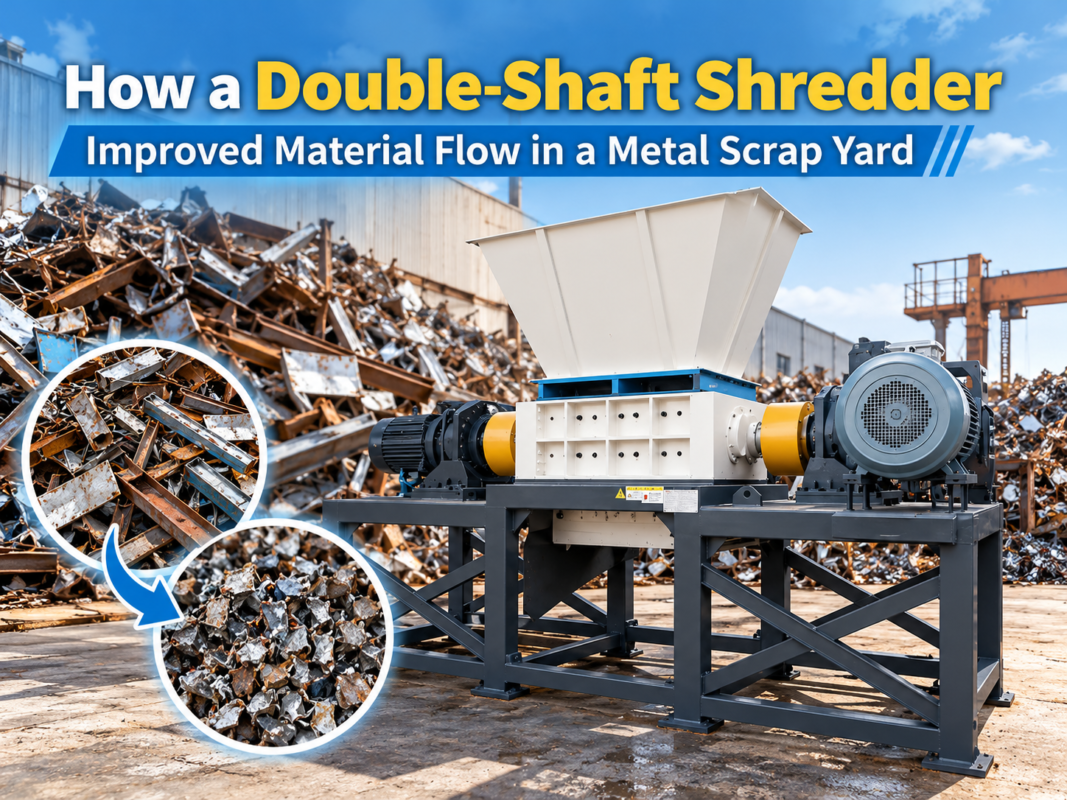
How a Horizontal Baler Helped a Fabrication Plant Maximize Floor Space: A HARSLE Case Study

Introduction
In the high-stakes world of metal fabrication, floor space is more than just square footage—it is a critical asset that dictates production flow, safety, and overall throughput. For many fabrication facilities, the accumulation of scrap metal, offcuts, and packaging materials creates a logistical bottleneck that hampers productivity. This is where the strategic implementation of industrial waste management becomes essential. We often hear from plant managers asking, ‘How can we reclaim our production floor?’ The answer frequently lies in the transition from manual waste handling to automated compaction.
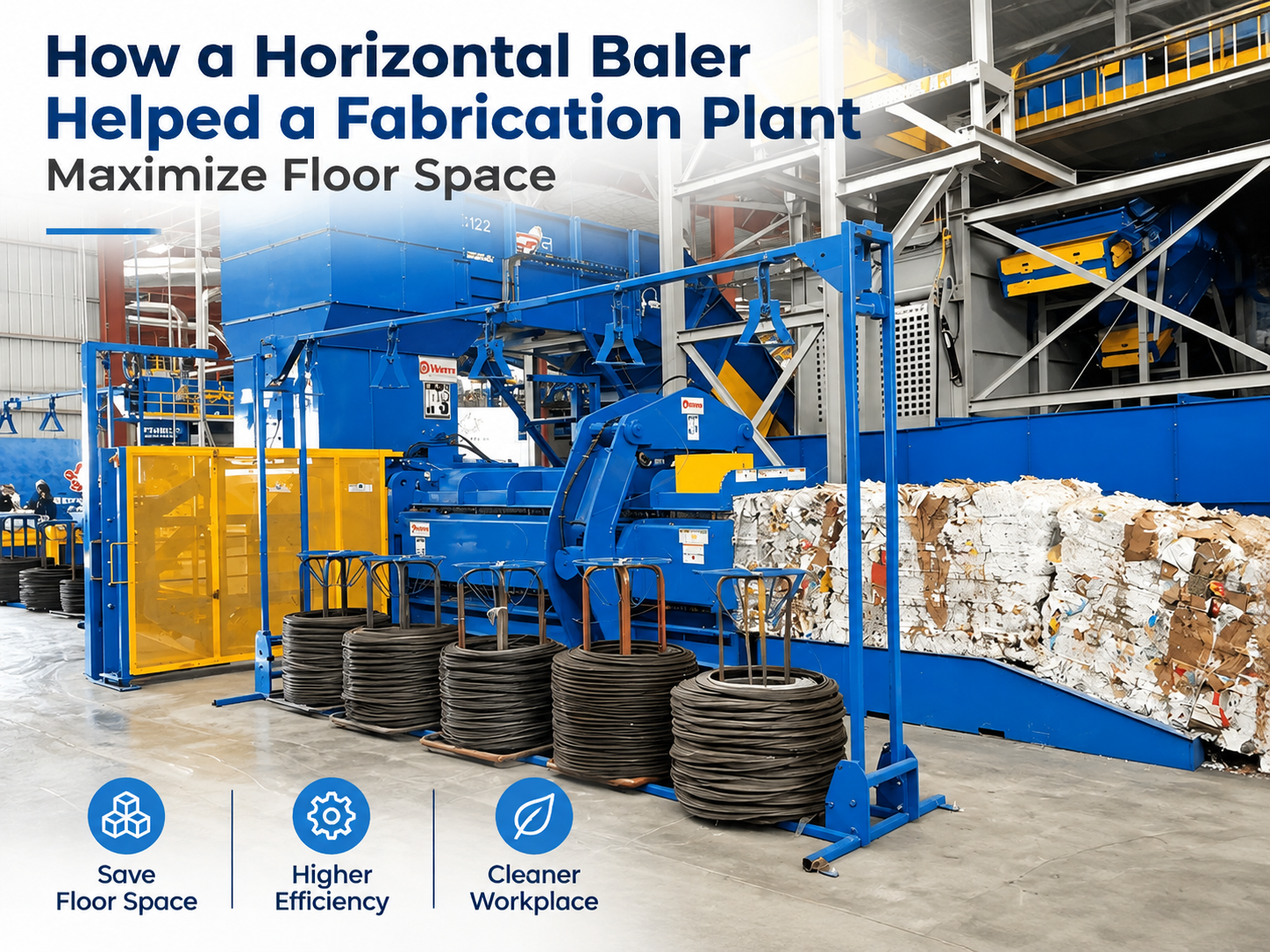
A horizontal baler helped a fabrication plant maximize floor space by transforming loose, bulky scrap into dense, stackable bales. This transition is not merely about tidiness; it is about reclaiming valuable square footage that was previously occupied by overflowing dumpsters and disorganized piles of metal remnants. By integrating a HARSLE horizontal baler, fabrication plants can streamline their waste stream, reduce the frequency of waste collection, and create a safer, more organized working environment.
This article explores the transformative impact of horizontal baling technology on industrial facilities. We will delve into the technical specifications, the operational benefits, and the strategic considerations that plant managers must evaluate when looking to optimize their facility layout. Whether you are dealing with aluminum offcuts, steel shavings, or general industrial packaging, understanding how to manage these materials efficiently is the key to scaling your fabrication business.
Key Considerations for Floor Space Optimization
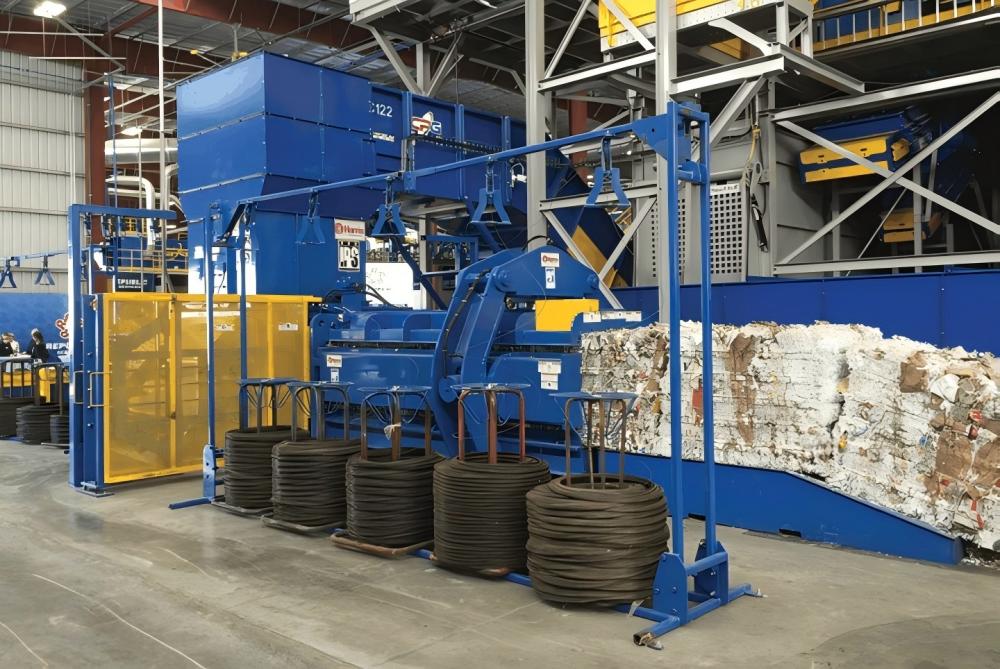
When evaluating the layout of a fabrication plant, the primary goal is to minimize the distance between raw material intake and finished product output. However, waste accumulation often forces machines to be spaced further apart, or worse, forces operators to navigate around hazardous scrap piles. A horizontal baler helps a fabrication plant maximize floor space by centralizing waste collection at the point of generation or at a dedicated staging area, effectively removing the need for sprawling waste containers.
The first consideration is the footprint of the baler itself versus the footprint of the waste it replaces. Traditional dumpsters are inefficient; they hold air as much as they hold scrap. A horizontal baler compresses material at high pressure, reducing the volume of waste by up to 90%. This means that one bale can replace several large, bulky containers, allowing you to reclaim the floor space previously dedicated to storage and staging.
Safety is another critical factor. Loose metal scrap is a significant hazard in any fabrication environment, leading to trip-and-fall incidents and potential lacerations. By utilizing a horizontal baler, the scrap is immediately processed into a compact, manageable form. This keeps the aisles clear and ensures that the plant floor remains compliant with OSHA and other international safety standards, which in turn boosts employee morale and operational speed.
Finally, consider the logistics of waste removal. If your facility relies on frequent pickups from waste management services, you are likely losing time and money. A baler allows you to store more material in a smaller area, meaning you can wait for full truckloads before scheduling a pickup. This reduces the traffic of waste collection vehicles in your facility, further freeing up space and reducing the administrative burden of managing waste logistics.
Technical Details of HARSLE Horizontal Balers
HARSLE horizontal balers are engineered for high-performance environments where reliability and throughput are non-negotiable. At the heart of these machines is a robust hydraulic system designed to exert consistent, high-tonnage pressure. This pressure is essential for creating dense, uniform bales that are easy to transport and store. The hydraulic cylinders are precision-machined to ensure longevity, even when processing challenging materials like stainless steel or heavy-gauge aluminum.
The automation features of our balers are what truly set them apart. Equipped with PLC (Programmable Logic Controller) systems, HARSLE balers can be programmed to operate automatically based on sensor input. When the feed hopper reaches a certain level, the baler initiates the compaction cycle. This ‘set-it-and-forget-it’ functionality allows your operators to focus on fabrication tasks rather than waste management, significantly increasing the overall efficiency of your plant.
Construction quality is paramount. HARSLE balers feature reinforced steel chambers and wear-resistant liners that can withstand the abrasive nature of metal scrap. The shear blades are made from high-grade hardened steel, ensuring clean cuts and preventing jams during the compaction process. This durability ensures that the machine remains a long-term asset, providing a high return on investment through reduced maintenance costs and consistent uptime.
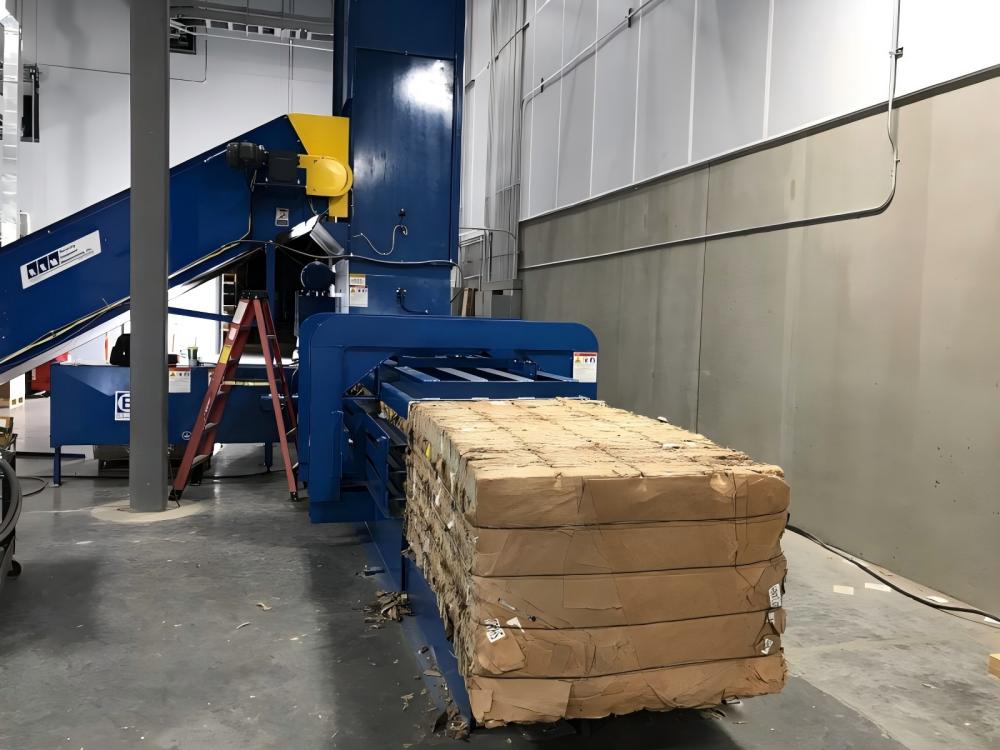
Integration with existing workflows is also a key technical advantage. HARSLE balers can be equipped with various feeding systems, including conveyor belts, pneumatic suction systems, or manual feed chutes. This flexibility allows the baler to be placed in the most logical position within your plant layout, whether that is directly adjacent to a laser cutting machine or in a centralized waste processing zone. By tailoring the feeding mechanism to your specific production line, you ensure that waste is moved efficiently without creating bottlenecks.
Selection Advice: Choosing the Right Baler
Selecting the right horizontal baler requires a thorough audit of your facility’s waste stream. You must first categorize the type of material you are generating. Are you dealing with thin-gauge sheet metal, heavy plate offcuts, or mixed industrial waste? The density and size of your scrap will dictate the required compaction force and the size of the feed opening. A baler that is undersized for your material will lead to frequent jams and premature wear, while an oversized baler may be an unnecessary capital expenditure.
Consider the volume of waste generated per shift. If your fabrication plant runs multiple shifts, you need a machine with a high cycle rate and a robust cooling system for the hydraulic fluid. HARSLE offers a range of models, from semi-automatic units for medium-volume facilities to fully automatic, high-capacity balers for large-scale industrial operations. Matching the machine’s throughput to your production volume is the most effective way to ensure a quick return on investment.
Space constraints within your facility should also be evaluated. While a horizontal baler is designed to save space, the machine itself still requires a footprint. Measure your available area carefully, including the clearance needed for maintenance access and the space required for bale ejection. HARSLE engineers can assist with site planning to ensure that the baler fits seamlessly into your existing layout, optimizing the flow of material from the production line to the baler.
Finally, look at the long-term support and serviceability. A baler is a significant investment, and you need a partner who provides comprehensive technical support, readily available spare parts, and expert guidance. HARSLE prides itself on a global service network, ensuring that your equipment remains operational and that your floor space optimization goals are met consistently over the lifespan of the machine.
FAQ: Optimizing Your Fabrication Plant
How much space can I expect to save with a horizontal baler?
Most facilities see a 70% to 90% reduction in the volume of their waste. By converting loose scrap into dense bales, you eliminate the need for multiple large dumpsters, often reclaiming hundreds of square feet of floor space.
Is a horizontal baler difficult to maintain?
HARSLE balers are designed for ease of maintenance. With regular lubrication, hydraulic fluid checks, and periodic inspection of the shear blades, these machines provide years of reliable service. We provide detailed maintenance manuals and training to ensure your team can handle routine tasks.
Can a horizontal baler handle different types of metal?
Yes, our balers are versatile. However, it is important to match the machine’s specifications to the material hardness and size. We recommend a consultation with our technical team to ensure the baler is configured correctly for your specific scrap profile.
How does a baler improve safety in the plant?
By centralizing waste and removing loose scrap from the floor, you eliminate trip hazards and reduce the risk of sharp metal injuries. It creates a cleaner, more professional environment that adheres to modern safety standards.
Fazit
The question of how a horizontal baler helped a fabrication plant maximize floor space is answered by the fundamental shift from chaotic waste accumulation to organized, automated compaction. For HARSLE clients, this transition has proven to be a catalyst for growth, allowing them to expand production capacity without the need for costly facility expansions. By reclaiming floor space, improving safety, and streamlining waste logistics, a horizontal baler becomes an integral part of a lean manufacturing strategy.
Investing in the right machinery is about more than just the equipment itself; it is about the long-term efficiency and profitability of your fabrication business. As you look to optimize your plant, consider the impact that a HARSLE horizontal baler can have on your daily operations. With the right technical specifications, proper installation, and a commitment to maintenance, you can transform your waste management from a logistical burden into a streamlined, space-saving asset.
If you are ready to reclaim your production floor and improve your facility’s efficiency, contact the HARSLE team today. Our experts are ready to conduct a site assessment and help you select the perfect horizontal baler to meet your unique fabrication needs. Let us help you turn your scrap management into a competitive advantage.