How One Recycling Plant Increased Throughput Using a Car Body Baler: A Case Study

Introduction
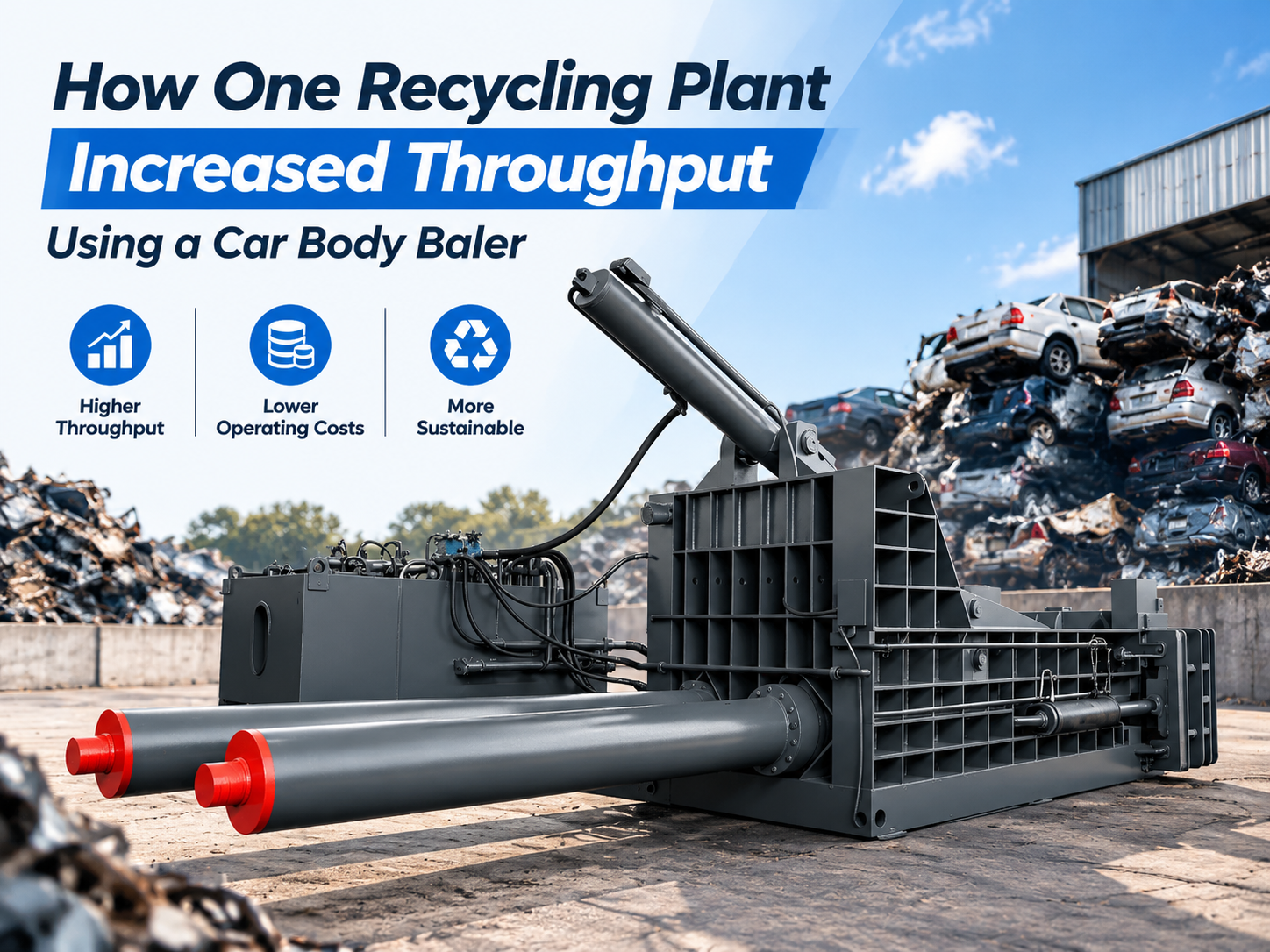
In the high-stakes world of scrap metal processing, efficiency is the primary driver of profitability. For many facilities, the bottleneck often lies in the handling and transportation of bulky end-of-life vehicles (ELVs). When a major regional recycling plant faced declining margins due to slow processing times and high logistics costs, they turned to HARSLE for a specialized solution. This article explores the transformative journey of how one recycling plant increased throughput using a car body baler, providing a blueprint for other facilities looking to modernize their operations.
The challenge was clear: the facility was receiving a high volume of vehicle shells, but their existing manual dismantling and shearing processes were unable to keep pace. The yard was becoming cluttered, transport costs were ballooning because they were shipping “air” instead of dense metal, and the overall output was stagnating. By integrating a high-performance car body baler, the plant was able to shift from a labor-intensive, slow-moving workflow to a streamlined, automated process that maximized density and minimized downtime.
This case study delves into the technical specifications, the operational shifts, and the strategic advantages that come with adopting advanced baling technology. Whether you are managing a small scrap yard or a large-scale industrial recycling center, understanding the mechanics of how one recycling plant increased throughput using a car body baler can provide the insights needed to scale your own business effectively.
HARSLE has long been at the forefront of metal fabrication equipment, and our commitment to engineering excellence is reflected in the performance of our hydraulic baling systems. By examining this real-world application, we aim to highlight not just the machine, but the systemic improvements that occur when the right equipment is matched to the right operational challenge.
Key Considerations for Scrap Yard Optimization
Before investing in heavy-duty machinery, recycling plant managers must conduct a thorough audit of their current throughput bottlenecks. The primary consideration is the physical volume of incoming scrap versus the processing capacity of the current equipment. In the case of the recycling plant in question, the management identified that their shearing equipment was being underutilized because the feed material was too bulky to be processed efficiently. By introducing a car body baler, they were able to pre-process vehicles into dense, uniform bales that could be fed directly into shears or loaded onto trucks with significantly higher weight-to-volume ratios.
Another critical factor is logistics and transportation costs. In the scrap metal industry, you are essentially paying to move weight. If your scrap is loose and uncompressed, you are paying to transport empty space. The plant realized that by increasing the density of their bales, they could fit nearly double the tonnage into a single standard shipping container or trailer. This reduction in the number of trips required to move the same amount of metal directly impacted their bottom line, turning a logistics cost center into a competitive advantage.
Safety and space management also play a pivotal role in operational efficiency. A cluttered yard is a dangerous yard. By baling car bodies, the facility was able to clear floor space, reduce the risk of accidents involving loose metal parts, and create a more organized workflow. The baler acted as a central hub, allowing the team to clear incoming vehicles from the receiving area rapidly, which in turn allowed for faster turnaround times for suppliers delivering the scrap.
Finally, the integration of the baler required a shift in workforce management. Instead of manual labor being spent on tedious dismantling, the staff was retrained to operate the baling system and manage the logistics of the finished bales. This shift not only increased the throughput of the plant but also improved job satisfaction by reducing the physical strain on workers and introducing them to more sophisticated, automated machinery. The transition was a holistic improvement that touched every aspect of the facility’s daily operations.
Technical Details of the HARSLE Baling Solution
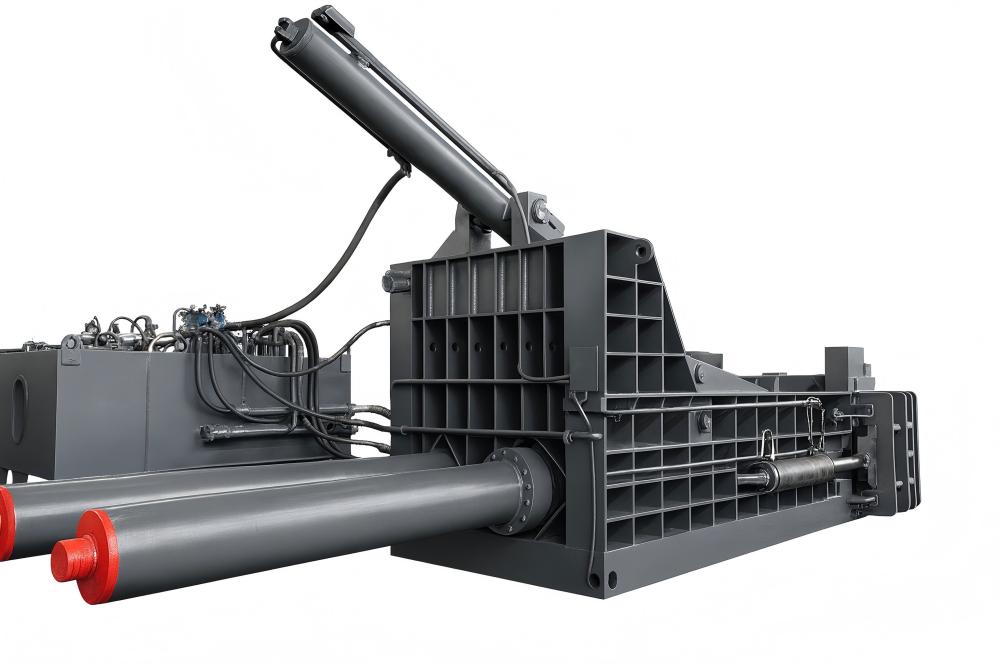
The car body baler utilized in this case study is a masterpiece of hydraulic engineering. At its core, the system features a multi-cylinder hydraulic architecture that provides the immense force required to crush a vehicle shell into a compact, high-density bale. The machine is designed with a heavy-duty steel chamber capable of withstanding the extreme pressures exerted during the compression cycle. This durability is essential for facilities that operate on a 24/7 basis, where downtime can result in significant financial losses.
The hydraulic system is equipped with advanced pressure sensors and programmable logic controllers (PLCs). These components allow the operator to adjust the compression force and cycle time based on the type of vehicle being processed. For instance, a smaller passenger vehicle requires different pressure settings compared to a heavy-duty truck chassis. The PLC ensures that the machine operates at peak efficiency, preventing energy waste and ensuring that every bale meets the strict density requirements of downstream steel mills and smelters.
Maintenance is a critical technical consideration. The HARSLE baler incorporates a modular design, allowing for easy access to hydraulic hoses, seals, and cylinders. This design philosophy was instrumental in the plant’s success, as it allowed their internal maintenance team to perform routine checks and minor repairs without needing to call in external technicians. The inclusion of an automated lubrication system further extends the lifespan of the moving parts, ensuring that the machine remains in top condition even under heavy usage.
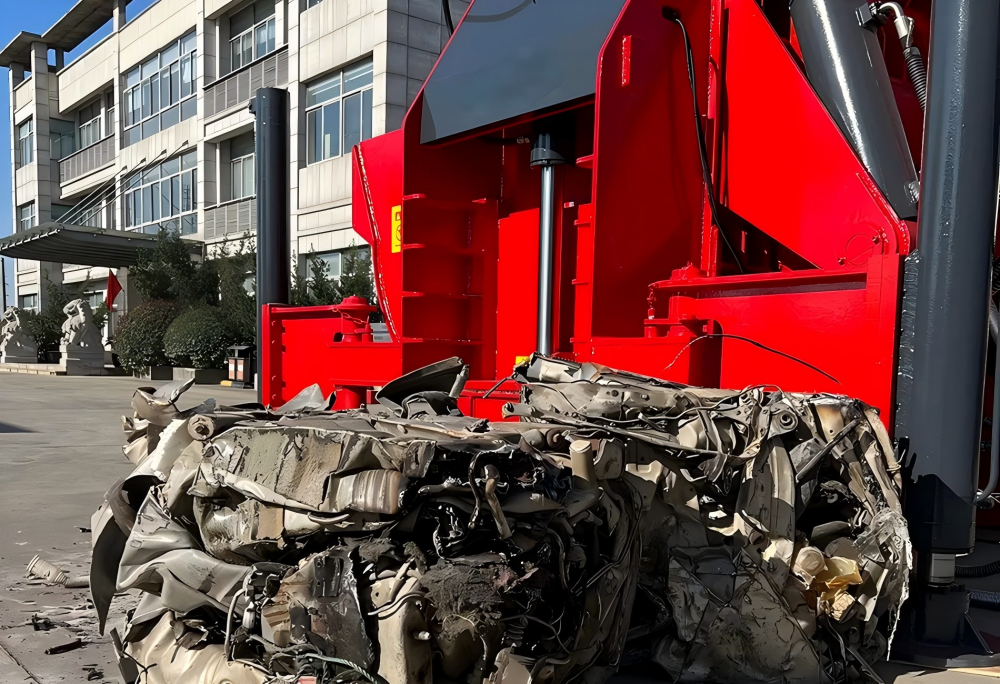
Furthermore, the baler is designed with safety interlocks and emergency stop systems that comply with international industrial standards. The loading process is facilitated by a wide-opening door, allowing for the easy placement of car bodies using a grapple or crane. Once the cycle is initiated, the machine performs a series of compressions—typically from the sides and then the top—to ensure the final bale is uniform and stable for stacking and transport. This technical precision is exactly how one recycling plant increased throughput using a car body baler, turning a chaotic pile of scrap into a refined, marketable commodity.
Selection Advice: Choosing the Right Equipment
Selecting the right car body baler is not a one-size-fits-all process. The first step is to analyze your average daily volume. If your plant processes fewer than 50 vehicles a day, a smaller, semi-automatic baler might suffice. However, for high-volume operations, a fully automated, high-pressure baler is essential to maintain the throughput levels required to remain profitable. You must also consider the physical footprint of the machine and how it fits into your existing yard layout to ensure a smooth flow of material from the receiving area to the shipping dock.
Another factor to consider is the power source. While most industrial balers are electric-hydraulic, some remote locations might benefit from diesel-powered units. HARSLE offers customizable configurations to meet these specific needs. Additionally, consider the material composition of the scrap you handle. If you are processing a mix of aluminum, steel, and other alloys, you may need a baler that offers variable pressure settings to prevent the contamination of high-value metals during the compression process.
Do not overlook the importance of after-sales support and spare parts availability. When you invest in a car body baler, you are entering a long-term partnership with the manufacturer. HARSLE provides comprehensive training for operators and maintenance staff, ensuring that your team is fully equipped to handle the machine safely and efficiently. We also maintain a robust inventory of spare parts, ensuring that any necessary repairs can be completed quickly to minimize operational downtime.
Finally, look for a manufacturer that prioritizes innovation. The recycling industry is constantly evolving, and your equipment should be able to adapt to new regulations and market demands. Whether it is integrating IoT sensors for remote monitoring or upgrading the hydraulic efficiency to reduce power consumption, choosing a forward-thinking partner like HARSLE ensures that your investment remains relevant and productive for years to come. By following these selection criteria, you can replicate the success of the plant that increased throughput using a car body baler.
Frequently Asked Questions
- What is the primary benefit of using a car body baler? The primary benefit is the significant increase in material density, which reduces transportation costs and improves the efficiency of downstream processing equipment like shears and shredders.
- How long does a typical baling cycle take? Depending on the model and the size of the vehicle, a cycle can take anywhere from 3 to 8 minutes. High-performance models are designed to minimize this time to maximize daily throughput.
- Does a car body baler require specialized maintenance? Yes, regular hydraulic fluid checks, seal inspections, and lubrication are necessary. HARSLE provides detailed maintenance schedules to ensure the longevity of the equipment.
- Can a car body baler process other types of scrap? While designed for car bodies, these balers are often versatile enough to process other bulky metal scrap, provided it falls within the machine’s pressure and size constraints.
- How does a baler improve yard safety? By compressing loose, jagged metal into uniform, stable bales, the baler eliminates the hazards associated with loose scrap piles and improves overall site organization.
Fazit
The journey of how one recycling plant increased throughput using a car body baler serves as a powerful testament to the impact of strategic equipment investment. By identifying the core bottlenecks in their operation and implementing a high-capacity HARSLE baling solution, the facility was able to transform its logistics, improve safety, and significantly boost its bottom line. The transition from loose scrap handling to dense, uniform baling is more than just a technical upgrade; it is a fundamental shift toward a more profitable and sustainable business model.
As the global demand for recycled metal continues to rise, the ability to process material quickly and efficiently will be the defining factor for success in the recycling industry. Whether you are looking to optimize your current facility or planning a new installation, the lessons learned from this case study are clear: the right machinery, when integrated thoughtfully into your workflow, can unlock hidden potential and drive long-term growth. HARSLE remains dedicated to providing the metal fabrication equipment and expertise necessary to help our clients achieve these goals.
If you are ready to take the next step in optimizing your recycling operations, we invite you to explore our range of car body balers and industrial machinery. Our team of experts is ready to help you evaluate your specific needs and design a solution that will help you achieve the same level of success. Remember, the key to staying competitive is not just working harder, but working smarter with the right tools at your disposal.