How a Vertical Baler Helped a Hardware Plant Organize Mixed Waste and Improve Safety

Introduction
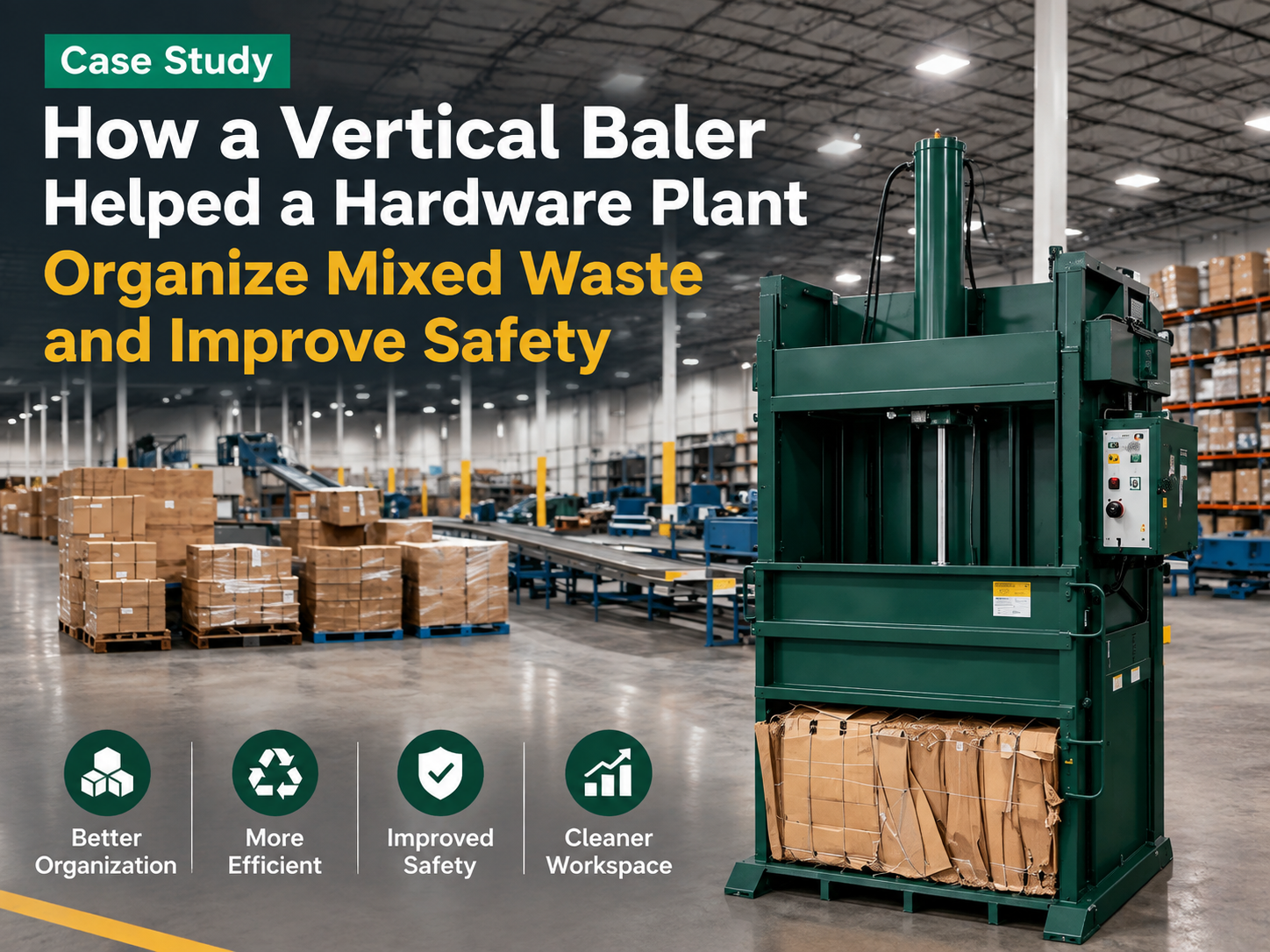
In the high-paced environment of a modern hardware manufacturing plant, the accumulation of waste is an inevitable byproduct of production. From discarded cardboard packaging and plastic films to light metal scraps and offcuts, the sheer volume of mixed waste can quickly overwhelm floor space. For many facility managers, this clutter is not just an eyesore; it is a significant operational bottleneck and a major safety hazard. When a leading hardware manufacturer approached HARSLE, they were struggling with overflowing bins, fire risks, and inefficient logistics. The solution was clear: A vertical baler helped a hardware plant organize mixed waste improve safety, transforming their facility from a chaotic workspace into a streamlined, lean operation.
Waste management is often overlooked in the broader scope of industrial production, yet it directly impacts the bottom line. When waste is left loose, it occupies valuable square footage that could be used for additional machinery or storage. Furthermore, loose waste creates trip hazards and provides fuel for potential fires. By implementing a vertical baler, the plant was able to consolidate these materials into dense, manageable bales. This transition not only improved the aesthetic of the plant but also created a safer environment for employees, reducing the risk of workplace accidents and streamlining the flow of materials through the production line.
This article explores the transformative journey of this hardware plant, detailing the technical considerations, the selection process, and the long-term benefits of integrating HARSLE vertical balers into a metal fabrication environment. Whether you are managing a small workshop or a large-scale hardware manufacturing facility, understanding the role of baling technology is essential for modernizing your waste management strategy.
Key Considerations for Waste Management in Hardware Plants
Before investing in a vertical baler, it is crucial to analyze the specific waste stream of your facility. Hardware plants typically produce a diverse range of materials, including heavy-duty cardboard boxes from raw material shipments, plastic shrink wrap, and occasionally thin-gauge metal scraps. The first consideration is the volume and frequency of waste generation. If your plant produces a high volume of waste daily, a manual-feed baler might be insufficient, necessitating a semi-automatic or high-capacity hydraulic system.
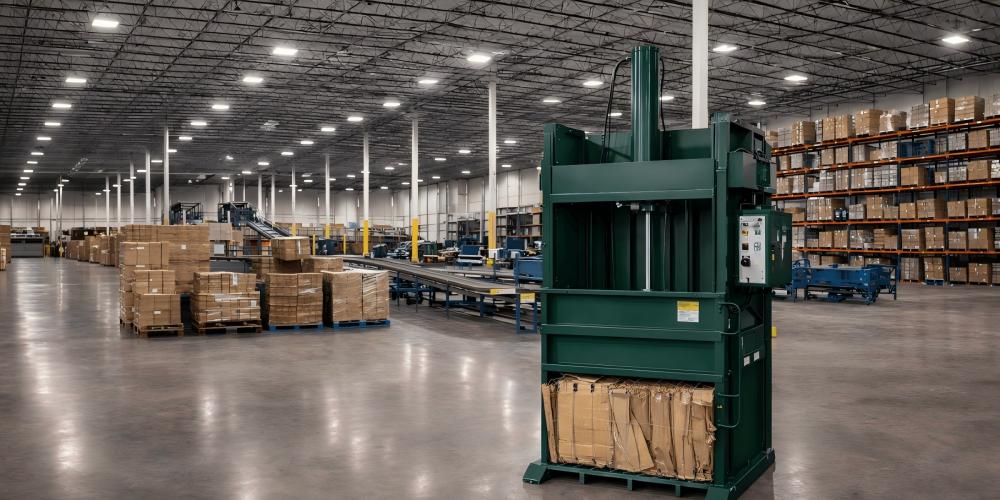
Space constraints are another critical factor. In many hardware plants, floor space is at a premium. Vertical balers are specifically designed to have a small footprint, making them ideal for facilities where horizontal balers would be impractical. By utilizing vertical space, these machines allow plants to process waste without sacrificing valuable production area. When planning the installation, consider the proximity of the baler to the primary waste generation points to minimize the distance employees must travel to dispose of materials.
Safety compliance is a non-negotiable aspect of industrial management. Loose waste, particularly cardboard and plastic, is highly flammable and can contribute to rapid fire spread. By compressing this waste into dense bales, the plant significantly reduces the surface area exposed to oxygen, thereby lowering the fire risk. Additionally, organized waste management prevents the accumulation of debris in walkways, which is a leading cause of slips, trips, and falls in manufacturing environments. A vertical baler helps a hardware plant organize mixed waste and improve safety by centralizing the disposal process.
Finally, consider the potential for revenue generation. Many recycling facilities pay for high-quality, sorted bales of cardboard and plastic. By baling waste on-site, a hardware plant can transform a cost center—waste disposal fees—into a potential revenue stream. This shift in perspective is vital for companies looking to improve their sustainability metrics while simultaneously optimizing their operational budget. HARSLE provides the technical expertise to ensure that the baler selected aligns with both your safety goals and your financial objectives.
Technical Details of HARSLE Vertical Balers
HARSLE vertical balers are engineered with robust hydraulic systems designed to handle the rigors of a hardware manufacturing environment. The core of the machine is the hydraulic cylinder, which provides the necessary force to compress loose materials into compact, stackable bales. These cylinders are built for durability, ensuring consistent performance even when processing dense or mixed waste streams. The structural integrity of the baler frame is equally important, as it must withstand the immense pressure exerted during the compaction cycle without warping or failing.
One of the standout features of HARSLE equipment is the user-friendly control interface. Modern vertical balers are equipped with PLC (Programmable Logic Controller) systems that allow operators to monitor the compaction process, adjust pressure settings, and receive diagnostic alerts. This level of automation ensures that the baler operates at peak efficiency while minimizing the risk of operator error. Safety features, such as emergency stop buttons, interlocked doors, and light curtains, are integrated into the design to protect personnel during operation.
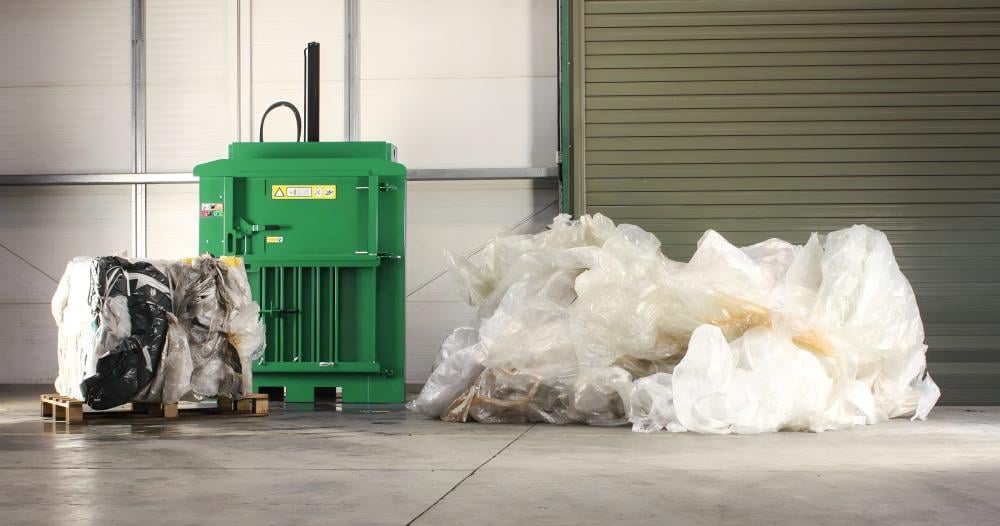
The compaction ratio is a technical specification that every plant manager should understand. A high-quality vertical baler can reduce the volume of waste by a factor of 10:1 or more. This means that ten containers of loose waste can be compressed into a single, compact bale. This drastic reduction in volume simplifies logistics, as fewer trips are required to transport the waste to a recycling center or landfill. The density of the bale is also adjustable, allowing the plant to tailor the output to the specific requirements of their waste hauler.
Maintenance is simplified through modular design. HARSLE balers are constructed with accessible components, making routine inspections and hydraulic fluid changes straightforward. By adhering to a regular maintenance schedule, plant managers can extend the lifespan of their equipment and prevent costly downtime. The use of high-grade steel and wear-resistant coatings ensures that the baler can handle the abrasive nature of some hardware waste, providing a long-term solution for facility cleanliness and organization.
Selection Advice: Choosing the Right Baler for Your Plant
When selecting a vertical baler, start by conducting a waste audit. Categorize your waste by material type, volume, and density. If your hardware plant primarily deals with cardboard and plastic, a standard vertical baler will suffice. However, if you are also processing light metal scraps, you may require a baler with reinforced platens and higher hydraulic pressure. HARSLE consultants work closely with clients to assess these variables, ensuring the machine matches the specific workload of the facility.
Consider the bale size and weight requirements. Different recycling facilities have different preferences for bale dimensions. If you plan to sell your bales, ensure that the baler you choose produces a size that is compatible with standard logistics equipment, such as pallet jacks and forklifts. A baler that produces bales that are too heavy or too large can create new safety issues during the handling and loading process, so balance is key.
Evaluate the ease of operation and training requirements. A machine that is overly complex will lead to operator frustration and potential misuse. HARSLE prioritizes intuitive design, ensuring that staff can be trained quickly and effectively. Look for features like automatic bale ejection systems, which significantly reduce the physical strain on employees and speed up the baling process. A well-designed baler should be an asset that empowers your team, not a machine that complicates their daily tasks.
Finally, look at the manufacturer’s support and warranty. Industrial machinery is a significant investment, and you need a partner who stands behind their product. HARSLE offers comprehensive after-sales support, including spare parts availability and technical guidance. When you choose a vertical baler, you are choosing a long-term partner in your plant’s operational success. Ensure that the manufacturer provides clear documentation, maintenance schedules, and responsive customer service to keep your operations running smoothly for years to come.
FAQ: Common Questions About Vertical Balers
Q: How does a vertical baler improve safety in a hardware plant?
A: By compressing loose waste, a vertical baler eliminates trip hazards, reduces fire risks associated with flammable debris, and keeps walkways clear, creating a safer working environment for all employees.
Q: Can a vertical baler handle metal scraps?
A: While standard balers are designed for cardboard and plastic, HARSLE offers specialized models capable of handling light-gauge metal scraps. It is essential to consult with our engineers to ensure the baler’s pressure and construction are suitable for your specific metal waste.
Q: How much space does a vertical baler require?
A: Vertical balers are designed to be space-efficient. They typically require a footprint of only a few square meters, utilizing vertical height to maximize compaction capacity without occupying valuable floor space.
Q: Is it difficult to train staff to use a HARSLE baler?
A: No, HARSLE balers are designed with user-friendly controls and safety interlocks. Most operators can be trained to use the equipment safely and efficiently in a very short period.
Q: Can I sell the bales produced by the machine?
A: Yes, many hardware plants generate revenue by selling baled cardboard and plastic to recycling centers. Because the material is compressed and sorted, it is often more valuable than loose, contaminated waste.
Fazit
The integration of a vertical baler into a hardware manufacturing plant is more than just a waste management upgrade; it is a strategic move toward operational excellence. As demonstrated by the success of our clients, a vertical baler helped a hardware plant organize mixed waste and improve safety, proving that even simple machinery can have a profound impact on a facility’s efficiency and culture. By reducing clutter, minimizing fire risks, and streamlining the waste disposal process, HARSLE balers provide a clear path to a cleaner, safer, and more profitable manufacturing environment.
Investing in the right equipment is the foundation of a lean manufacturing strategy. When you choose HARSLE, you are choosing a partner dedicated to the longevity and performance of your machinery. We understand the unique challenges faced by hardware plants and are committed to providing solutions that address those challenges head-on. From the initial waste audit to the final installation and training, our team is here to ensure that your investment pays dividends in safety, organization, and sustainability.
As the manufacturing landscape continues to evolve, the importance of efficient waste management will only grow. Companies that prioritize safety and organization today will be better positioned to handle the demands of tomorrow. If you are ready to transform your plant’s waste management process, contact HARSLE today to discuss how our vertical balers can help you achieve your operational goals. Let us help you turn your waste management challenges into a streamlined, efficient, and safe part of your daily production cycle.