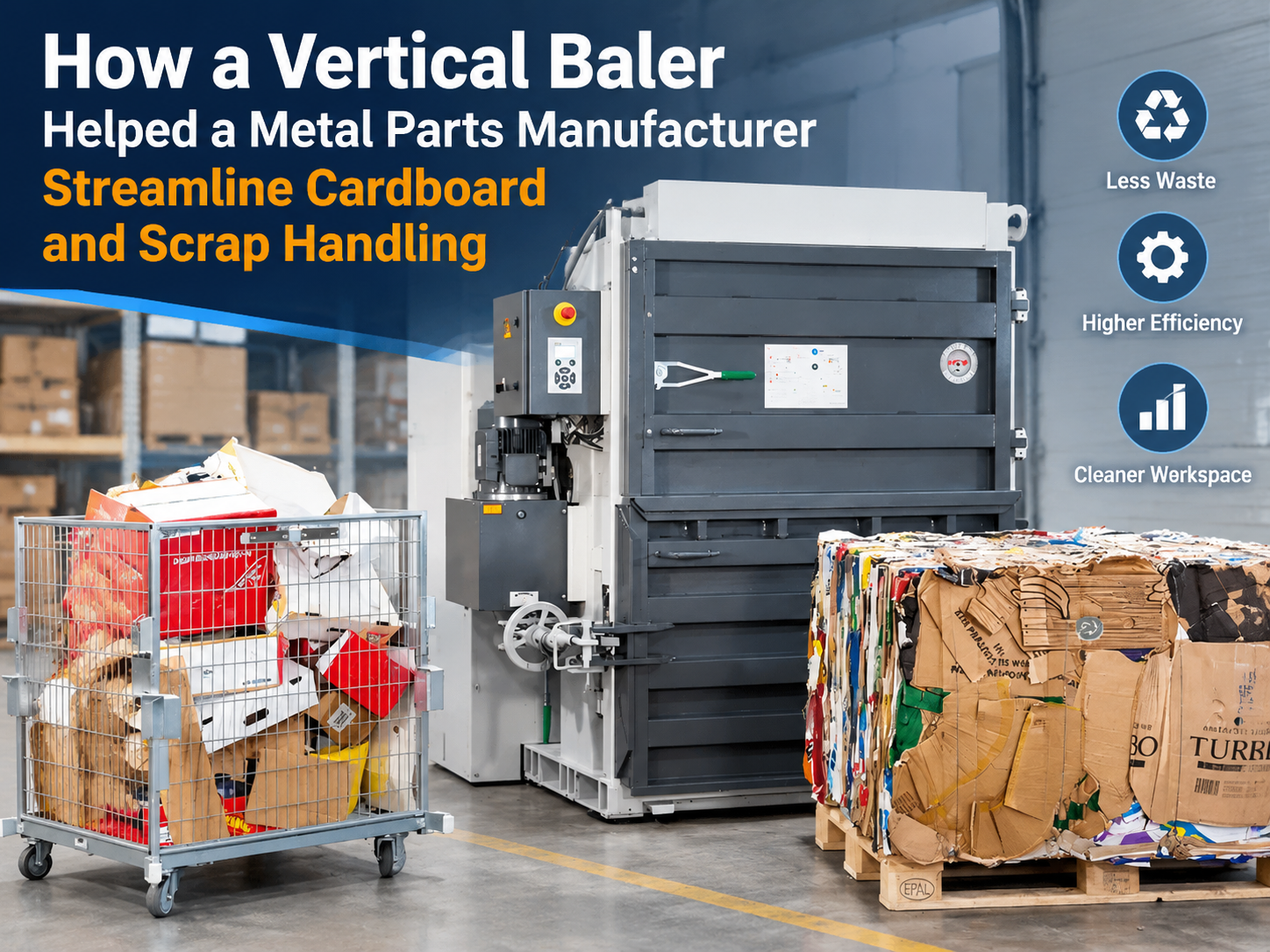
How a Vertical Baler Helped a Metal Parts Manufacturer Streamline Cardboard and Scrap Handling

Introduction
In the high-precision world of metal fabrication, the focus is often squarely on the output: the stamped parts, the bent sheets, and the welded assemblies. However, behind every successful production line lies a significant logistical challenge—waste management. For a mid-sized metal parts manufacturer, the sheer volume of cardboard packaging from raw material deliveries and the accumulation of light scrap can quickly turn a productive floor into a chaotic, hazardous environment. This is where the integration of industrial waste solutions becomes critical.
Many manufacturers overlook the hidden costs of waste. When cardboard boxes are left to pile up, they occupy valuable square footage that could be used for additional CNC machines or assembly stations. Furthermore, the labor cost associated with manually breaking down boxes and transporting loose waste to dumpsters is a silent profit killer. This article explores a real-world scenario where a vertical baler helped a metal parts manufacturer streamline cardboard scrap handling, transforming their facility from a cluttered workspace into a lean, efficient operation.
HARSLE has long been at the forefront of providing robust industrial machinery, and our vertical balers are designed specifically to meet the rigorous demands of manufacturing environments. By compressing bulky waste into dense, manageable bales, manufacturers can reclaim floor space, reduce disposal frequency, and even turn a waste stream into a potential revenue source. As we delve into this case study, we will examine the technical, operational, and financial benefits of implementing this technology.
Key Considerations for Waste Management in Metal Fabrication
When evaluating the efficiency of a metal fabrication plant, waste management is rarely the first metric considered, but it is often the most impactful regarding daily workflow. A metal parts manufacturer typically receives raw materials—such as steel coils, aluminum sheets, and precision components—wrapped in heavy-duty cardboard, plastic film, and protective foam. Without a dedicated system to handle this incoming packaging, the facility quickly becomes overwhelmed.
The first consideration is floor space utilization. In a competitive market, every square foot of a factory floor is tied to revenue generation. When cardboard waste is allowed to accumulate, it creates bottlenecks in material flow, obstructs walkways, and poses a significant fire hazard. By implementing a vertical baler, manufacturers can consolidate this waste at the point of origin, ensuring that the production area remains clear and safe for operators and material handling equipment like forklifts.
The second consideration is labor allocation. Skilled metal fabricators should be focused on operating press brakes, laser cutters, and welding stations, not spending hours breaking down cardboard boxes or hauling loose trash to an external dumpster. A vertical baler simplifies this process; employees can feed waste directly into the machine, which then handles the compaction. This shift in labor focus allows for higher productivity and better morale, as the shop floor remains organized and professional.
Finally, there is the environmental and financial impact. Many manufacturers pay for waste disposal based on the number of dumpster pickups. Loose cardboard is mostly air, meaning you are paying to transport empty space. By compressing this material into dense bales, the volume is reduced by up to 90%. This leads to fewer dumpster pickups, lower transportation costs, and often, the ability to sell the baled cardboard to recycling centers, turning a cost center into a revenue stream.
Technical Details of HARSLE Vertical Balers
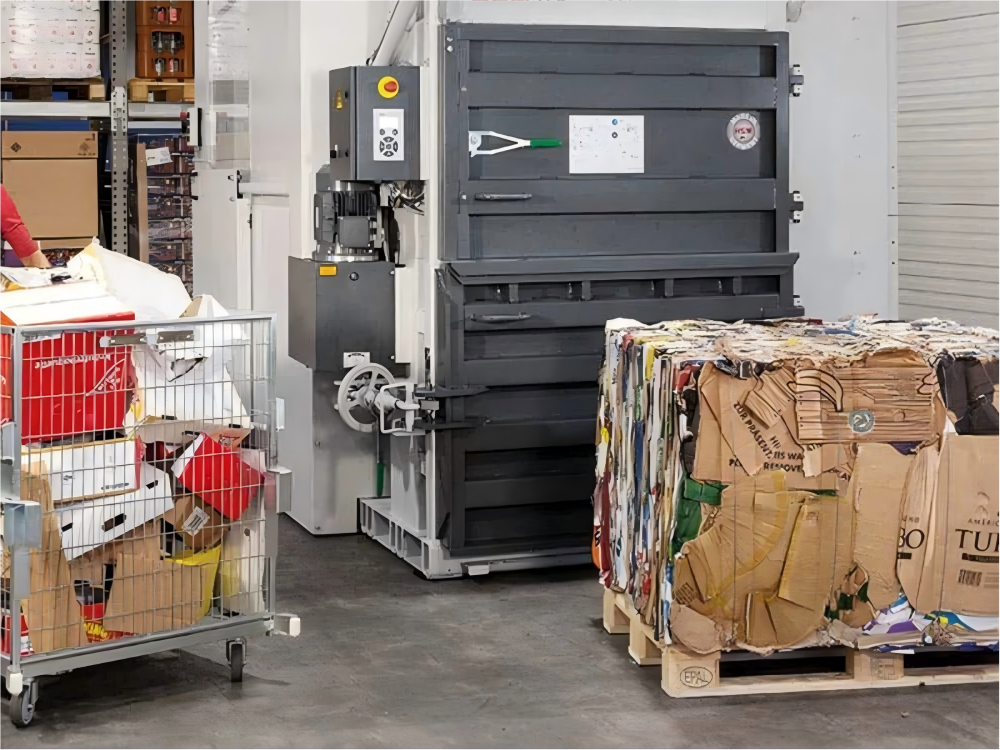
HARSLE vertical balers are engineered with the durability required for industrial settings. Unlike standard commercial balers, our industrial-grade units feature reinforced steel structures, high-pressure hydraulic cylinders, and intuitive control systems that allow for seamless integration into existing production lines. The core of the system is the hydraulic power unit, which provides the consistent force necessary to compress even the toughest industrial cardboard and light metal scrap.
One of the standout technical features is the safety interlock system. In a busy manufacturing environment, safety is paramount. HARSLE balers are equipped with dual-hand operation controls and emergency stop buttons, ensuring that the operator is always at a safe distance during the compaction cycle. Furthermore, the heavy-duty door locking mechanisms prevent accidental opening during operation, providing peace of mind for facility managers and safety officers alike.
The compaction ratio is another critical technical specification. HARSLE balers are designed to achieve high-density bales that meet the requirements of recycling facilities. This is achieved through a combination of high-tonnage hydraulic pressure and a well-engineered platen design that ensures even distribution of force. The result is a bale that is stable, easy to stack, and optimized for transport, which is essential for manufacturers looking to maximize the value of their recycled materials.
Maintenance is simplified through modular design. Our balers feature accessible hydraulic components and easy-to-read diagnostic panels. This allows maintenance teams to perform routine checks, such as oil level monitoring and seal inspections, without significant downtime. By prioritizing ease of maintenance, HARSLE ensures that the equipment remains operational for years, providing a high return on investment for the manufacturer.
Selection Advice: Choosing the Right Baler for Your Facility
Selecting the right vertical baler requires a thorough assessment of your facility’s waste output. The first step is to conduct a waste audit. Measure the volume of cardboard and scrap generated daily. Is it consistent, or does it spike during specific production runs? Understanding these patterns will help you determine the necessary bale size and the required hydraulic force. A baler that is too small will lead to constant cycling and premature wear, while one that is too large may be an unnecessary capital expenditure.
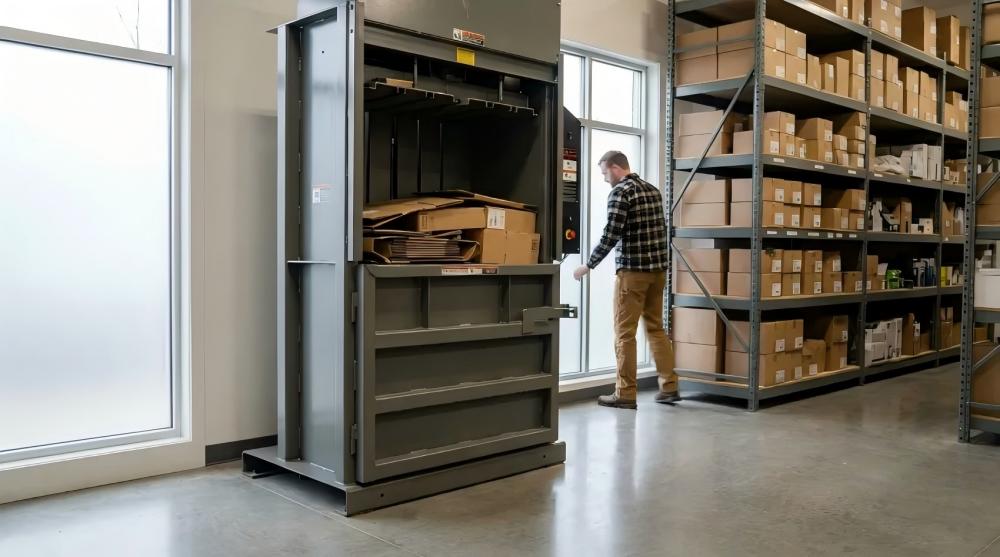
Consider the physical footprint of the machine. In a metal fabrication shop, space is at a premium. Measure the available area near your loading docks or waste collection points. HARSLE offers a range of vertical balers with varying footprints and heights to accommodate different facility layouts. It is also important to consider the ceiling height, as some high-tonnage balers require significant vertical clearance for the ram assembly.
Think about the material types you will be processing. While cardboard is the primary target for most, some metal manufacturers also need to bale light-gauge aluminum scrap or plastic film. Ensure that the baler you select is rated for the materials you intend to process. HARSLE provides technical consultations to help you match the machine’s capabilities with your specific waste stream, ensuring that you don’t over- or under-spec your equipment.
Finally, evaluate the ease of use for your staff. A baler that is overly complex will be ignored or misused. Look for features like automatic bale ejection, user-friendly control interfaces, and clear labeling. Training is also a vital component of the selection process; HARSLE provides comprehensive documentation and support to ensure your team is comfortable operating the equipment safely and efficiently from day one.
The Operational Impact: A Case Study in Efficiency
When the metal parts manufacturer in our case study first approached HARSLE, their primary complaint was the “cardboard mountain” that formed near their shipping department every afternoon. This clutter was not only an eyesore but also a bottleneck that delayed outgoing shipments. By installing a HARSLE vertical baler, they were able to implement a “process-as-you-go” strategy. Instead of piling boxes, employees now flatten them and feed them into the baler immediately upon unpacking.
The results were immediate. Within the first month, the manufacturer reported a 40% reduction in the time spent on waste management tasks. The loading dock, previously congested with loose cardboard, was now clear, allowing for faster truck turnaround times. This improvement in logistics had a ripple effect, increasing the overall throughput of the shipping department and reducing the risk of workplace accidents caused by tripping hazards.
Financially, the impact was equally impressive. The manufacturer was able to renegotiate their waste disposal contract, moving from weekly pickups to bi-weekly pickups because their waste volume had been so significantly reduced. Additionally, they began selling their high-density cardboard bales to a local recycling facility. The revenue generated from these sales, combined with the savings on disposal fees, allowed the company to recoup the cost of the baler in less than 18 months.
Beyond the numbers, the cultural shift within the factory was palpable. The shop floor felt more professional, and employees took pride in maintaining a clean, organized workspace. This case study demonstrates that a vertical baler is not just a piece of waste equipment; it is a strategic tool that enhances the overall operational excellence of a metal fabrication business.
FAQ: Frequently Asked Questions
1. How much space does a vertical baler typically require?
A vertical baler’s footprint varies depending on the model, but most industrial units require a floor space of approximately 5 to 10 square feet. It is important to account for the space required for the operator to stand and for the loading of materials, as well as the height clearance for the ram.
2. Can a vertical baler handle metal scrap?
Yes, many HARSLE vertical balers are capable of handling light-gauge metal scrap, such as aluminum offcuts or thin steel sheets. However, it is essential to consult with our technical team to ensure the specific model you choose is rated for the density and type of metal you are processing to avoid damaging the platen or hydraulic system.
3. What maintenance is required for a vertical baler?
Routine maintenance includes checking hydraulic fluid levels, inspecting hoses for leaks, cleaning the platen and chamber, and ensuring that all safety interlocks are functioning correctly. HARSLE provides a detailed maintenance schedule with every machine to ensure long-term reliability.
4. How do I know if a vertical baler is right for my business?
If you find that your facility is spending significant time and money managing loose cardboard, plastic, or light scrap, a vertical baler is likely a sound investment. If your waste volume requires more than two dumpster pickups per week, the cost savings from a baler are usually substantial.
5. Is it difficult to train employees to use a HARSLE baler?
No, HARSLE balers are designed with user-friendly controls. Most operators can be trained to use the machine safely and effectively in under an hour. We provide comprehensive manuals and safety guidelines to ensure your team is fully prepared.
Fazit
The integration of a vertical baler into a metal fabrication facility is a classic example of how small operational changes can lead to significant improvements in productivity and profitability. As demonstrated by the case study, a vertical baler helped a metal parts manufacturer streamline cardboard scrap handling, effectively turning a logistical burden into a streamlined, value-added process. By reclaiming floor space, reducing labor costs, and optimizing waste disposal, the manufacturer was able to focus on what they do best: producing high-quality metal parts.
HARSLE remains committed to providing the machinery that empowers manufacturers to succeed in an increasingly competitive global market. Whether you are looking to improve your waste management, upgrade your press brakes, or optimize your entire production line, our team is here to provide the expertise and equipment you need. Investing in the right infrastructure today ensures that your facility remains efficient, safe, and profitable for years to come.
If you are ready to take the next step in streamlining your operations, we invite you to explore our full range of industrial machinery. From heavy-duty vertical balers to precision metal fabrication tools, HARSLE is your partner in manufacturing excellence. Contact our sales team today to discuss your specific requirements and discover how we can help you transform your facility’s efficiency.