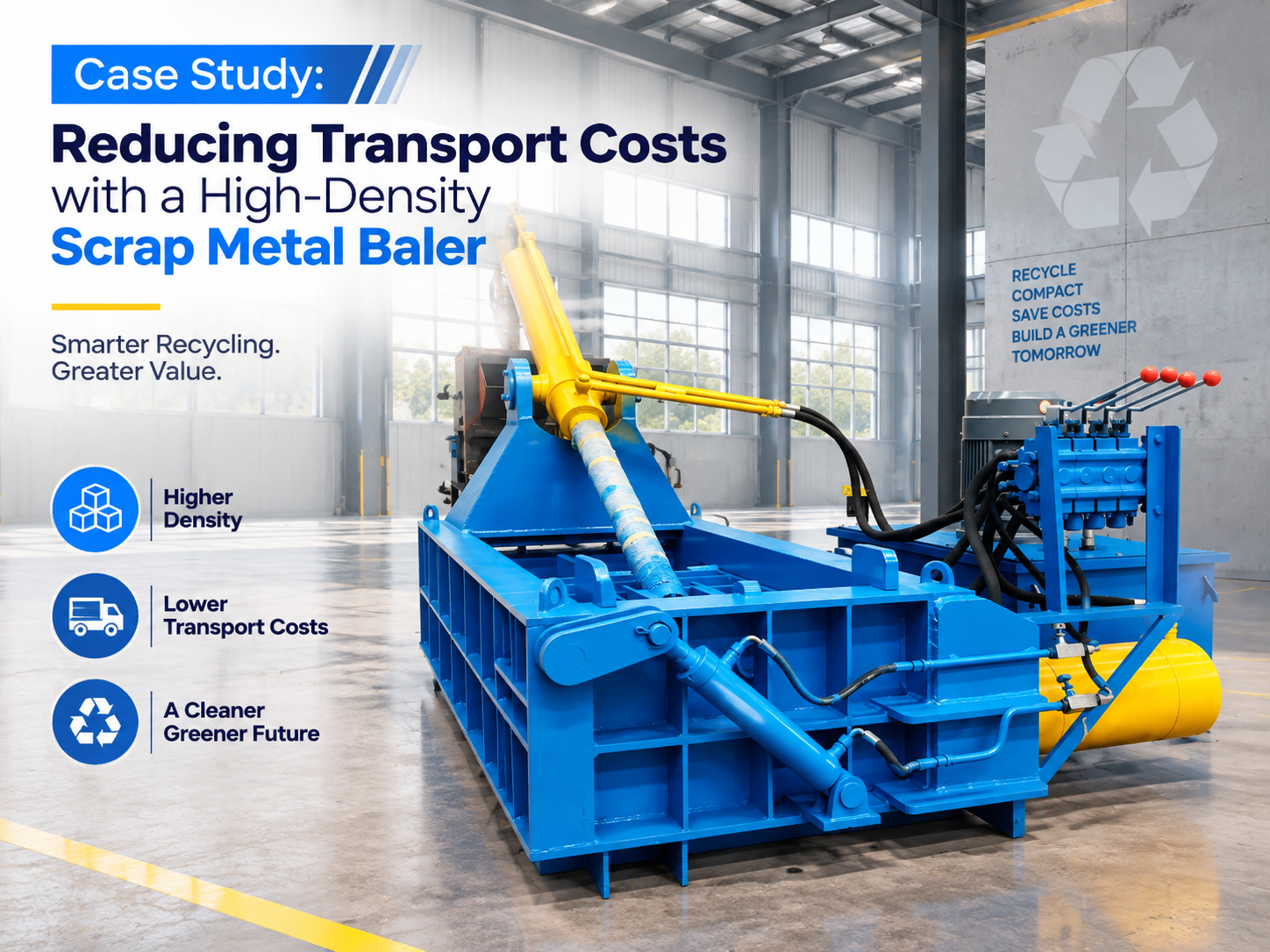
Fallstudie: Senkung der Transportkosten mit einer hochdichten Schrottballenpresse

Introduction
In the competitive landscape of modern metal fabrication, the efficiency of waste management is often the deciding factor between a profitable operation and one burdened by overhead. For many facilities, the primary challenge is not the generation of scrap metal, but the logistics of moving that scrap from the factory floor to the recycling center. This article explores a comprehensive Case Study: Reducing Transport Costs A High-Density Scrap Metal Baler, illustrating how HARSLE machinery transforms bulky, low-density waste into high-value, transportable commodities.
Transporting loose scrap metal is inherently inefficient. When metal shavings, offcuts, and sheet metal remnants are loaded into trucks in their raw state, the volume-to-weight ratio is extremely poor. Companies often find themselves paying for the transport of air, as the truck reaches its volume capacity long before it reaches its weight capacity. By implementing a high-density scrap metal baler, fabricators can drastically increase the density of their waste, ensuring that every transport vehicle is utilized to its maximum weight potential.
This case study focuses on a mid-sized metal fabrication plant that was struggling with rising logistics costs. By integrating a HARSLE industrial baler into their workflow, they were able to reduce their weekly transport requirements by over 60%. This shift not only lowered fuel and labor costs but also created a secondary revenue stream by producing high-grade, mill-ready bales that command higher prices from recycling facilities.
Throughout this article, we will examine the technical specifications, operational benefits, and strategic considerations involved in adopting this technology. Whether you are managing a small workshop or a large-scale industrial plant, understanding the mechanics of high-density baling is essential for optimizing your bottom line and improving your environmental footprint.
Key Considerations for Logistics Optimization
The primary driver for investing in a scrap metal baler is the optimization of logistics. In the metal fabrication industry, transport costs are typically calculated based on the number of trips required to clear the facility of waste. When scrap is loose, it occupies significant space, requiring frequent pickups by third-party logistics providers. Each pickup incurs a flat fee, regardless of the weight of the material being transported, which creates a significant financial drain on the business.
High-density baling changes the economic equation. By compressing metal into dense, uniform blocks, the facility can load significantly more weight into the same container or truck bed. This means that instead of paying for five trips per week, a facility might only require two. The savings in fuel surcharges, driver labor, and vehicle rental fees accumulate rapidly, often allowing the baler to pay for itself within the first eighteen months of operation.
Another key consideration is the storage footprint within the facility. Loose scrap metal is notoriously difficult to store; it requires large bins, takes up valuable floor space, and creates safety hazards for employees. A baler allows for the creation of neat, stackable bales that can be stored in a compact area until a full truckload is ready. This improves factory floor organization and allows for better utilization of space for production-related activities.
Finally, environmental compliance and sustainability goals are increasingly important. Many jurisdictions now require manufacturers to track their waste output and demonstrate efforts to minimize their carbon footprint. Reducing the number of transport trips directly correlates to lower carbon emissions associated with the logistics chain. By investing in a high-density baler, companies can align their operations with modern ESG (Environmental, Social, and Governance) standards, which can be a significant advantage when bidding for contracts with large corporations.
Technical Details of HARSLE Balers
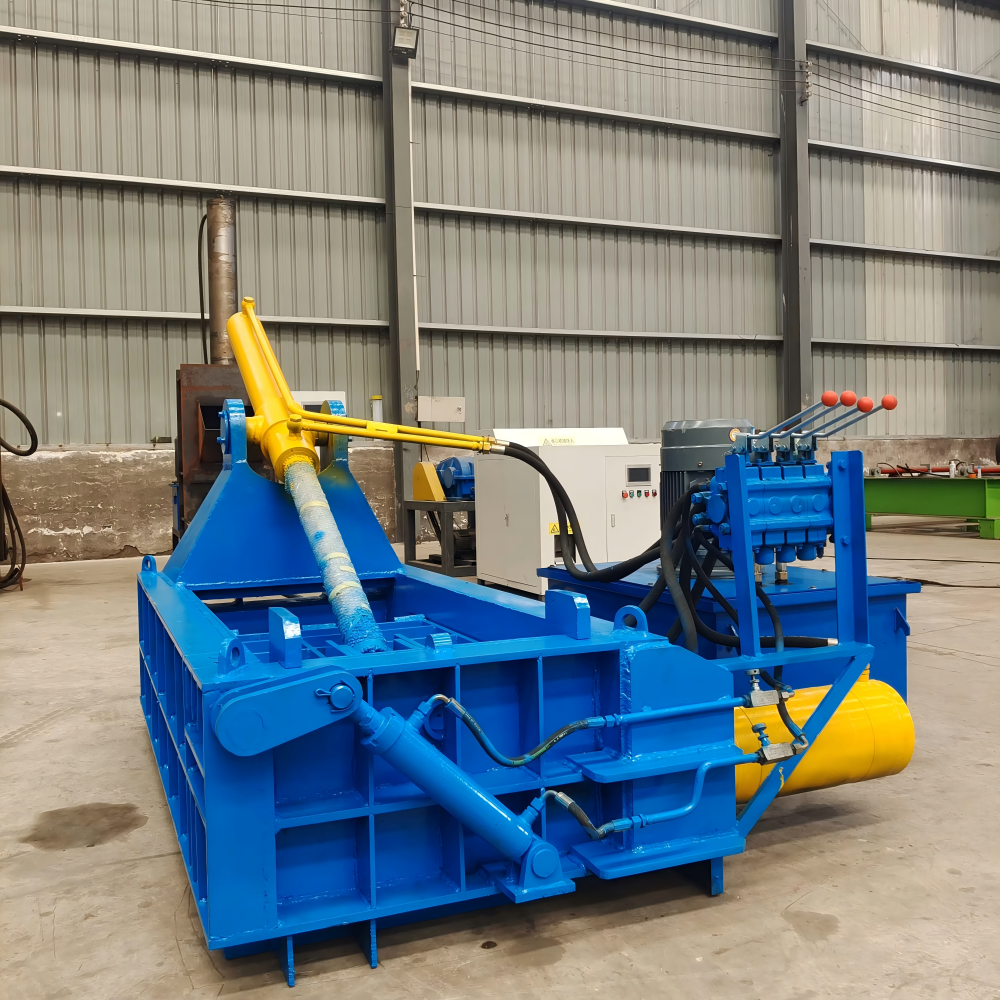
HARSLE scrap metal balers are engineered with precision hydraulics and robust structural integrity to handle the rigors of industrial metal processing. At the heart of these machines is a high-pressure hydraulic system capable of exerting immense force to compress various types of metals, including aluminum, copper, brass, and steel. The compression chamber is constructed from wear-resistant steel plates, ensuring longevity even when processing abrasive materials like stainless steel shavings.
The automation level of a HARSLE baler is a critical technical advantage. Modern units feature programmable logic controllers (PLCs) that allow operators to set specific bale sizes and densities. This is particularly useful for facilities that need to meet the strict specifications of different recycling mills. By ensuring consistent bale dimensions, the facility can guarantee that their product is always ready for immediate processing upon arrival at the recycling center, which often results in higher purchase prices for the scrap.
Safety is integrated into every aspect of the machine’s design. HARSLE balers come equipped with multiple emergency stop buttons, light curtains, and interlocked safety gates to prevent accidental operation. Furthermore, the hydraulic systems are designed with pressure relief valves to prevent overloading, protecting the machine from damage during the processing of particularly dense or oversized metal pieces. This reliability is essential for maintaining a continuous production flow without the risk of unexpected downtime.
Maintenance requirements for HARSLE balers are streamlined through modular design. Critical components such as hydraulic pumps, valves, and cylinders are easily accessible for routine inspection and servicing. The control interface provides real-time diagnostics, alerting the maintenance team to potential issues such as low oil levels or filter blockages before they lead to mechanical failure. This proactive approach to maintenance ensures that the baler remains a reliable asset for years to come.

Selection Advice: Choosing the Right Equipment
Selecting the right scrap metal baler requires a thorough analysis of your facility’s waste stream. Not all scrap is created equal; the density, volume, and type of metal you generate will dictate the required compression force. For example, a facility processing thin aluminum sheets will have different requirements than one processing heavy steel offcuts. It is essential to consult with HARSLE engineers to perform a waste audit before finalizing your purchase.
Consider the throughput requirements of your operation. If your facility generates a high volume of scrap daily, a continuous-feed baler with an automatic conveyor system may be necessary to prevent bottlenecks. Conversely, for smaller workshops, a manual-feed, vertical baler might be more cost-effective and space-efficient. The goal is to match the machine’s capacity to your peak production periods to ensure that waste never accumulates to the point of hindering production.
Space availability is another critical factor. While high-density balers are powerful, they also require a footprint that includes space for loading, bale ejection, and operator access. If floor space is at a premium, consider the vertical orientation of certain HARSLE models, which offer a smaller footprint while still providing the necessary compression force. Always account for the logistics of moving the finished bales out of the building, ensuring there is a clear path for forklifts or pallet jacks.
Finally, look for long-term support and serviceability. A baler is a long-term investment, and you need a partner who provides comprehensive training, readily available spare parts, and responsive technical support. HARSLE prides itself on its global service network, ensuring that no matter where your facility is located, you have access to the expertise required to keep your equipment running at peak efficiency. When comparing quotes, always factor in the total cost of ownership, including maintenance, energy consumption, and expected lifespan.
FAQ: Common Questions About Scrap Metal Balers
- How much can I expect to save on transport costs? Most facilities see a reduction in transport costs between 40% and 70% depending on the initial density of their loose scrap.
- What types of metal can a HARSLE baler process? Our balers are designed to handle a wide range of metals, including aluminum, copper, steel, and brass, in forms ranging from shavings to sheet metal offcuts.
- Is special training required to operate the baler? While HARSLE balers are user-friendly, we provide comprehensive training manuals and on-site or remote guidance to ensure your operators can use the machine safely and efficiently.
- How often does the baler require maintenance? Routine maintenance is typically required every 500 to 1,000 operating hours, depending on the intensity of use and the type of material being processed.
- Can the baler be integrated into an existing conveyor system? Yes, HARSLE offers customizable solutions that can be integrated into your existing production line for automated waste management.
Fazit
The transition to high-density baling is a strategic move that yields immediate and long-term benefits for any metal fabrication business. As demonstrated in this Case Study: Reducing Transport Costs A High-Density Scrap Metal Baler, the ability to consolidate waste into dense, manageable units is a powerful tool for logistics optimization. By reducing the frequency of transport, improving factory floor safety, and potentially increasing the value of your scrap, a HARSLE baler serves as a cornerstone of efficient industrial operations.
Investing in the right machinery is about more than just the initial purchase price; it is about choosing a partner who understands the complexities of your industry. HARSLE remains committed to providing high-performance metal fabrication equipment that empowers businesses to overcome operational challenges and achieve sustainable growth. Whether you are looking to streamline your waste management or enhance your overall production efficiency, our team is ready to assist you in selecting the perfect solution for your needs.
As the industry continues to evolve, the focus on efficiency and sustainability will only intensify. Companies that adopt advanced processing technologies today will be better positioned to navigate the challenges of tomorrow. We invite you to reach out to our technical team to discuss your specific requirements and learn how a HARSLE high-density scrap metal baler can transform your facility’s logistics and bottom line.