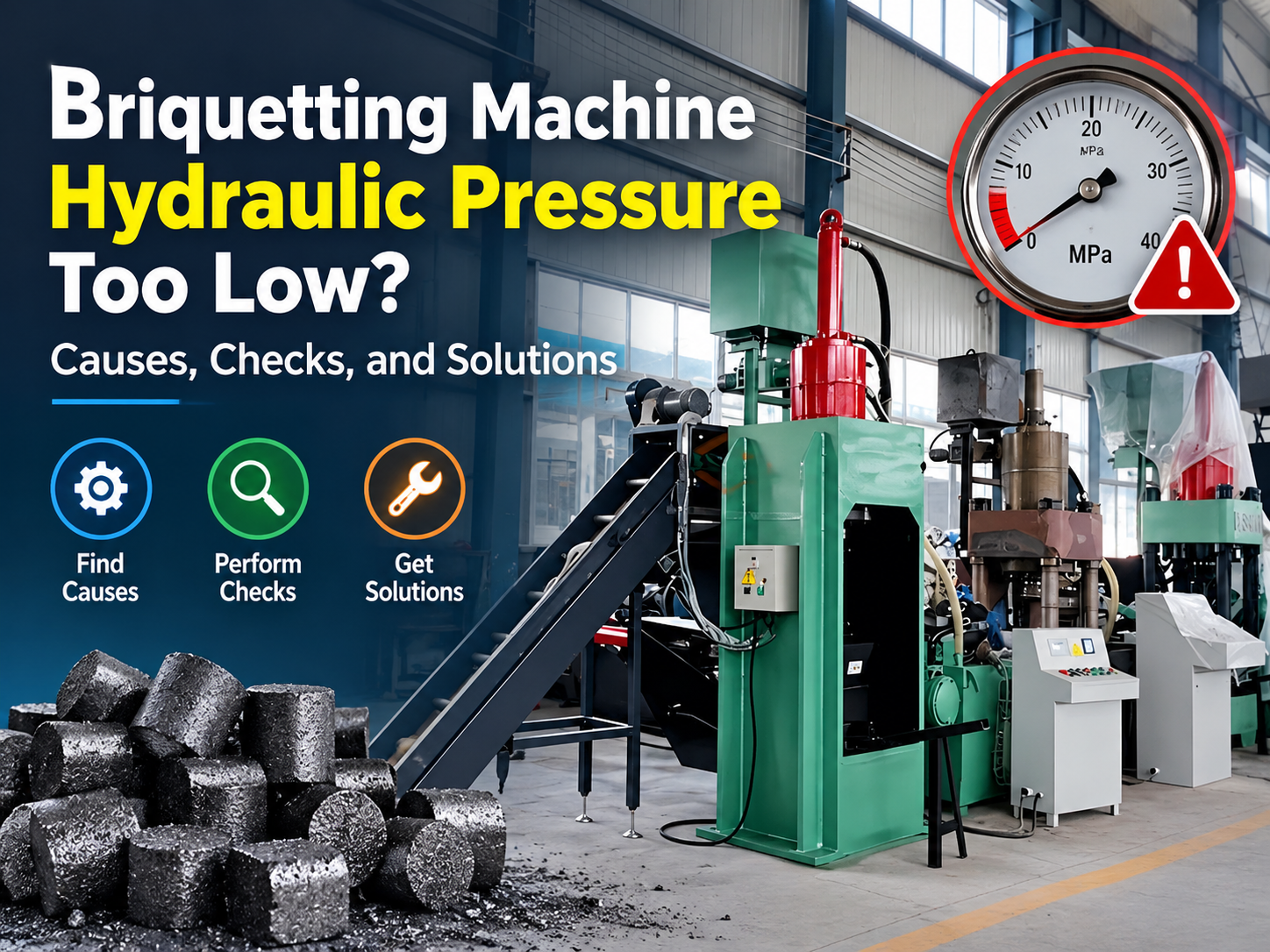
Briquetting Machine Hydraulic Pressure Too Low? Causes, Checks, and Solutions

Introduction: Understanding Hydraulic Pressure in Briquetting Machines
In the world of metal fabrication and waste management, the briquetting machine stands as a cornerstone of efficiency. By compressing loose metal chips, shavings, and swarf into dense, manageable briquettes, these machines not only save space but also increase the value of scrap metal. However, the operational integrity of these machines relies heavily on the hydraulic system. When you find yourself asking, “Briquetting Machine Hydraulic Pressure Too Low? Causes, Checks, Solutions,” you are addressing the most critical performance bottleneck in your facility.
Hydraulic pressure is the lifeblood of a briquetting press. It provides the force necessary to overcome the yield strength of metal materials, turning loose debris into solid blocks. When this pressure drops, the machine struggles to achieve the required density, leading to crumbly briquettes, increased cycle times, and potential damage to the compression chamber. Understanding the root causes of pressure loss is essential for any plant manager or maintenance technician aiming to maintain high throughput and equipment longevity.
At HARSLE, we emphasize that a systematic approach to troubleshooting is the only way to ensure long-term reliability. Low pressure is rarely a mystery; it is almost always a symptom of a specific mechanical, electrical, or hydraulic failure. By following a structured diagnostic process, you can minimize downtime and prevent costly repairs. This guide serves as your comprehensive manual for identifying and resolving hydraulic pressure issues in your industrial briquetting equipment.
Key Considerations: Why Pressure Matters
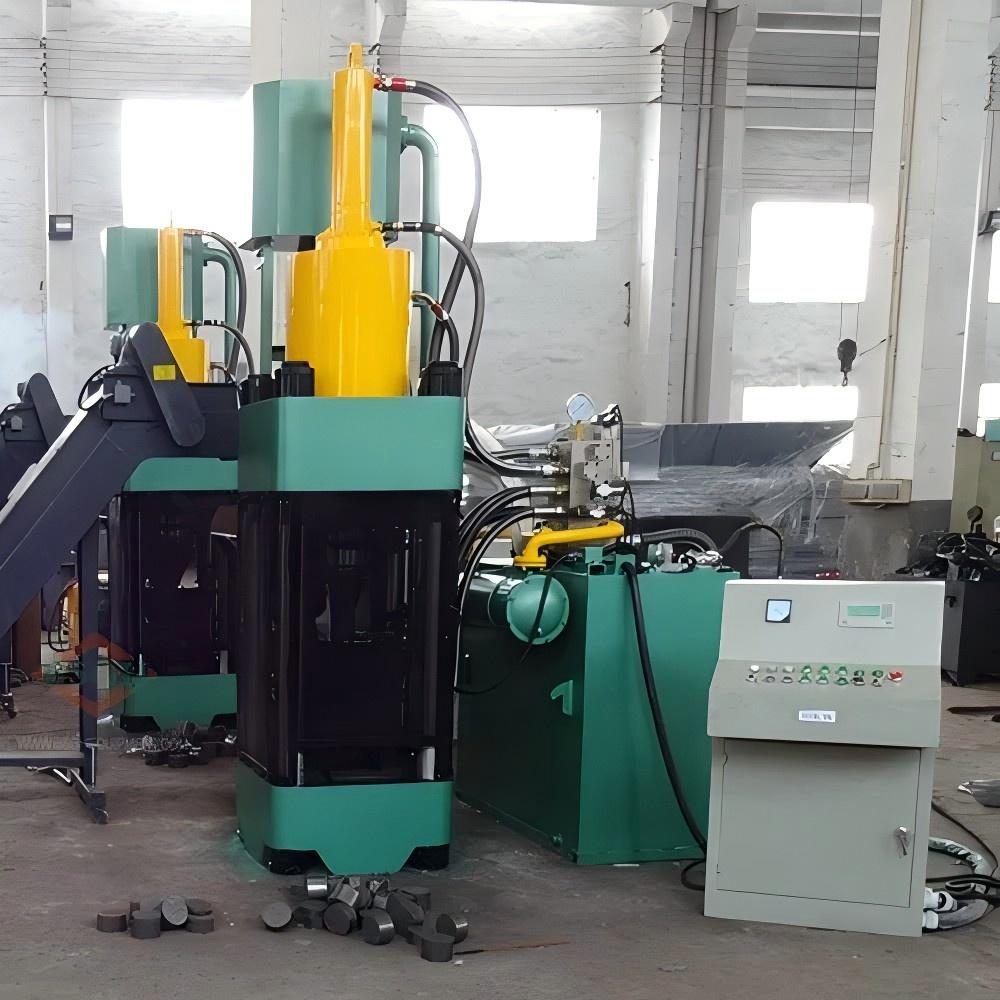
The primary function of a briquetting machine is to apply immense force to metal particles. This force must be consistent and sustained throughout the compression stroke. If the pressure is too low, the machine cannot overcome the friction between the metal particles, resulting in a briquette that lacks structural integrity. This is not just a quality issue; it is an operational hazard that can lead to material clogging the discharge chute.
Furthermore, low pressure often forces the hydraulic pump to work harder to compensate for the lack of force, leading to overheating. Hydraulic oil degrades rapidly at high temperatures, losing its viscosity and lubricating properties. This creates a vicious cycle where low pressure leads to heat, which leads to oil breakdown, which further reduces the efficiency of the hydraulic components. Recognizing the early signs of pressure drop—such as slower cycle times or unusual motor noise—is vital for preventative maintenance.
Safety is another paramount consideration. Hydraulic systems operate under extreme pressures, often exceeding 200 bar. When pressure is inconsistent, the internal valves and seals are subjected to erratic stress loads. A system that is not maintaining pressure correctly may also fail to hold the compression ram in place, posing a risk to operators during maintenance or clearing of jams. Always ensure that the system is depressurized before performing any physical checks on the hydraulic lines.
Finally, consider the economic impact. A briquetting machine operating at suboptimal pressure is essentially wasting electricity and labor. The goal of installing such equipment is to optimize scrap handling and maximize the resale value of metal. If the briquettes are not dense enough, they may be rejected by smelters or refineries, negating the entire purpose of the investment. Maintaining optimal hydraulic pressure is, therefore, a direct contributor to your facility’s bottom line.
Technical Details: Common Causes of Low Hydraulic Pressure
The causes of low hydraulic pressure in a briquetting machine can be categorized into three main areas: hydraulic fluid issues, mechanical component failure, and electrical control errors. The most common culprit is often the simplest: low oil levels. If the hydraulic reservoir is not filled to the recommended level, the pump will draw in air, causing cavitation. This not only drops the pressure but can also cause catastrophic damage to the pump internals over time.
Another frequent cause is a clogged suction filter. As the machine operates, microscopic metal particles and contaminants can enter the hydraulic circuit. If the suction filter becomes blocked, the pump cannot draw enough oil, leading to a drop in output pressure. Similarly, a malfunctioning pressure relief valve can cause pressure to bleed off prematurely. If the spring inside the relief valve has weakened or if debris is preventing the valve from seating correctly, the system will never reach its target pressure.
Internal leakage is a more insidious problem. Over time, the seals within the hydraulic cylinder can wear out, allowing oil to bypass the piston. This is known as “blow-by.” When this happens, the pump may be working perfectly, but the force is being lost internally, preventing the ram from exerting the necessary pressure on the material. Checking for internal leaks often requires specialized diagnostic equipment, such as flow meters, to compare the pump output with the actual cylinder movement.
Lastly, consider the condition of the hydraulic pump itself. Whether it is a gear pump, vane pump, or piston pump, these components have a finite service life. As the internal clearances increase due to wear, the volumetric efficiency of the pump decreases. This results in a gradual loss of pressure that becomes more pronounced as the oil heats up and thins out. If you have ruled out leaks, filters, and valves, the pump is likely the next component to investigate.
Diagnostic Checks: A Step-by-Step Approach
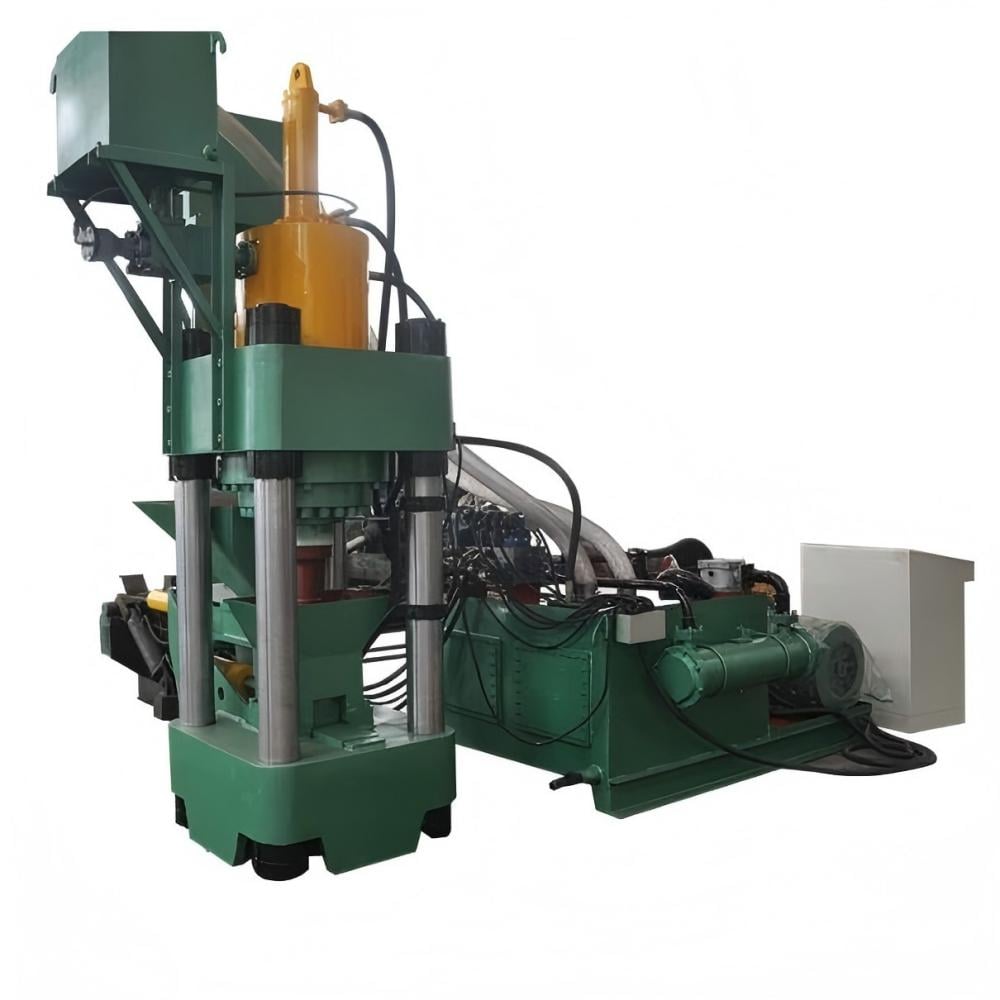
When you suspect that your briquetting machine hydraulic pressure is too low, start with a visual inspection. Check the hydraulic reservoir level and the condition of the oil. If the oil appears milky or cloudy, it indicates water contamination, which can severely impact hydraulic performance. Check for external leaks around hoses, fittings, and cylinder seals. Even a small drip can indicate a significant pressure loss under load.
Next, move to the pressure gauges. Most industrial briquetting machines are equipped with a main system pressure gauge. Observe the gauge during a full compression cycle. Does the pressure rise steadily, or does it fluctuate? If it fluctuates, it may indicate air in the system or a failing pump. If it rises to a certain point and then plateaus below the target, the relief valve or a bypass valve is the most likely suspect.
Test the hydraulic filters. Most modern machines have a filter bypass indicator. If the indicator is in the red, the filter must be replaced immediately. Even if the indicator looks fine, it is good practice to inspect the filter element for signs of metal shavings, which could indicate internal pump wear. This is a critical step in the “Briquetting Machine Hydraulic Pressure Too Low? Causes, Checks, Solutions” diagnostic workflow.
Finally, perform a temperature check. Use an infrared thermometer to check the temperature of the hydraulic pump and the oil tank. If the pump is running excessively hot, it is a clear sign of internal friction or cavitation. If the oil is overheating, check the oil cooler. A clogged or malfunctioning cooler will cause the oil to thin out, which directly reduces the system’s ability to maintain high pressure during the final stages of the compression stroke.
Solutions and Maintenance Strategies
Once you have identified the cause, the solution must be implemented with precision. If the issue is a clogged filter, replace it with an OEM-specified filter. Never attempt to clean and reuse paper-based filter elements, as they will not provide the necessary filtration efficiency. If the oil is contaminated, perform a full system flush and replace it with the high-quality hydraulic fluid recommended by the manufacturer.
For relief valve issues, the solution may be as simple as adjusting the set screw or cleaning the valve seat. However, if the spring is broken or the valve is worn, it must be replaced. Always use a calibrated pressure gauge to verify the setting after any adjustment. Never exceed the maximum pressure rating specified by the manufacturer, as this can lead to structural failure of the machine frame or cylinder.
If internal cylinder leakage is the cause, the cylinder will need to be disassembled and the seals replaced. This is a significant maintenance task that should be performed in a clean environment to prevent further contamination. Ensure that the cylinder bore is inspected for scoring or deep scratches; if the bore is damaged, simply replacing the seals will not solve the problem, and the cylinder may need to be honed or replaced entirely.
To prevent future issues, establish a rigorous preventative maintenance schedule. This should include regular oil analysis, which can detect wear metals before they cause a failure. Keep a log of all pressure readings and maintenance activities. By tracking these metrics, you can identify trends—such as a gradual decline in pressure—that allow you to schedule repairs during planned downtime rather than reacting to an emergency breakdown.
Selection Advice: Choosing the Right Briquetting Machine
When investing in a new briquetting machine, the hydraulic system design should be a primary factor in your decision-making process. Look for machines that feature high-quality, industrial-grade hydraulic components from reputable manufacturers. A machine with an oversized hydraulic reservoir and an efficient oil cooling system will be much more resistant to pressure drops caused by heat buildup.
Consider the type of material you will be processing. Different metals have different compression requirements. For example, aluminum chips require different pressure profiles compared to steel or cast iron swarf. Ensure that the machine you select has a programmable logic controller (PLC) that allows you to adjust pressure settings based on the material type. This flexibility ensures that you are not overworking the hydraulic system for lighter materials.
Ease of maintenance is another critical selection criterion. Choose a machine where the hydraulic power unit is easily accessible. If the pump, valves, and filters are buried deep within the machine frame, maintenance technicians will be less likely to perform routine checks, leading to neglect. HARSLE designs its briquetting machines with the end-user in mind, ensuring that all critical hydraulic components are within reach for quick inspection and service.
Finally, look for a manufacturer that provides comprehensive technical support and spare parts availability. A briquetting machine is a long-term asset. You need to know that if a hydraulic component fails, you can source a replacement quickly. Avoid machines that use proprietary, non-standard hydraulic parts that are difficult to source, as this will lead to extended downtime whenever a pressure-related issue arises.
FAQ: Frequently Asked Questions
- Q: How often should I change the hydraulic oil in my briquetting machine?
A: Generally, hydraulic oil should be changed every 2,000 to 4,000 operating hours, or once a year, depending on the intensity of use and the environment. Always check your specific machine manual for the manufacturer’s recommendation. - Q: Can I use any hydraulic oil for my briquetting machine?
A: No. You must use the viscosity grade and type (e.g., AW46 or AW68) specified by the manufacturer. Using the wrong oil can lead to pump damage and poor pressure performance. - Q: Why does my machine lose pressure only when it gets hot?
A: This is a classic sign of internal leakage or a worn pump. As the oil heats up, its viscosity decreases, making it easier for it to leak past worn seals or internal pump clearances. - Q: Is it safe to adjust the pressure relief valve myself?
A: It is safe only if you have a calibrated gauge and know the exact pressure limits of your machine. Never guess the pressure setting, as this can cause the machine to explode or fail catastrophically. - Q: What should I do if I see metal particles in the hydraulic filter?
A: This is a serious warning sign of internal component failure, likely the pump or a cylinder. Stop the machine immediately and contact a professional technician to inspect the hydraulic system.
Fazit
Addressing the question, “Briquetting Machine Hydraulic Pressure Too Low? Causes, Checks, Solutions,” is a vital part of maintaining an efficient metal fabrication facility. By understanding the relationship between hydraulic pressure, machine performance, and component longevity, you can transform your maintenance approach from reactive to proactive. Whether it is a simple filter change or a more complex seal replacement, the key is to act quickly and follow the manufacturer’s guidelines.
HARSLE is committed to providing not only high-performance briquetting machines but also the knowledge required to keep them running at peak efficiency. Remember that a well-maintained hydraulic system is the foundation of a productive workshop. By implementing the diagnostic steps and maintenance strategies outlined in this guide, you will ensure that your equipment continues to deliver high-density briquettes, maximizing your scrap value and minimizing your operational costs for years to come.