Troubleshooting Single-Shaft Shredder Gearbox Overheating: A Comprehensive Maintenance Guide


Introduction to Shredder Gearbox Performance
In the demanding world of industrial recycling and metal fabrication, the single-shaft shredder stands as a cornerstone of efficiency. However, even the most robust HARSLE machinery can face operational challenges. Troubleshooting single-shaft shredder gearbox overheating is a critical skill for maintenance teams, as the gearbox serves as the heart of the torque transmission system. When this component exceeds its optimal operating temperature, it signals underlying mechanical stress that, if left unaddressed, can lead to catastrophic failure, costly downtime, and significant repair expenses.
Overheating is rarely a standalone issue; it is typically a symptom of a deeper mechanical or operational imbalance. Whether caused by improper lubrication, excessive load, or environmental factors, understanding the root cause is essential for long-term reliability. This guide provides an in-depth look at how to diagnose, resolve, and prevent gearbox overheating in industrial shredding environments.
As we explore the technical nuances of these systems, it is important to remember that preventive maintenance is always more cost-effective than reactive repair. By monitoring temperature trends and adhering to strict lubrication schedules, operators can extend the lifespan of their equipment significantly. This article serves as a comprehensive resource for facility managers and maintenance engineers tasked with keeping their shredding lines running at peak performance.
HARSLE is committed to providing not just high-quality machinery, but also the knowledge required to maintain it. By following the structured troubleshooting steps outlined below, you can ensure that your shredder remains a productive asset in your facility, minimizing interruptions and maximizing throughput in your metal processing operations.
Key Considerations for Gearbox Health
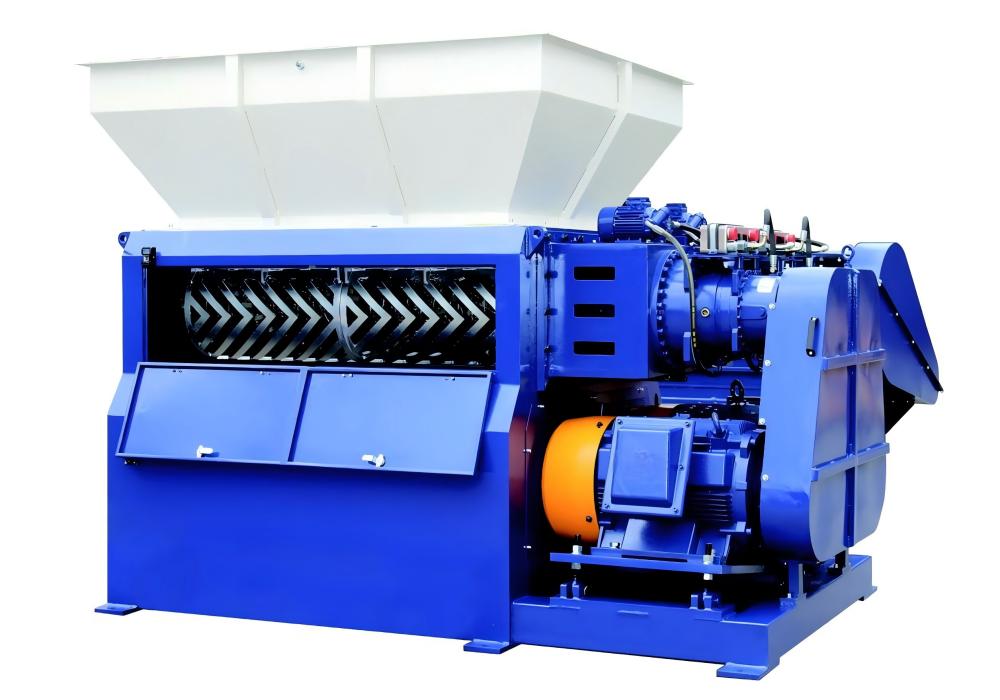
The first step in troubleshooting single-shaft shredder gearbox overheating involves a thorough assessment of the operating environment and the material being processed. Gearboxes are designed to operate within specific thermal ranges. When the ambient temperature of the facility is high, or if the shredder is located in an area with poor ventilation, the gearbox struggles to dissipate heat effectively. Ensuring adequate airflow around the unit is the most basic, yet often overlooked, step in thermal management.
Material density and feed rates play a massive role in thermal load. If the shredder is being fed material that exceeds its rated capacity or hardness, the gearbox must work significantly harder to maintain the required torque. This increased mechanical resistance translates directly into heat. Operators should verify that the material being shredded matches the machine’s specifications, as over-feeding can cause the motor and gearbox to run at near-stall conditions, generating excessive internal friction.
Lubrication is the lifeblood of any gearbox. Using the incorrect viscosity of oil or failing to change the oil at recommended intervals can lead to increased friction between gear teeth and bearings. Over time, oil degrades, loses its lubricating properties, and accumulates contaminants. This sludge-like consistency prevents effective heat transfer, causing the gearbox to run hotter than it would with clean, high-quality synthetic lubricants.
Finally, consider the mechanical alignment of the drive train. If the motor, coupling, and gearbox are not perfectly aligned, the resulting vibration and stress are transferred directly into the gearbox housing. This misalignment causes uneven wear on gear teeth and bearings, leading to localized hotspots that can quickly escalate into a full-system overheating event. Regular laser alignment checks are highly recommended for high-duty-cycle shredders.
Technical Details: Diagnosing the Root Cause
When troubleshooting single-shaft shredder gearbox overheating, a systematic approach is required. Start by utilizing an infrared thermal camera to identify the specific area of the gearbox that is hottest. If the heat is localized around the input shaft, the issue is likely related to the motor coupling or input bearings. If the heat is distributed across the entire housing, the problem is more likely related to oil quality, cooling system failure, or general overloading.
Check the oil level and condition immediately. If the oil is dark, smells burnt, or contains metallic particles, you are likely dealing with internal gear wear or bearing failure. In such cases, the gearbox must be drained, flushed, and inspected internally. Metallic debris is a clear indicator that the gear teeth are experiencing metal-on-metal contact, which generates immense heat and will lead to total failure if not addressed immediately.
Examine the cooling system components. Many industrial shredders are equipped with external oil coolers or heat exchangers. Check the cooling fins for dust, debris, or oil buildup that might be insulating the unit and preventing heat dissipation. If the cooling fan is electric, verify that it is operational and that the air intake is not obstructed. A simple cleaning of the cooling radiator can often reduce operating temperatures by 10-15 degrees Celsius.
Monitor the motor load via the PLC or VFD (Variable Frequency Drive). If the shredder is constantly running at or above its rated amperage, the gearbox is being subjected to continuous stress. Consider adjusting the feed rate or the shredder’s PLC logic to include a ‘reverse-on-overload’ feature. This allows the machine to clear jams automatically, preventing the gearbox from ‘grinding’ against stalled material, which is a primary cause of rapid heat buildup.
Selection Advice: Preventing Future Issues
Choosing the right shredder for your specific application is the best way to prevent gearbox overheating before it starts. When selecting a machine, always account for a 20-30% safety margin in terms of torque and throughput. If your facility processes high-tensile steel or dense scrap, do not opt for a shredder designed for light plastics or wood. The gearbox must be sized to handle the peak torque required for the toughest material you intend to process.
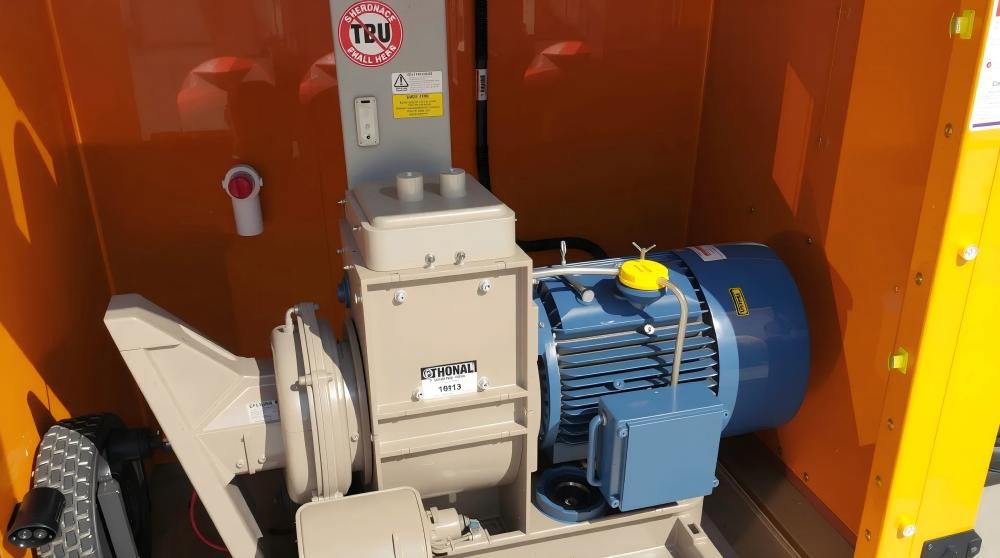
Look for gearboxes with integrated thermal monitoring sensors. Modern HARSLE shredders often come equipped with PT100 temperature sensors that can be integrated into the machine’s control panel. These sensors provide real-time data and can be programmed to trigger an alarm or an automatic shutdown if the temperature exceeds a safe threshold. This proactive approach prevents permanent damage to seals and internal components.
Consider the type of cooling system included with the gearbox. For high-intensity applications, a forced-air cooling system or a water-cooled heat exchanger is highly recommended. While these add to the initial investment, they significantly increase the duty cycle of the machine and protect the gearbox from the thermal fatigue that leads to premature failure.
Finally, ensure that the gearbox is compatible with the environment. If the shredder is used in a dusty or outdoor environment, ensure the gearbox housing is sealed to IP65 or higher standards. Contamination from the environment entering the gearbox can degrade the oil and cause internal components to seize, leading to rapid overheating. Investing in a high-quality, well-specified gearbox is the most important decision in the equipment procurement process.
Häufig gestellte Fragen (FAQ)
Why does my shredder gearbox get hot after only one hour of operation?
If the gearbox overheats quickly, it is likely due to either an incorrect oil level (too low or too high), a blocked cooling system, or the machine being pushed beyond its torque capacity. Check the oil level first, then inspect the cooling fins for debris.
What is the ideal operating temperature for a shredder gearbox?
Most industrial gearboxes are designed to operate between 60°C and 85°C. If your gearbox consistently exceeds 90°C, you should investigate the cause, as this can lead to oil breakdown and seal damage.
Can I use any gear oil for my HARSLE shredder?
No. Always refer to the HARSLE operation manual for the specific viscosity and additive requirements. Using the wrong oil can lead to poor lubrication, increased friction, and eventual overheating.
How often should I change the gearbox oil?
For most industrial shredders, the initial oil change should occur after the first 500 hours of operation (break-in period), followed by changes every 2,000 to 4,000 hours, depending on the intensity of use and the oil type used.
Does ambient temperature affect gearbox performance?
Yes. In hot climates or poorly ventilated facilities, the gearbox cannot dissipate heat as effectively. Ensure the shredder is placed in a well-ventilated area and consider adding auxiliary cooling if necessary.
Conclusion: Maintaining Long-Term Reliability
Troubleshooting single-shaft shredder gearbox overheating is a fundamental aspect of industrial maintenance that ensures the longevity and productivity of your metal fabrication equipment. By understanding the interplay between mechanical load, lubrication, and environmental factors, operators can effectively diagnose issues and implement lasting solutions. Remember that the gearbox is a precision component; it requires clean oil, proper alignment, and adequate cooling to perform at its best.
HARSLE remains dedicated to supporting your operations with reliable machinery and expert guidance. By integrating the maintenance practices discussed in this guide—such as regular thermal monitoring, scheduled oil analysis, and proper load management—you can avoid the pitfalls of overheating and keep your shredding line operating at peak efficiency. When in doubt, always consult your machine’s technical manual or reach out to our support team for specialized assistance.
Investing time in preventive maintenance today will save you countless hours of unplanned downtime in the future. Keep your shredder cool, keep your oil clean, and your HARSLE equipment will continue to deliver the high-performance results your business demands for years to come. Consistency in these small maintenance tasks is the hallmark of a successful and efficient metal processing facility.