Alligator Shear Cutting Slow? Troubleshooting Speed and Pressure Issues


Introduction to Alligator Shear Performance
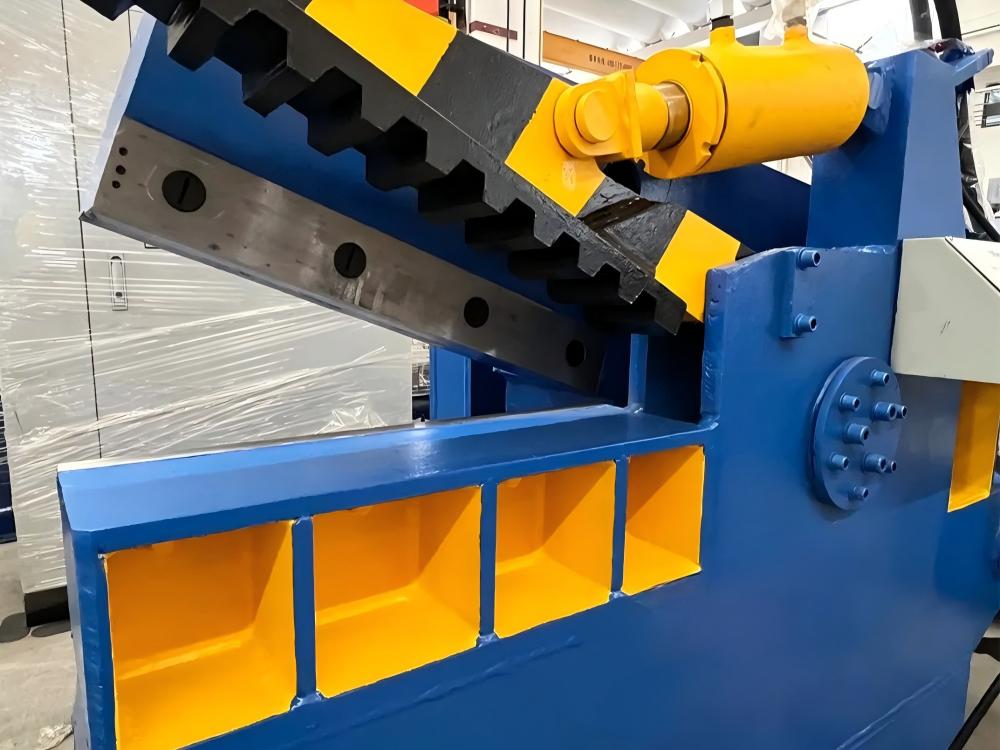
In the demanding world of scrap metal processing and metal fabrication, efficiency is the lifeblood of profitability. When an operator notices their alligator shear cutting slow, it is not merely a minor inconvenience; it is a direct hit to production throughput and operational costs. HARSLE alligator shears are engineered for high-performance, heavy-duty cutting, but like any industrial machinery, they require precise calibration and consistent maintenance to operate at peak velocity.
Understanding why an alligator shear might lose its cutting speed requires a deep dive into the hydraulic architecture of the machine. The cutting action is a result of a delicate balance between hydraulic pressure, flow rate, and mechanical integrity. When this balance is disrupted, the machine may struggle to penetrate materials, leading to sluggish cycles or incomplete cuts. This guide serves as a comprehensive resource for identifying the root causes of speed degradation and restoring your equipment to its optimal state.
Whether you are processing structural steel, rebar, or mixed scrap, the speed of your shear is dictated by the hydraulic pump’s ability to deliver fluid and the valve system’s ability to direct that fluid efficiently. By systematically addressing potential bottlenecks, maintenance teams can prevent costly downtime and extend the lifespan of their HARSLE equipment. Let’s explore the technical nuances of troubleshooting these critical speed and pressure issues.
Key Considerations for Hydraulic Efficiency
The primary factor influencing the speed of an alligator shear is the hydraulic system’s health. Hydraulic fluid is the lifeblood of the machine, and its condition directly impacts the performance of the cylinders. If the fluid is contaminated, oxidized, or at the wrong viscosity, the internal components of the pump and valves will experience increased friction and heat, leading to a noticeable drop in cycle speed.
Another critical consideration is the state of the hydraulic filters. Over time, metal shavings, dust, and degraded fluid particles can clog the filtration system. When filters are restricted, the pump must work significantly harder to pull fluid from the reservoir, which results in cavitation and reduced flow rates. Regularly checking and replacing these filters is one of the simplest yet most effective ways to maintain high-speed operation.
Temperature management also plays a vital role. Hydraulic oil that is too hot loses its viscosity, which can cause internal leakage within the cylinders or the pump. Conversely, oil that is too cold during startup can be sluggish and thick. Ensuring your HARSLE shear is equipped with a properly functioning oil cooler and that the system is warmed up before heavy-duty operation is essential for consistent cycle times.
Finally, consider the electrical control system. Modern alligator shears rely on solenoid valves to direct hydraulic flow. If the electrical signals are delayed or if the solenoids themselves are failing, the hydraulic system may not shift between the approach, cutting, and return strokes as quickly as it should. Inspecting the wiring and the solenoid coils for signs of wear or electrical resistance is a key step in the troubleshooting process.
Technical Details: Troubleshooting Speed and Pressure Issues
When you find your alligator shear cutting slow, the first technical step is to verify the system pressure using a calibrated pressure gauge. If the pressure is lower than the manufacturer’s specifications, the shear will lack the force required to cut through dense materials, causing the machine to stall or move slowly under load. This could indicate a failing hydraulic pump or a pressure relief valve that is stuck in the open position.
If the pressure is correct but the speed remains slow, the issue likely lies with the flow rate. Check the hydraulic pump for signs of internal wear. A pump that has lost its volumetric efficiency will struggle to move the required volume of oil per minute, effectively slowing down the cylinder stroke. In many cases, replacing the pump seals or the entire pump unit is necessary to restore the original cycle speed.
The hydraulic cylinder seals are another common culprit. If the internal piston seals are worn, high-pressure oil can bypass the piston, leaking from the pressure side to the return side. This internal leakage creates a “cushion” that prevents the cylinder from exerting full force and slows down the movement. If you notice the shear is slow but the motor sounds like it is under heavy load, internal cylinder leakage is a high-probability cause.
Valve blockages or malfunctions can also impede speed. The directional control valves must open fully to allow maximum fluid flow. If a valve is partially blocked by debris or if the spool is sticking, the flow of oil will be restricted, resulting in a sluggish shear. Disassembling and cleaning the valve block, or replacing faulty solenoid valves, often resolves these specific speed issues.
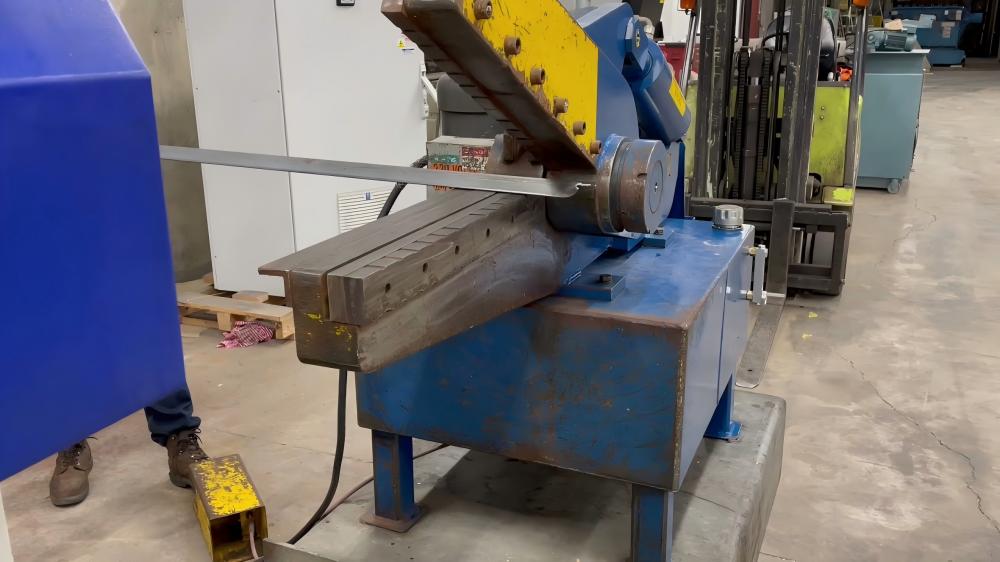
Selection Advice: Matching Equipment to Your Needs
Choosing the right alligator shear is the first step in avoiding speed-related issues. Many operators experience “slow cutting” simply because they are using a machine that is undersized for the material they are processing. If you are consistently cutting material that exceeds the shear’s rated capacity, the hydraulic system will be pushed to its limits, leading to premature wear and slower cycle times.
When selecting a HARSLE alligator shear, consider the maximum blade opening and the cutting force (measured in tons). For high-volume scrap yards, a machine with a faster cycle time and a more robust hydraulic pump is a better investment than a smaller, entry-level model. Always review the material specifications—such as the hardness and thickness of the steel—to ensure the shear is designed for your specific application.
Look for features like adjustable blade clearance. Proper clearance is essential for a clean cut; if the blades are too far apart, the material will bend rather than shear, which puts unnecessary strain on the hydraulic system and slows down the process. A machine with easy-to-adjust blade settings allows you to maintain optimal cutting efficiency as the blades wear down over time.
Consider the automation level of the machine. Some HARSLE models come with advanced PLC controls that optimize the stroke length. By limiting the return stroke to only what is necessary for the next cut, you can significantly increase the number of cuts per minute. Investing in a machine with these smart features can provide a substantial boost to your overall production speed.
Maintenance Checklist for Sustained Performance
- Daily: Inspect hydraulic hoses for leaks or bulges. Check the oil level in the reservoir.
- Weekly: Clean the area around the blades and remove scrap buildup. Check the blade gap and adjust if necessary.
- Monthly: Inspect hydraulic filters and replace them if the pressure differential indicator shows a restriction.
- Quarterly: Test the hydraulic system pressure and compare it to the factory manual. Check solenoid valve operation.
- Annually: Perform a full hydraulic fluid analysis to check for contamination or breakdown. Replace worn seals in cylinders.
Häufig gestellte Fragen (FAQ)
Why does my alligator shear stall during the cut?
Stalling usually indicates that the hydraulic pressure is insufficient for the material thickness or that the blades are dull. Check your pressure settings and ensure the blades are sharp and properly gapped.
How often should I change the hydraulic oil?
Under normal operating conditions, hydraulic oil should be changed every 1,000 to 2,000 hours of operation. However, if the machine is used in a dusty or high-heat environment, more frequent changes may be required.
Can dull blades affect cutting speed?
Yes. Dull blades require significantly more force to penetrate the metal. This extra force puts a heavy load on the hydraulic system, which can cause the machine to slow down as it struggles to overcome the resistance.
What should I do if the shear is leaking oil?
Identify the source of the leak immediately. If it is a hose, replace it. If it is a cylinder seal, the cylinder will need to be rebuilt. Never operate a machine with a significant hydraulic leak, as it can lead to pump failure and safety hazards.
Fazit
Addressing the issue of an alligator shear cutting slow is a matter of systematic troubleshooting and proactive maintenance. By focusing on the health of your hydraulic system—specifically the pump, valves, and fluid quality—you can ensure that your HARSLE equipment remains a reliable workhorse in your metal fabrication facility. Remember that speed is a function of both mechanical condition and proper application; matching the right machine to your workload and adhering to a strict maintenance schedule will pay dividends in production efficiency.
If you have performed these checks and are still experiencing performance issues, do not hesitate to contact the HARSLE technical support team. Our experts are equipped to help you diagnose complex hydraulic problems and provide the necessary parts to get your operations back up to speed. Investing time in your machine’s health today will prevent costly downtime tomorrow, keeping your scrap processing business moving forward with precision and power.