What Is the Price of a Gantry Shear? Key Cost Drivers for Buyers

Price Range Overview
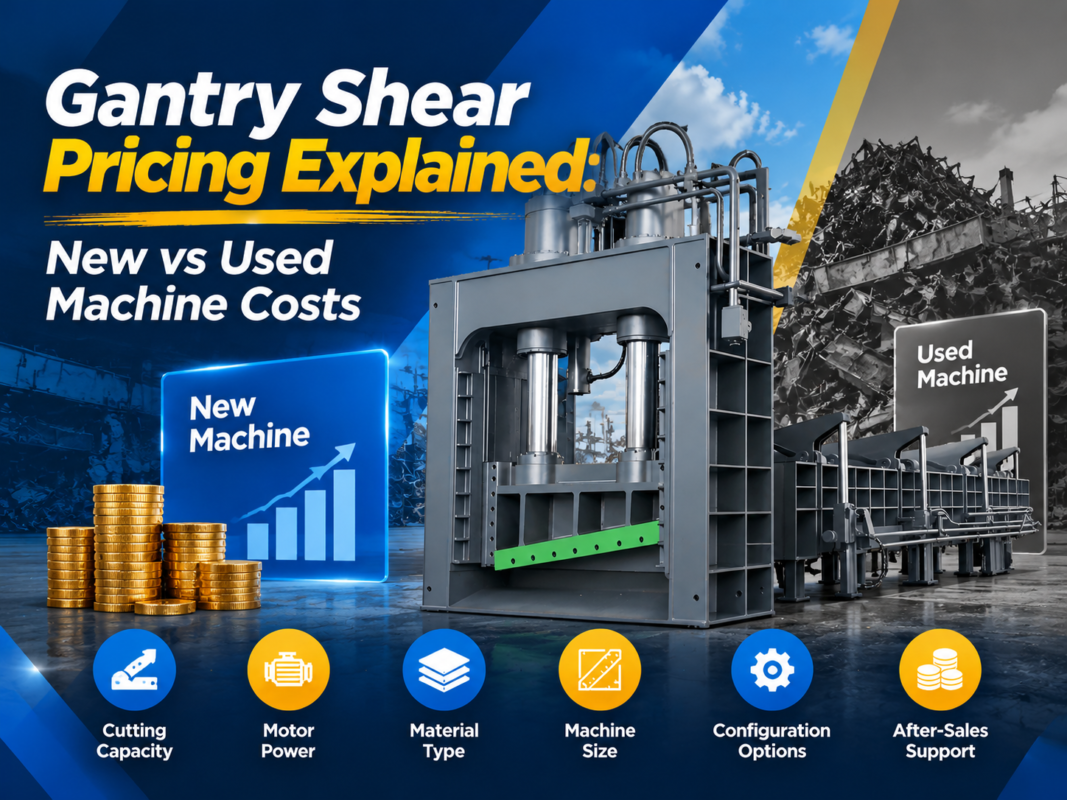
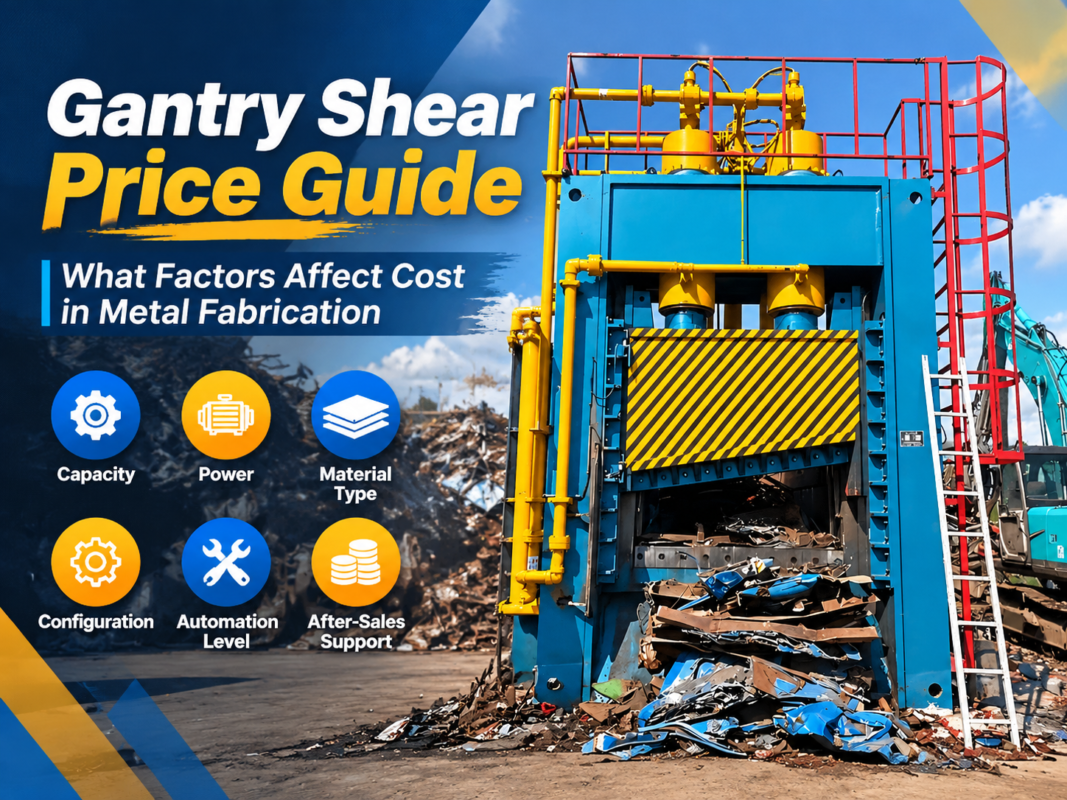
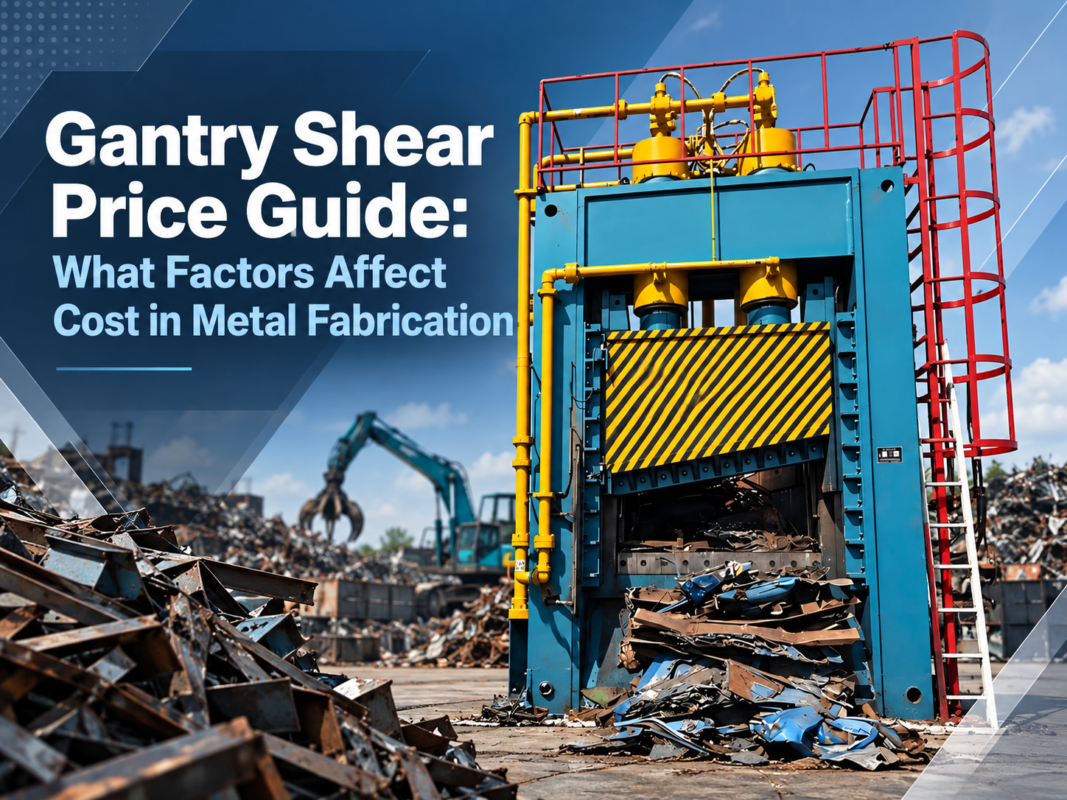
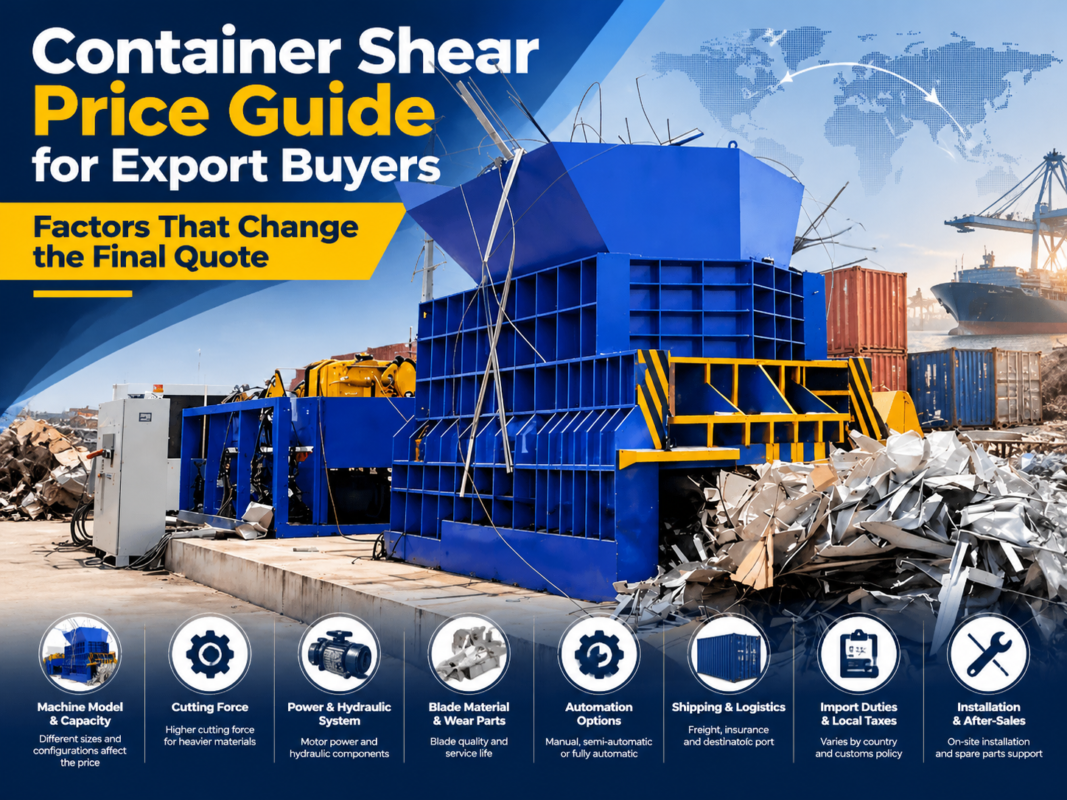
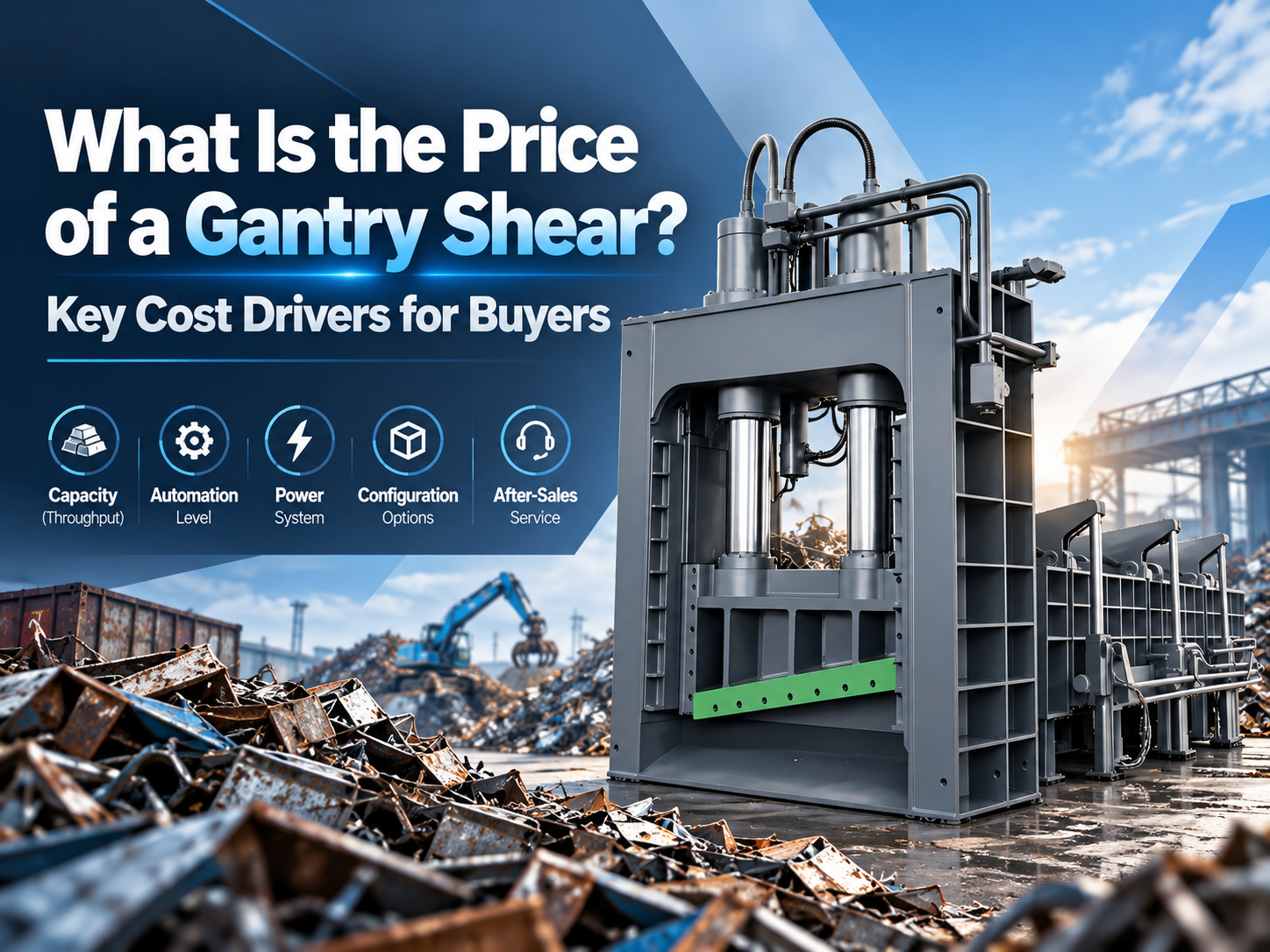
When researching the question, “What Is the Price Of A Gantry Shear? Key Cost Drivers Buyers need to consider,” it is essential to understand that there is no single fixed price tag. Gantry shears are heavy-duty industrial machines designed for high-volume scrap metal processing, and their costs can range significantly based on capacity, automation, and build quality. Generally, entry-level or smaller-scale gantry shears may start in the $80,000 to $120,000 range, while high-capacity, fully automated industrial systems can easily exceed $500,000 or more.
The price variation is primarily driven by the machine’s shearing force, which is measured in tons. A machine designed to cut light-gauge steel will naturally cost less than a massive unit capable of shearing heavy structural beams or thick plate steel. Buyers must evaluate their specific production requirements before looking at price tags, as purchasing an undersized machine will lead to premature failure, while an oversized machine represents wasted capital expenditure.
Market fluctuations in raw materials, such as high-grade steel for the machine frame and specialized alloys for the shear blades, also impact the final price. Manufacturers like HARSLE invest heavily in R&D to ensure structural integrity under extreme pressure, which is reflected in the premium pricing of top-tier equipment. When comparing quotes, it is vital to distinguish between the base machine cost and the total landed cost, which includes shipping, installation, and commissioning.
Furthermore, the geographic location of the manufacturer and the complexity of the supply chain play a role. While lower-cost options may appear attractive, they often lack the robust after-sales support and spare parts availability that are critical for industrial operations. Investing in a reputable brand ensures that the machine remains operational, minimizing costly downtime that could quickly negate any initial savings on the purchase price.
Main Cost Drivers
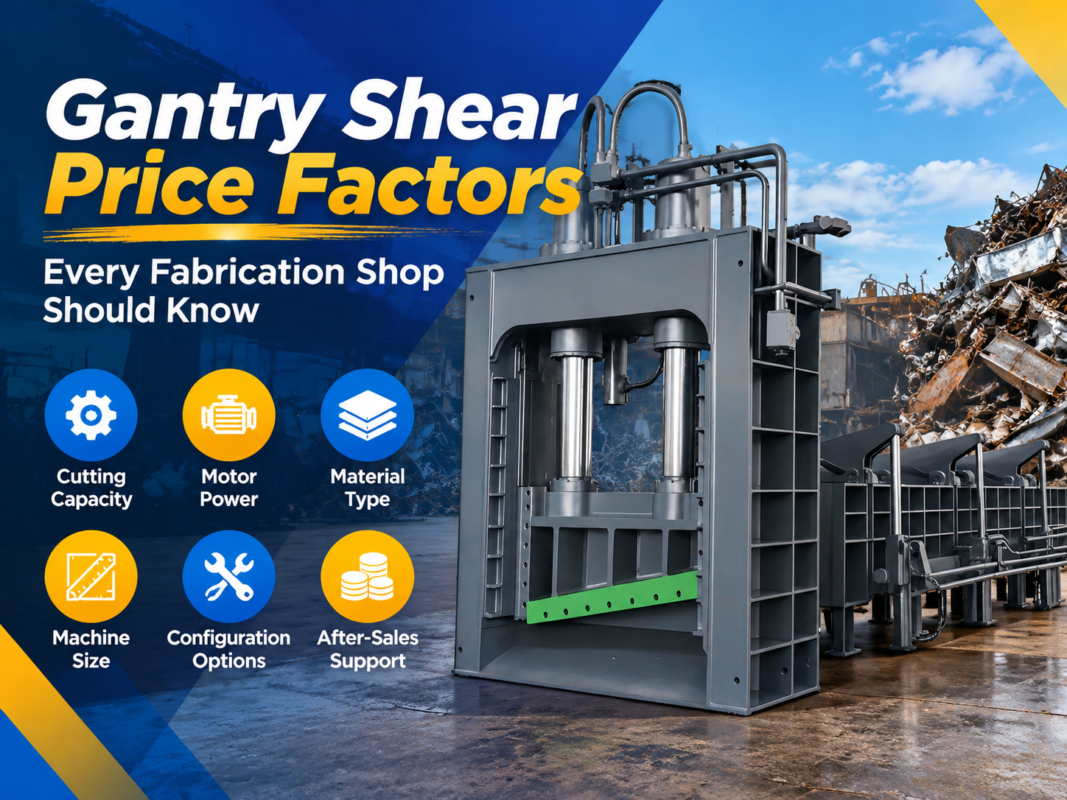
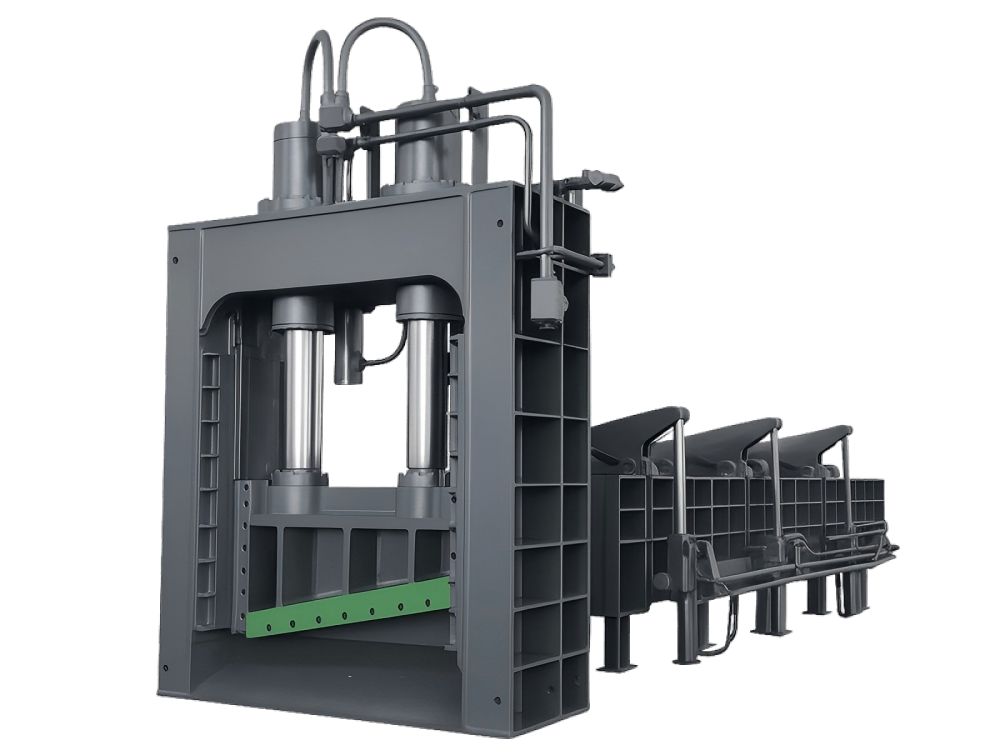
The primary cost driver for any gantry shear is the shearing force capacity. This is the amount of pressure the hydraulic cylinders can exert on the blade. Higher tonnage requires larger hydraulic pumps, thicker steel plates for the frame, and more robust electrical systems. Each increment in shearing capacity adds significant weight and material costs to the manufacturing process, directly influencing the final price.
Another critical factor is the blade length and opening width. A wider opening allows for larger, bulkier scrap materials to be processed in a single cycle, which increases throughput. However, a wider opening requires a more complex frame design to maintain rigidity and prevent deflection under load. The precision of the blade alignment and the quality of the blade material—often hardened tool steel—also contribute to the overall cost, as these components are subject to extreme wear and tear.
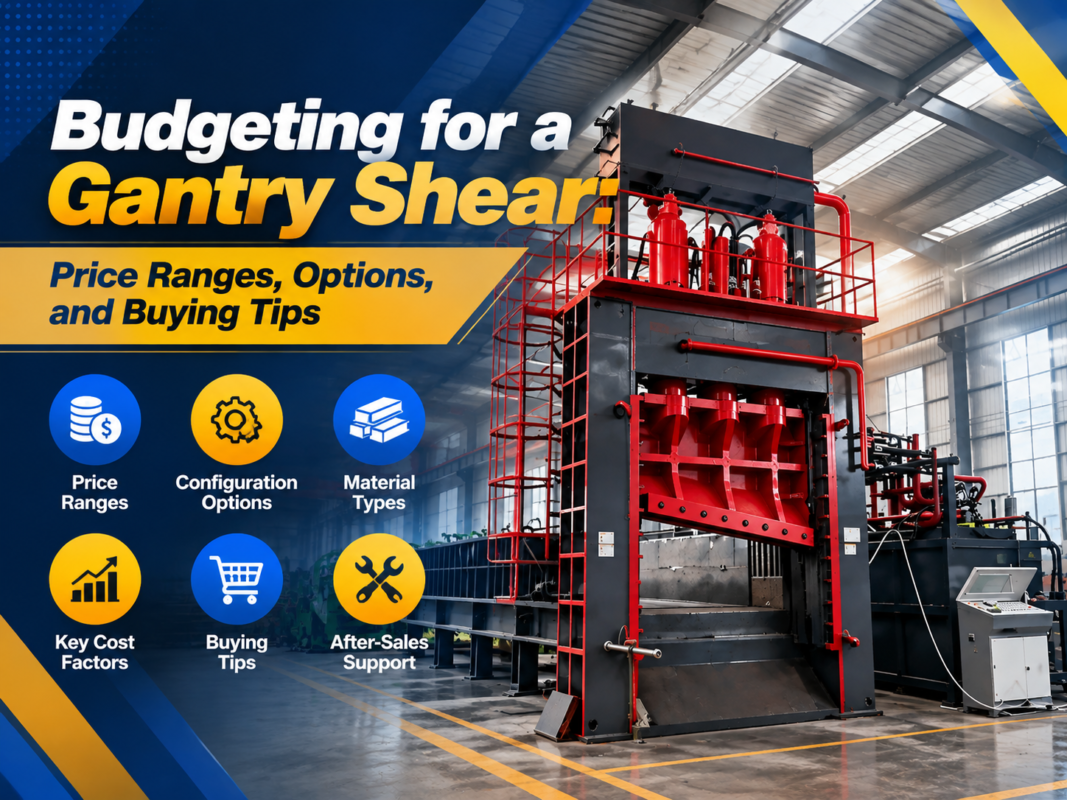
Automation levels represent a major variable in the price equation. Modern gantry shears often feature PLC-controlled feeding systems, automatic lubrication, and remote monitoring capabilities. These features reduce the need for manual labor and increase safety, but they also add to the complexity of the machine’s electrical architecture. Buyers should weigh the cost of these automated systems against the long-term labor savings they provide.
Hydraulic system quality is the heartbeat of the gantry shear. High-end machines utilize premium hydraulic components, such as high-pressure valves, reliable seals, and efficient cooling systems. These components are designed to withstand continuous operation in harsh industrial environments. Cheaper hydraulic systems may save money upfront but often result in leaks, pressure drops, and frequent maintenance requirements that increase the total cost of ownership over time.
Configuration Impact
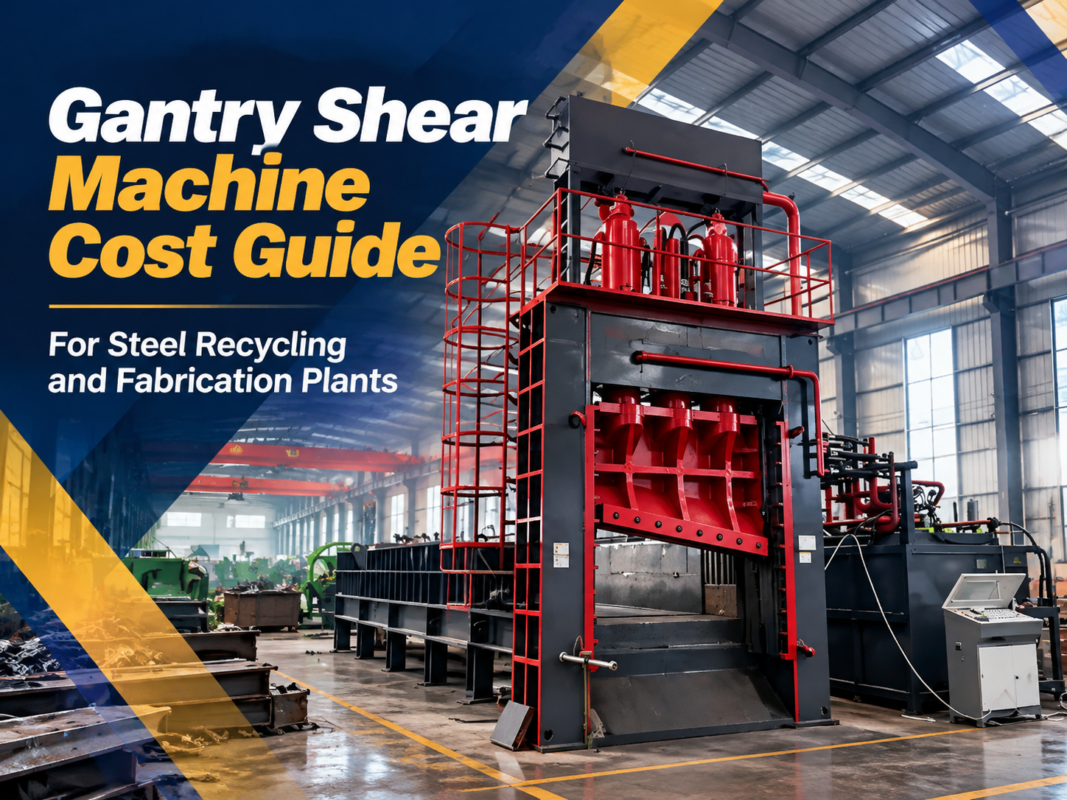
Customization is a significant factor when determining the price of a gantry shear. Many industrial facilities require specific configurations to fit into their existing production lines. For example, a facility might need a custom in-feed conveyor system or a specific discharge chute design to integrate with their scrap handling process. These bespoke modifications require additional engineering time and custom fabrication, which increases the price.
The type of control system integrated into the machine also impacts the cost. Basic manual controls are the most affordable, but they require a skilled operator to manage the shearing process efficiently. Advanced CNC or PLC systems allow for pre-programmed cutting sequences, which can optimize material usage and increase throughput. While these systems increase the initial investment, they often provide a faster return on investment through improved efficiency and reduced material waste.
Safety features are non-negotiable in modern metal fabrication. High-end gantry shears come equipped with light curtains, emergency stop systems, and protective enclosures that meet international safety standards. While these features are essential for protecting workers, they add to the manufacturing cost. Buyers should be wary of extremely low-priced machines that lack these critical safety components, as they may not comply with local labor and safety regulations.
Energy efficiency is an increasingly important configuration factor. Modern gantry shears are designed with variable frequency drives (VFDs) and energy-efficient motors that reduce power consumption during idle periods. These machines may have a higher purchase price compared to older, less efficient models, but the long-term savings on electricity bills can be substantial, especially for facilities operating multiple shifts per day.
Hidden Costs
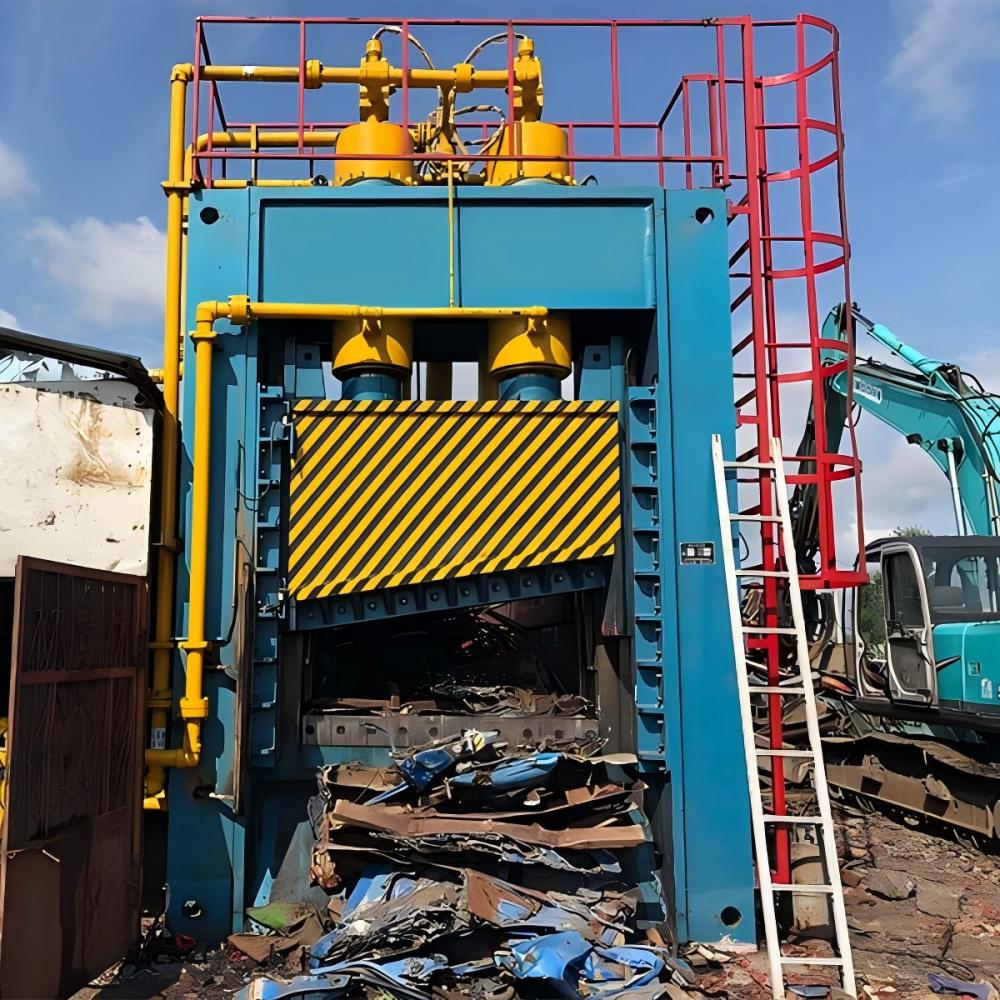
When budgeting for a gantry shear, many buyers focus solely on the purchase price, forgetting the “hidden” costs associated with installation and operation. Site preparation is a major expense; these machines are massive and require a reinforced concrete foundation to handle the weight and the vibrations generated during the shearing process. Failing to prepare the site correctly can lead to structural damage to the facility floor and machine misalignment.
Shipping and logistics can also be surprisingly expensive. Because gantry shears are oversized and heavy, they often require specialized transport, permits, and heavy-duty cranes for unloading and positioning. Buyers should clarify whether the quoted price includes “ex-works” or “delivered” terms, as the difference can be thousands of dollars depending on the distance and complexity of the transport.
Maintenance and spare parts represent ongoing costs that must be factored into the budget. Over the lifespan of the machine, you will need to replace shear blades, hydraulic fluid, filters, and electrical components. It is advisable to ask the manufacturer for a recommended spare parts list and the estimated annual maintenance cost. Choosing a manufacturer with a local service presence can significantly reduce the cost of downtime and technician travel expenses.
Training costs should also be considered. Operating a high-capacity gantry shear requires specialized knowledge. If your team is not familiar with the specific control system or the maintenance requirements of the new machine, you will need to invest in professional training. This ensures that the machine is operated safely and efficiently, preventing premature wear and maximizing the lifespan of the equipment.
ROI Calculation
Calculating the Return on Investment (ROI) for a gantry shear involves looking at the increase in processing speed and the reduction in labor costs. By automating the shearing process, a facility can process significantly more scrap metal per hour than with manual cutting methods. This increased throughput allows the business to take on larger contracts and improve its bottom line.
Another aspect of ROI is the improvement in scrap value. A gantry shear allows for cleaner, more uniform cuts, which makes the processed material more attractive to steel mills and foundries. Often, processed scrap commands a higher price per ton than raw, unsorted scrap. By upgrading your processing capabilities, you can move up the value chain and increase your profit margins on every ton of metal sold.
Reduced waste is a critical component of the ROI calculation. Precision shearing minimizes the amount of scrap that is lost or unusable. When you can cut material to exact specifications, you reduce the need for secondary processing or re-cutting, which saves time and energy. Over the course of a year, these small efficiency gains add up to significant financial benefits.
Finally, consider the longevity of the machine. A high-quality gantry shear from a reputable manufacturer like HARSLE is built to last for decades. When calculating ROI, spread the initial investment over the expected lifespan of the machine, rather than just the first year. A machine that costs more upfront but lasts twice as long and requires less maintenance will always provide a better long-term ROI than a cheaper, lower-quality alternative.
Buying Advice
Before purchasing, define your material requirements clearly. Are you processing thin sheet metal, heavy structural steel, or a mix of both? Knowing your maximum material thickness and the volume of scrap you expect to process daily will help you select the right machine size. Never guess; consult with the manufacturer’s engineering team to ensure the machine’s specifications align with your actual needs.
Always request a demonstration or visit a facility where a similar machine is in operation. Seeing the gantry shear in action allows you to assess its build quality, noise levels, and ease of operation. Ask the operator about their experience with the machine and whether they have encountered any recurring issues. This real-world feedback is invaluable and often more honest than marketing materials.
Check the manufacturer’s after-sales support policy. Do they offer remote diagnostics? How quickly can they dispatch a technician if the machine goes down? A machine is only as good as the support behind it. Ensure that the manufacturer has a robust supply chain for spare parts and that they provide comprehensive documentation, including electrical schematics and maintenance manuals.
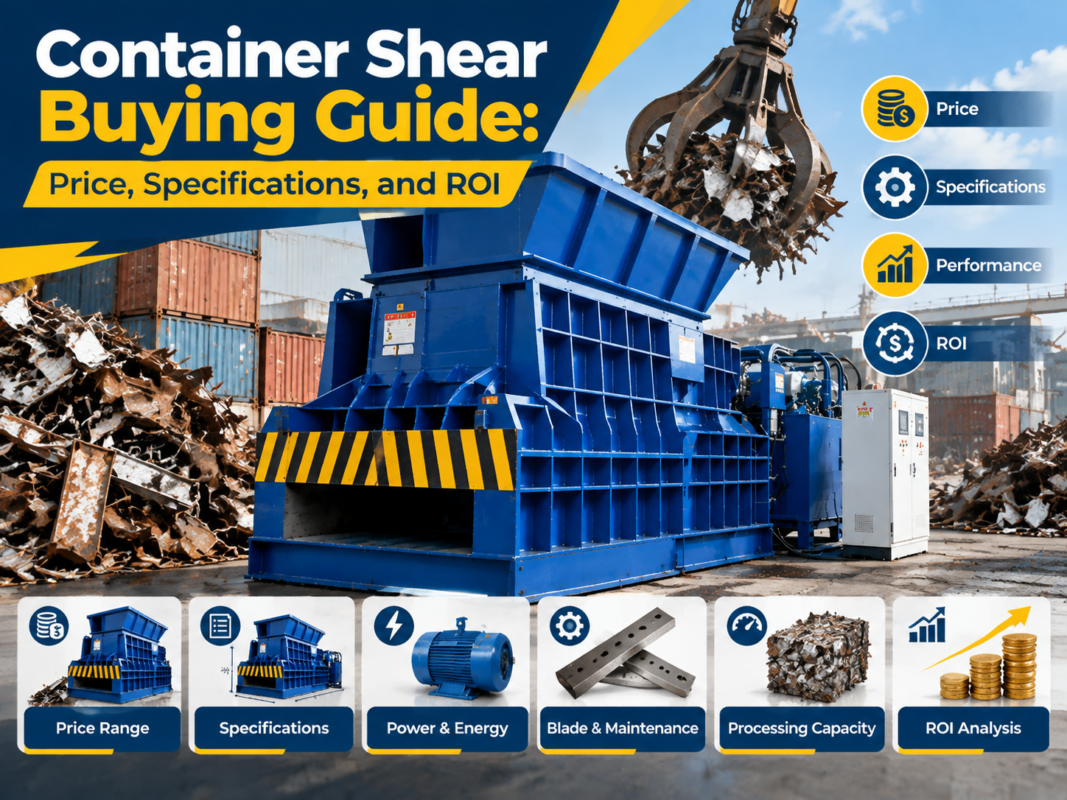
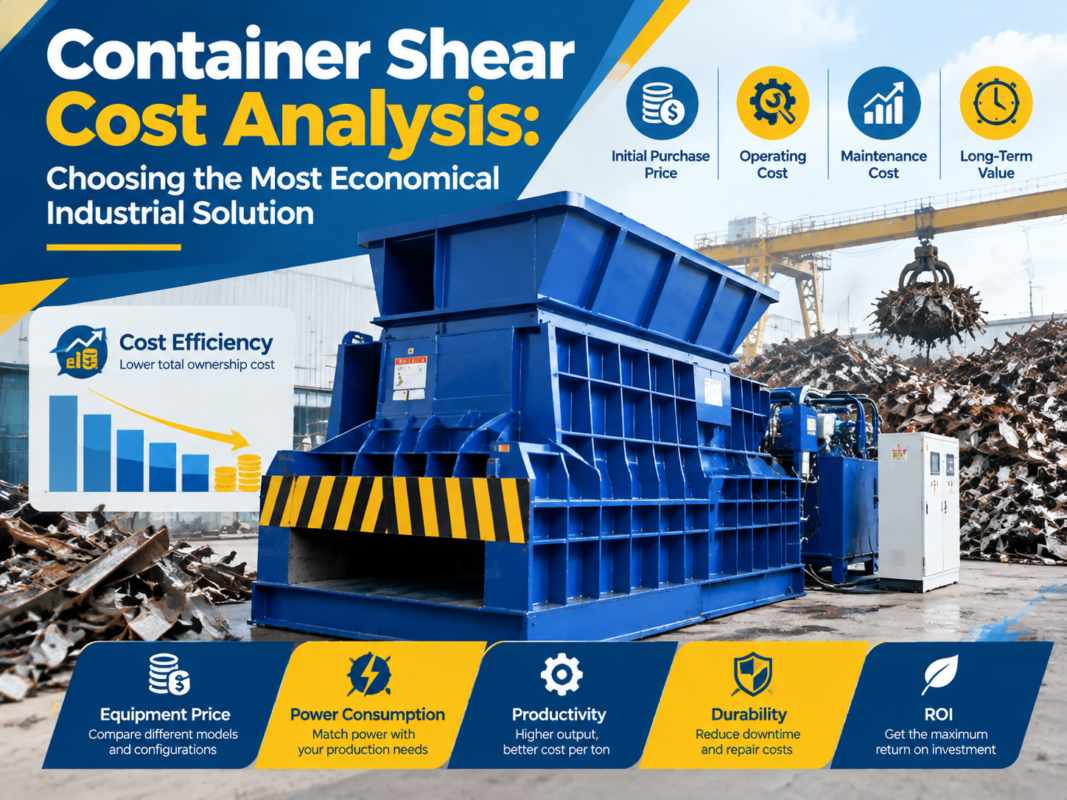
Finally, compare total cost of ownership rather than just the sticker price. Include the costs of installation, training, energy consumption, and projected maintenance over five years. When you look at the big picture, you will often find that a slightly more expensive machine with better efficiency and reliability is the most cost-effective choice in the long run.
FAQ
- What is the typical lifespan of a gantry shear? With proper maintenance, a high-quality gantry shear can last 15 to 25 years or more.
- Does the price include installation? Usually, no. Installation and commissioning are typically quoted as separate services. Always clarify this with your supplier.
- How often do I need to sharpen the blades? This depends on the volume and type of metal processed. High-volume facilities may need to sharpen or replace blades every few months.
- Can a gantry shear handle non-ferrous metals? Yes, but the settings and blade clearance may need to be adjusted to ensure clean cuts and prevent damage to the machine.
- What is the most important factor when choosing a gantry shear? The shearing force capacity is the most critical factor, as it determines the machine’s ability to handle your specific material requirements.