Horizontal Baler Machine Cost By Tonnage: A Complete Price Reference

Price Range Overview: Understanding the Investment
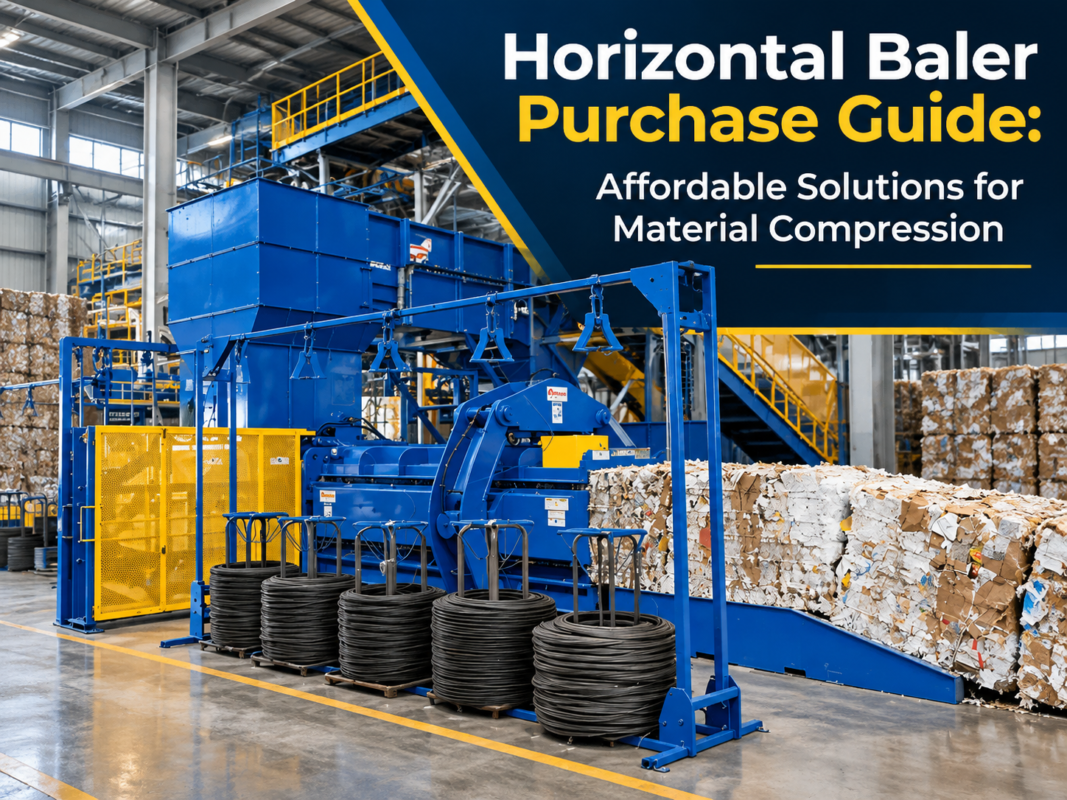
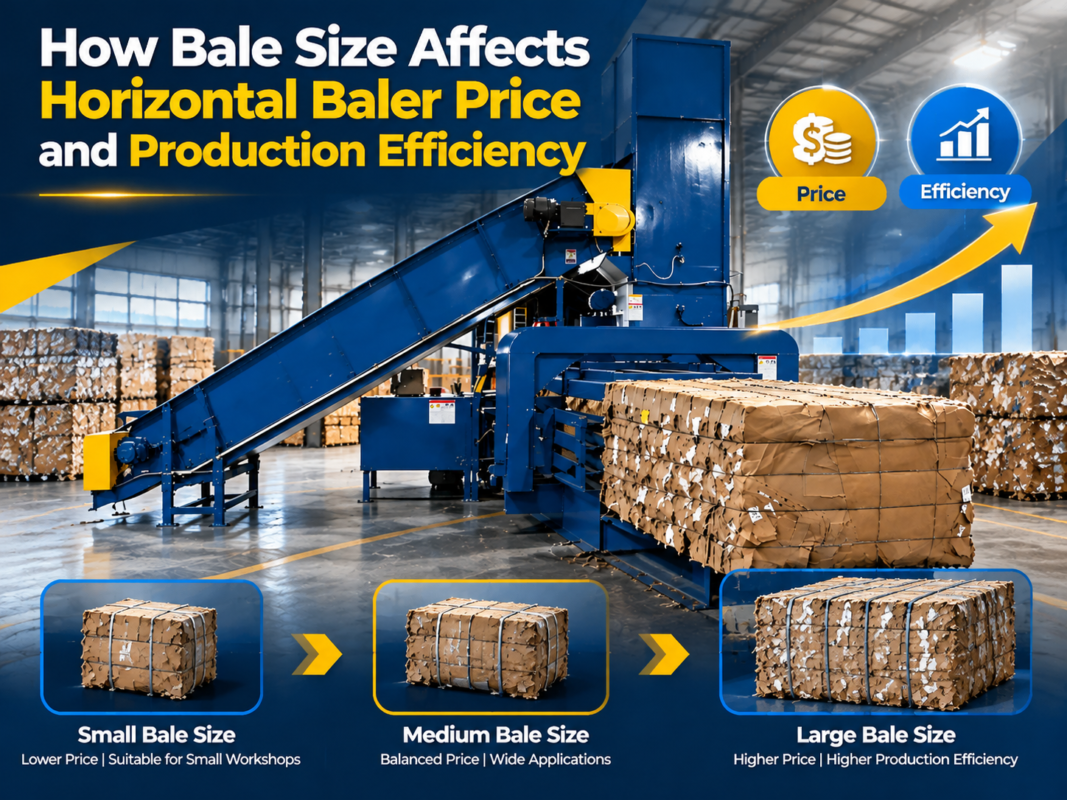
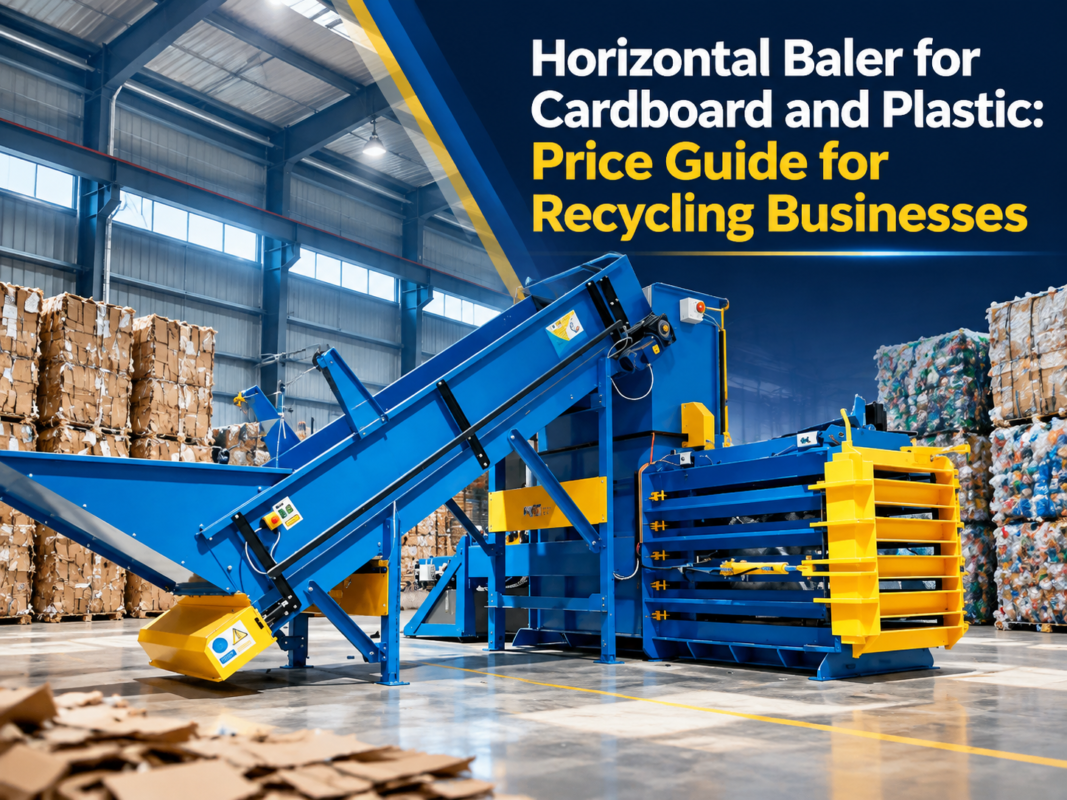
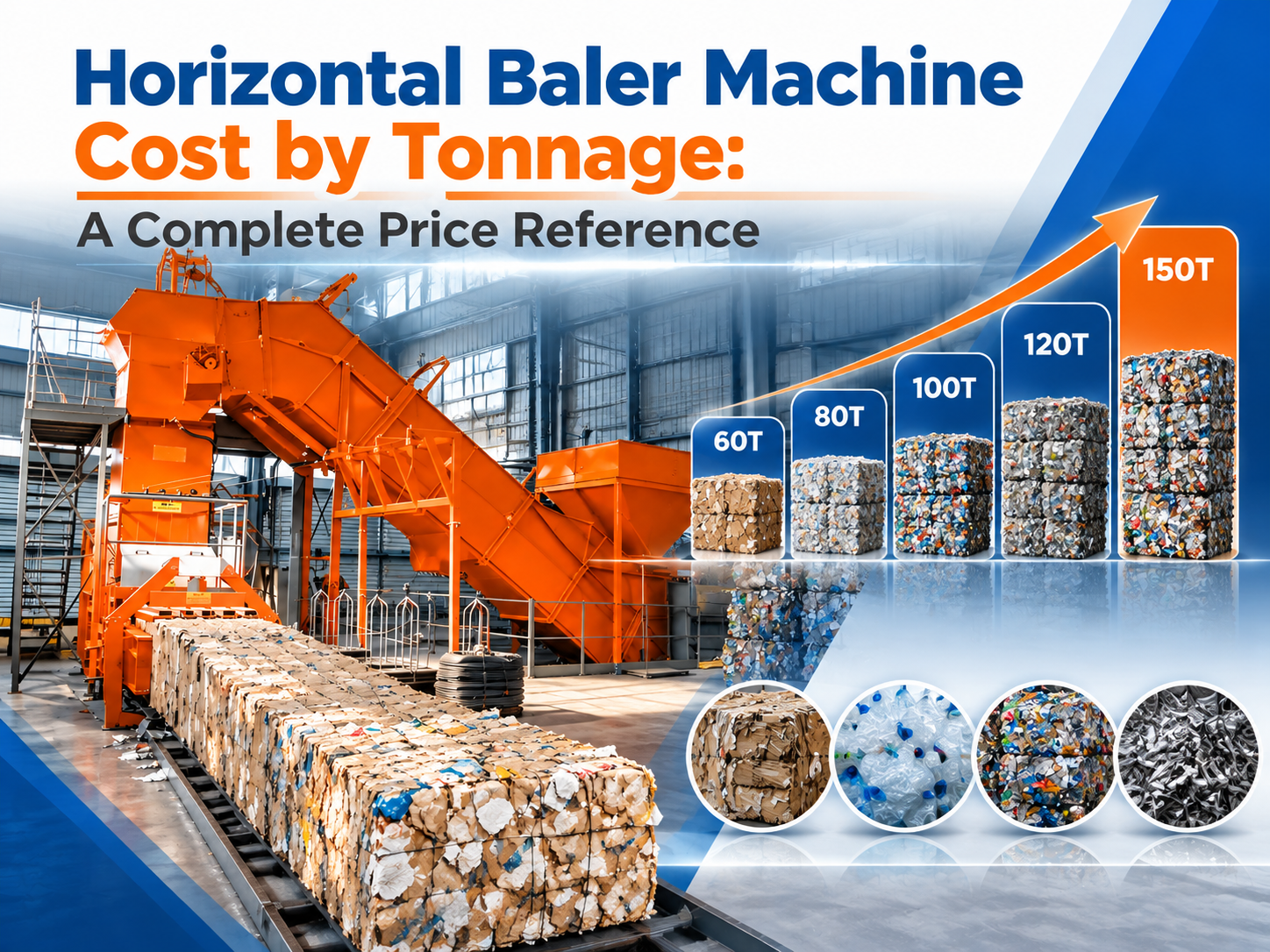
Investing in a horizontal baler is a significant capital expenditure for any waste management or metal fabrication facility. When researching the Horizontal Baler Machine Cost By Tonnage: A Complete Price Reference, it is essential to understand that pricing is not a one-size-fits-all metric. Generally, entry-level semi-automatic horizontal balers start in the $25,000 to $45,000 range, typically offering lower tonnage for light-duty cardboard or plastic applications. As you move into mid-range industrial units, prices often climb to between $60,000 and $120,000, providing the necessary force for denser materials.
High-capacity, fully automatic horizontal balers represent the premium tier of the market. These machines, designed for continuous operation and high-volume throughput, can range from $150,000 to well over $400,000 depending on the integration of conveyor systems, bale tying mechanisms, and specialized hydraulic power units. The cost is fundamentally tied to the structural integrity of the machine and the force it can exert on the material.
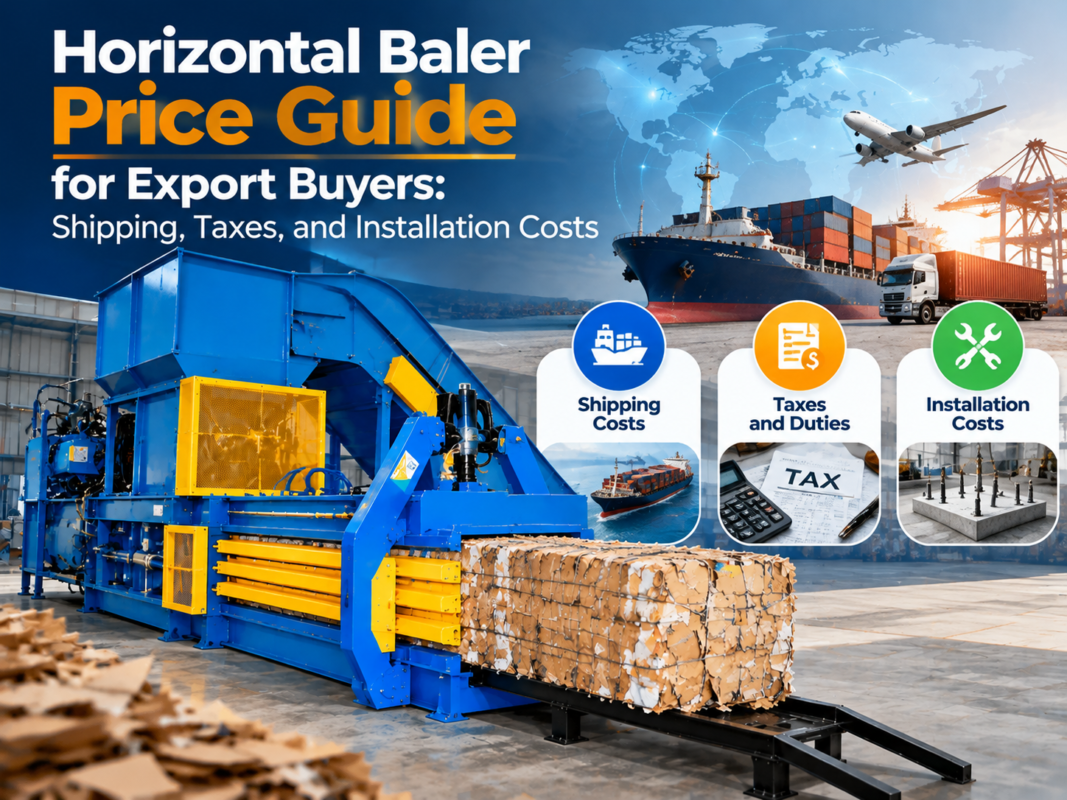
For businesses processing heavy scrap metal or high-density industrial waste, the tonnage requirement dictates the price floor. A 50-ton baler will naturally command a lower price point than a 150-ton heavy-duty shear baler. Understanding these brackets allows procurement managers to align their budgetary expectations with the operational demands of their facility. It is also important to note that global logistics, import tariffs, and local installation requirements can add 10-20% to the base machine price.
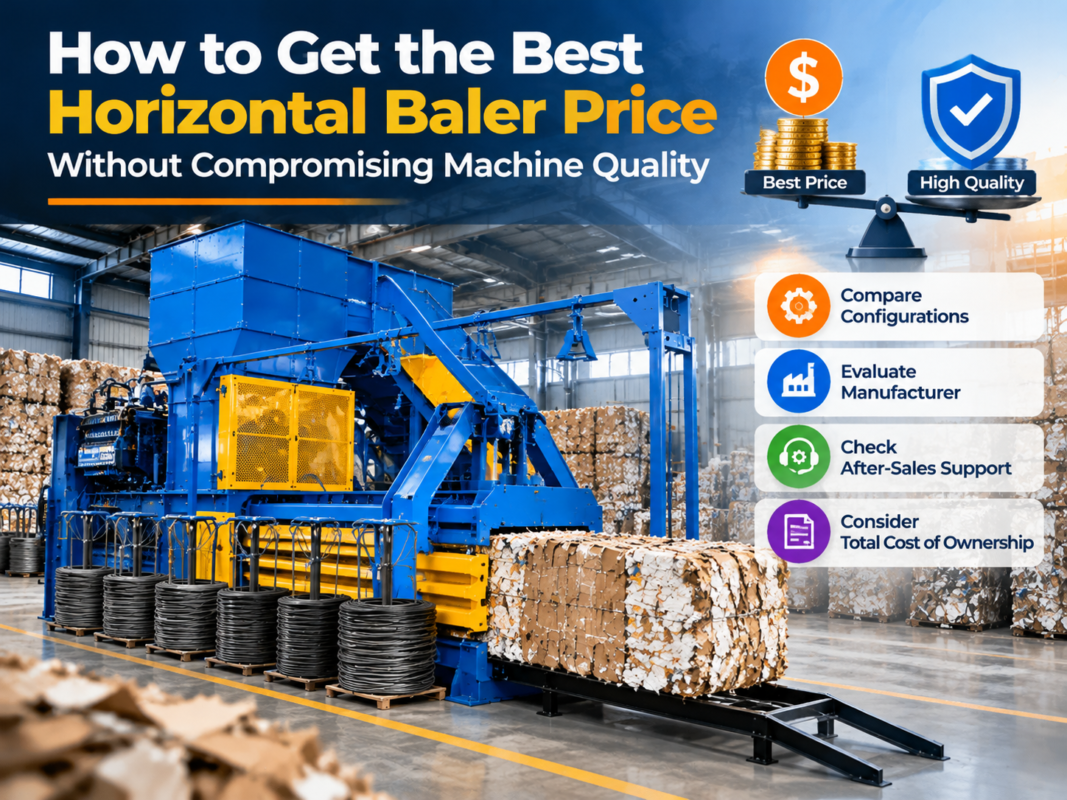
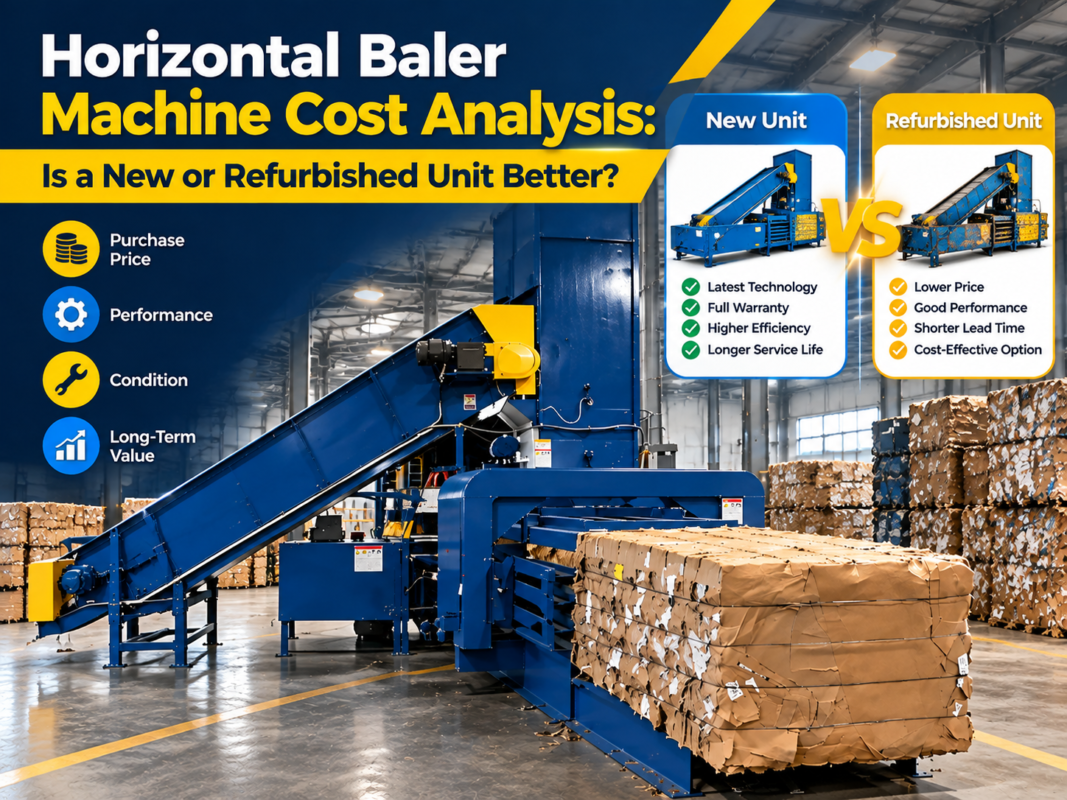
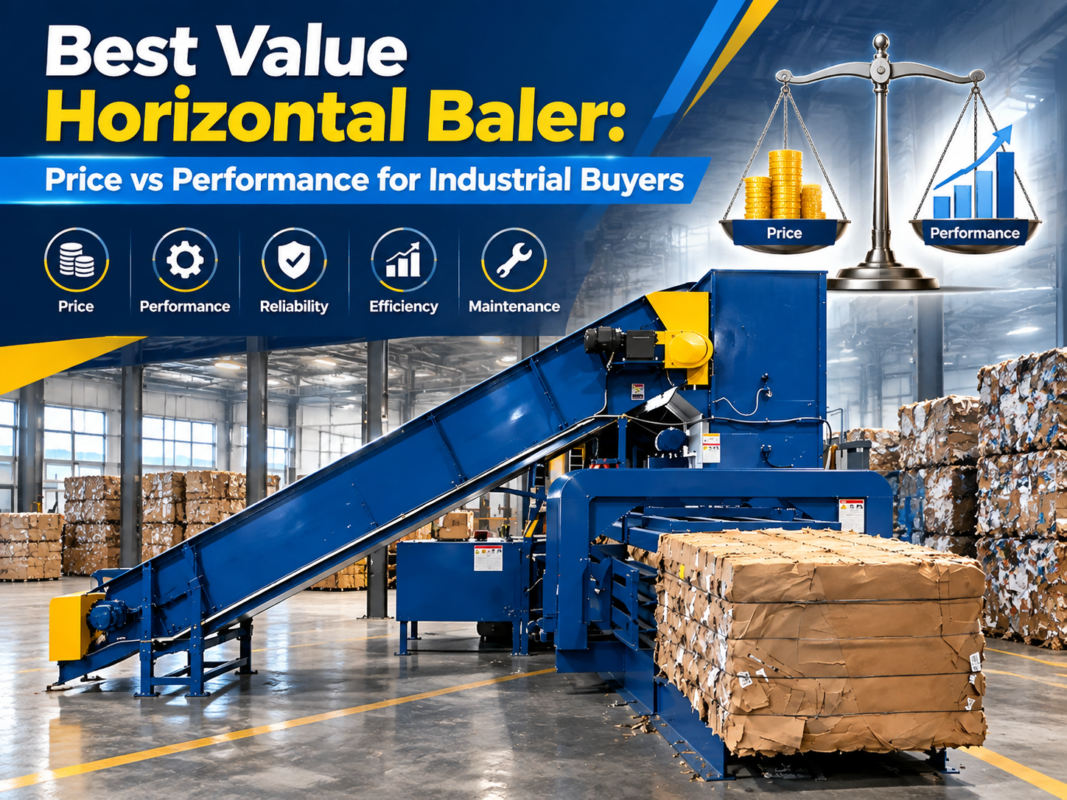
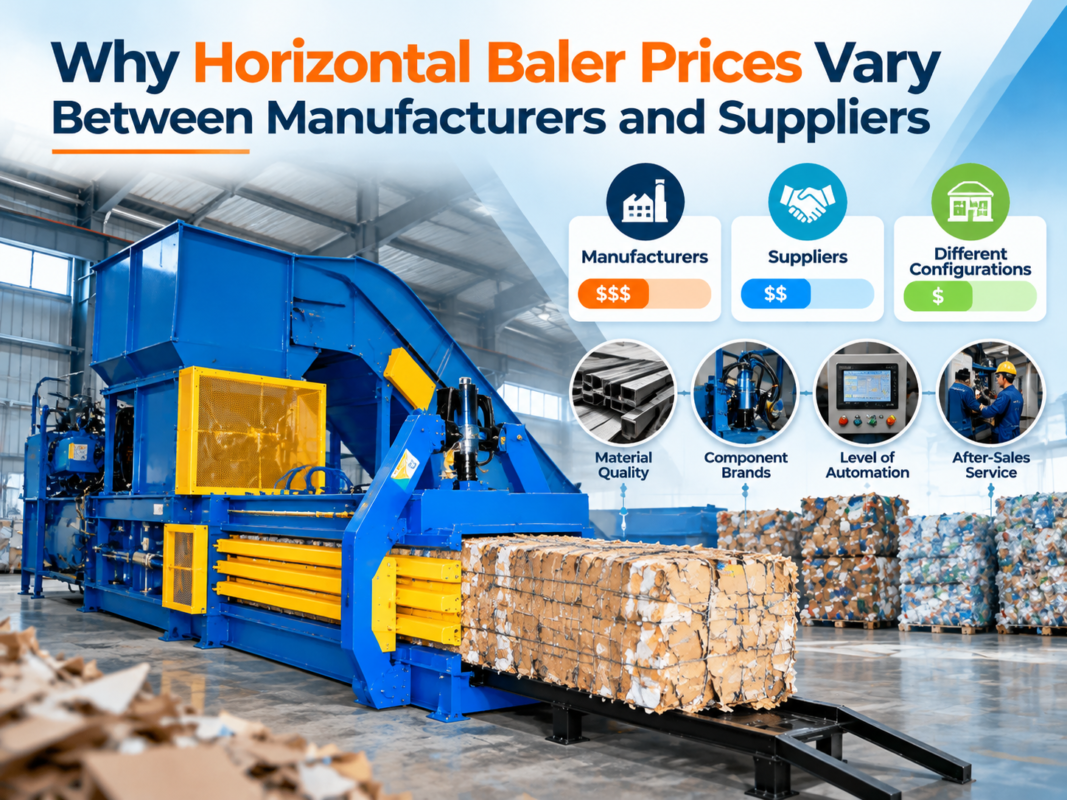
HARSLE emphasizes that while the initial purchase price is a critical factor, the total cost of ownership (TCO) should be the primary metric for decision-making. A cheaper machine with high maintenance requirements or frequent downtime will quickly exceed the cost of a more robust, higher-priced unit over a five-year period. Buyers should view the price as a reflection of the machine’s engineering quality, material thickness, and hydraulic efficiency.
Main Cost Drivers: What Influences the Price Tag?
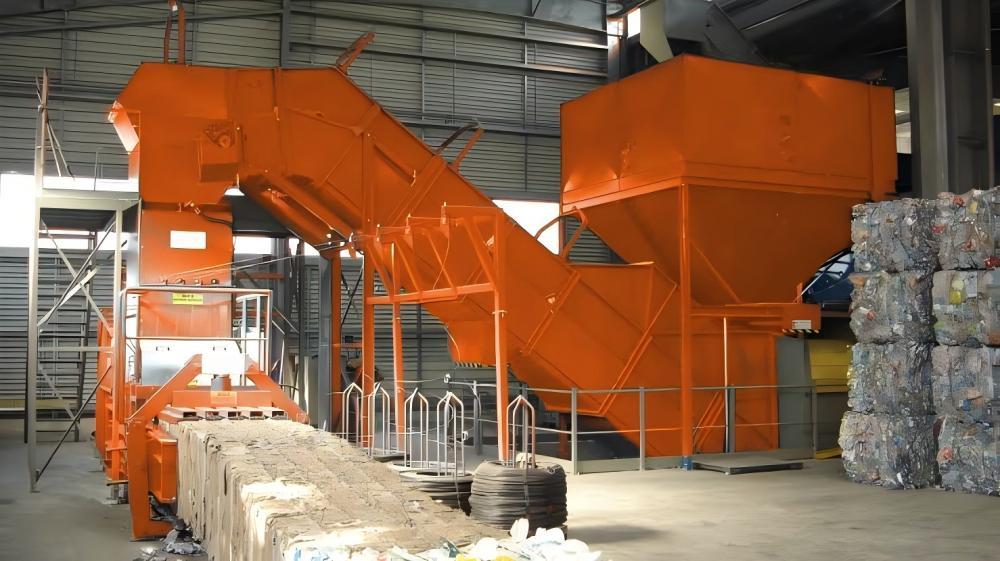
The primary driver of horizontal baler cost is the total pressing force, measured in tons. Higher tonnage requires thicker steel plate construction, more powerful hydraulic pumps, and reinforced structural frames to prevent deformation under pressure. When you increase the tonnage, you are essentially paying for the machine’s ability to handle denser, more difficult materials without compromising the structural lifespan of the unit.
Automation levels significantly impact the final price. A manual-tie baler requires an operator to physically secure the bale, which is labor-intensive but keeps the machine cost lower. In contrast, an automatic-tie system—which uses sophisticated sensors and mechanical arms to bind the bale—adds substantial cost due to the complexity of the PLC (Programmable Logic Controller) programming and the mechanical components involved in the tying cycle.
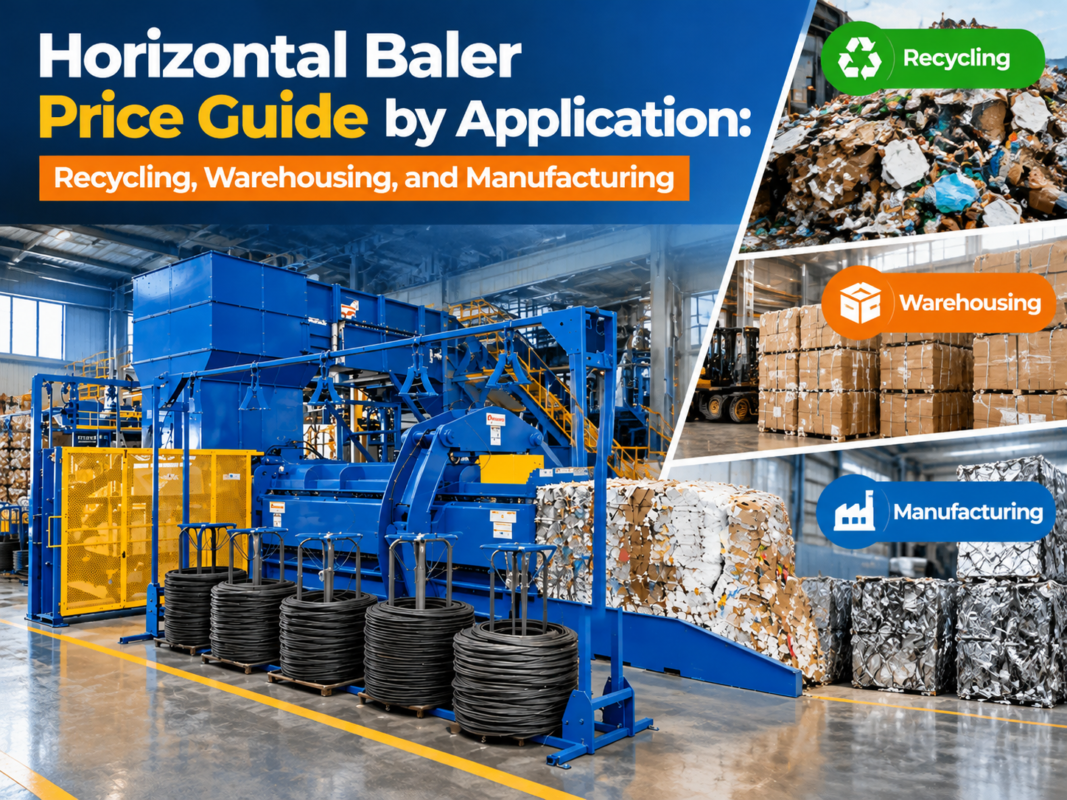
The type of material being processed is another major cost driver. Processing aluminum cans or light plastic requires different hydraulic configurations compared to processing heavy steel scrap or white goods. Machines designed for metal often require hardened wear liners, specialized shear blades, and reinforced rams, all of which increase the manufacturing cost compared to standard cardboard balers.
Finally, the throughput capacity (measured in tons per hour or bales per hour) dictates the size of the feed opening and the speed of the hydraulic cycle. A machine designed for high throughput requires a larger motor, a more robust cooling system to manage hydraulic oil temperatures, and a more sophisticated feed conveyor system. These components are not just add-ons; they are integral to the machine’s design and represent a significant portion of the total investment.
Configuration Impact: Customization and Efficiency
Customizing a horizontal baler allows businesses to optimize their workflow, but each customization adds to the base cost. For instance, adding a custom feed hopper or a specialized conveyor belt system can increase the price by $10,000 to $30,000. These additions are often necessary to integrate the baler into an existing production line, ensuring that waste is moved efficiently from the fabrication floor to the baling chamber.
The hydraulic system configuration is another area where costs vary. Variable displacement pumps, for example, are more expensive than fixed displacement pumps but offer significant energy savings over the life of the machine. By adjusting the flow based on the load, these systems reduce electricity consumption and heat generation, which in turn extends the life of the hydraulic seals and oil, providing a long-term cost benefit that justifies the higher upfront price.
Control systems and interface options also play a role. Modern HARSLE balers often feature advanced HMI (Human-Machine Interface) touchscreens that provide real-time data on bale weight, cycle times, and maintenance alerts. While a basic push-button control panel is cheaper, the diagnostic capabilities of a modern HMI can prevent costly downtime by alerting operators to potential issues before they cause a mechanical failure.
Safety features are non-negotiable but can vary in complexity. Light curtains, emergency stop interlocks, and automated gate systems are standard in high-end models. Investing in these features is not just about compliance; it is about protecting your workforce and reducing liability. When evaluating the Horizontal Baler Machine Cost By Tonnage: A Complete Price Reference, ensure that the quote includes all necessary safety guarding to meet local industrial standards.
Hidden Costs: Beyond the Sticker Price
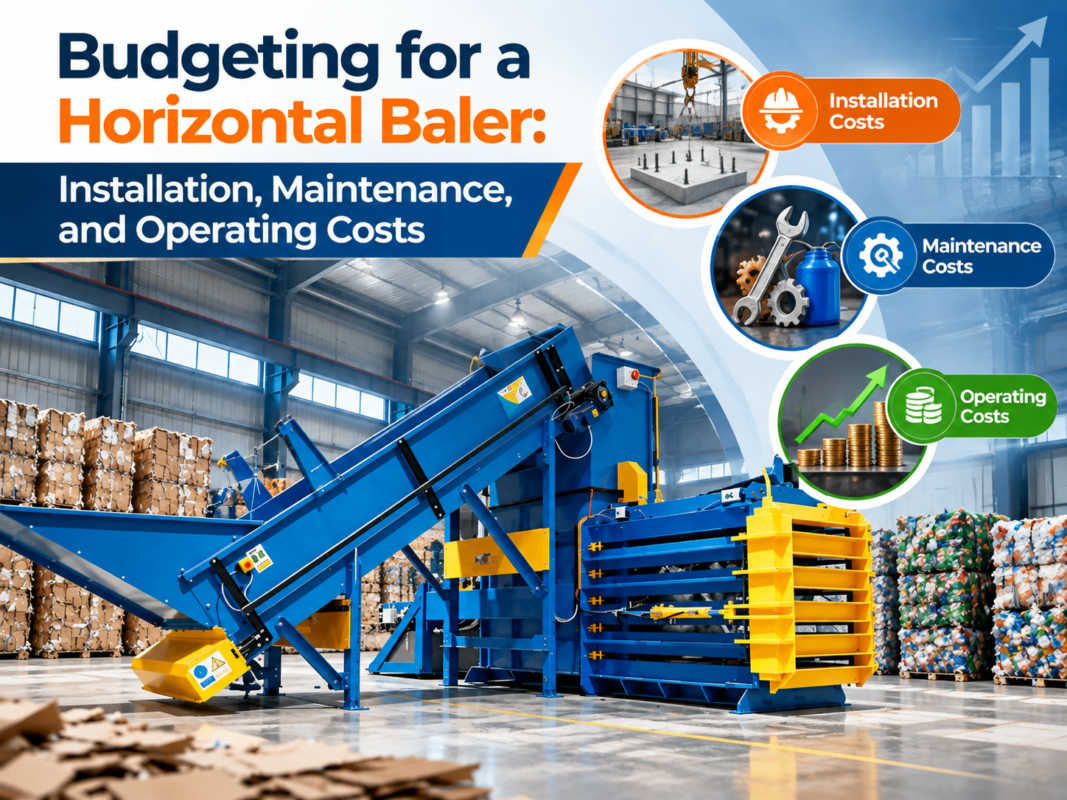
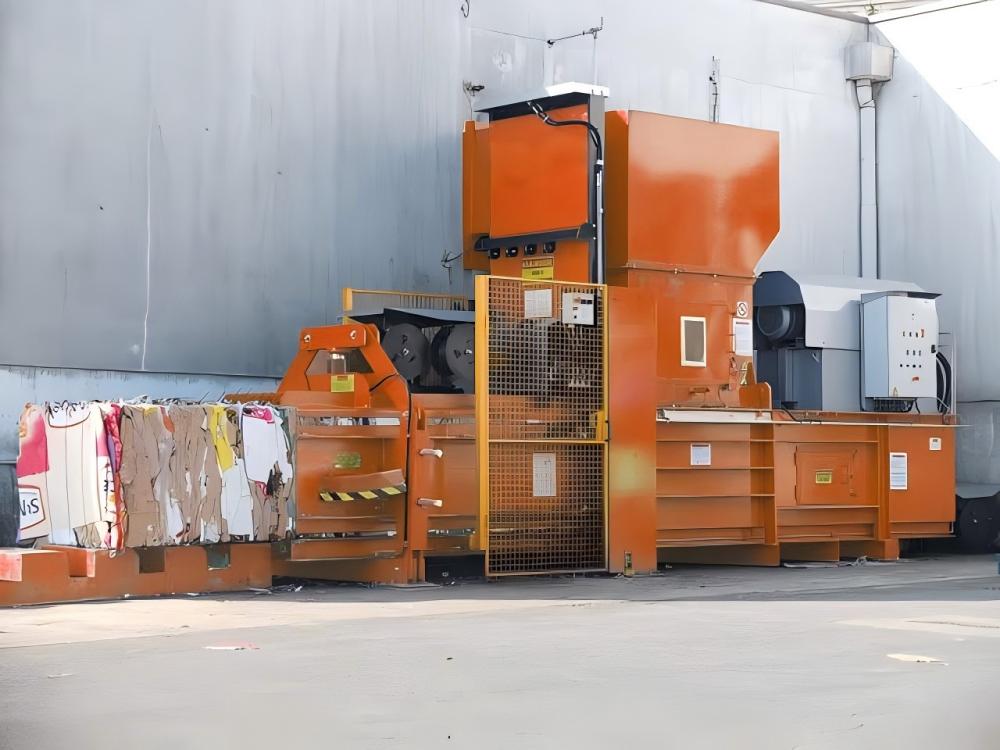
When budgeting for a horizontal baler, many buyers overlook the “hidden” costs associated with installation and site preparation. A heavy-duty baler requires a reinforced concrete pad to support its weight and the dynamic forces exerted during the compression cycle. If your facility floor is not rated for this load, you may face significant civil engineering costs before the machine can even be delivered.
Electrical infrastructure is another common oversight. High-tonnage balers often require high-voltage, three-phase power connections. If your facility lacks the necessary electrical capacity, you will need to budget for an electrician to upgrade your panel, install new transformers, or run dedicated high-amperage lines to the machine location. These costs can easily run into the thousands of dollars.
Shipping and rigging are often excluded from the base price of industrial machinery. Because horizontal balers are large and heavy, they often require specialized flatbed transport and crane services for unloading and positioning. Depending on the distance from the manufacturer and the complexity of the site access, logistics can add a significant percentage to the total project cost.
Finally, consider the cost of consumables and spare parts. While a machine might be competitively priced, the cost of proprietary tying wire, replacement shear blades, and specialized hydraulic filters can vary wildly between manufacturers. Always request a list of recommended spare parts and their pricing before finalizing your purchase to ensure that the long-term maintenance costs align with your operational budget.
ROI Calculation: Justifying the Investment
Calculating the Return on Investment (ROI) for a horizontal baler involves looking at three main areas: labor savings, waste disposal cost reduction, and revenue generation from baled materials. By automating the waste management process, you significantly reduce the man-hours required to handle, sort, and store loose waste. This labor can be redirected toward more productive fabrication tasks, directly impacting your bottom line.
Waste disposal costs are often calculated by volume. Loose waste takes up significant space in dumpsters, leading to frequent, expensive pickups. By compressing this waste into dense, stackable bales, you can reduce the number of dumpster hauls by up to 80-90%. The savings on hauling fees alone are often enough to pay for the machine within 18 to 36 months, depending on the volume of waste generated.
Revenue generation is the third pillar of ROI. Baled materials, especially metals like aluminum, copper, and steel, command a much higher price from recyclers than loose scrap. Because the material is clean, sorted, and easy to transport, recyclers are willing to pay a premium. When calculating your ROI, use the current market rates for your specific scrap materials to estimate the monthly income the baler will generate.
To perform an accurate ROI calculation, use the following formula: (Annual Savings from Hauling + Annual Revenue from Baled Scrap + Annual Labor Savings) / Total Machine Cost = Payback Period in Years. Remember to factor in the annual maintenance costs and electricity consumption to get a realistic net ROI. HARSLE provides consultation services to help clients estimate these figures based on their specific waste output and local market conditions.
Buying Advice: Selecting the Right Tonnage
Choosing the correct tonnage is the most critical step in the buying process. If you select a machine that is under-powered for your material, you will experience frequent jams, excessive wear on the hydraulic system, and poor bale density. Conversely, buying a machine that is significantly over-powered for your needs results in unnecessary capital expenditure and higher energy costs for every cycle.
Start by auditing your waste stream. Weigh your daily output and categorize the materials by type and density. A 50-ton baler might be perfect for a facility producing 5 tons of cardboard per week, but it would be completely inadequate for a facility producing 5 tons of steel scrap per day. Consult with HARSLE engineers to match your material density and volume with the appropriate ram force and chamber size.
Consider the future growth of your facility. If you anticipate an increase in production or a change in the type of materials you fabricate, it is often wise to invest in a machine with slightly more capacity than you currently need. While the upfront cost is higher, it prevents the need for a costly machine replacement in just a few years when your waste volume outgrows your equipment.
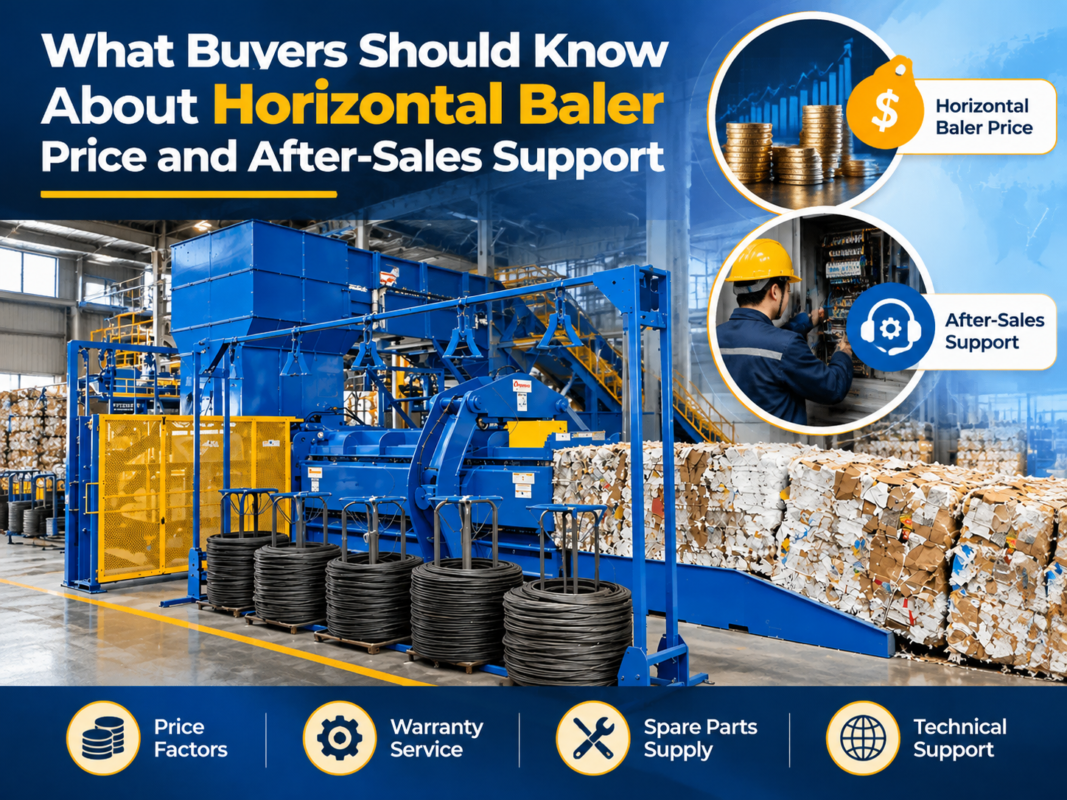
Finally, prioritize manufacturer support and parts availability. A horizontal baler is a long-term asset. Ensure that the supplier has a robust service network, readily available spare parts, and a reputation for technical support. A machine that is down for two weeks waiting for a part from overseas is a liability, regardless of how much money you saved on the initial purchase price.
FAQ: Frequently Asked Questions
- What is the typical lifespan of a horizontal baler? With proper maintenance and regular service, a high-quality industrial horizontal baler can last between 15 and 25 years.
- How often does a horizontal baler require maintenance? Routine maintenance, including hydraulic oil checks, filter changes, and blade sharpening, should be performed every 500 to 1,000 operating hours.
- Can one baler handle both metal and cardboard? While some multi-purpose balers exist, it is generally recommended to use specific machines for metal and others for paper/plastic to ensure optimal density and avoid cross-contamination.
- What is the difference between semi-automatic and automatic balers? Semi-automatic balers require an operator to manually feed the wire for each bale, whereas automatic balers use an integrated system to tie the bale without human intervention.
- Does HARSLE offer financing options for balers? Yes, HARSLE provides various financing and leasing solutions to help businesses manage the capital expenditure of industrial machinery.
- How do I determine the required tonnage for my waste? Tonnage is determined by the material type, the desired bale size, and the required throughput. Our engineering team can perform a site assessment to calculate the exact force needed.