Vertical Baler Quotation Guide: How to Read a Machinery Price List Correctly

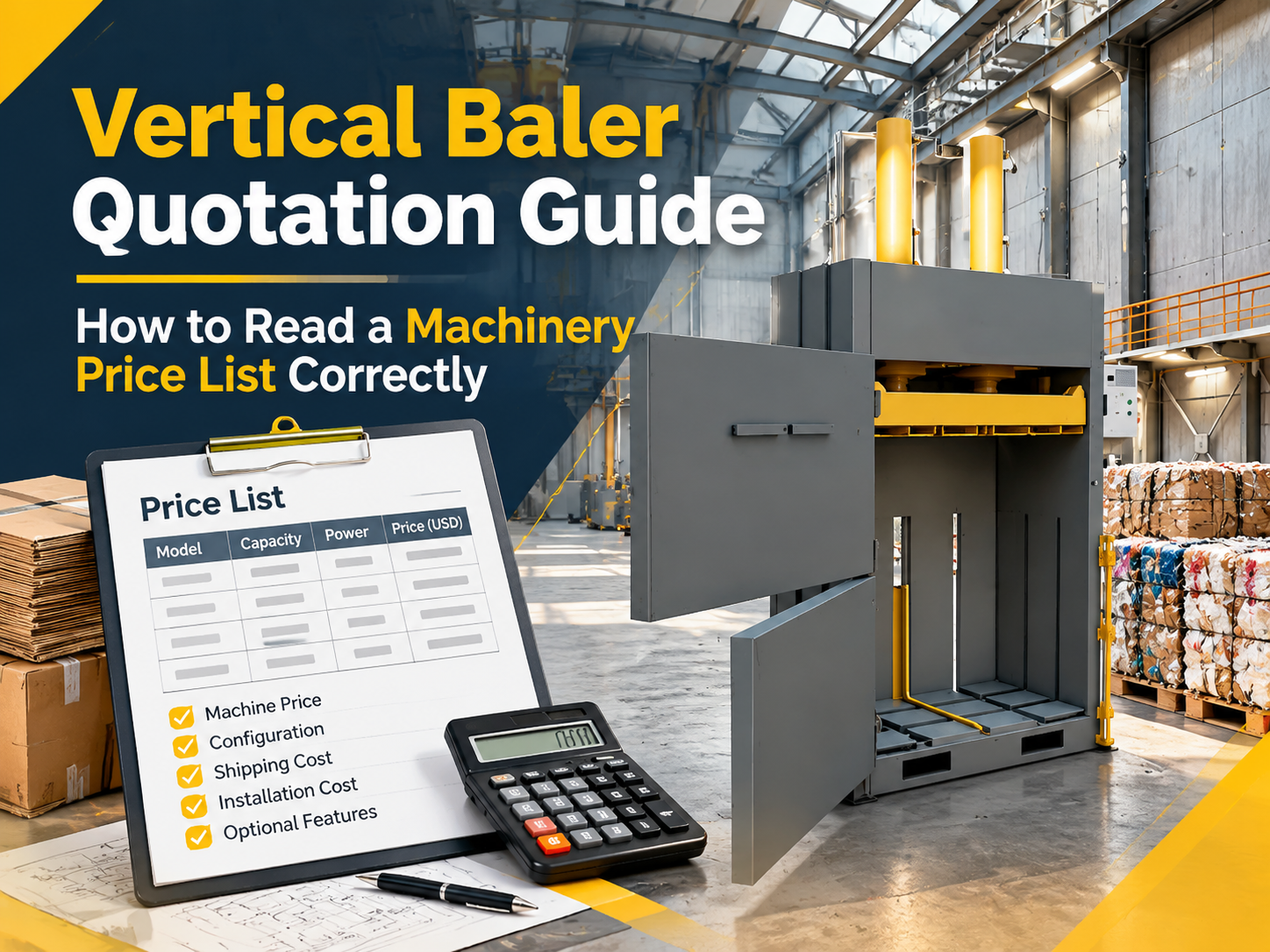
Understanding the Vertical Baler Quotation: An Introduction
Investing in industrial waste management equipment is a significant capital expenditure for any manufacturing facility. When you request a Vertical Baler Quotation, you are not just looking at a single number; you are looking at a complex document that reflects the engineering, safety standards, and operational capacity of the machine. Learning how to read a machinery price list correctly is the first step toward ensuring you get the best value for your investment.
At HARSLE, we believe in transparency. A professional quotation should be a roadmap that helps you understand exactly what you are paying for. Whether you are dealing with cardboard, plastic, or light metal scraps, the specifications listed in your quote directly correlate to the machine’s longevity and performance. This guide will walk you through the nuances of interpreting these documents to avoid common pitfalls.
Many buyers make the mistake of focusing solely on the bottom line. However, a low initial price can often lead to higher operational costs due to inefficiency or frequent maintenance requirements. By understanding the components of a Vertical Baler Quotation, you can compare apples to apples when evaluating different suppliers, ensuring that your choice aligns with your long-term production goals.
In this comprehensive guide, we will break down the anatomy of a machinery price list, explain the impact of various configurations, and provide you with a framework for calculating your Return on Investment (ROI). Let’s dive into the technical details that separate a high-quality industrial baler from a standard entry-level model.
Price Range Overview: What to Expect
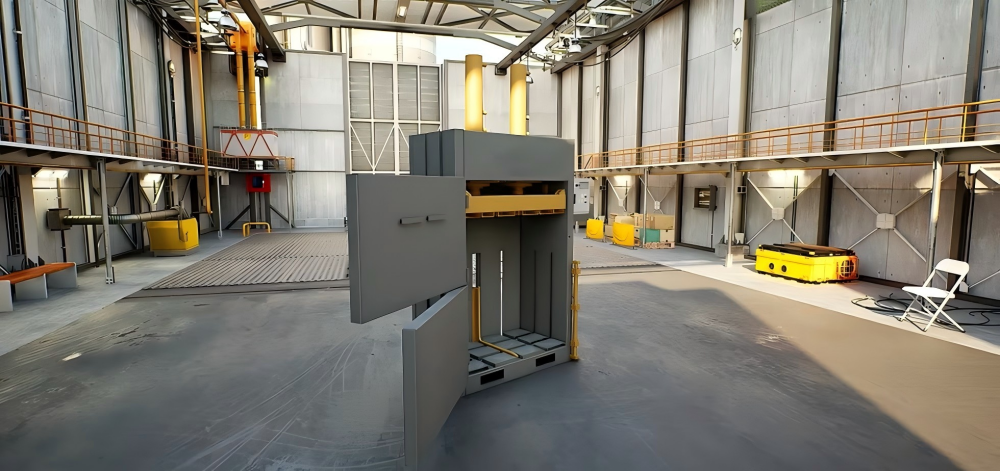
The price range for vertical balers varies significantly based on the force capacity, automation level, and build quality. Entry-level machines, often used for small retail environments or light cardboard recycling, typically fall into the lower price bracket. These machines are designed for intermittent use and have smaller footprints, making them ideal for businesses with limited space and lower waste volumes.
Mid-range vertical balers are the workhorses of the manufacturing industry. These units offer higher compaction forces and more robust hydraulic systems, allowing them to handle denser materials and higher daily throughputs. When you see these on a Vertical Baler Quotation, expect to pay for increased structural reinforcement and more sophisticated safety features, such as dual-cylinder systems and automated bale ejection mechanisms.
High-end or heavy-duty industrial balers represent the top tier of the market. These machines are engineered for 24/7 operation in demanding environments. They often feature programmable logic controllers (PLCs), advanced sensor technology, and reinforced chambers designed to withstand the pressure of compacting heavy-gauge materials. While the initial investment is higher, the cost-per-bale is significantly lower due to superior efficiency.
It is important to note that regional pricing, shipping logistics, and import duties can also influence the final price list. When reviewing a quote from HARSLE, ensure that you are clear on whether the price includes delivery, installation, and commissioning. These services are often bundled or listed as separate line items, and understanding their placement in the document is crucial for accurate budgeting.
Main Cost Drivers in Industrial Machinery
The primary cost driver in any vertical baler is the hydraulic system. The pump, motor, and cylinder assembly determine the machine’s compaction force, which is measured in tons. A higher tonnage requirement necessitates a more powerful motor and a thicker, more durable hydraulic cylinder, both of which increase the cost of the machine significantly.
Structural integrity is the second major cost factor. The steel thickness of the chamber, the quality of the welds, and the design of the door locking mechanisms all contribute to the price. A machine built with high-grade structural steel will last decades, whereas a lighter-gauge machine may suffer from metal fatigue and deformation under heavy loads. Always check the material specifications in your quote to ensure they meet your operational demands.
Automation features also play a critical role in the final price. Manual balers require significant operator intervention, while semi-automatic or fully automatic models reduce labor costs by streamlining the bale tying and ejection processes. While these features increase the upfront price, they often pay for themselves through reduced labor hours and increased safety for your personnel.
Finally, safety and compliance certifications are non-negotiable costs. A reputable manufacturer like HARSLE invests heavily in safety interlocks, emergency stop systems, and light curtains to protect operators. These features are built into the price of the machine. When comparing quotes, be wary of suspiciously low prices that may indicate a lack of safety compliance or the use of inferior, non-certified components.
Configuration Impact: Customizing Your Quote
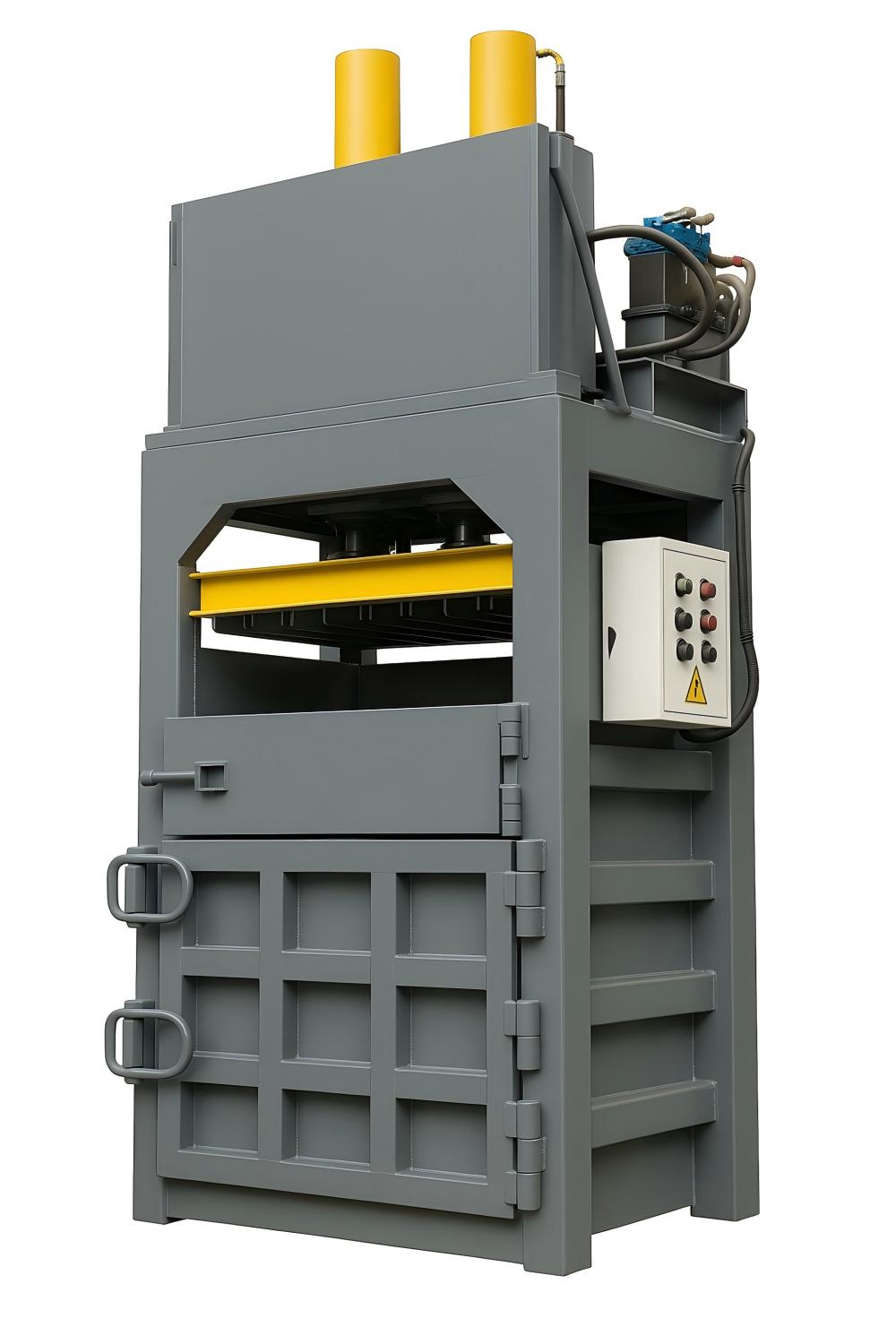
When you read a machinery price list, you will often find various optional configurations. These are not just “add-ons”; they are functional upgrades that tailor the baler to your specific waste stream. For example, if you are baling plastic bottles or aluminum cans, you may need a baler with a specialized chamber design or a liquid drainage system to prevent contamination.
The size of the feed opening is another configuration factor that impacts price. A larger feed opening allows for easier loading of bulky materials, reducing the need for pre-processing or shredding. While a larger opening requires a larger machine frame, the time saved in material handling can be substantial. Ensure your quote specifies the feed opening dimensions clearly so you can plan your workflow accordingly.
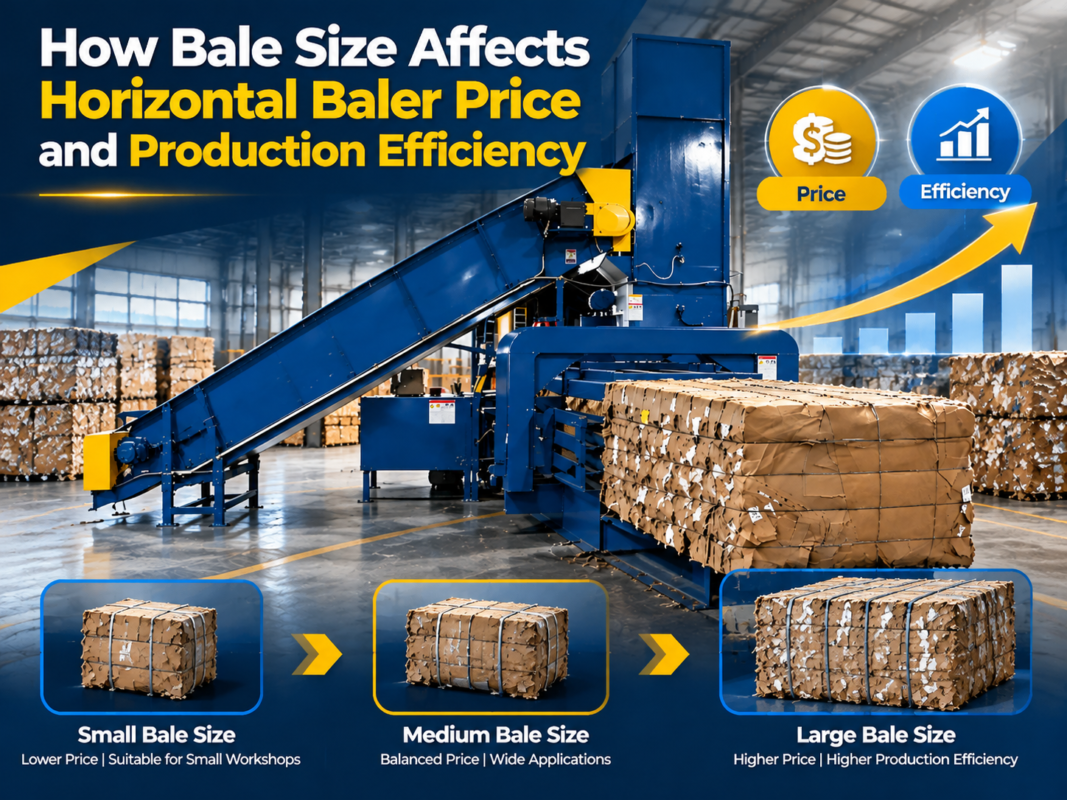
Bale size and weight are also configurable. If your logistics provider requires specific bale dimensions to fit into standard shipping containers or onto pallets, you must ensure the baler you choose can produce those exact sizes. Custom chamber sizes may be available upon request, though these will typically be listed as a custom modification charge on your quotation.
Consider the power supply requirements as well. Some industrial balers require three-phase power, while smaller units may run on standard single-phase electricity. If your facility does not have the necessary electrical infrastructure, the cost of upgrading your power supply should be factored into your overall project budget, even if it does not appear on the baler quotation itself.
Hidden Costs: Beyond the Sticker Price
A common mistake when reading a Vertical Baler Quotation is ignoring the “hidden” costs of ownership. These include installation, training, and ongoing maintenance. Installation is not just about placing the machine; it involves anchoring, electrical connection, and hydraulic fluid filling. If your quote does not include professional installation, you will need to hire third-party contractors, which can be a significant expense.
Training is another often-overlooked cost. To ensure the longevity of your machine and the safety of your staff, your team must be trained on proper operation and daily maintenance routines. HARSLE provides comprehensive documentation, but on-site training sessions are an invaluable investment that prevents costly operator errors and downtime.
Maintenance consumables are also part of the long-term cost equation. This includes hydraulic oil, replacement seals, and baling wire or strapping material. Ask your supplier for a list of recommended spare parts and the expected frequency of routine maintenance. A machine that requires proprietary, expensive parts will have a higher total cost of ownership than one that uses standard, widely available components.
Finally, consider the cost of downtime. If your baler breaks down, how quickly can you get a technician on-site? Does the supplier have a local service network? A slightly more expensive machine from a supplier with excellent after-sales support is almost always a better financial decision than a cheaper machine that leaves you stranded when a critical component fails.
ROI Calculation: Justifying the Investment
To calculate the ROI of your vertical baler, you must look at the savings generated by the machine. The most immediate savings come from reduced waste disposal fees. By compacting your waste into dense, manageable bales, you significantly reduce the volume of material that needs to be hauled away, leading to fewer dumpster pickups and lower transportation costs.
Another revenue stream is the sale of baled recyclables. Many recycling centers pay a premium for clean, sorted, and baled materials like cardboard or aluminum. When you present your Vertical Baler Quotation to your management team, include a projection of the monthly revenue you expect to generate from selling these bales. This often turns the baler from a cost center into a profit center.
Labor efficiency is the third pillar of your ROI calculation. Calculate the number of man-hours currently spent breaking down boxes, managing loose waste, and cleaning up the loading dock. A vertical baler automates these tasks, freeing up your employees to focus on core production activities. The value of this reclaimed time should be factored into your financial justification.
Finally, consider the environmental and space-saving benefits. A cleaner, more organized facility is safer and more productive. By removing the clutter of loose waste, you reduce fire hazards and improve the flow of materials through your plant. These qualitative benefits, while harder to quantify, contribute significantly to the overall operational efficiency of your business.
Buying Advice: Making the Right Choice
When you are ready to move forward with a purchase, start by creating a comparison matrix. List the specifications of the machines you are considering, including compaction force, cycle time, bale weight, and warranty terms. Use this matrix to compare the quotes side-by-side, ensuring you are comparing machines with similar capabilities.
Don’t hesitate to ask for references. A reputable manufacturer will be happy to provide contact information for other businesses that have purchased similar equipment. Speaking with a current user can provide invaluable insights into the machine’s reliability, the ease of maintenance, and the quality of the manufacturer’s support team.
Check the warranty terms carefully. A standard warranty covers parts and labor for a specific period, but some manufacturers offer extended warranties or service contracts. Understand what is excluded from the warranty—typically, wear-and-tear items like seals and hoses are not covered. Knowing this upfront will prevent surprises down the road.
Finally, trust your gut regarding the supplier’s communication. If a company is slow to respond to your questions or provides vague answers about their equipment, it is a red flag. At HARSLE, we pride ourselves on clear, professional communication throughout the entire sales process. We want you to feel confident in your decision, knowing that you have all the information necessary to make an informed choice.
FAQ: Frequently Asked Questions
- What is the typical lifespan of a vertical baler? With proper maintenance, a high-quality vertical baler can last 10 to 15 years or more in a standard industrial environment.
- How often should I perform maintenance on my baler? We recommend daily visual inspections and a comprehensive professional service check every 6 to 12 months, depending on usage intensity.
- Can one baler handle multiple types of waste? Yes, but you must ensure the machine is rated for the materials you intend to process. Mixing materials can sometimes affect the quality of the bales.
- What happens if the baler gets jammed? Most modern balers have built-in safety features that stop the machine if a jam is detected. Never attempt to clear a jam without following the manufacturer’s lockout/tagout procedures.
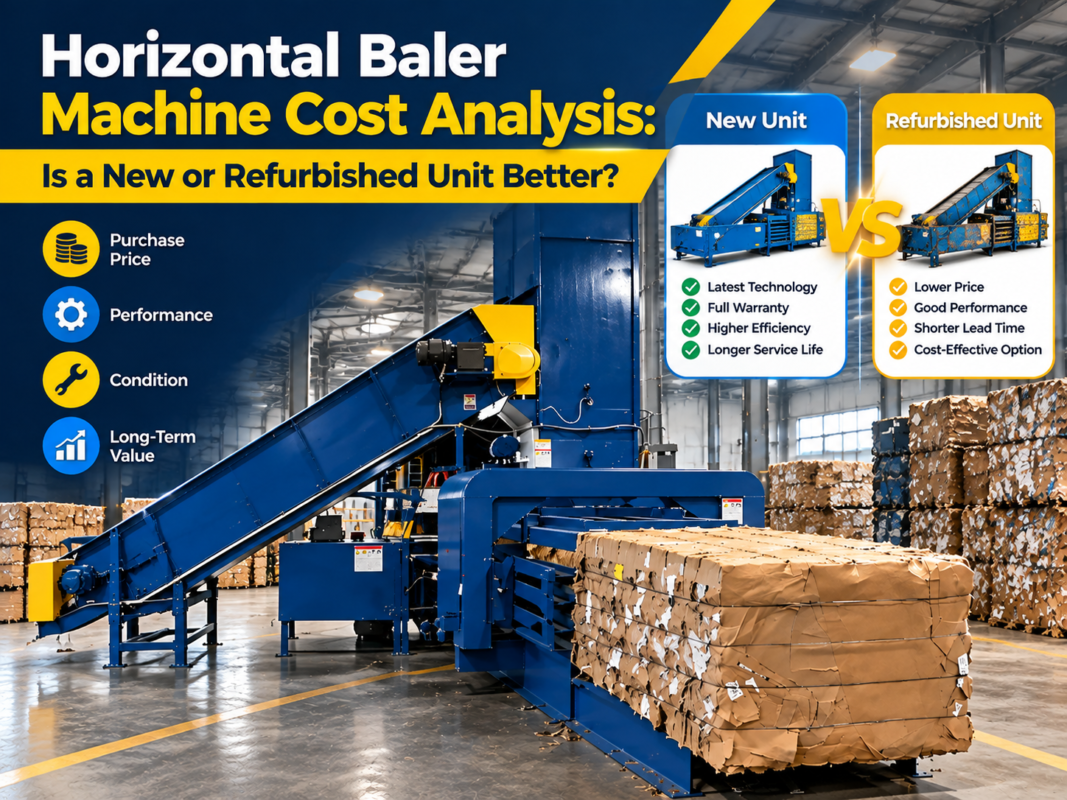
- Is it better to buy new or used? While used machines are cheaper, they come with unknown histories and no manufacturer warranty. For critical production lines, new equipment is almost always the safer, more reliable investment.
- How do I know what size baler I need? Calculate your daily waste volume and the dimensions of your largest waste items. Our sales team can help you select the right model based on these metrics.
By following this guide, you will be well-equipped to navigate the complexities of a Vertical Baler Quotation. Remember that the goal is not just to buy a machine, but to invest in a solution that improves your facility’s efficiency, safety, and bottom line. HARSLE is here to support you at every step of that journey.