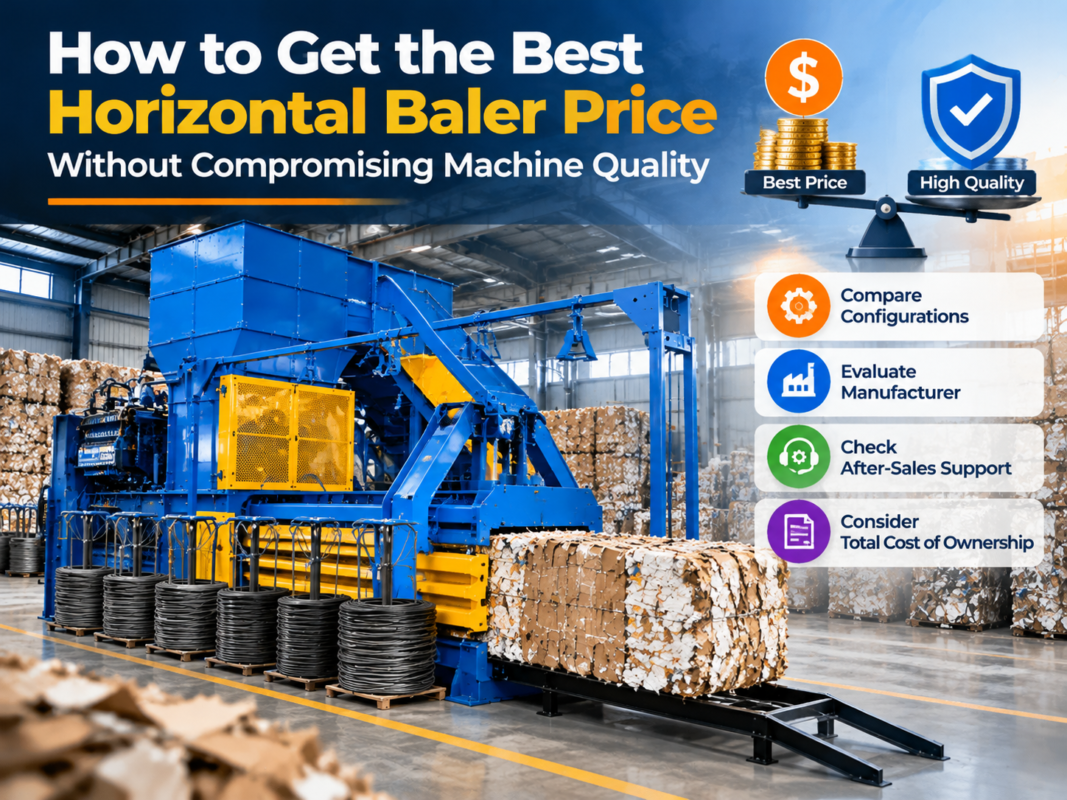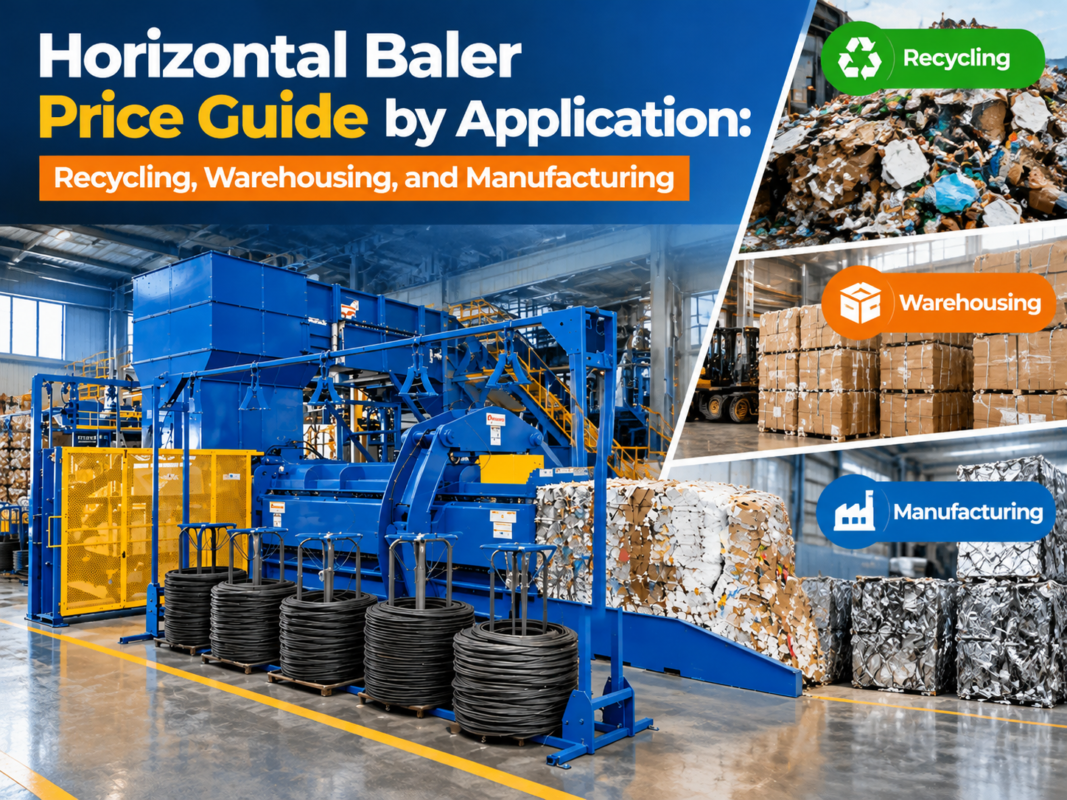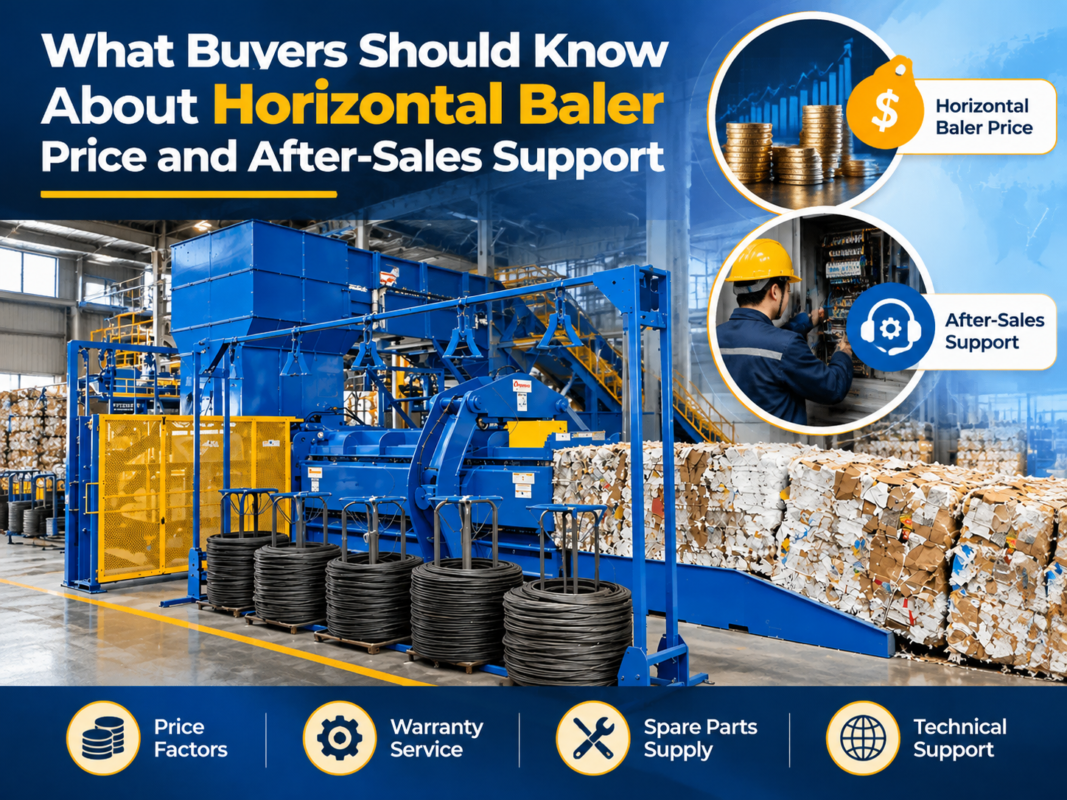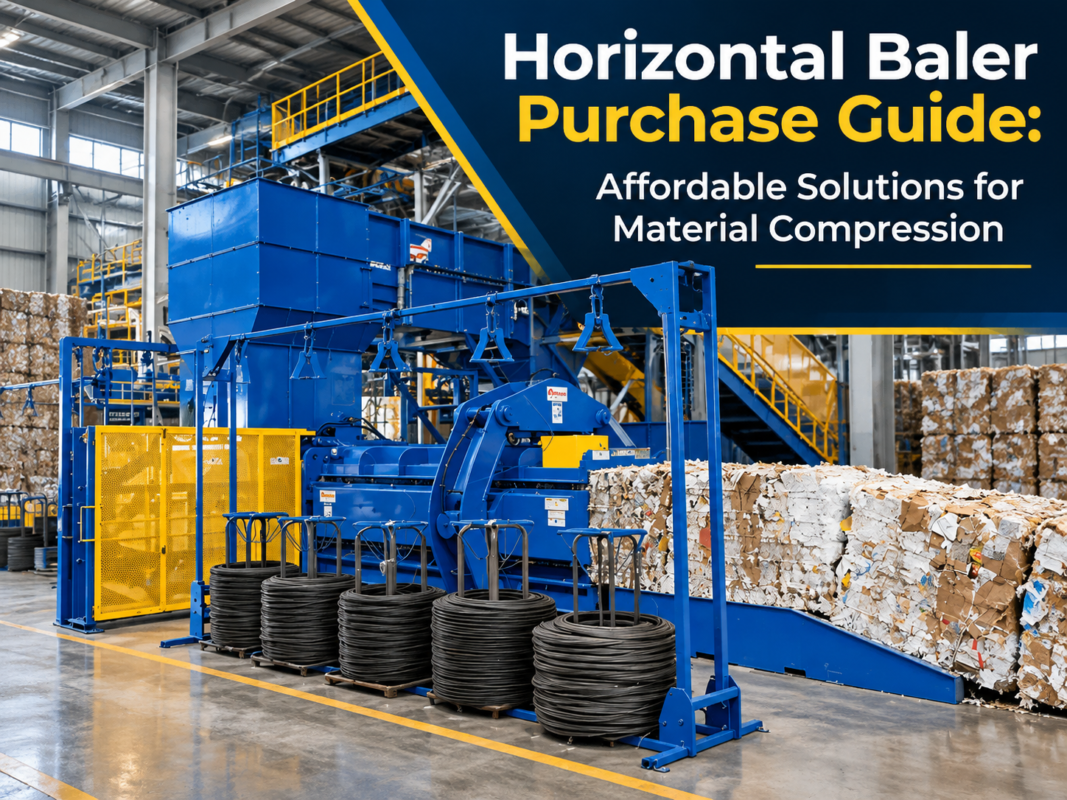
How to Compare Vertical Baler Prices for Small Warehouses and Recycling Centers

Price Range Overview: Understanding the Market
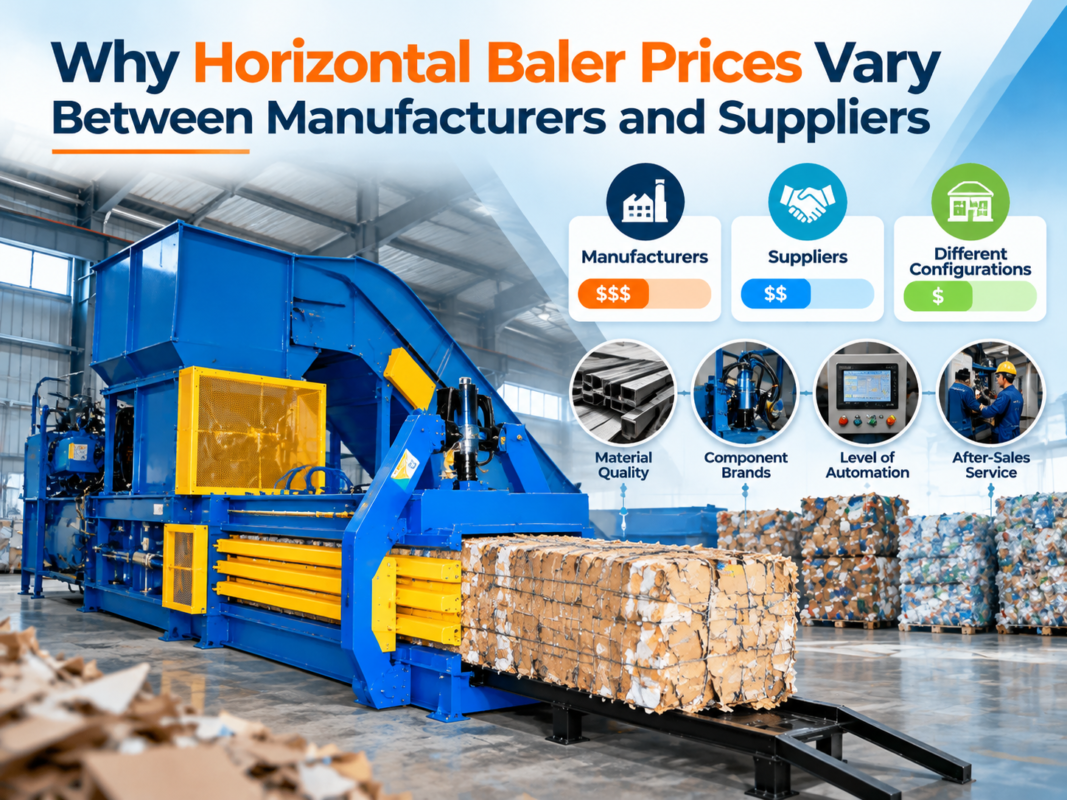
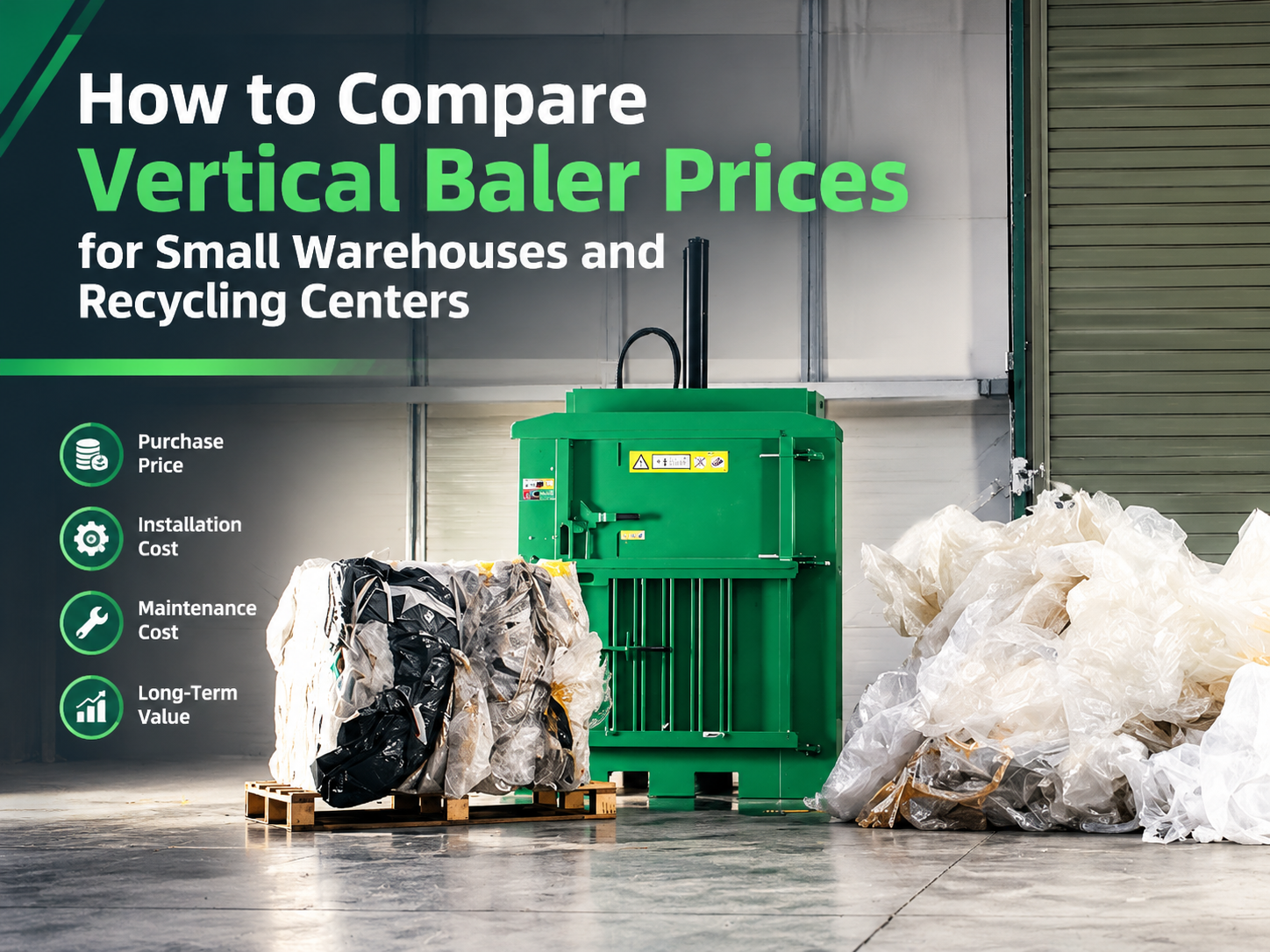
When you set out to compare vertical baler prices for small warehouses and recycling centers, the first hurdle is the sheer variance in market pricing. Vertical balers are not one-size-fits-all commodities; they are engineered solutions designed to handle specific volumes of waste, from corrugated cardboard and plastic film to aluminum cans and scrap metal. For small-scale operations, entry-level vertical balers can range from $3,000 to $7,000, typically featuring manual operation and smaller footprints. These units are ideal for retail stores or small warehouses with low-to-moderate waste output.
Moving into the mid-range category, which is the sweet spot for most recycling centers, prices generally fall between $8,000 and $15,000. These machines offer semi-automatic features, higher compaction forces, and more robust hydraulic systems. They are designed to withstand daily, multi-shift operation without significant downtime. Investing in this price bracket often provides the best balance between initial capital expenditure and long-term operational efficiency.
High-end, heavy-duty vertical balers can exceed $20,000. These machines are built for industrial-grade throughput, featuring automated bale ejection, programmable logic controllers (PLCs), and safety interlocks that meet stringent international standards. While the price tag is higher, these machines are built for longevity and high-density output, which can significantly reduce logistics costs by maximizing the weight of each bale transported to recycling facilities.
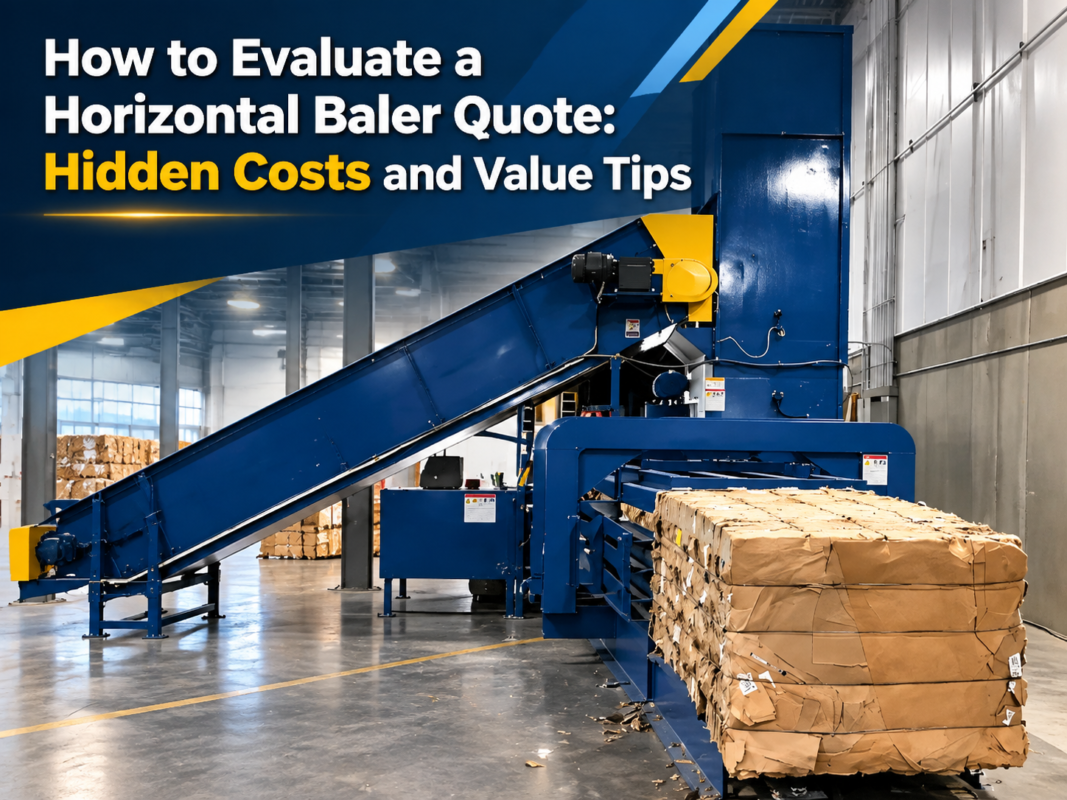
It is crucial to understand that the price you see on a quote is rarely the final cost. When you compare vertical baler prices for small warehouses and recycling centers, you must account for shipping, installation, and site preparation. Many buyers make the mistake of focusing solely on the sticker price, ignoring the fact that a cheaper machine with higher maintenance requirements will eventually cost more than a premium unit over a five-year lifecycle.
Main Cost Drivers: What Influences the Price Tag?
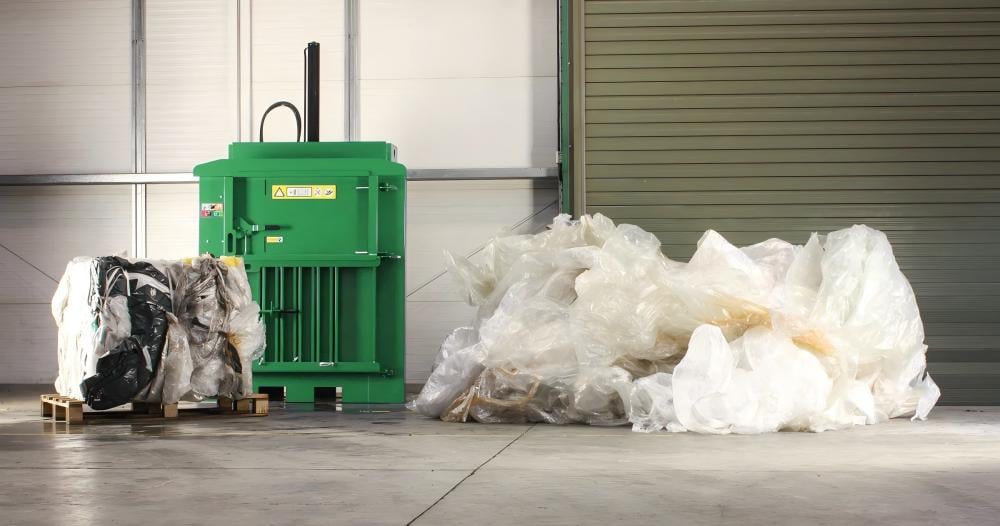
The primary driver of vertical baler pricing is the compaction force, measured in tons. A machine capable of exerting 50 tons of pressure will naturally cost more than one exerting 10 tons. This force is dictated by the hydraulic cylinder size and the motor horsepower. For small warehouses, you might only need 10-20 tons to handle cardboard, but recycling centers processing denser materials like PET bottles or aluminum will require significantly higher force to achieve a marketable bale density.
Material construction is another significant factor. High-quality vertical balers utilize reinforced steel plating and heavy-duty structural beams to prevent bowing under pressure. Cheaper models may use thinner gauge steel, which can lead to structural fatigue and machine failure after only a few years of heavy use. When comparing quotes, always ask about the thickness of the chamber walls and the quality of the hydraulic seals.
The complexity of the control system also impacts the price. Basic machines use simple push-button controls, while advanced units feature HMI (Human-Machine Interface) touchscreens that provide real-time data on bale weight, cycle counts, and maintenance alerts. While these features add to the initial cost, they provide invaluable data for recycling centers looking to optimize their waste management workflows and track productivity metrics.
Finally, the brand reputation and support network play a role in the cost. HARSLE, for instance, invests heavily in R&D and after-sales support. When you purchase from an established manufacturer, you are paying for the peace of mind that comes with readily available spare parts, technical support, and a warranty that actually covers the critical components of the machine. Cheap, unbranded imports might save you money upfront, but the lack of parts availability can lead to weeks of downtime.
Configuration Impact: Tailoring the Machine to Your Needs
Configuration is where the price can fluctuate based on your specific operational requirements. For example, a standard front-loading door is the most economical choice. However, if your warehouse has limited space, you might require a side-loading or rear-loading configuration. These custom engineering requirements add to the manufacturing time and, consequently, the final price of the baler.
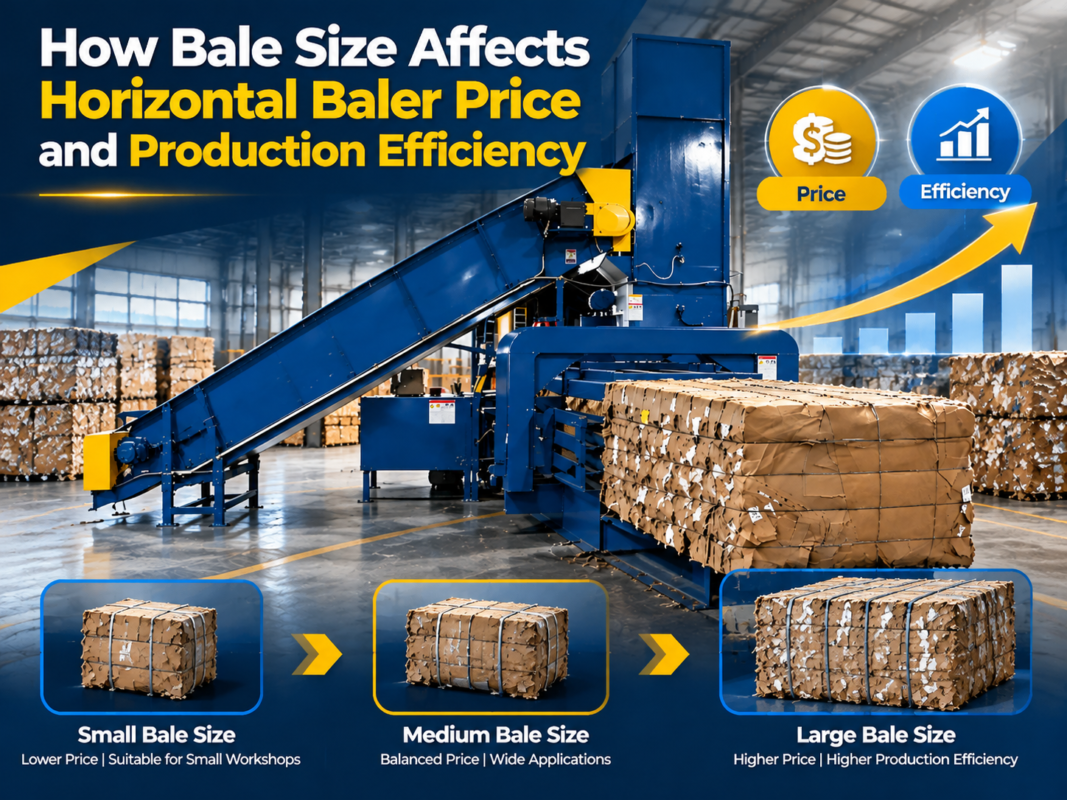
Another configuration factor is the bale size. Standard balers produce bales that fit perfectly on a standard pallet. If your recycling center requires specific bale dimensions to meet the requirements of a particular paper mill or plastic recycler, you may need a custom chamber size. Customization is a major cost driver, but it is often necessary to ensure that your output is optimized for your downstream buyers.
Safety features are non-negotiable, but the level of automation can be customized. Features like automatic bale ejection, which uses a hydraulic ram to push the finished bale out of the chamber, significantly reduce labor time and physical strain on employees. While this adds to the cost, the reduction in labor hours often pays for the feature within the first year of operation. For small warehouses, manual ejection might suffice, but for high-volume recycling centers, automation is a necessity.
Consider the power requirements as well. Most vertical balers run on 3-phase power, which is standard in industrial settings. If your facility only has single-phase power, you may need a machine with a specialized motor or a phase converter. While this adds to the initial investment, it is a critical configuration detail that must be addressed during the quoting process to avoid expensive electrical upgrades later.
Hidden Costs: Beyond the Sticker Price
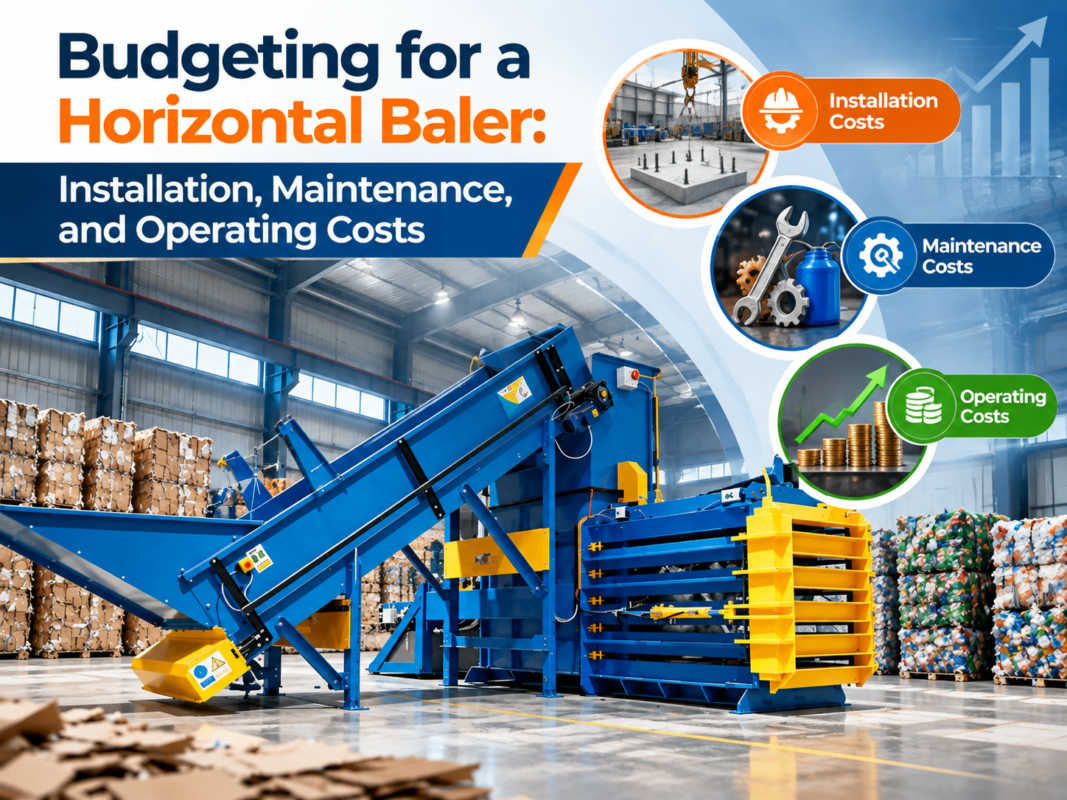
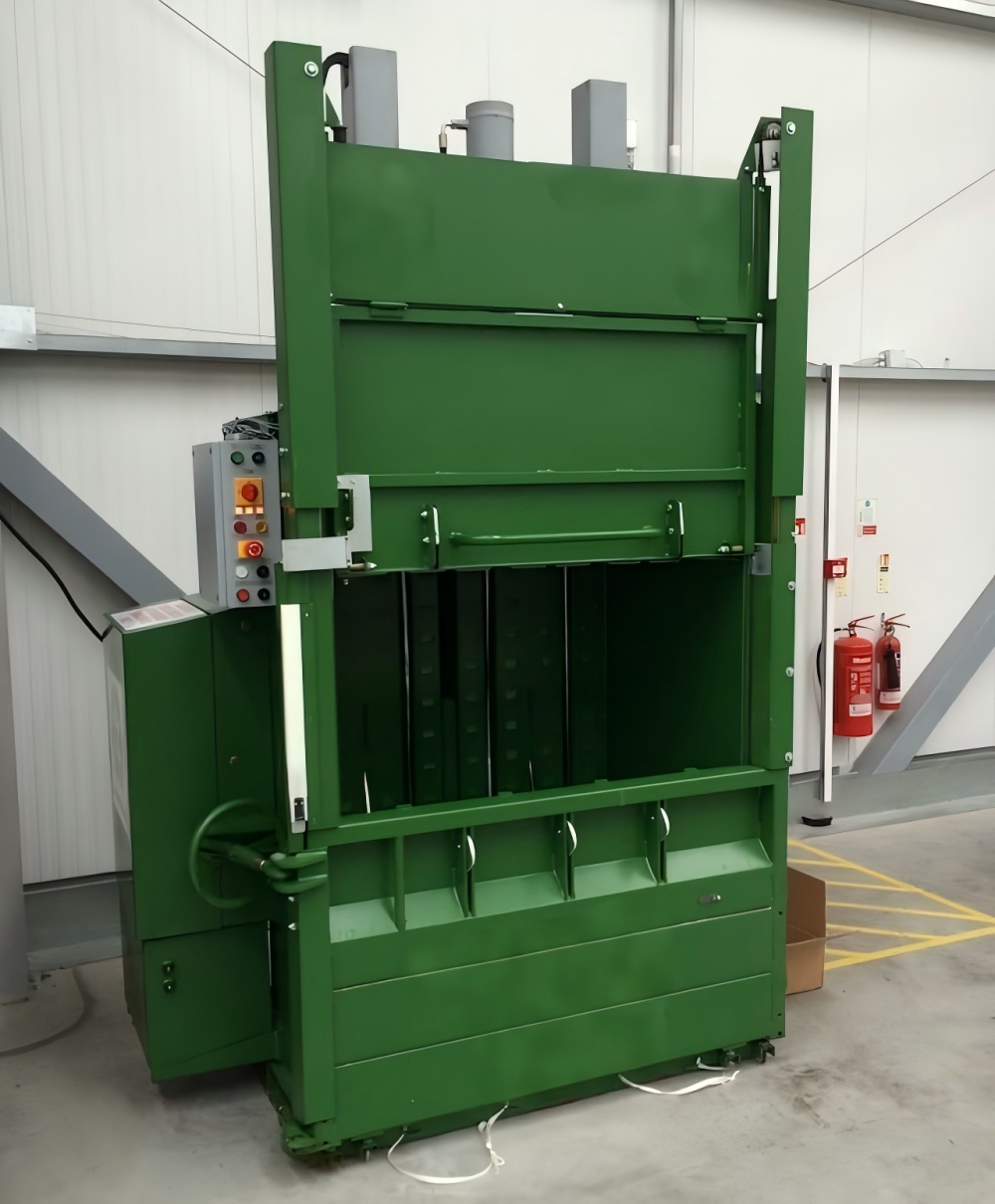
When you compare vertical baler prices for small warehouses and recycling centers, you must account for the “hidden” costs of ownership. Installation is the most common oversight. A vertical baler is a heavy piece of industrial machinery that requires a level, reinforced concrete floor. If your warehouse floor is not up to spec, you may need to pour a new pad, which can cost thousands of dollars.
Maintenance is another ongoing expense. Hydraulic fluid changes, seal replacements, and electrical inspections are necessary to keep the machine running safely. When comparing quotes, ask the supplier for a recommended maintenance schedule and the estimated annual cost of parts. Some manufacturers offer service contracts that bundle these costs, providing a predictable expense that is easier to budget for than sporadic, emergency repairs.
Training and safety compliance are often overlooked. Every operator must be trained on the specific machine to prevent accidents. Furthermore, depending on your local jurisdiction, you may need to pay for safety inspections or certifications to ensure the machine meets OSHA or equivalent local standards. These costs should be factored into your initial budget to ensure you are not caught off guard.
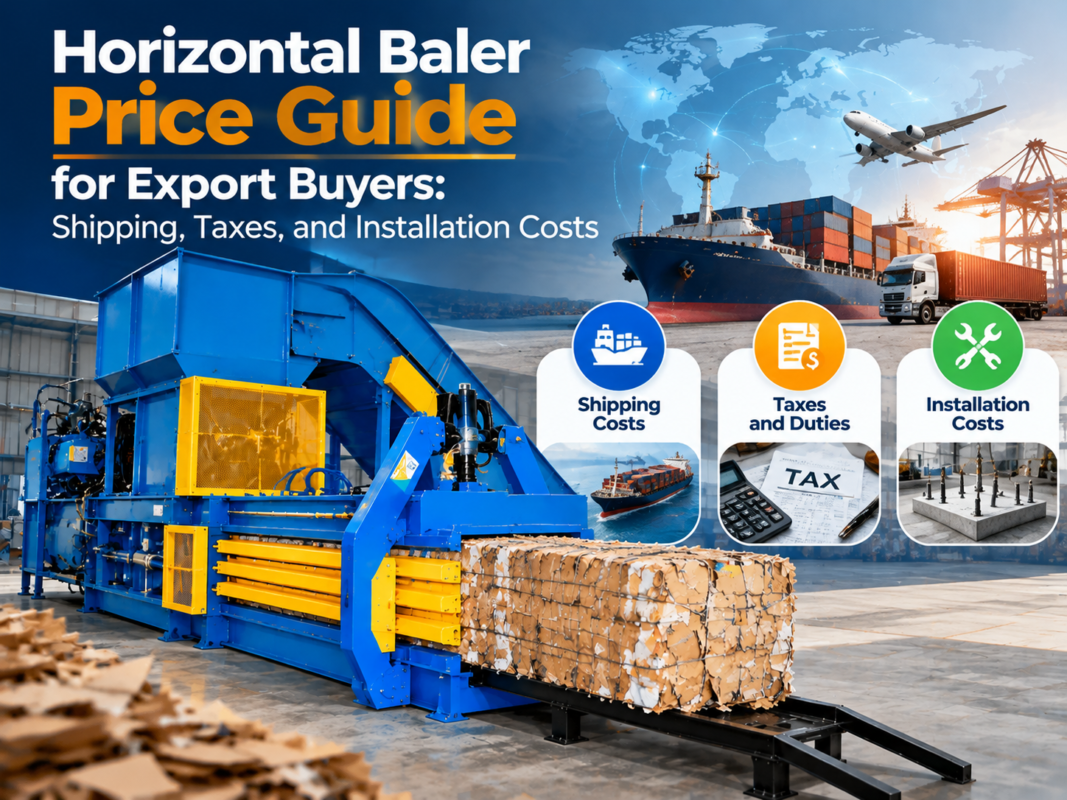
Logistics and freight are frequently excluded from initial price quotes. Because these machines are large and heavy, shipping costs can be substantial, especially if you are located far from the manufacturer’s distribution center. Always request a “delivered” price that includes all shipping, handling, and offloading fees to get a true picture of the total cost of acquisition.
ROI Calculation: Justifying the Investment
To justify the cost of a vertical baler, you must look at the Return on Investment (ROI). The primary way a baler generates value is by reducing waste disposal fees. Most waste haulers charge by the number of pickups. By compacting your waste into dense bales, you can reduce the volume of your waste by up to 90%, meaning you need fewer pickups per month. This reduction in frequency can lead to significant monthly savings.
Beyond saving on disposal, a baler can turn your waste into a revenue stream. Recyclers pay for high-quality, clean, and dense bales of cardboard, plastic, or metal. When you compare vertical baler prices for small warehouses and recycling centers, calculate the potential income from selling your baled materials. A high-density bale is worth significantly more than loose, contaminated waste, which often carries a disposal fee rather than a rebate.
Labor savings are another critical component of the ROI. Without a baler, employees spend valuable time breaking down boxes, stacking them, and managing loose waste piles. A baler streamlines this process, allowing for faster cleanup and a safer, more organized warehouse environment. When you calculate the hourly rate of your employees, the time saved by using a baler adds up quickly.
Finally, consider the environmental and brand benefits. Many companies are now required to report their waste diversion rates. Having a baler allows you to track exactly how much material you are recycling, which can be a powerful marketing tool for your business. When you present your ROI analysis to stakeholders, include these intangible benefits alongside the hard financial data to build a compelling case for the investment.
Buying Advice: How to Choose the Right Partner
Choosing the right manufacturer is just as important as choosing the right machine. Look for a company with a proven track record in the metal fabrication equipment industry. HARSLE, for example, provides comprehensive documentation, clear warranty terms, and responsive customer service. When you are comparing quotes, pay attention to the quality of the communication. Does the sales representative ask about your specific waste stream, or are they just trying to push a standard model?
Always request references from similar businesses. If you are a small warehouse, ask for a reference from another warehouse that uses the same model. If you are a recycling center, ask for a reference from a facility with similar throughput requirements. Hearing about the real-world experience of other users can provide insights that a brochure simply cannot offer.
Check the warranty coverage carefully. A good warranty should cover the hydraulic system and the structural frame for at least 12 to 24 months. Be wary of manufacturers who offer very short warranties, as this may indicate a lack of confidence in their machine’s durability. Also, ensure that the warranty is backed by a local service network so that you are not left waiting for parts to be shipped from overseas.
Finally, trust your gut. If a price seems too good to be true, it probably is. In the world of industrial machinery, you get what you pay for. A slightly higher initial investment in a high-quality, well-supported machine will almost always result in a lower total cost of ownership and a more profitable, efficient operation in the long run.
FAQ: Frequently Asked Questions
- How often does a vertical baler need maintenance? Generally, a visual inspection should be done daily, with a professional service check every 6 to 12 months, depending on usage intensity.
- Can one baler handle multiple types of materials? Yes, most vertical balers can handle cardboard, plastic, and thin metal, but you must ensure the machine is rated for the density of the material you are processing.
- What is the average lifespan of a vertical baler? With proper maintenance, a high-quality vertical baler can last 10 to 15 years or more.
- Do I need special training to operate a vertical baler? Yes, all operators should be trained on the specific safety features and operating procedures of the machine to prevent injury.
- Is it better to buy new or used? For critical operations, new is usually better due to the warranty and the latest safety features. Used machines can be a good option for very low-volume needs, provided they are thoroughly inspected.