How a Briquetting Machine Helped an Equipment Manufacturer Lower Waste Volume: A Case Study

Introduction
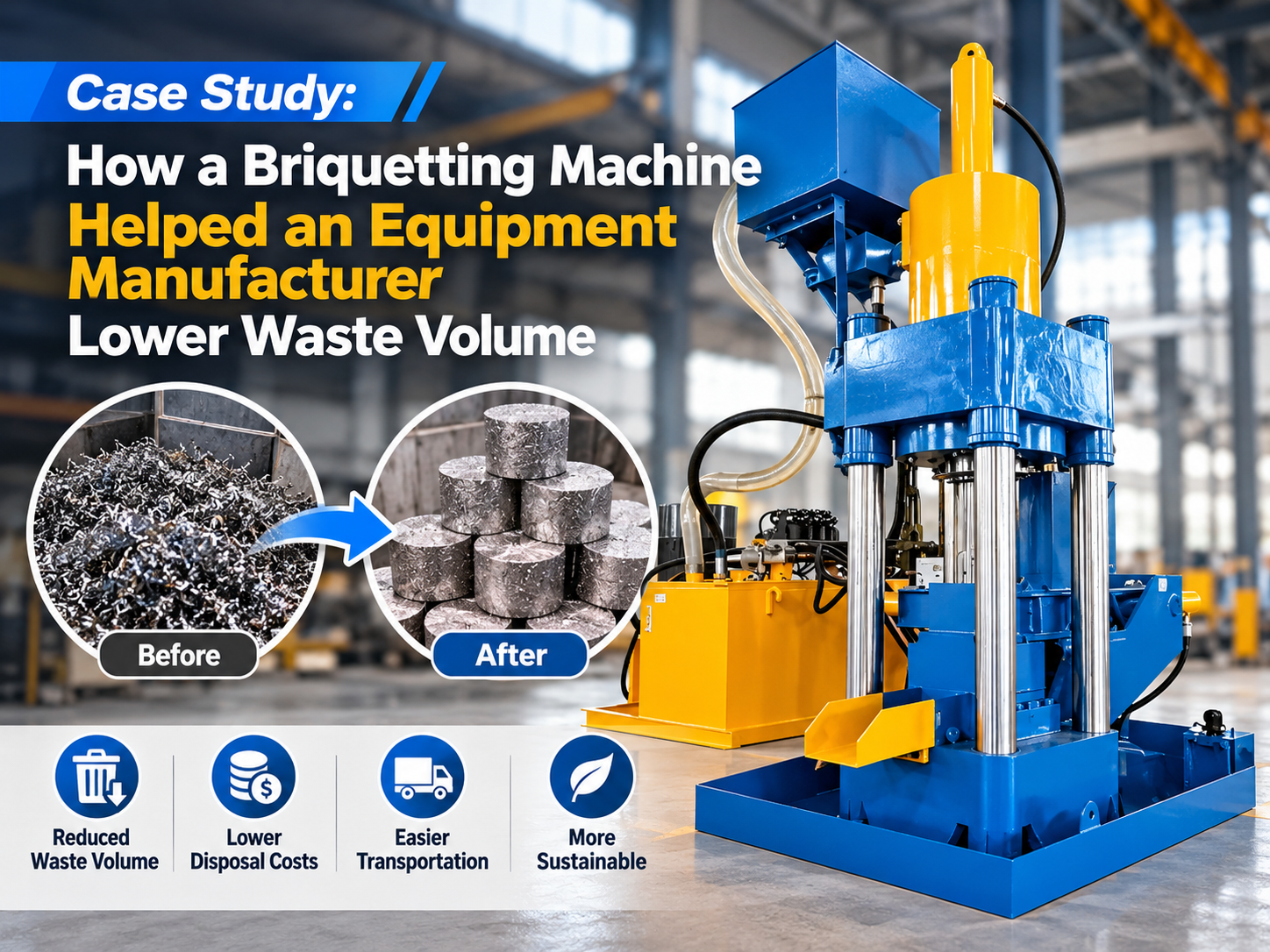
In the modern landscape of metal fabrication, the management of byproduct waste—specifically metal chips, turnings, and swarf—has transitioned from a logistical burden to a strategic opportunity. For many high-output equipment manufacturers, the sheer volume of metal waste generated during CNC machining, milling, and turning processes creates significant overhead. This article explores the transformative impact of waste compaction technology, specifically focusing on how a briquetting machine helped an equipment manufacturer lower waste volume, reduce logistics costs, and reclaim valuable cutting fluids.
HARSLE has observed that many facilities struggle with the “fluff” factor of metal scrap. Loose metal chips occupy vast amounts of space, leading to frequent dumpster pickups and high transportation costs. By integrating a high-pressure briquetting system, manufacturers can compress these loose materials into dense, manageable pucks. This process not only optimizes floor space but also significantly increases the market value of the scrap, as foundries prefer clean, dense briquettes over loose, contaminated shavings.
The following sections will delve into the technical mechanics of this transition, the operational benefits observed in real-world scenarios, and the critical selection criteria for manufacturers looking to implement similar solutions. By understanding how a briquetting machine helped an equipment manufacturer lower waste volume, your facility can move toward a more sustainable and profitable production model.
Key Considerations for Waste Management
Before investing in compaction technology, manufacturers must evaluate their current waste stream. The primary challenge is the volume-to-weight ratio. Loose aluminum, steel, or brass chips contain a high percentage of air, which means you are essentially paying to transport air to the recycling center. When analyzing how a briquetting machine helped an equipment manufacturer lower waste volume, the first metric to consider is the reduction ratio, which can often reach 10:1 or even 20:1 depending on the material density.
Another critical consideration is the presence of cutting fluids. In traditional scrap management, chips are often saturated with coolant or oil. This not only makes the scrap “dirty” and less valuable to recyclers but also poses environmental risks during transport. Briquetting machines are designed to extract these fluids during the compression cycle. This dual-benefit approach—reclaiming expensive coolant while creating dry, high-value briquettes—is a cornerstone of modern lean manufacturing.
Operational footprint is also a major factor. Equipment manufacturers often operate in space-constrained environments. Modern briquetting units are designed for modular integration, allowing them to be placed directly under chip conveyors or at the end of a machining line. This eliminates the need for manual handling of scrap, reducing labor costs and minimizing the risk of workplace injuries associated with handling sharp metal turnings.
Finally, consider the long-term ROI. While the initial capital expenditure for a briquetting machine is significant, the payback period is often shortened by three distinct revenue streams: the increased price per ton for briquetted scrap, the reduction in waste disposal fees, and the recovery of cutting oils. When evaluating how a briquetting machine helped an equipment manufacturer lower waste volume, it becomes clear that the machine is not just a waste tool, but a profit center.
Technical Details of Briquetting Systems
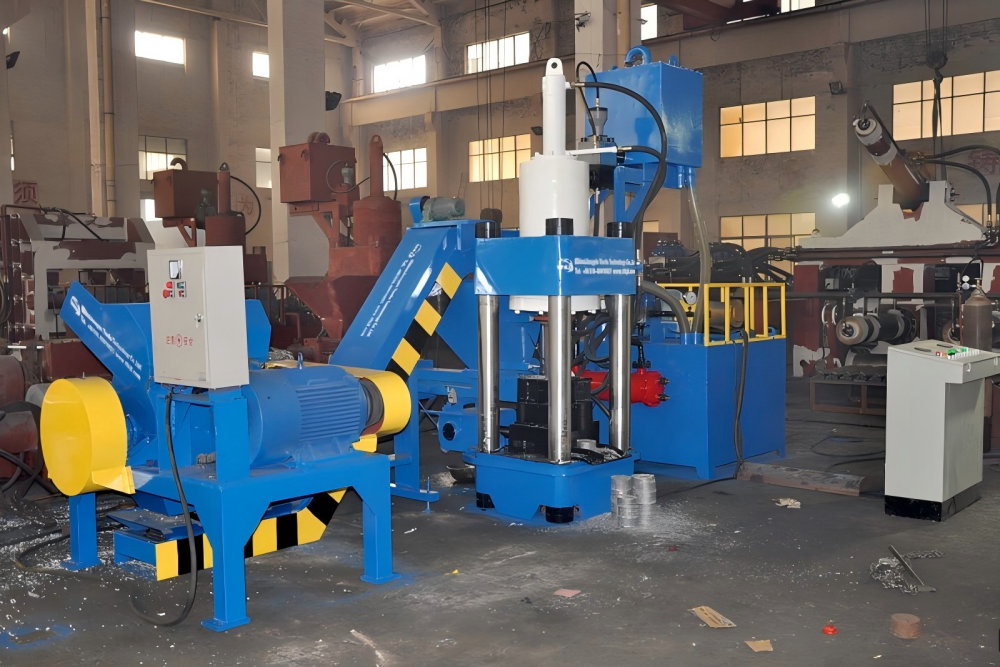
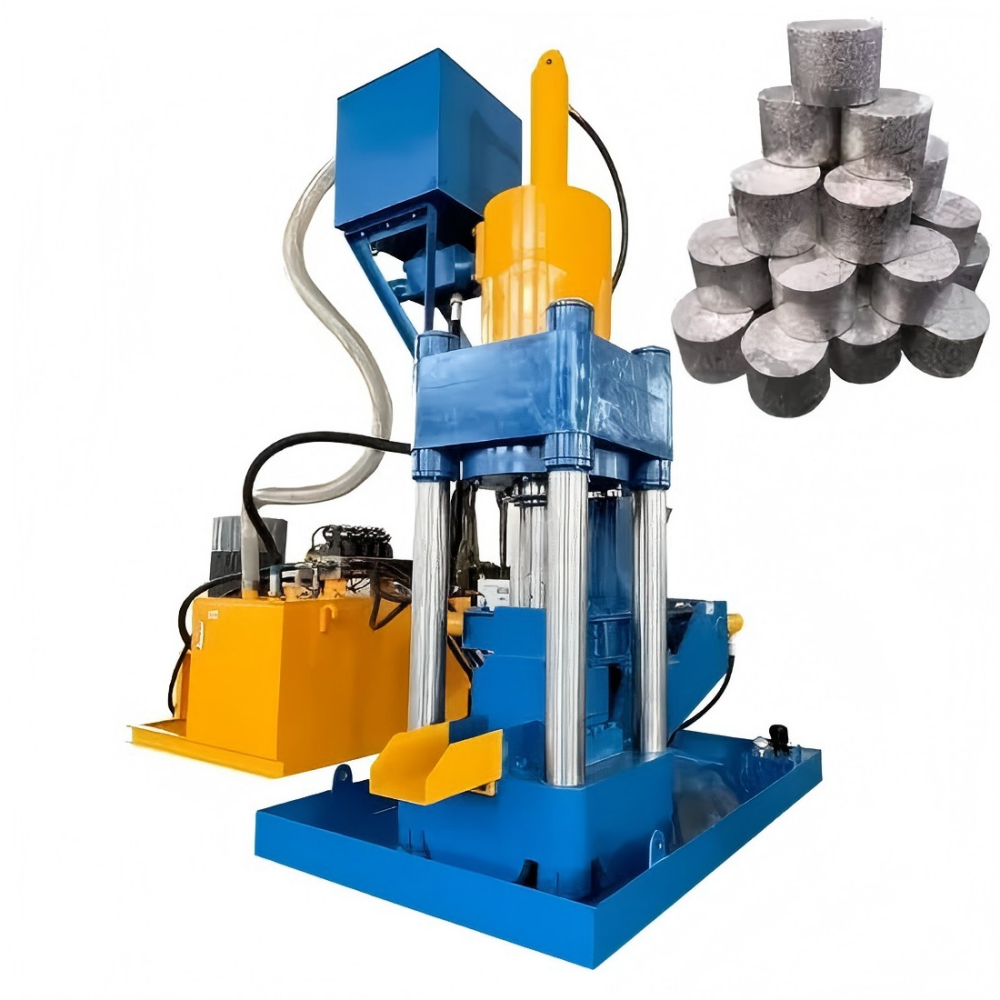
The core technology behind a briquetting machine involves high-pressure hydraulic compaction. Unlike simple balers, which are designed for cardboard or plastic, a metal briquetting press must exert immense force to overcome the yield strength of the metal chips. HARSLE systems utilize robust hydraulic cylinders that compress the material into a cylindrical or rectangular form without the need for binders or adhesives. The pressure is applied in a controlled sequence to ensure the structural integrity of the briquette.
The process begins with the feeding mechanism. An auger or hopper system delivers the loose chips into the compression chamber. Sensors monitor the volume of material to ensure consistent density. Once the chamber is full, the main ram advances, compressing the material against a counter-pressure plate. This stage is where the fluid extraction occurs; the pressure forces the coolant out of the chips and into a collection tray, where it can be filtered and returned to the machine tool’s reservoir.
Material compatibility is a vital technical detail. Different metals require different pressure profiles. For instance, aluminum chips are relatively soft and compress easily, whereas stainless steel or titanium chips require significantly higher pressure and specialized wear-resistant liners within the compression chamber. Understanding the metallurgy of your waste stream is essential for selecting the correct machine specifications.
Automation and control systems are the final piece of the technical puzzle. Modern HARSLE briquetting machines are equipped with PLC controllers that allow for remote monitoring and integration with existing factory automation. These systems can track the number of briquettes produced, monitor hydraulic oil temperature, and alert maintenance teams to potential issues before they cause downtime. This level of technical sophistication is why a briquetting machine helped an equipment manufacturer lower waste volume so effectively—it operates autonomously with minimal human intervention.
Selection Advice: Choosing the Right Machine
Selecting the right briquetting machine requires a thorough audit of your facility’s output. Start by calculating the total weight of metal waste generated per month and the specific types of alloys involved. If your facility processes a mix of materials, you must ensure the machine can handle the hardest material in your stream. A machine underpowered for your specific alloy will result in poor briquette quality and excessive wear on the compression chamber.
Consider the throughput requirements. If your machining centers run 24/7, you need a machine with a high-capacity hopper and a robust cooling system for the hydraulic fluid. Conversely, if you are a smaller job shop, a compact, intermittent-duty machine may be sufficient. Always look for manufacturers who provide a comprehensive performance guarantee based on your specific material samples.
Maintenance accessibility is another key selection criterion. A briquetting machine is a heavy-duty piece of equipment that operates in a harsh environment. Ensure that the machine design allows for easy access to wear parts like the compression die and the ram face. HARSLE emphasizes a modular design philosophy, ensuring that routine maintenance can be performed quickly, minimizing the impact on your production schedule.
Finally, evaluate the support and service infrastructure. A briquetting machine is a long-term investment. You need a partner who can provide spare parts, technical support, and training for your staff. When investigating how a briquetting machine helped an equipment manufacturer lower waste volume, you will find that the most successful implementations were supported by a manufacturer who provided comprehensive installation and commissioning services.
Buyer Checklist for Briquetting Machines
- Material Analysis: Identify the primary alloys (aluminum, steel, brass, copper).
- Volume Estimation: Calculate daily/weekly scrap output in kilograms or pounds.
- Fluid Content: Determine the percentage of coolant/oil in the scrap.
- Space Constraints: Measure the available footprint near the machining line.
- Integration Needs: Check for compatibility with existing chip conveyors.
- Power Requirements: Verify electrical supply and hydraulic needs.
FAQ: Common Questions About Briquetting
Q: How much does a briquetting machine reduce waste volume?
A: Generally, a briquetting machine can reduce the volume of loose metal chips by 80% to 90%, depending on the material density and the initial state of the scrap.
Q: Can I mix different types of metal in the same machine?
A: While possible, it is generally discouraged. Mixing metals lowers the value of the scrap. It is better to process one type of metal at a time to maintain the purity and market value of the briquettes.
Q: How often does the machine require maintenance?
A: Routine maintenance, such as checking hydraulic fluid levels and cleaning the filter, should be performed weekly. Wear parts like the die and ram typically require inspection every 500 to 1,000 operating hours.
Q: Does the briquetting process affect the quality of the recycled metal?
A: No, it actually improves it. By removing cutting fluids and compressing the material, the briquettes are cleaner and easier for foundries to melt, which often commands a premium price.
Q: Is the coolant recovery worth the investment?
A: Yes. For high-volume manufacturers, the cost of cutting fluid is a significant expense. Recovering 80-90% of the fluid from the chips can lead to a return on investment in as little as 12 to 18 months.
Conclusion
The journey toward a more efficient manufacturing facility is rarely about a single massive change; rather, it is about optimizing the small, often overlooked aspects of production. As demonstrated by the case study of how a briquetting machine helped an equipment manufacturer lower waste volume, the transition from loose scrap to dense briquettes is a powerful lever for operational improvement. By reducing logistics costs, reclaiming valuable fluids, and increasing the market value of scrap, manufacturers can turn a waste problem into a sustainable revenue stream.
HARSLE remains committed to providing the industrial machinery necessary to meet these challenges. Whether you are looking to improve your environmental footprint or simply seeking to streamline your shop floor logistics, the implementation of a high-pressure briquetting system is a proven strategy. We encourage manufacturers to conduct a thorough audit of their waste streams and consider the long-term benefits of compaction technology. The path to a leaner, more profitable future starts with managing your resources—and your waste—with precision and foresight.