Hydraulic Oil Leaks In Scrap Metal Balers: Troubleshooting Causes And Solutions


Introduction
In the high-pressure environment of metal recycling and fabrication, the scrap metal baler stands as the backbone of operational efficiency. These machines rely on complex hydraulic systems to exert the immense force required to compress ferrous and non-ferrous materials into dense, transportable bales. However, the most common challenge faced by facility managers is the occurrence of hydraulic oil leaks. Addressing hydraulic oil leaks in scrap metal balers: troubleshooting causes and solutions is not merely a matter of housekeeping; it is a critical safety and productivity imperative.
When a hydraulic system loses fluid, it loses pressure, leading to decreased cycle times, increased energy consumption, and potential catastrophic failure of the pump or cylinder seals. Furthermore, oil leaks create hazardous working conditions, posing slip-and-fall risks and environmental contamination concerns. For HARSLE users and operators of industrial metal fabrication equipment, understanding the root causes of these leaks is the first step toward implementing a robust preventative maintenance program.
This comprehensive guide explores the technical intricacies of hydraulic systems, identifies common failure points, and provides actionable solutions to keep your scrap metal baler operating at peak performance. By prioritizing early detection and systematic repair, you can extend the lifespan of your equipment and ensure compliance with industrial safety standards.
Key Considerations for Hydraulic Integrity
Maintaining the integrity of a hydraulic system requires a proactive mindset. The first key consideration is the quality of the hydraulic fluid itself. Contaminated oil, whether by metal shavings, moisture, or dust, acts as an abrasive within the system. Over time, this contamination scores the internal surfaces of seals and valves, creating micro-gaps that eventually manifest as external leaks. Regular oil analysis is essential to monitor the health of the fluid and the internal components of the baler.
Temperature management is another critical factor. Scrap metal balers often operate in demanding environments where heat buildup is inevitable. Excessive heat degrades hydraulic seals, causing them to harden, crack, and lose their elasticity. Once a seal loses its ability to conform to the housing, leakage is inevitable. Operators must ensure that cooling systems, such as oil coolers and heat exchangers, are functioning correctly and that the ambient temperature around the power unit remains within the manufacturer’s recommended range.
Pressure spikes represent a third major consideration. During the baling process, the machine may encounter non-compressible materials or jams, causing the hydraulic pressure to surge beyond the system’s rated capacity. These spikes can blow out gaskets or cause fittings to loosen. Properly calibrated relief valves are the primary defense against these surges, and they must be inspected and tested regularly to ensure they are not stuck or improperly adjusted.
Finally, vibration is an often-overlooked culprit. The sheer force exerted by a scrap metal baler creates significant mechanical vibration. Over months of operation, this vibration can cause threaded connections to back off, leading to slow, persistent leaks at fittings and hose ends. A routine maintenance schedule should include checking the torque on all hydraulic connections to ensure they remain tight and secure.
Technical Details: Troubleshooting Causes and Solutions
When investigating hydraulic oil leaks in scrap metal balers: troubleshooting causes and solutions, it is helpful to categorize leaks by their location. The most common source of leaks is the hose assembly. High-pressure hoses are subject to constant flexing and abrasion. If a hose is routed incorrectly, it may rub against the machine frame, eventually wearing through the outer cover and the reinforcement layers. The solution is to replace the hose and ensure proper routing with protective sleeves or clamps to prevent future contact.
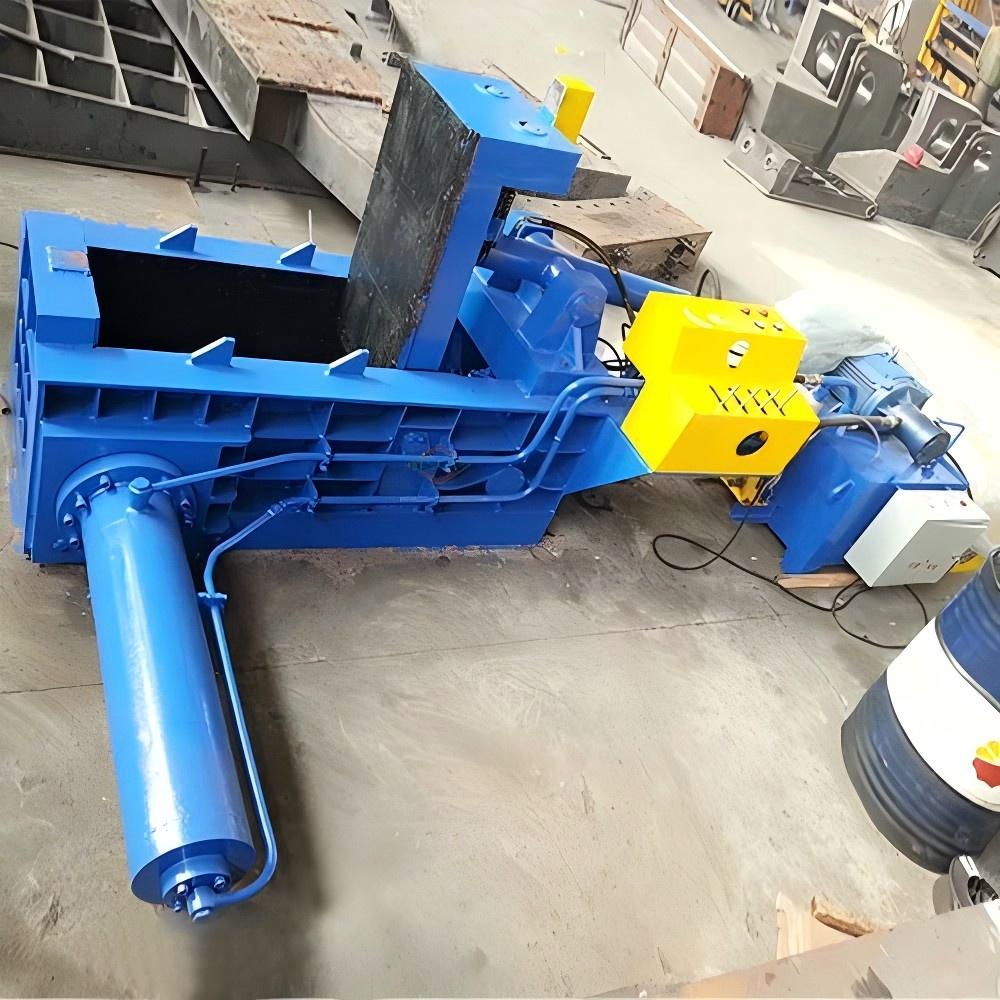
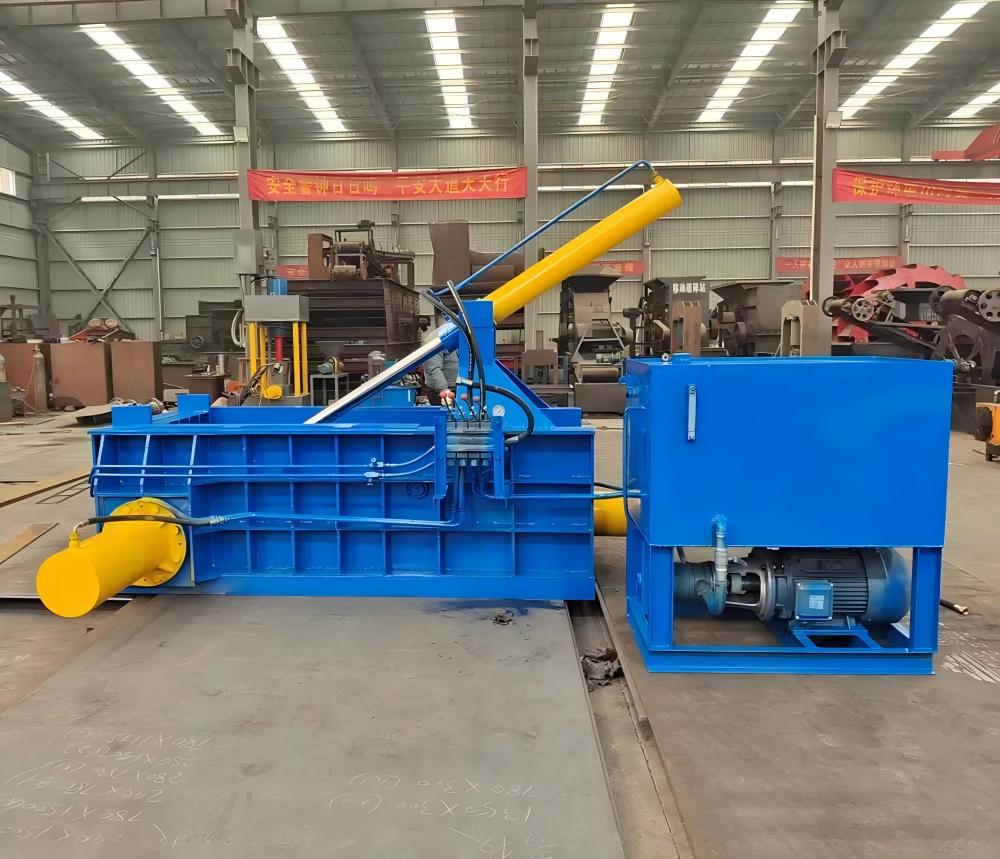
Cylinder seal failure is another frequent issue. The main compression cylinder is the heart of the baler. If the rod seal or piston seal fails, oil will leak externally or bypass internally, leading to a loss of force. To troubleshoot this, observe the cylinder during a cycle. If oil is dripping from the rod gland, the seal kit likely needs replacement. This is a technical task that requires clean-room conditions to prevent debris from entering the cylinder during reassembly.
Fittings and connectors are the third major failure point. Often, leaks at these points are caused by damaged O-rings or improper tightening. If a fitting continues to leak after tightening, the threads may be stripped, or the flare seat may be damaged. In such cases, the fitting must be replaced entirely. Avoid the temptation to over-tighten, as this can crack the fitting or damage the port in the valve block or cylinder.
Pump and valve block leaks are more complex. These components are precision-engineered, and leaks here often indicate internal wear or housing cracks. If a pump is leaking at the shaft seal, it is usually a sign that the pump is nearing the end of its service life. Replacing the shaft seal is a temporary fix; often, the entire pump unit requires refurbishment or replacement to restore system efficiency.
Troubleshooting Checklist
- Visual Inspection: Check all hoses for signs of weeping or wet spots.
- Pressure Test: Use a pressure gauge to verify that the system is operating within the specified PSI range.
- Fluid Analysis: Check for discoloration or a burnt smell, which indicates overheating or contamination.
- Seal Integrity: Inspect the rod gland of the main cylinder for oil accumulation.
- Connection Check: Verify the torque on all hydraulic fittings and flange bolts.
Selection Advice for Maintenance Components
When selecting replacement parts for your HARSLE scrap metal baler, quality should never be compromised for cost. Hydraulic systems operate under extreme stress, and “bargain” hoses or seals often fail prematurely, leading to costly downtime. Always source OEM-specified seals and hoses that match the pressure and temperature ratings of the original equipment. Using components with higher-than-required ratings can provide an extra margin of safety and longevity.
Consider the type of hydraulic fluid used. High-viscosity index oils are generally preferred for industrial balers because they maintain consistent performance across a wider temperature range. If your facility operates in a cold climate, ensure the oil has a low pour point to prevent cavitation during startup. Conversely, in hot environments, an oil with high thermal stability is required to prevent oxidation and sludge formation.
When replacing fittings, opt for high-quality steel connectors with corrosion-resistant plating. In the scrap metal industry, exposure to moisture and chemicals is common, and inferior fittings will rust, making future maintenance difficult. Consider using JIC or ORB (O-Ring Boss) fittings, which are known for their superior sealing capabilities in high-pressure applications compared to standard NPT threads.
Finally, invest in a high-quality filtration system. If your baler is an older model, upgrading to a finer micron filter can significantly extend the life of your pump and valves. A dual-filter setup—one on the suction side and one on the return line—ensures that the oil remains clean throughout the entire cycle, drastically reducing the likelihood of seal-damaging contamination.
FAQ: Common Questions About Baler Maintenance
How often should I check for hydraulic leaks?
A visual inspection should be performed daily as part of the pre-shift startup procedure. A more thorough inspection, including checking torque on fittings and inspecting hoses for wear, should be conducted monthly.
Can I use any hydraulic oil in my HARSLE baler?
No. Always refer to the HARSLE operation manual for the specific viscosity and additive requirements. Using the wrong oil can damage seals and reduce the efficiency of the hydraulic pump.
What should I do if I find a small pinhole leak in a hose?
Never attempt to patch or tape a hydraulic hose. High-pressure oil can penetrate the skin, causing severe injury. Replace the hose immediately with a new one of the correct pressure rating.
Why does my baler lose pressure during the compression cycle?
This is often caused by internal leakage within the cylinder or a failing pump. If there are no external leaks, the oil is likely bypassing the piston seals, requiring a cylinder rebuild.
Conclusion
Hydraulic oil leaks in scrap metal balers: troubleshooting causes and solutions is a fundamental aspect of industrial equipment management. By understanding the mechanical and environmental factors that lead to leaks—such as vibration, heat, and contamination—operators can take proactive steps to prevent failures before they occur. Regular inspections, the use of high-quality replacement parts, and adherence to manufacturer maintenance schedules are the keys to ensuring your HARSLE baler remains a productive asset for years to come.
Remember that safety is paramount. Hydraulic systems store immense energy, and any maintenance work should be performed by trained personnel following proper lockout/tagout procedures. By maintaining a clean, leak-free hydraulic system, you not only protect your investment in metal fabrication equipment but also create a safer, more efficient, and more profitable recycling operation.