How to Solve Reduced Shredding Efficiency In A Hammer Shredder: A Comprehensive Maintenance Guide


Introduction
In the demanding world of metal recycling and industrial waste management, the hammer shredder serves as a cornerstone of production. When operating at peak performance, these machines transform bulky scrap metal into uniform, manageable fragments. However, operators often encounter a frustrating decline in throughput over time. Understanding how to solve reduced shredding efficiency in a hammer shredder is essential for maintaining profitability and meeting production quotas in any metal fabrication facility.
Reduced efficiency is rarely the result of a single catastrophic failure; rather, it is typically an accumulation of minor wear, improper settings, or neglected maintenance schedules. When a machine that once processed tons of material per hour begins to lag, it signals that the internal dynamics—involving impact force, screen clearance, and rotor speed—have been compromised. This guide explores the systematic approach required to diagnose and rectify these performance bottlenecks.
At HARSLE, we emphasize that proactive maintenance is the most cost-effective strategy for industrial machinery. By identifying the root causes of efficiency loss early, operators can prevent expensive downtime and extend the service life of their equipment. Whether you are dealing with inconsistent output size or a noticeable drop in processing speed, the following sections provide the technical insights necessary to restore your hammer shredder to its original factory specifications.
As we delve into the technical aspects of shredder performance, it is important to remember that every component within the shredding chamber works in synergy. From the feed rate to the discharge screen, every variable affects the final output. By mastering these variables, you can ensure that your facility remains competitive and efficient in an increasingly demanding market.
Key Considerations for Shredding Efficiency
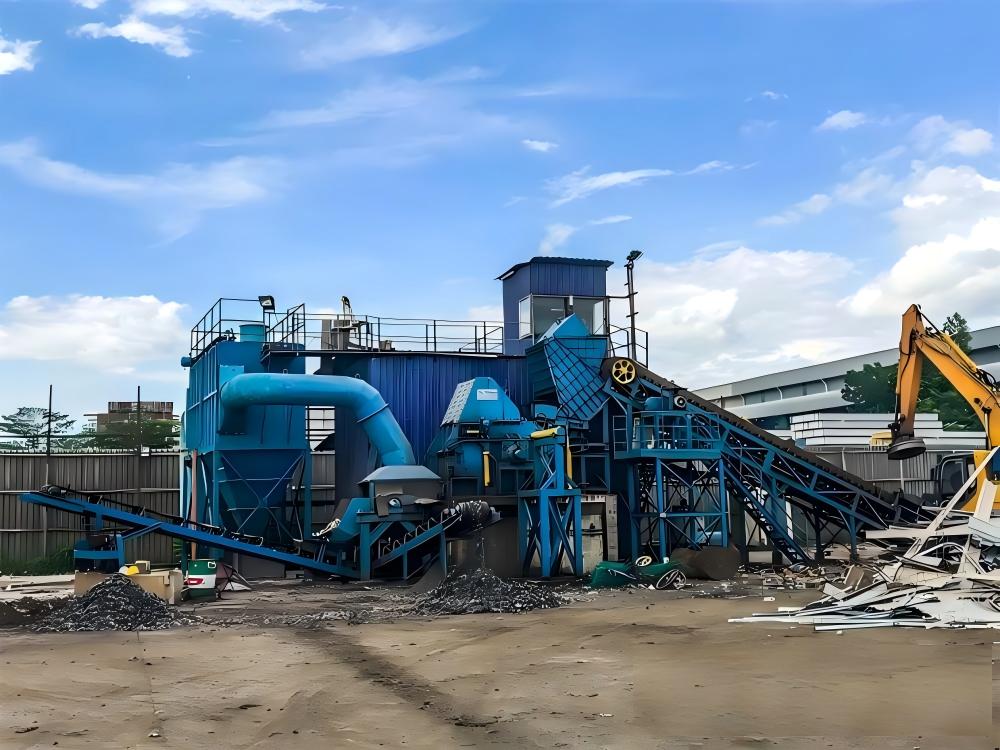
The first step to solve reduced shredding efficiency in a hammer shredder is to evaluate the material feed process. If the shredder is starved of material, efficiency drops; conversely, if it is overfed, the motor may struggle to maintain optimal RPM, leading to “choking.” Operators must ensure a consistent, controlled feed rate that matches the machine’s design capacity. Variable frequency drives (VFDs) are often recommended to synchronize the conveyor speed with the shredder’s load sensors.
Material composition is another critical factor. Hammer shredders are designed for specific hardness and density levels. If the input material changes—for instance, moving from thin-gauge aluminum to heavy steel plate—the shredder’s internal settings must be adjusted accordingly. Ignoring the material specifications can lead to premature wear on hammers and liners, which directly impacts the machine’s ability to process material effectively.
Environmental factors also play a role in efficiency. Dust accumulation, moisture levels in the scrap, and ambient temperature can affect the performance of the drive system and the integrity of the shredding chamber. A clean, well-ventilated workspace ensures that the motor cooling systems function correctly, preventing thermal throttling that often mimics mechanical efficiency loss.
Finally, operator training cannot be overlooked. A skilled operator understands the “sound” of a healthy shredder. By monitoring vibration levels, motor amperage, and discharge patterns, an experienced operator can detect efficiency drops before they become major issues. Regular training sessions on the specific nuances of your hammer shredder model are vital for long-term operational success.
Technical Details: Diagnosing Internal Wear
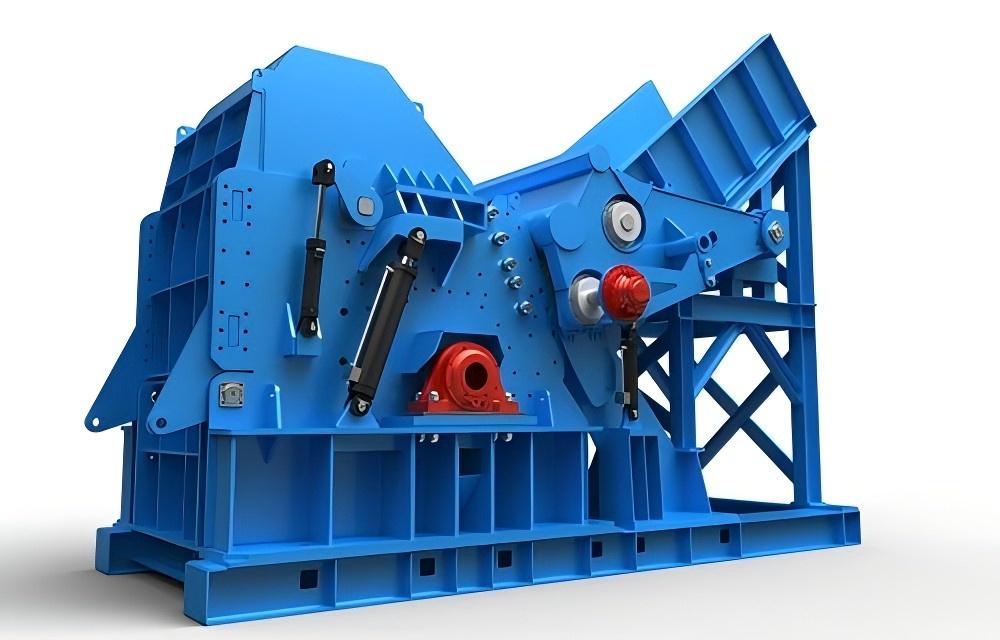
To effectively solve reduced shredding efficiency in a hammer shredder, one must look inside the shredding chamber. The hammers are the primary workhorses of the machine. Over time, the edges of the hammers become rounded due to impact, reducing their ability to shear and break material. When hammers reach a certain wear threshold, they must be rotated or replaced. Using worn hammers forces the motor to work harder for less output, significantly increasing energy costs per ton of processed material.
The condition of the anvil and the liner plates is equally important. These components provide the stationary surface against which the hammers strike the material. If the liners are worn thin, the gap between the hammer tip and the liner increases, resulting in larger, less uniform output and reduced throughput. Regularly inspecting these wear parts and adjusting the gap settings is a fundamental maintenance task that directly restores efficiency.
The discharge screen (or grate) is the final filter for the shredded material. If the screen holes are clogged or if the screen itself is worn, the material will circulate within the chamber for too long, causing “over-shredding” and heat buildup. This not only slows down the process but also puts unnecessary strain on the rotor bearings and the drive motor. Cleaning and inspecting the screens for structural integrity should be part of every weekly maintenance cycle.
Rotor balance is a technical detail that is often ignored until it causes a vibration alarm. An unbalanced rotor creates uneven wear patterns on the hammers and liners, leading to a rapid decline in efficiency. If you notice increased vibration, it is imperative to check the rotor for missing hammer pins, debris buildup, or structural damage. A balanced rotor ensures that the kinetic energy is distributed evenly, maximizing the shredding force applied to the scrap metal.
Selection Advice for Optimal Performance
When looking to solve reduced shredding efficiency in a hammer shredder, sometimes the solution lies in the initial selection of the equipment. If your production requirements have outgrown your current machine, no amount of maintenance will restore the efficiency you need. When selecting a new or replacement shredder, consider the “throughput-to-power” ratio. Ensure the motor horsepower is sufficient for the maximum density of the material you intend to process.
Consider the modularity of the shredder design. Machines that allow for quick-change hammers and adjustable screen configurations provide greater flexibility. This modularity allows you to adapt the machine to different types of scrap without sacrificing efficiency. HARSLE recommends choosing equipment that features easy access to the shredding chamber, as this significantly reduces the time required for routine inspections and part replacements.
Another factor is the integration of smart monitoring systems. Modern hammer shredders can be equipped with sensors that track motor load, vibration, and temperature in real-time. These systems provide data-driven insights that allow you to solve reduced shredding efficiency in a hammer shredder before the problem manifests as a total machine stoppage. Investing in these technologies pays dividends in reduced downtime and optimized energy consumption.
Finally, always prioritize original equipment manufacturer (OEM) parts. While aftermarket parts may seem cheaper, they often lack the metallurgical precision of OEM components. Using inferior hammers or liners can lead to rapid wear, poor shredding quality, and even damage to the rotor assembly. Stick to high-quality, certified parts to ensure that your machine operates at the efficiency levels promised by the manufacturer.
FAQ: Common Questions on Shredder Efficiency
- Q: How often should I inspect the hammers for wear?
A: Depending on the volume and hardness of the material, a visual inspection should be conducted weekly. For high-volume facilities, a daily check is recommended to ensure no pins have loosened. - Q: Why is my shredder producing oversized material?
A: This is usually caused by worn hammer tips or an excessive gap between the hammers and the anvil. Check these clearances and replace worn components to restore uniform output. - Q: Can motor speed affect shredding efficiency?
A: Yes. If the motor speed is too low, the impact force is insufficient. If it is too high, you may experience excessive wear and energy waste. Always operate within the manufacturer’s recommended RPM range. - Q: What is the most common cause of sudden efficiency loss?
A: A clogged discharge screen or a foreign object (like a large piece of hardened steel) stuck in the chamber are the most common culprits for sudden drops in performance. - Q: How do I know if my rotor is unbalanced?
A: Increased vibration, unusual noise, and uneven wear on the internal liners are clear indicators of an unbalanced rotor. This requires immediate professional attention.
Conclusion
To solve reduced shredding efficiency in a hammer shredder, one must adopt a holistic approach that combines rigorous maintenance, proper material handling, and a deep understanding of the machine’s mechanical components. By focusing on the condition of the hammers, the integrity of the liners, and the cleanliness of the discharge screens, you can effectively eliminate the bottlenecks that hinder your production. Remember that efficiency is not a static state but a continuous process of monitoring and adjustment.
At HARSLE, we are committed to providing the metal fabrication industry with the tools and knowledge necessary to succeed. Whether you are troubleshooting a legacy machine or planning an upgrade to your recycling line, our team is here to support your operational goals. By implementing the strategies outlined in this guide, you can ensure that your hammer shredder remains a reliable, high-performing asset for years to come. Don’t let efficiency loss dictate your output—take control of your maintenance schedule and keep your facility running at its full potential.