How to Troubleshoot Loose Fasteners and Component Shift in a Double-Shaft Shredder: A Comprehensive HARSLE Guide


Introduction
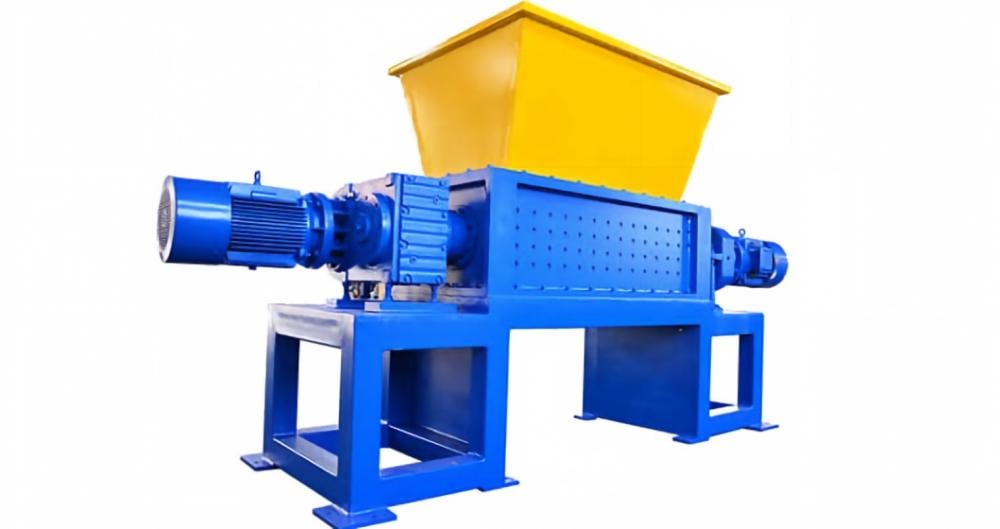
In the demanding world of industrial recycling and metal fabrication, the double-shaft shredder stands as a cornerstone of efficiency. These machines are engineered to handle high-torque applications, processing everything from scrap metal to complex industrial waste. However, due to the intense vibration and mechanical stress inherent in their operation, operators often face the challenge of how to troubleshoot loose fasteners and component shift in a double-shaft shredder. When left unaddressed, these issues can lead to catastrophic failure, costly downtime, and significant safety hazards.
At HARSLE, we prioritize the longevity and performance of your equipment. Understanding the root causes of mechanical loosening is the first step toward effective maintenance. Whether it is the constant impact of shredding hard materials or the natural harmonic resonance of the shafts, fasteners are subjected to forces that can compromise their integrity over time. This guide provides a deep dive into identifying, diagnosing, and resolving these common mechanical issues to keep your production line running smoothly.
Troubleshooting is not merely about tightening a bolt; it is about understanding the mechanical health of the entire shredding unit. By implementing a structured inspection routine, operators can detect the early warning signs of component shift before they manifest as major equipment damage. This article serves as your definitive resource for maintaining the structural integrity of your HARSLE double-shaft shredder, ensuring that your investment continues to deliver high-output performance for years to come.

Key Considerations for Shredder Stability
The stability of a double-shaft shredder relies on the precise alignment of its internal components. When fasteners begin to loosen, the resulting play in the system can cause the shafts to deviate from their intended axis. This misalignment leads to uneven wear on the cutting blades, increased energy consumption, and excessive heat generation within the gearbox and bearing housings. Recognizing the environmental factors that contribute to this instability is crucial for any maintenance team.
Vibration is the primary enemy of threaded fasteners. In a double-shaft shredder, the shredding action itself creates a rhythmic, high-impact vibration that travels through the frame. If the machine is not properly anchored to a reinforced concrete foundation, this vibration is amplified, accelerating the rate at which bolts and nuts back out of their positions. Ensuring that the machine is leveled and securely bolted to the floor is the first line of defense against component shift.
Another key consideration is the material feed consistency. Overloading the shredder or feeding it materials that exceed its design specifications causes the shafts to experience torque spikes. These spikes exert immense pressure on the bearing blocks and the fasteners securing them. By maintaining a steady, controlled feed rate, you reduce the mechanical shock transferred to the structural fasteners, thereby extending the interval between necessary maintenance checks.
Thermal expansion also plays a significant role in fastener integrity. As the shredder operates, the internal components heat up, causing slight expansions in the metal. If the fasteners are not of the correct grade or if they have not been torqued to the manufacturer’s specifications, this cycle of heating and cooling can cause them to lose their clamping force. Using high-strength, heat-treated fasteners is essential for industrial shredders that operate in high-temperature environments.
Technical Details: Diagnosing Component Shift
To effectively troubleshoot loose fasteners and component shift in a double-shaft shredder, one must employ a systematic diagnostic approach. The first step involves a visual inspection of the bearing housings and the gearbox interface. Look for signs of fretting corrosion—a reddish-brown dust around the base of bolts—which indicates that the parts are moving against each other despite being bolted down. This is a definitive sign that the clamping force has been lost.
Next, utilize a torque wrench to verify the tightness of all critical fasteners. It is important to follow the manufacturer’s torque sequence, as tightening bolts in the wrong order can introduce internal stresses that lead to further misalignment. If you find that a bolt turns significantly before reaching the target torque, it is a clear indicator that the fastener has been compromised by vibration or fatigue. In such cases, the fastener should be replaced rather than simply tightened.
Shaft alignment is another critical technical aspect. Use a laser alignment tool to check the parallelism of the two shafts. If the shafts are not perfectly parallel, the cutting blades will collide or fail to overlap correctly, causing the entire assembly to shift under load. This shift is often the result of loose bearing housing bolts. If the shafts show signs of axial play, the bearing retainers must be inspected for wear and the fasteners secured with high-strength thread-locking compounds.
Monitoring the machine’s acoustic signature can also provide early warnings. A healthy shredder produces a consistent, low-frequency hum. If you begin to hear metallic clanking, grinding, or irregular thumping, it is often a sign that a component has shifted and is making contact with the housing or the opposing shaft. Immediate shutdown and inspection are required when these auditory cues appear, as they indicate that the mechanical tolerances have been exceeded.
Selection Advice for Maintenance and Repair
When selecting replacement fasteners for your HARSLE double-shaft shredder, never compromise on quality. Industrial-grade, high-tensile bolts (typically Grade 8.8 or 10.9, depending on the application) are mandatory. Using standard hardware store bolts will lead to immediate failure under the high-torque conditions of shredding. Always consult the HARSLE technical manual to ensure you are using the correct bolt length, diameter, and material grade for each specific location on the machine.
Thread-locking compounds are an essential tool in your maintenance arsenal. For fasteners subjected to high vibration, a medium-to-high strength anaerobic thread locker is recommended. These compounds fill the microscopic gaps between the threads, preventing the bolt from backing out due to vibration while still allowing for removal during future maintenance. However, be cautious not to use permanent thread lockers on components that require frequent adjustment, as this can lead to stripped threads during disassembly.
Consider the use of Nord-Lock washers or similar wedge-locking technology for critical joints. These washers use tension instead of friction to secure the bolt, making them highly resistant to loosening even under extreme vibration. While they represent a higher initial cost, the reduction in maintenance labor and the prevention of catastrophic component shift make them a highly cost-effective investment for heavy-duty industrial machinery.
Finally, establish a digital maintenance log. Tracking the torque values, the date of inspection, and the condition of fasteners for each specific area of the shredder allows you to identify patterns. If a specific bolt consistently loosens, it may indicate a design-level issue, such as a need for a vibration-dampening mount or a structural reinforcement. Data-driven maintenance is the hallmark of a professional metal fabrication facility.
Frequently Asked Questions
How often should I check the fasteners on my double-shaft shredder?
For high-production environments, we recommend a visual inspection daily and a torque check on critical fasteners every 100 to 200 operating hours. Always follow the specific maintenance schedule provided in your HARSLE machine manual.
What are the signs that a component has shifted?
Signs include uneven blade wear, increased vibration, unusual grinding noises, and the presence of metallic dust (fretting) around bolt heads or housing interfaces.
Can I use a standard impact wrench to tighten shredder fasteners?
Impact wrenches can be used for initial assembly, but final tightening should always be performed with a calibrated torque wrench to ensure the correct clamping force is applied without over-stretching the bolts.
Why do my bolts keep loosening despite being tightened?
This is usually caused by excessive vibration, improper foundation leveling, or the use of incorrect fastener grades. Ensure your machine is properly anchored and consider using wedge-locking washers.
What should I do if I find a sheared bolt?
Do not attempt to operate the machine. A sheared bolt indicates that the remaining fasteners are under excessive stress. Remove the broken stud, inspect the surrounding components for damage, and replace the entire set of fasteners in that assembly.
Conclusion
Learning how to troubleshoot loose fasteners and component shift in a double-shaft shredder is an essential skill for maintaining industrial productivity. By understanding the mechanical forces at play, performing regular inspections, and utilizing high-quality hardware and locking solutions, you can prevent the most common causes of shredder downtime. HARSLE is committed to providing not only the best machinery but also the knowledge required to keep your operations running at peak efficiency.
Remember that maintenance is an investment, not an expense. A well-maintained shredder will outlast its competitors, provide a safer working environment for your team, and ensure consistent output quality. If you encounter persistent issues that go beyond routine maintenance, do not hesitate to contact the HARSLE technical support team. We are here to assist you in diagnosing complex mechanical shifts and ensuring your equipment remains the reliable workhorse of your metal fabrication facility.
As you continue to refine your maintenance protocols, keep this guide as a reference. The proactive identification of loose fasteners and component shifts is the difference between a minor adjustment and a major repair. Stay vigilant, follow the technical specifications, and prioritize the structural integrity of your double-shaft shredder to achieve long-term success in your industrial operations.