How to Fix Hydraulic Pressure Loss in a Double-Shaft Shredder: A Comprehensive HARSLE Maintenance Guide


Introduction to Hydraulic Systems in Double-Shaft Shredders
In the demanding world of metal fabrication and industrial recycling, the double-shaft shredder stands as a cornerstone of efficiency. These machines rely heavily on robust hydraulic systems to provide the necessary torque and force required to tear through dense materials. When operators encounter a drop in performance, the most common culprit is a failure in the hydraulic circuit. Learning how to fix hydraulic pressure loss in a double-shaft shredder is not just a maintenance task; it is a critical operational necessity to ensure longevity and safety.
HARSLE understands that downtime in a production line translates to significant financial loss. A double-shaft shredder utilizes hydraulic rams to push material into the cutting chamber, ensuring consistent throughput. If the pressure drops, the shredder may stall, overheat, or produce uneven output. This guide provides a deep dive into the diagnostic and repair processes required to restore your equipment to peak performance, ensuring your facility maintains its competitive edge in the recycling market.
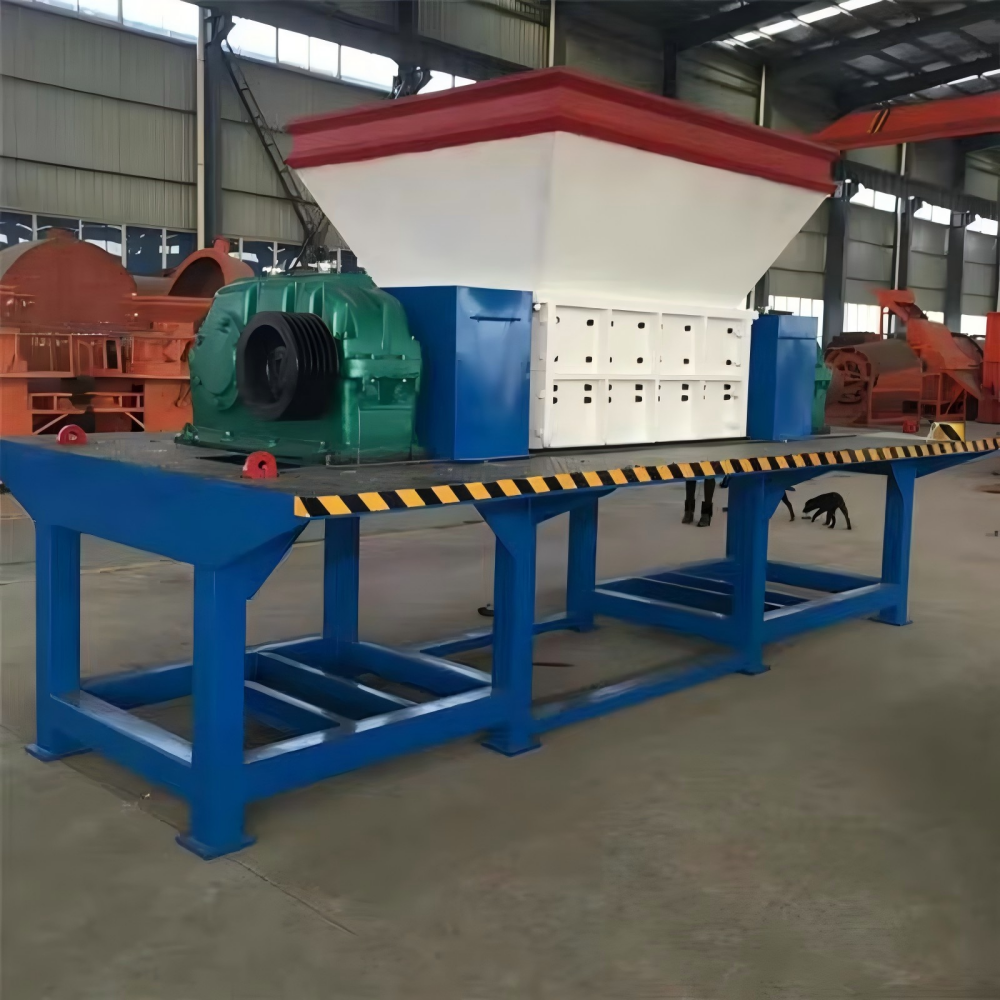
Key Considerations for Hydraulic System Integrity
Before diving into repairs, it is essential to understand the environment in which your shredder operates. Hydraulic systems are sensitive to contamination, temperature fluctuations, and mechanical wear. The first step to fix hydraulic pressure loss in a double-shaft shredder is a thorough visual inspection of the entire circuit. Look for external leaks, which are often the most obvious sign of pressure degradation. Even a pinhole leak in a high-pressure hose can lead to a significant drop in system efficiency over time.
Temperature management is another critical factor. Hydraulic fluid that becomes too hot loses its viscosity, leading to internal leakage within pumps and valves. Ensure that your cooling systems are functioning correctly and that the fluid levels are within the manufacturer’s specifications. If the oil appears milky or dark, it indicates contamination, which can damage seals and lead to pressure loss over time. Regular oil analysis is a proactive measure that can identify metal shavings or chemical breakdown before they cause a total system failure.
Regular maintenance schedules should include checking the integrity of hydraulic hoses and fittings. Over time, vibration from the shredding process can cause connections to loosen. A simple tightening of a fitting or the replacement of a worn O-ring can often resolve pressure issues that seem complex at first glance. Always prioritize safety by depressurizing the system before attempting any physical adjustments. Furthermore, ensure that all hoses are routed correctly to avoid abrasion against the shredder frame, which is a common cause of sudden pressure loss.
Finally, consider the age and condition of your hydraulic pump. The pump is the heart of the system; if it is failing, no amount of valve adjustment will restore full pressure. Monitor the pump for unusual noises, such as whining or grinding, which are clear indicators of cavitation or internal mechanical failure. Addressing these key considerations early can prevent catastrophic system failure and extend the operational lifespan of your shredder significantly.
Technical Details: Troubleshooting Pressure Loss
When you need to fix hydraulic pressure loss in a double-shaft shredder, you must systematically isolate the components. Start by checking the relief valve. The relief valve is designed to protect the system from over-pressurization, but if it is stuck in an open position or the spring has weakened, it will allow fluid to bypass the working circuit, resulting in a significant drop in pressure. A simple test involves checking the temperature of the relief valve housing; if it is significantly hotter than the rest of the circuit, fluid is likely bypassing through it.
Next, examine the directional control valves. These valves manage the flow of oil to the shredder rams. If the internal seals within these valves are worn, oil will leak internally from the high-pressure side to the low-pressure side (tank return). This type of leak is often invisible from the outside, making it a common source of frustration for maintenance teams. Using a pressure gauge at different points in the circuit can help you pinpoint exactly where the pressure drop occurs. By isolating sections of the hydraulic circuit, you can determine if the pressure loss is localized to a specific valve bank or if it is a system-wide issue originating from the pump.
The hydraulic cylinder seals are another frequent point of failure. If the piston seals inside the shredder ram are worn, the hydraulic fluid will bypass the piston head. This results in a loss of force and a slow, sluggish movement of the ram. To test this, you can perform a drift test: extend the cylinder, shut off the machine, and observe if the ram retracts on its own. If it does, the internal seals are likely compromised. Replacing these seals requires precision and cleanliness to ensure that no debris enters the cylinder during reassembly.
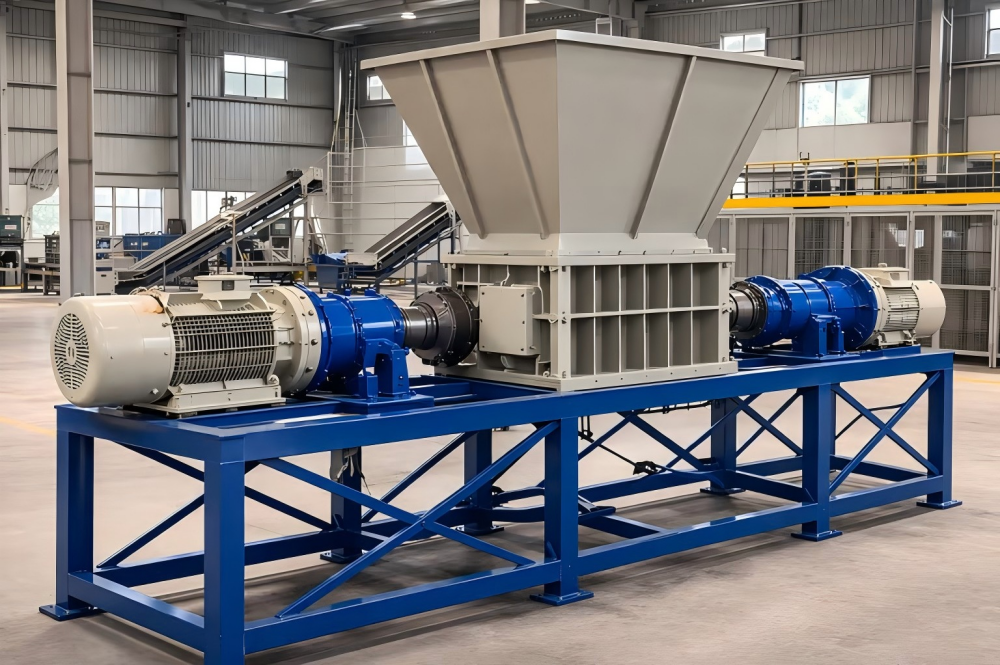
Don’t overlook the importance of the hydraulic filter. A clogged filter restricts flow, which can cause the pump to cavitate. Cavitation creates air bubbles in the oil, which compress under pressure and cause erratic system behavior. Replacing the filter is a low-cost, high-impact maintenance step that should be performed regularly as part of your preventative maintenance program. Always ensure that the replacement filter meets the micron rating specified by the manufacturer to maintain proper system cleanliness.
Advanced Diagnostic Procedures
For complex issues where the source of pressure loss is not immediately apparent, advanced diagnostics are required. Utilizing an ultrasonic leak detector can help identify internal bypass leaks in valves that are otherwise inaccessible. Additionally, performing a flow test on the hydraulic pump can determine if the pump is delivering the required volume of oil at the rated pressure. If the flow rate is significantly lower than the pump’s specifications, the pump is likely worn and requires rebuilding or replacement.
Another area to investigate is the hydraulic accumulator. If your shredder uses an accumulator to maintain pressure during peak loads, a loss of nitrogen pre-charge can lead to pressure spikes and drops. Check the nitrogen pressure regularly to ensure it matches the manufacturer’s recommendations. A properly charged accumulator acts as a shock absorber, protecting the pump and valves from pressure surges that could otherwise cause premature wear or seal failure.
Selection Advice: Choosing the Right Components
When replacing parts to fix hydraulic pressure loss in a double-shaft shredder, quality is paramount. HARSLE recommends using OEM-specified components to ensure compatibility and performance. Cheap aftermarket seals or valves may fit initially, but they often lack the durability required for the high-pressure, high-vibration environment of a shredder. Investing in high-quality components reduces the frequency of repairs and ensures that your machine operates at its intended capacity.
Consider the viscosity grade of your hydraulic oil. Using the wrong grade can lead to premature wear of the pump and valves. Always consult the HARSLE technical manual for the recommended oil type based on your local climate and the shredder’s operating temperature. In colder climates, a thinner oil may be necessary to prevent startup issues, while hotter environments require oils with higher thermal stability to prevent thinning and internal leakage.
When selecting a replacement pump, look for units that offer high volumetric efficiency. A pump that is rated for the specific pressure requirements of your shredder will provide a longer service life and more consistent performance. If you are frequently experiencing pressure loss, it may be time to upgrade to a more robust pump model or add an auxiliary cooling system to keep the oil within the optimal temperature range. Furthermore, consider the material of the seals; Viton or similar high-performance materials are often preferred in industrial shredding applications due to their resistance to heat and chemical degradation.
Finally, invest in high-quality pressure gauges and monitoring equipment. Having a permanent pressure gauge installed on the main supply line allows operators to monitor the system in real-time. This proactive approach allows you to detect pressure drops before they lead to a complete machine stoppage, saving you time and money in the long run. Digital pressure transducers can also be integrated into your PLC system to provide automated alerts when pressure falls outside of the safe operating window.
الأسئلة الشائعة
- Q: How often should I check the hydraulic pressure?
A: We recommend a daily visual check and a weekly pressure test to ensure the system is operating within the manufacturer’s specified range. - Q: Can I use any hydraulic oil in my HARSLE shredder?
A: No. Always use the oil grade specified in your manual. Using the wrong viscosity can lead to pump failure and internal leakage. - Q: What does a whining noise from the pump mean?
A: A whining noise usually indicates cavitation, often caused by a clogged filter, low oil levels, or air in the system. - Q: Is it safe to adjust the relief valve myself?
A: Yes, but only if you have a pressure gauge connected to verify the pressure. Never adjust the relief valve beyond the machine’s maximum rated pressure. - Q: Why is my shredder ram moving slowly?
A: Slow movement is typically caused by internal seal leakage or a failing hydraulic pump that can no longer maintain the required flow rate. - Q: How do I know if my hydraulic fluid is contaminated?
A: Contaminated fluid often appears cloudy, dark, or has a burnt smell. You may also notice sediment in the reservoir or erratic valve performance.
Conclusion
Learning how to fix hydraulic pressure loss in a double-shaft shredder is an essential skill for any facility manager or maintenance technician working with HARSLE equipment. By understanding the relationship between the pump, valves, seals, and fluid quality, you can maintain your shredder in peak condition and avoid costly downtime. Remember that consistent maintenance, the use of high-quality components, and regular monitoring are the keys to a long-lasting and efficient shredding operation. If you encounter persistent issues, do not hesitate to contact the HARSLE support team for expert guidance tailored to your specific machine model. Proper care of your hydraulic system not only protects your investment but also ensures the safety and productivity of your entire production line.