How to Prevent and Fix Single-Shaft Shredder Material Wrapping: A Comprehensive Guide


Introduction to Single-Shaft Shredder Efficiency
In the world of industrial waste management and metal fabrication, the single-shaft shredder stands as a cornerstone of efficiency. These machines are engineered to reduce bulky materials into manageable, uniform sizes. However, operators often face a common operational hurdle: material wrapping. When long, fibrous, or ductile materials wrap around the main rotor, it leads to decreased throughput, increased motor strain, and potential downtime. Understanding how to prevent and fix single-shaft shredder material wrapping is essential for maintaining a high-performance production line.
At HARSLE, we prioritize the longevity and reliability of our industrial machinery. Material wrapping is not merely a nuisance; it is a symptom of either incorrect material feeding, improper blade configuration, or suboptimal clearance settings. By addressing these factors, facility managers can ensure their shredders operate at peak capacity. This guide provides a deep dive into the mechanics of wrapping and actionable strategies to mitigate these issues effectively.
The economic impact of downtime in a recycling or fabrication facility is significant. Every hour a shredder is stalled due to tangled material represents lost revenue and increased labor costs for manual clearing. By implementing the preventative measures outlined in this article, you can transform your maintenance routine from reactive to proactive, ensuring that your HARSLE equipment remains a reliable asset for years to come.
Key Considerations for Material Handling
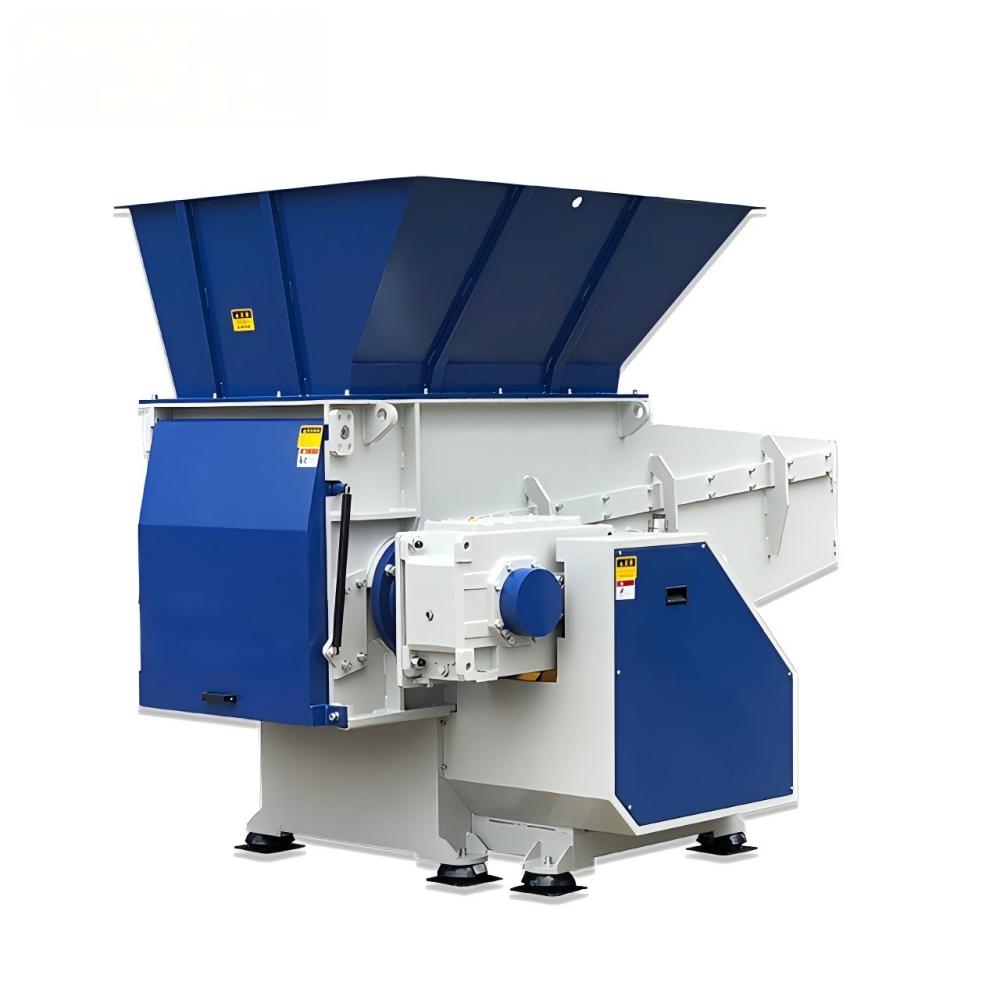
The primary cause of material wrapping is the nature of the input feedstock. Materials such as plastic films, thin metal strips, textiles, and rubber hoses are notorious for their tendency to coil around the rotor shaft. When these materials are fed into the shredder without proper tension or cutting geometry, they bypass the cutting action and instead wind tightly around the shaft, creating a dense “nest” that is difficult to remove.
Another critical factor is the gap between the rotor blades and the counter-knives. If this clearance is too wide, the material is not sheared cleanly. Instead, it is pulled into the gap, where it begins to wrap. Maintaining the correct clearance is a fundamental aspect of how to prevent and fix single-shaft shredder material wrapping. Regular inspections of the knife edges are necessary to ensure they remain sharp enough to cut through the material rather than tearing or stretching it.
Feeding speed also plays a vital role. Overloading the shredder can lead to a backup of material in the cutting chamber. When the chamber is too full, the material has nowhere to go but around the rotor. Implementing a controlled feeding system, such as a conveyor belt with a variable speed drive, allows the operator to match the feed rate to the shredder’s processing capacity, significantly reducing the likelihood of tangling.
Finally, consider the moisture content and temperature of the material. Some materials become more ductile or sticky when heated by the friction of the shredding process. This stickiness can cause them to adhere to the rotor surface, initiating the wrapping process. Monitoring the temperature of the cutting chamber and ensuring adequate cooling or lubrication can prevent these materials from bonding to the shaft.
Technical Details: Troubleshooting and Fixing Wrapping
When wrapping does occur, the immediate priority is safety. Never attempt to clear a jammed shredder while the power is connected. Always follow strict Lockout/Tagout (LOTO) procedures before opening the access panels. Once the machine is safely powered down, the first step is to assess the severity of the wrap. Minor tangles can often be removed with specialized pry bars or cutting tools, while severe wraps may require the removal of the rotor or counter-knives.
To fix a persistent wrapping issue, examine the counter-knife alignment. If the counter-knife is worn or misaligned, it fails to provide the necessary resistance for the rotor blade to shear the material. Adjusting the counter-knife to the manufacturer’s recommended clearance is often the most effective fix. HARSLE shredders are designed with adjustable counter-knives to allow for precise tuning based on the specific material being processed.
Another technical solution involves the use of screen sizing. The screen at the bottom of the shredder determines the output size. If the screen holes are too large, material may pass through partially shredded, leading to long strips that are prone to wrapping. By switching to a screen with smaller apertures, you force the material to stay in the cutting chamber longer, ensuring it is reduced to smaller pieces that are less likely to wrap around the rotor.
If the material is consistently wrapping despite these adjustments, consider the blade geometry. Different materials require different blade profiles. For example, a hook-shaped blade might be better for grabbing and pulling material into the cut, whereas a straight-edge blade might be better for shearing. Consulting with HARSLE technical support can help you determine if a change in blade profile is necessary for your specific application.
Selection Advice: Choosing the Right Shredder
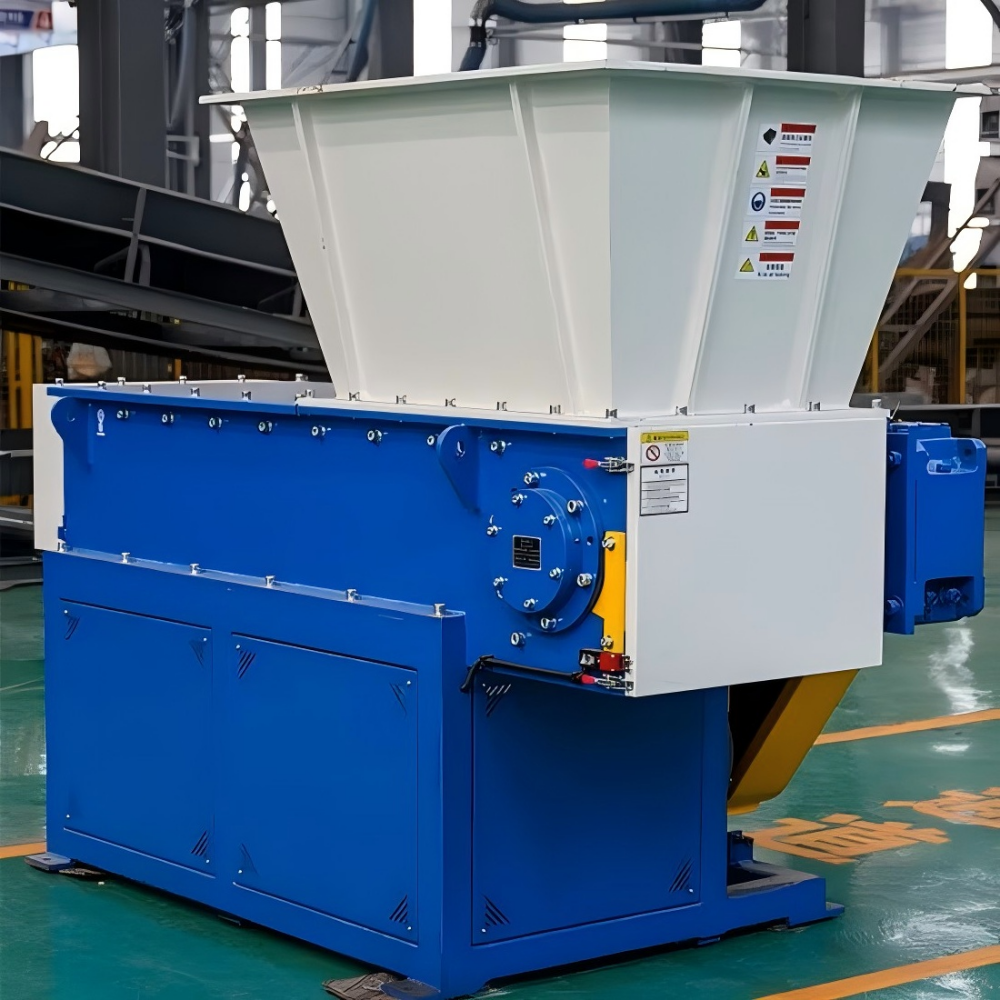
Selecting the right shredder is the first step in preventing material wrapping. Not all shredders are created equal. When purchasing a single-shaft shredder, you must consider the torque, rotor speed, and the type of cutting system. High-torque, low-speed shredders are generally better at handling tough, fibrous materials that are prone to wrapping, as they provide the force necessary to cut through the material rather than just bending it.
Consider the automation features of the machine. Modern HARSLE shredders come equipped with intelligent control systems that monitor motor load. If the system detects a spike in torque—a common precursor to a jam or wrap—it can automatically reverse the rotor to clear the obstruction before it becomes a major issue. This feature is invaluable for preventing downtime and protecting the machine from damage.
Look for machines with easy access to the cutting chamber. Maintenance is inevitable, and a machine that is difficult to clean will be neglected. A shredder with a hydraulic ram or a quick-release screen system allows operators to clear jams quickly and safely. This accessibility encourages regular maintenance, which is the best way to prevent and fix single-shaft shredder material wrapping.
Finally, evaluate the manufacturer’s support and parts availability. A shredder is a long-term investment. Ensure that the supplier provides comprehensive manuals, training for your operators, and a reliable supply of spare parts. HARSLE prides itself on offering not just machinery, but a complete solution for metal fabrication and recycling needs, ensuring that you have the resources to keep your equipment running smoothly.
FAQ: Common Questions About Shredder Maintenance
How often should I inspect the blades for wear?
Blades should be inspected daily for signs of dulling or chipping. Depending on the abrasiveness of the material, a full maintenance check should be performed every 200-500 operating hours.
Can I use a single-shaft shredder for all types of metal?
While single-shaft shredders are versatile, they are designed for specific hardness levels. Always check the machine specifications against the material density and hardness to avoid damaging the rotor.
What is the best way to clear a severe wrap?
After following LOTO procedures, use a reciprocating saw or a heavy-duty cutting torch to carefully cut the wrapped material into smaller sections. Never use excessive force that could damage the rotor surface.
Does the feed rate affect wrapping?
Yes, an inconsistent or overly aggressive feed rate is a leading cause of wrapping. Use a controlled feeding mechanism to ensure a steady, manageable flow of material into the chamber.
Conclusion: Maintaining Peak Performance
Preventing and fixing single-shaft shredder material wrapping is a combination of proper machine selection, diligent maintenance, and smart operational practices. By understanding the mechanics of how material interacts with the rotor and counter-knives, you can anticipate problems before they lead to costly downtime. Remember that the goal is to create a consistent cutting action that reduces material size efficiently without allowing it to coil or tangle.
HARSLE remains committed to providing the industrial sector with robust, high-performance machinery. By following the guidelines in this article, you can optimize your shredding process, increase your throughput, and extend the lifespan of your equipment. Whether you are processing scrap metal, plastics, or industrial waste, the right approach to maintenance will ensure that your shredder remains a productive asset in your facility. For further technical assistance or to explore our range of shredders, contact the HARSLE support team today.